Pevita Pearce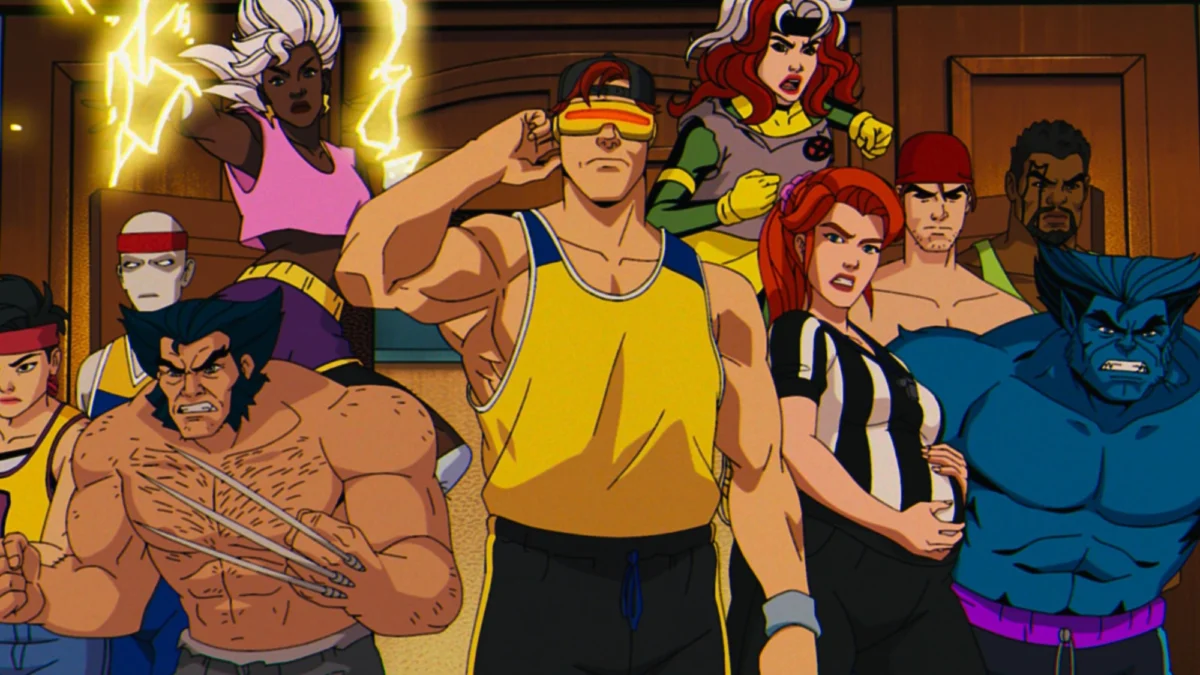
Thirty-five years after its debut on Fox Kids in 1992, X-Men: The Animated Series remains a cornerstone of superhero storytelling. While the medium of animation was once dismissed as disposable children’s entertainment, the X-Men redefined the boundaries of what could be achieved in a 22-minute format. Recently, at the Tribeca Film Festival, the creative forces behind this monumental series—writers Eric and Julia Lewald and storyboard artist Larry Houston—gathered not merely to reminisce about the past, but to usher in the next chapter of the franchise: Season 2 of the critically acclaimed Disney+ revival, X-Men ’97.
The Genesis: A Struggle for Sophistication
In the early 1990s, the landscape for comic book adaptations was starkly different. Before the MCU established the current blockbuster dominance, the X-Men were a gamble. Eric Lewald recalls the period as a time of intense professional pressure. “Back then, it was about securing the next six months of work, paying the mortgage, and putting food on the table,” he reflects.
However, the team had a singular, ambitious goal: to create the most dramatic, sophisticated animated television possible. At a time when network executives and advertisers were clamoring for "dumbed-down" content—demanding silly sidekicks or toned-down violence to appease cautious sponsors—the showrunners fought to maintain the gravity of the source material.
“People were very nervous,” Eric says. “They wanted us to make it younger. But we were working with material that was inherently dramatic. We treated it like an hour-long prime-time drama, just compressed into an animated format.”
Chronology: Building an Empire of Mutants
The origin of the series was a frantic, high-stakes sprint. The Lewalds were brought on board with only a day’s notice to pitch a concept that had, until then, failed to thrive beyond the pilot stage.
- 1992: X-Men: The Animated Series premieres on Fox Kids. Under the guidance of Margaret Loesch, the then-president of Fox Kids, the show was given the necessary runway to adapt the comic books with fidelity.
- 1992–1997: The series runs for five seasons, introducing complex themes of prejudice, alienation, and social reform, effectively setting the standard for the modern superhero epic.
- 2024: X-Men ’97 debuts on Disney+, proving that the legacy of the original series had not only endured but had gained a massive, multi-generational following.
- 2026: The creative team reunites at the Tribeca Film Festival to celebrate the franchise’s longevity and tease the highly anticipated second season.
A pivotal element in this success was the support from Margaret Loesch. “She understood the books deeply,” Julia Lewald notes. “She faced tremendous pushback from those above her, but her protection allowed us to tell stories that the books were telling, rather than what a network thought kids should see.”
Supporting Data: The Art of Adaptation
For lead storyboard artist Larry Houston, the primary objective was visual authenticity. In 1992, there hadn’t been a truly accurate adaptation of the X-Men. Houston sought to bridge the gap between Jim Lee’s iconic character designs from X-Men #1 (1991) and the episodic requirements of television.
The writers were equally diligent, pulling from 30 years of lore. When faced with a roster of 29 potential X-Men, they whittled the team down to six core members, ensuring that every narrative choice felt earned. A prime example is the story arc of Rogue, who sought a cure for her inability to touch others. While not based on a single comic issue, it was a logical, character-driven development that resonated deeply with the audience.
The Evolution of Apocalypse
Perhaps the most striking example of the series’ creative growth is the character of Apocalypse. In the early 90s, the villain was a mysterious, undefined threat. The creative team leaned into this ambiguity, allowing them to craft a unique backstory. As the comic lore expanded over the next three decades, the show evolved with it.
“When we did him in 1992, all those details didn’t exist,” Houston explains. “Now, they are exploring the future and the past. You get a chance to see how he became the badass he is.” The character’s complexity, paired with the iconic, booming voice of the late John Colicos, transformed him from a recurring obstacle into a foundational existential threat for the X-Men.

Official Responses and Creative Vision
The transition from the original series to X-Men ’97 has been seamless, largely due to the stewardship of Marvel Studios’ Brad Winderbaum. Winderbaum, who serves as an executive producer, views the return of the series as a celebration of the X-Men’s core identity.
Regarding the upcoming season, Winderbaum teases: “Apocalypse represents a horrible future and destiny for the X-Men that they are always trying to avoid. He serves a very specific, and very awesome purpose.”
The narrative focus for Season 2 will also shift toward the domestic challenges of Cyclops and Jean Grey. After discovering their son, Nathan, in a dystopian future, the couple must reconcile their roles as superheroes with their desperate desire for family. “The world is always in their way,” Winderbaum notes. “The fact that they get to spend this time with Nathan is a beautiful reward for them.”
The Voice of the Mutant
Lenore Zann, the legendary voice of Rogue, has been instrumental in keeping the character’s emotional arc authentic. Zann revealed that her deep connection to the character has occasionally led her to ad-lib lines that define the character’s growth.
“In the first season, when I’m dancing with Magneto, I was supposed to say something else,” Zann recounts. “Instead, I said, ‘Thanks for the dance, sugah, but Remy was right. Some things are deeper than skin.’ They kept the line.”
This commitment to character truth—the grief of losing Gambit, the rage of the Genosha genocide, and the struggle for personal connection—is exactly what has kept the audience engaged for over thirty years.
Implications: A Global Legacy
The reach of the X-Men animated franchise has transcended borders and political spheres. Julia Lewald recounts the surreal experience of learning that even world leaders like former Canadian Prime Minister Justin Trudeau were fans of the show, underscoring the universal appeal of the X-Men’s message of tolerance and inclusion.
“We had no clue it would go worldwide,” Eric admits. “If I wear an X-Men hat in Singapore, someone is going to say, ‘I watched your show growing up!’ It is incredibly gratifying to see that the work we fought so hard to make has become a global language.”
As X-Men ’97 prepares for its second season, the implication is clear: the series is no longer just a "cartoon." It is a vital piece of the pop-culture canon. By balancing the nostalgia of the 90s with the sophisticated, serialized storytelling of the modern era, the team behind the X-Men has ensured that their mutants remain as relevant today as they were when they first leaped from the pages of a comic book onto the small screen.
The X-Men taught a generation that it is okay to be different, that destiny is something you fight for, and that sometimes, the most heroic thing you can do is simply to be yourself. As the franchise looks to the future, it carries that legacy with the same fierce, uncompromising spirit that defined its inception.


 Siti Muinah
 Dwi Wanna