

The final chapter of any Final Fantasy XIV expansion is a ritualistic experience. It is a moment of narrative catharsis, a grand spectacle of high-fantasy combat, and—perhaps most significantly—a somber bridge to the unknown. As the Warrior of Light prepares to step away from the sun-drenched shores of Tural and the technological marvels of Alexandria, the release of Patch 7.5, Trail to the Heavens, marks the official twilight of the Dawntrail era.
While the patch delivers the expected structural beats—a new dungeon, a climactic trial, and the conclusion of the Final Fantasy XI Alliance Raid series—it also arrives under the heavy shadow of the recently announced expansion, Evercold. For many, Trail to the Heavens acts less as a grand finale and more as a reflective mirror, highlighting the pacing and thematic inconsistencies that defined the Dawntrail cycle.
The Chronology of Conflict: From Mystery to the Void
The narrative trajectory of Trail to the Heavens begins exactly where the preceding patch, Into the Mist, left the player: in a state of suspended animation regarding the mysterious inter-dimensional key. This artifact, which promised to unlock the secrets of travel between shards, has remained a frustratingly opaque plot device.
The story’s momentum shifts abruptly when a distress signal from the former Garlean Empire shatters the relative calm. The threat is immediate: Voidsent are flooding into the Source. The ensuing narrative is a whirlwind. Players are whisked away to the frozen, melancholic wastes of Garlemald, where the reunion with familiar faces is cut short by the necessity of immediate combat.
This leads the player directly into the new dungeon, The Clyteum. While the environment serves as a thematic bridge to the upcoming frozen landscapes of Evercold, the dungeon itself feels like a missed opportunity. Its aesthetic is appropriate, yet the encounter design feels surprisingly sterile. The first two bosses lack the mechanical ingenuity one might expect from a final-expansion dungeon, offering little beyond the standard fare. While the final boss attempts to inject a sense of urgency through more complex mechanics, it feels like a case of "too little, too late."
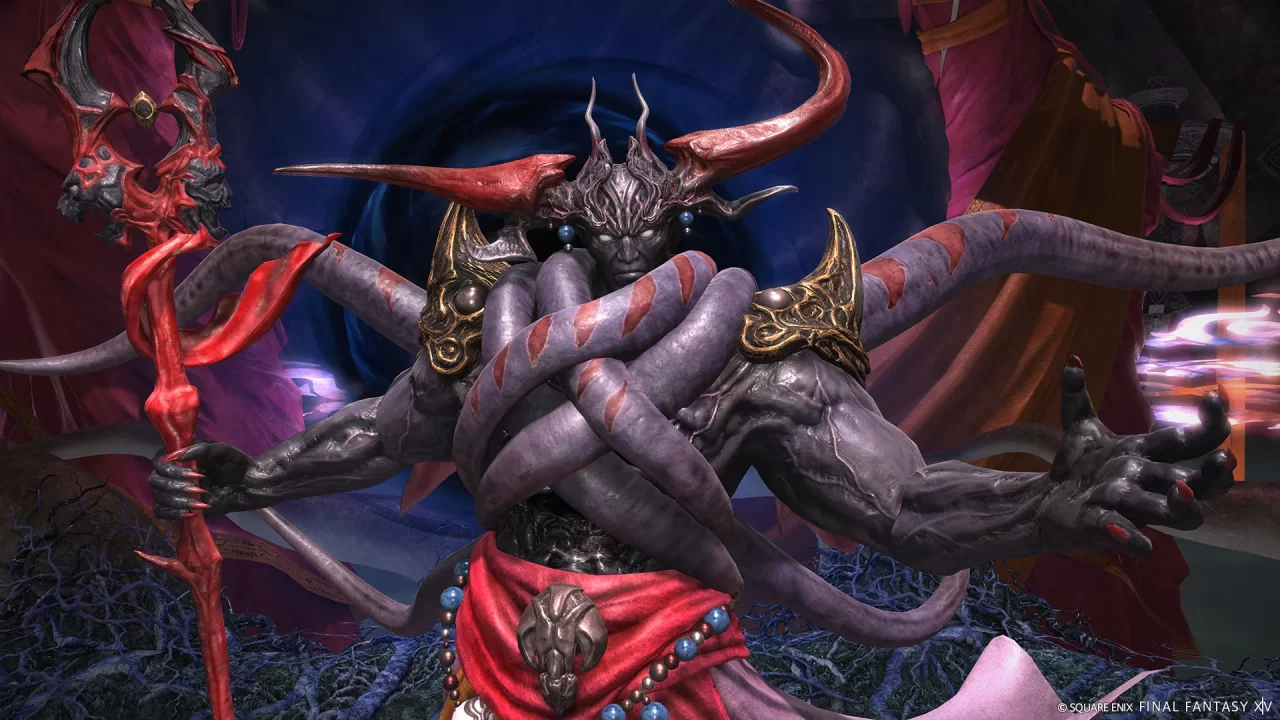
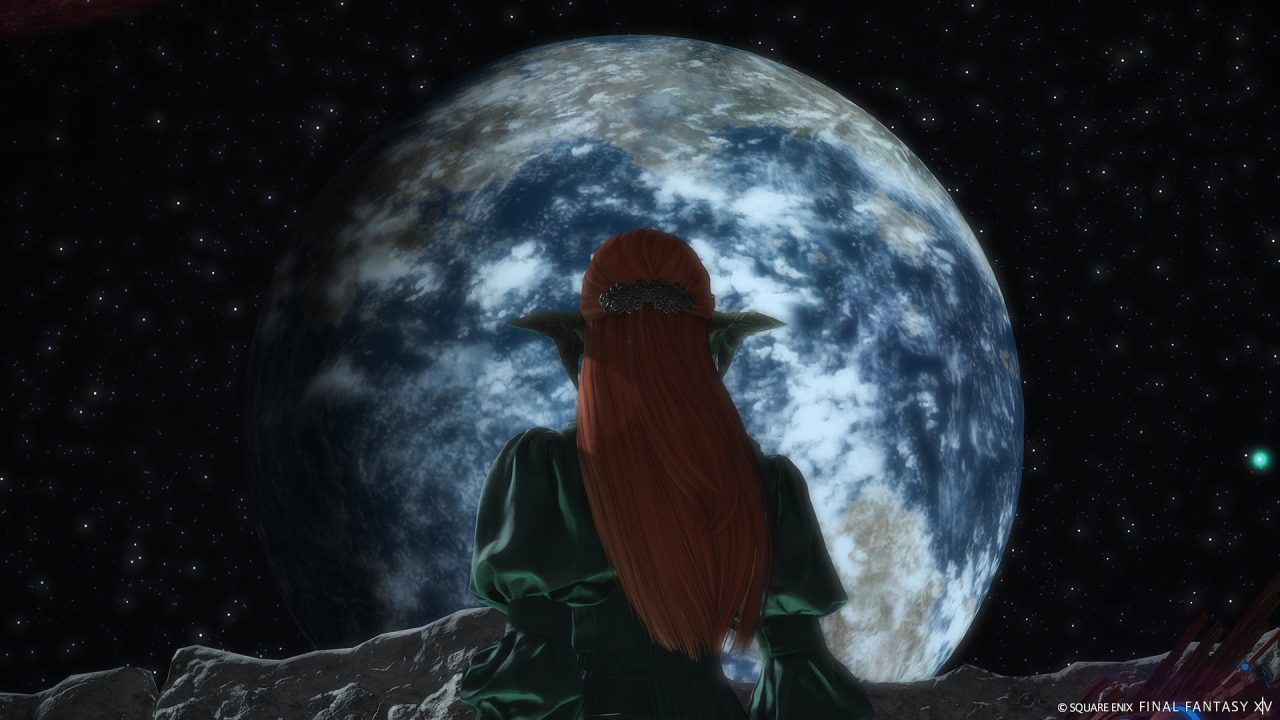
Following the Garlean excursion, the narrative pivots toward the moon. This segment offers a brief, poignant cameo from a beloved Endwalker character—a moment of levity that, while welcome, serves to remind players of the stronger emotional resonance found in previous chapters. The climax, however, takes an unexpected turn with the appearance of Enuo, the ancient antagonist from Final Fantasy V. His arrival is jarring, lacking sufficient narrative scaffolding. Upon his defeat, his relevance to the broader Dawntrail plot evaporates, leaving players to wonder if he was chosen simply to fill a quota for an epic-tier boss encounter.
Supporting Data: Combat, Mechanics, and the Sonic Landscape
Despite the narrative frustrations, the mechanical execution of Trail to the Heavens remains technically proficient. The trial boss, Enuo, provides a balanced challenge. For the standard difficulty, the fight is approachable, requiring sustained attention rather than mastery. The Extreme variant, conversely, serves as a competent "body check" for groups, punishing complacency with fast-paced, high-consequence mechanics.
A standout feature of the trial is the soundtrack. The development team continues to lean heavily into electronic dance music (EDM) influences, as evidenced by the high-octane remix of "The Final Battle"—the iconic theme of Neo-Exdeath. This sonic evolution, which has been growing since the release of the Pulse albums, continues to define the "modern" era of Final Fantasy XIV boss encounters.
The Alliance Raid: A Nostalgic Farewell to Vana’diel
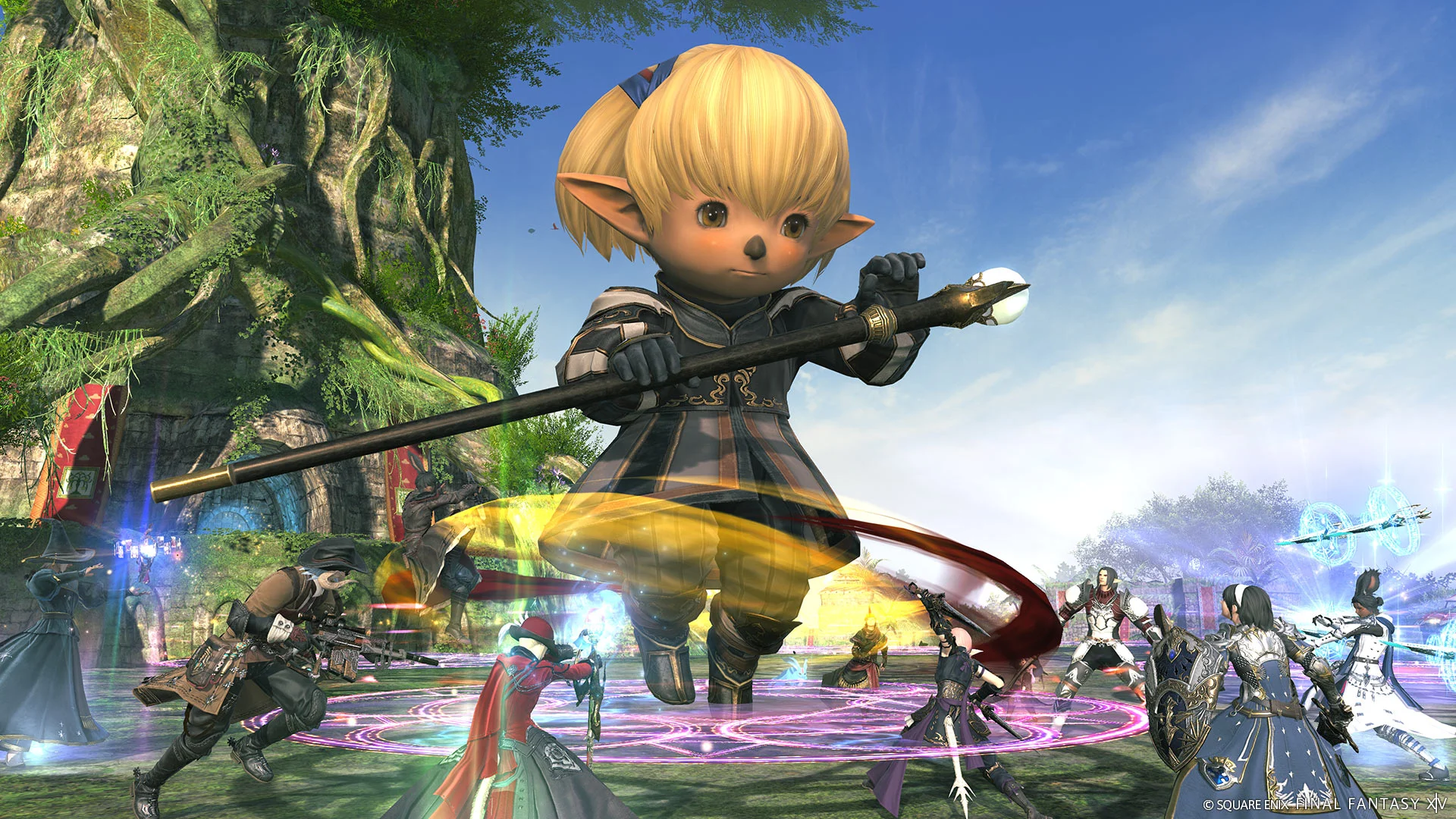
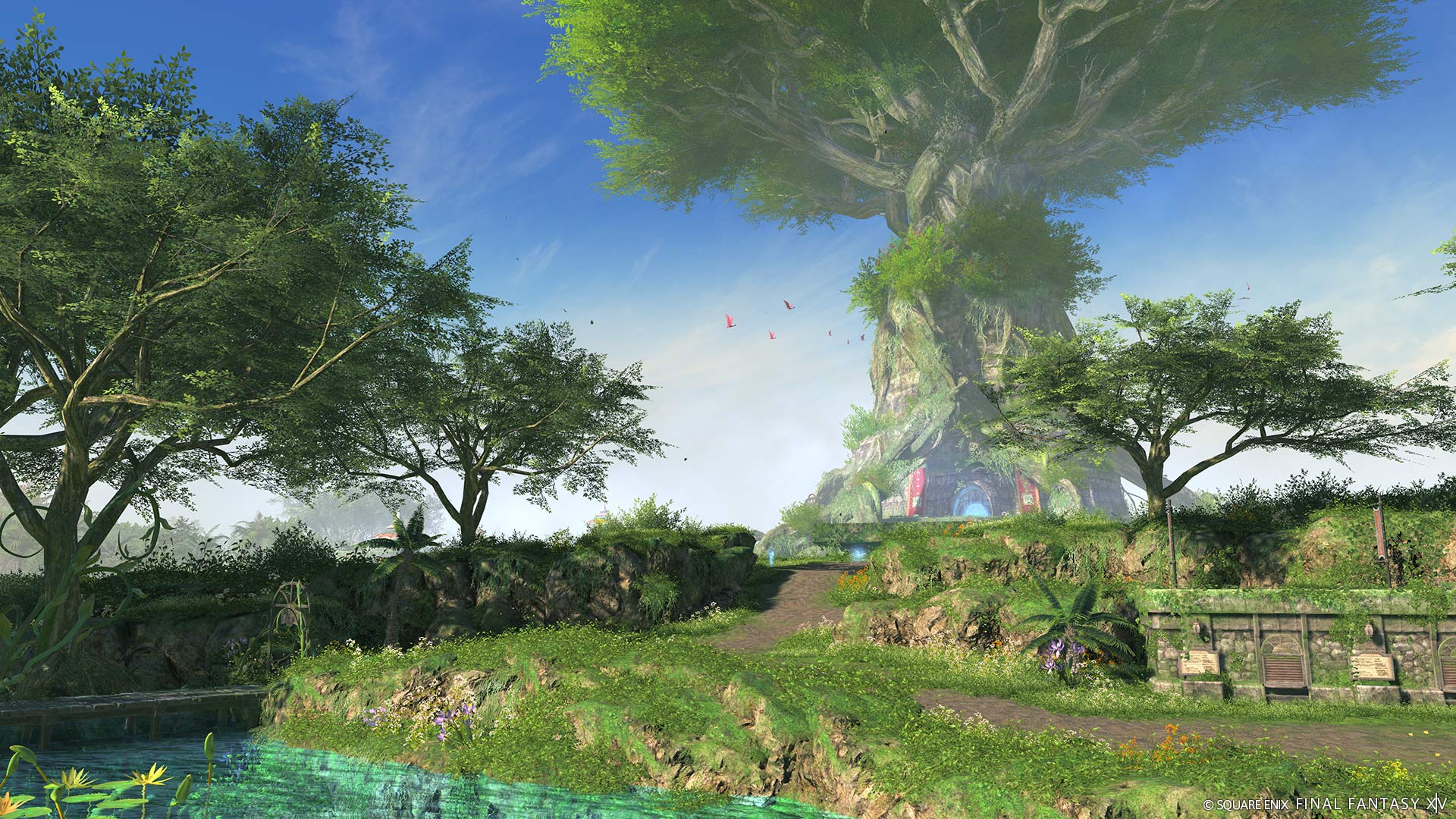
The conclusion of the Final Fantasy XI Alliance Raid series is arguably the highlight of the non-main-scenario content. By transporting players to the ethereal, iconic vistas of Windurst and the Great Star Tree, the raids manage to evoke a genuine sense of awe.
The four encounters are movement-heavy, requiring coordination and providing the most engaging gameplay loop in the entire patch. However, the narrative surrounding these raids remains thin. Beyond the inclusion of Shantotto—whose presence is an absolute delight for long-time franchise fans—the story relies on a tired trope: a villain appears, taunts the player, forces the use of "electrope recreations" of legendary figures, and then vanishes. While the ending teases a potential future excursion to the real Vana’diel, the current execution feels like a missed opportunity to fully immerse the player in the world of Final Fantasy XI.
Official Responses and Developer Intent
The development team at Creative Business Unit III has maintained a relatively tight-lipped stance on the specific reception of Dawntrail’s narrative arc, focusing instead on the technical rollout of the 7.5 content. However, the pacing of the current main scenario quests speaks volumes.
The "breakneck" speed of Trail to the Heavens is a direct response to the perceived stagnation of the mid-expansion patches. By rushing the conclusion, the team effectively corrected for the lack of narrative build-up in Into the Mist. Yet, this urgency exposes a fundamental issue: Dawntrail struggled to balance character-driven storytelling with world-building. Patches like 7.1 (Crossroads) are now widely viewed as disconnected filler that diverted resources away from the primary narrative, leaving the final patch to perform a frantic "heavy lifting" to set the stage for Evercold.
Implications: Learning from Tural
As we look toward the horizon of Evercold, the implications of Trail to the Heavens are clear. The Dawntrail era will likely be remembered as a transitional period—a "growing pains" expansion that attempted to move away from the high-stakes, cosmic melodrama of the Hydaelyn-Zodiark saga, but struggled to find a consistent identity.
The primary takeaway for the developers must be the importance of "narrative economy." If Evercold is to succeed, it must ensure that every patch feels like a meaningful contribution to the overarching story. The frustration expressed by the player base regarding the lack of focus in Dawntrail is a signal that while spectacle is vital, it cannot replace cohesive character motivation and plot progression.
The final, mysterious introduction of a new red-haired ally and her cryptic, talkative doll in the closing moments of the patch provides the first genuine spark of excitement for the future. It is a classic Final Fantasy XIV hook, and it serves its purpose: despite the shortcomings of the journey, the desire to uncover the truth of this new, frozen threat is palpable.
Final Thoughts: A Closing Chapter
Trail to the Heavens is a functional, if uneven, finale. It succeeds in delivering the mechanical thrill of high-level raiding and provides a necessary, if hurried, transition to the next chapter of the Final Fantasy XIV saga.
As we await the final, smaller installments of the main scenario in September, and the forthcoming Ultimate raid, the sentiment remains one of cautious optimism. The team at Square Enix has proven time and again that they are capable of learning from their missteps. If Evercold can synthesize the lessons learned from the pacing issues of Tural, it may well return the franchise to the narrative heights that players have come to expect. For now, we set aside our adventures in the New World, leave the tacos behind, and turn our eyes toward the cold, uncertain dawn of the next expansion.











No comments yet. Be the first to join the conversation!