

In an industry where intellectual property is the lifeblood of innovation, the security of sensitive hardware at major trade shows is paramount. Recently, the prestigious gaming convention Gamescom found itself at the center of a controversy following a series of high-profile thefts targeting independent developers. After an initial response that drew sharp criticism from the gaming community for its perceived lack of empathy and professional distance, the event’s organizers have issued a formal, contrite apology, signaling a shift in how they intend to manage exhibitor security moving forward.
The Incident: A Breach of Trust and Security
The controversy erupted during the most recent iteration of Gamescom, when reports surfaced that at least three independent exhibitors had been victimized by thieves. The incidents involved the theft of high-end laptops and gaming handhelds, which contained not just expensive hardware, but also proprietary, unfinished game builds.
The affected parties included Mimic developer Ryan Laley, the creative firm iam8bit, and Tessera Studios. The logistical reach of the thefts was notable; iam8bit and the developers stationed near them in Hall 4.1—located conveniently near the west entrance—were targeted alongside Tessera Studios, which was situated in the more isolated Hall 10.2.
For these developers, the loss was catastrophic. Ryan Laley reported the theft of a high-performance Alienware gaming laptop, while iam8bit lost two laptops. Tessera Studios suffered the loss of two laptops and a Valve Steam Deck. While the market value of these devices is significant, the true loss lies in the data stored within them. As many developers know, the theft of hardware often implies the theft of months, or even years, of creative labor.
Chronology of the Controversy
The fallout began almost immediately after the theft was reported, as exhibitors took to social media to vent their frustrations regarding both the security lapse and the initial response from the Gamescom organizers.
- Initial Discovery: Exhibitors reported their equipment missing from locked cabinets during the event, identifying vulnerabilities in booth security.
- The First Response: Gamescom organizers issued an initial statement that was quickly criticized for its bureaucratic tone. Critics argued that the company treated the event as a standard logistics failure rather than a personal and professional crisis for the affected studios.
- The Backlash: The gaming community, industry peers, and the victims themselves expressed disappointment, noting that the response failed to acknowledge the emotional and intellectual toll of losing years of work.
- The Formal Apology: Recognizing the mounting PR crisis and the legitimate grievances of the developers, the Gamescom organizing committee took to X (formerly Twitter) to issue a formal apology, admitting that their first attempt at communication was inadequate.
- The Corrective Measures: Following the apology, the organizers announced a series of post-event reviews, security audits, and outreach programs aimed at reconciling with the victims and preventing future breaches.
The Weight of the Loss: Beyond Hardware
To understand why the developer community reacted so viscerally to the theft, one must look past the price tag of the stolen electronics. In the world of independent game development, a laptop is an extension of the developer’s mind. It contains source code, unreleased assets, proprietary engine modifications, and, most importantly, the vision for the final product.
When hardware is stolen, the threat of leaks becomes a primary concern. The industry has seen numerous instances where unfinished, buggy, or unpolished "builds" are leaked online, leading to toxic speculation, premature judgment by the public, and, in some cases, the total destruction of a game’s marketing narrative. The "heartbreak" associated with such an event is not mere hyperbole; it is the professional equivalent of having one’s house broken into while the family photos are being stolen.
Even with modern cloud-based backup solutions and external SSDs, the immediate impact on a team’s ability to present their work at a live show—the very reason they attended Gamescom—is debilitating. The stolen units represented the culmination of years of hard work intended for exhibition, and their disappearance rendered the developers unable to showcase their games to potential publishers and fans.
Official Responses and the Path to Reform
The apology issued by Gamescom was notable for its shift in tone. Rather than focusing on legal disclaimers or operational protocols, the statement explicitly acknowledged the human element of the tragedy.
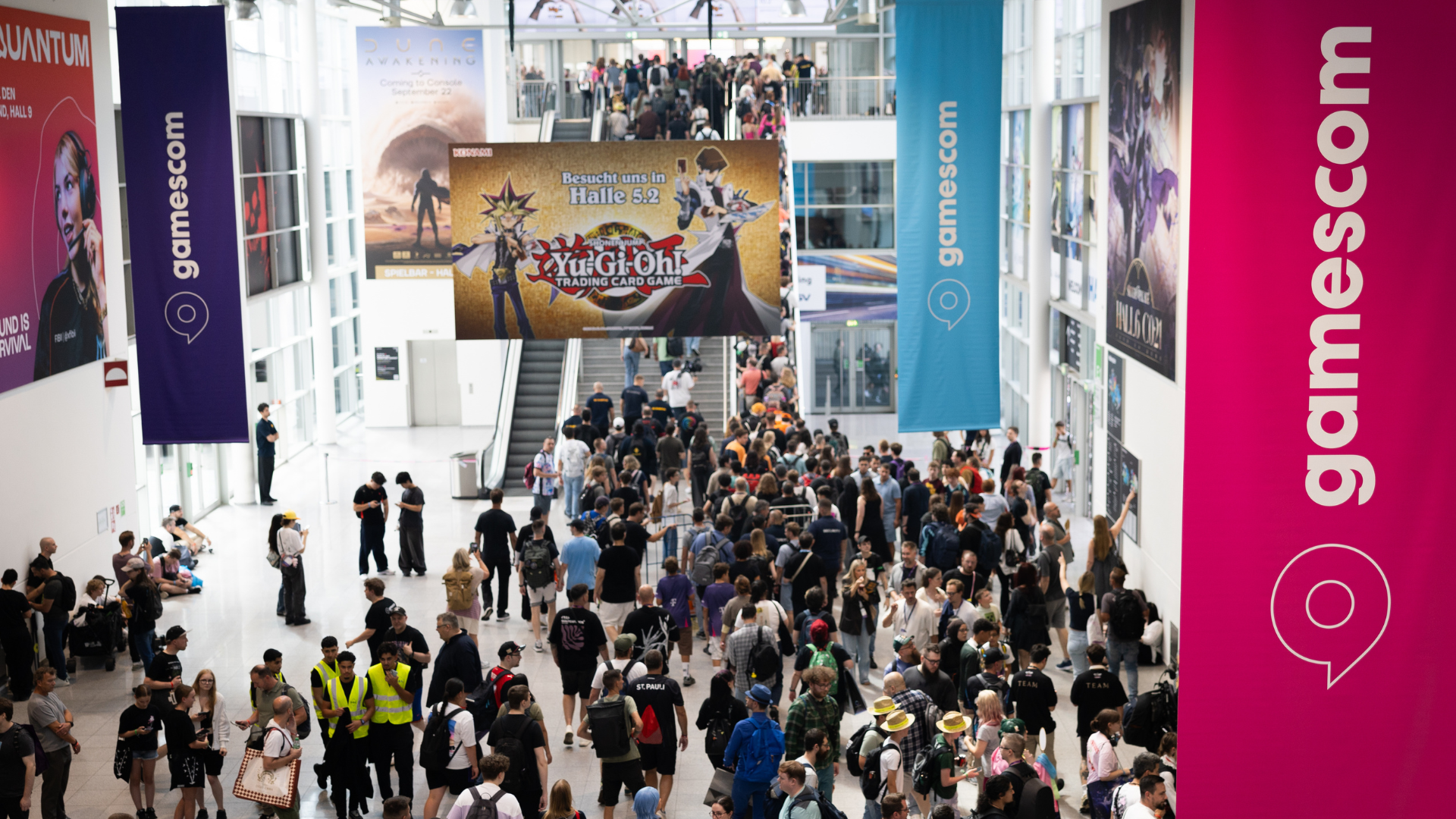
"Over the past few days, we have received a great deal of criticism for the way we communicated about the theft of hardware belonging to several indie developers," the statement read. "That criticism is justified. Our first response did not strike the right tone, and it did not show the people affected the empathy they deserved. We are sorry."
The organizers went further, admitting that the theft was "far more than a material loss." They recognized that for small studios, a single stolen device could represent the end of a project. By validating the experience of the victims, Gamescom attempted to regain the trust of the indie community.
To move from words to action, the organization has initiated several key steps:
- Direct Outreach: Organizers have been in active contact with the affected parties to understand the full scope of the impact and discuss potential restitution or support.
- Internal Security Review: A comprehensive review of the event’s security protocols is underway. This includes evaluating how exhibitors are protected during non-public hours and how access to booth areas is monitored.
- Indie Roundtable: Perhaps most significantly, Gamescom has pledged to invite organizers of shared indie booths to a roundtable discussion. This collaborative approach is intended to ensure that future security measures are practical and effective for the specific needs of smaller developers, rather than being imposed from the top down.
Industry Solidarity and the Wider Implications
The response from the broader gaming industry served as a silver lining to an otherwise dark event. Within hours of the news breaking, developers, publishers, and hardware manufacturers reached out to the victims to offer assistance. This included everything from loaning replacement hardware to offering cloud storage support and technical assistance.
Gamescom acknowledged this, noting, "We have also been moved by how this industry responded. Within hours, people offered help—unconditionally, and without being asked. That says a great deal about this community, and we are grateful for it."
However, the organizers were careful to state that the industry’s generosity does not absolve them of their duty. The core of the matter is the "duty of care" that a convention organizer owes to its exhibitors. As Gamescom continues to scale in size and influence, the complexity of securing thousands of booths becomes exponentially more difficult. The theft incident serves as a wake-up call for large-scale trade shows globally.
Conclusion: Setting a New Standard for Security
The incident at Gamescom 2026 will likely serve as a case study for event organizers for years to come. It highlights the tension between the "open" nature of trade shows, which are designed to foster connection and display, and the "closed" requirements of high-value asset protection.
By taking accountability and engaging in a dialogue with the affected developers, Gamescom has taken the first step toward restoring its reputation. However, the true test will be the implementation of the proposed security reforms. The indie community, which often operates on thin margins and high passion, requires more than just apologies; they require an environment where they can share their creativity without the fear that their life’s work will be compromised by a security oversight.
As the industry moves forward, the focus must remain on the human element of technology. Whether it is an indie developer showing a game for the first time or a major publisher launching a flagship title, the physical and digital safety of their work is the foundation upon which the success of events like Gamescom rests. The organizers have promised to do better, and for the sake of the developers whose work was stolen, the industry will be watching closely to see if they can deliver on that promise.











