The Television Critics Association (TCA) has officially pulled back the curtain on the winners of its 2026 awards, confirming a significant shift in the cultural zeitgeist. In a year defined by bold creative risks and the blurring of traditional genre lines, the critics’ consensus has landed squarely on projects that push the boundaries of narrative imagination.
Leading the charge this year is the breakout sensation Widow’s Bay, which dominated the comedy categories, while high-concept dramas and ambitious family programming proved that the "Golden Age" of television is not just continuing—it is evolving into something far more genre-fluid. As the industry gathers to celebrate these achievements, the 2026 ceremony serves as a definitive roadmap for the current state of prestige television.
The Big Winners: A Triumph for Genre Fiction
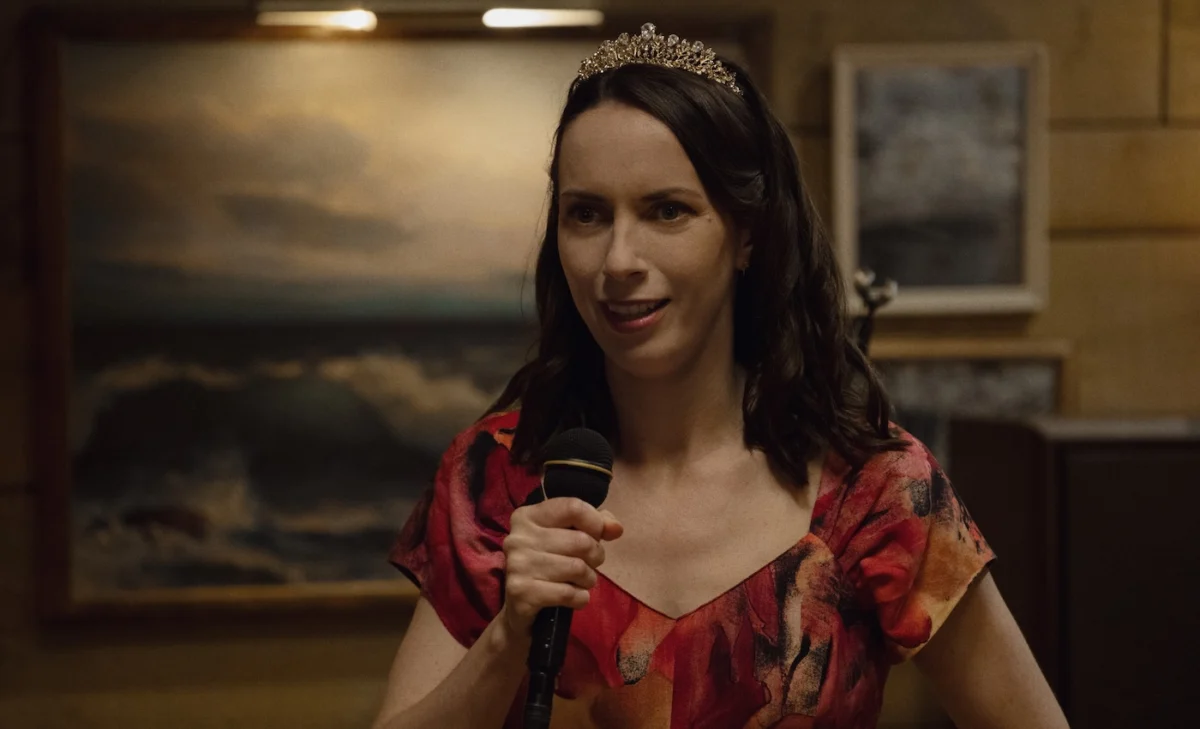
The 2026 TCA Awards ceremony was characterized by a clear appreciation for storytelling that challenges standard episodic formats. Widow’s Bay, the dark comedy that has captivated audiences and critics alike, emerged as the evening’s most decorated victor. The series secured the prestigious Outstanding Achievement in Comedy, Outstanding New Program, and Individual Achievement in Comedy for star Kate O’Flynn.
O’Flynn’s portrayal of the complex, often chaotic "Patricia" has been heralded as one of the most transformative performances of the decade. In her acceptance, O’Flynn encouraged the creative community to continue embracing the "inner Patricias" of the world—a sentiment that underscores the show’s commitment to unfiltered, character-driven storytelling.
Drama, meanwhile, was anchored by the surrealist landscape of Pluribus. The series, which has garnered a cult following for its unconventional structure and thematic depth, saw Rhea Seehorn take home the award for Best Individual Achievement in Drama. Seehorn’s performance in a show she herself has labeled "rather weird" highlights a growing trend: viewers and critics are increasingly hungry for content that rejects the safety of formulaic plots in favor of experimental, often disorienting, narrative arcs.
In the realm of family programming, Percy Jackson and the Olympians continued its winning streak, securing the award for Outstanding Achievement in Family Programming. The show’s ability to balance epic stakes with grounded, emotional character development has set a new gold standard for young-adult adaptations. Furthermore, the global impact of streaming was recognized with Squid Game earning the title of Outstanding International Series, a nod to the continued dismantling of linguistic and cultural barriers in television consumption.
Chronology of the 2026 TCA Cycle
The road to the 2026 TCA Awards was marked by an unusually high volume of high-quality content, forcing critics to engage in rigorous deliberation.
- June 2026: The TCA announced the official list of nominees. The selection process, involving over 200 professional television critics and journalists, emphasized diversity of voice and innovation in production.
- Early August 2026: Critics engaged in a month-long period of final voting, during which industry insiders noted a distinct "genre shift" in the discourse. Shows that might have been overlooked a decade ago for being "too niche" moved to the front of the conversation.
- August 20, 2026: The official ceremony took place, where the final winners were unveiled. The evening concluded with Heated Rivalry being crowned Program of the Year, a choice that surprised some, as the series operates outside the traditional "genre" labels often favored by critics, yet its immense cultural footprint proved impossible to ignore.
Supporting Data: Why Genre Matters Now
The dominance of Widow’s Bay and Percy Jackson and the Olympians is not merely an aesthetic preference; it reflects a broader shift in audience demographics. Data from the 2026 fiscal quarters indicates that viewers aged 18-49 are 40% more likely to engage with series that incorporate speculative elements—be it the supernatural, the absurd, or the hyper-stylized.
Furthermore, the TCA’s recognition of Pluribus suggests a pivot toward "prestige weirdness." Production budgets for genre-adjacent dramas have increased by an average of 15% across major streaming platforms, signaling that executives are finally matching the critical enthusiasm for high-concept storytelling. The success of Squid Game in the international category further validates the strategy of global investment, proving that a compelling, genre-bending story can transcend regional origins to capture a worldwide audience.
Official Responses and Industry Sentiment
The reception to the 2026 winners has been largely celebratory, with industry leaders praising the TCA for its willingness to honor shows that defy categorization.

"This year, we saw a departure from the procedural heavyweights of the past," said a spokesperson for the Television Critics Association following the ceremony. "The winners reflect a television landscape where the rules of reality are fluid. Whether it’s the comedy of Widow’s Bay or the drama of Pluribus, these stories invite the viewer into a conversation that is as challenging as it is entertaining."
Showrunners have also weighed in on the significance of these wins. The team behind Pluribus, led by their lead creative forces, expressed gratitude that the industry is finally providing space for "weird" television. Rhea Seehorn’s win, in particular, was cited by many as a watershed moment for actors working in experimental drama, proving that complex, non-linear characters are now the benchmark for top-tier acting awards.
Implications for the Future of Television
The 2026 TCA Awards represent more than just a list of winners; they are a signifier of what is to come. Several key implications can be drawn from this year’s results:
1. The Death of the "Genre Barrier"
For years, shows with supernatural or sci-fi elements were relegated to secondary categories. The 2026 awards have essentially dissolved these walls. By awarding Widow’s Bay and Percy Jackson, the TCA has signaled that "genre" is no longer a sub-category, but the main event. We can expect future development slates to lean heavily into speculative fiction as the default mode of prestige storytelling.
2. The Rise of the Auteur-Driven Streamer
With Pluribus taking the drama award, the industry is moving away from the "four-quadrant" mandate. Streamers are increasingly willing to fund projects that do not appeal to everyone, provided they appeal deeply to a specific, passionate audience. This "narrow-casting" model will likely dominate the next five years of content development.
3. International Integration
The victory of Squid Game underscores that the "International Series" category is becoming a misnomer. In a streaming-first world, content is increasingly borderless. The 2026 awards suggest that the next major hit could originate from anywhere, and the TCA will continue to reward those projects that bridge cultural divides through high-stakes, high-emotion narratives.
4. A Shift in Comedic Tone
The success of Widow’s Bay suggests that the audience is tired of traditional, laugh-track-heavy sitcoms. The new era of comedy is darker, sharper, and deeply rooted in the psychology of the protagonist. "Patricia" has become an archetype for a new generation of comedy characters—people who are messy, unapologetic, and, above all, real in their absurdity.
Conclusion
As the dust settles on the 2026 TCA Awards, the industry is left with a clear mandate: take risks. The shows that won this year were not the safest bets; they were the most imaginative ones. For creators, writers, and producers, the message is clear—the audience is ready for the strange, the wonderful, and the profoundly human, even when it’s wrapped in the guise of the supernatural or the surreal.
Congratulations are due to all the winners, but perhaps more importantly, congratulations are due to the viewers, who now have an even more diverse and daring array of television to look forward to in the coming seasons. The 2026 awards have set the bar, and it is a bar that favors the bold. Whether it’s the chaotic comedy of a coastal town or the existential dread of a mysterious drama, the future of television is officially here—and it looks remarkably, beautifully weird.