This article contains major spoilers for House of the Dragon Season 3 and George R.R. Martin’s Fire & Blood.
The sprawling, intricate tapestry of George R.R. Martin’s Fire & Blood has long been regarded by fans of House of the Dragon as a sacred text. Yet, as the HBO adaptation moves deeper into its third season, the creative team has signaled a willingness to prune and reshape that history. The most recent—and arguably most controversial—departure involves Rhaena Targaryen, whose narrative arc has been fundamentally altered to absorb the role of a fan-favorite character from the source material.
By tasking Rhaena with the taming of the wild dragon Sheepstealer, showrunners have moved away from the established lore of Nettles, a decision that has sparked intense debate among viewers. To understand the gravity of this change, one must look at the narrative architecture of the series, the motivations of its creators, and the long-term implications for the Targaryen civil war, known as the Dance of the Dragons.
The Convergence of Narratives: The Core Facts
In the original text of Fire & Blood, Sheepstealer is one of the three "wild" dragons living on Dragonstone, known for his penchant for raiding the island’s sheep pens. In the book, the dragon is claimed by a young girl of humble origins named Nettles. Her method of taming the beast—feeding it carcasses over several weeks until a bond is formed—is a testament to the idea that dragon-taming is not solely the province of high-born Valyrian bloodlines.
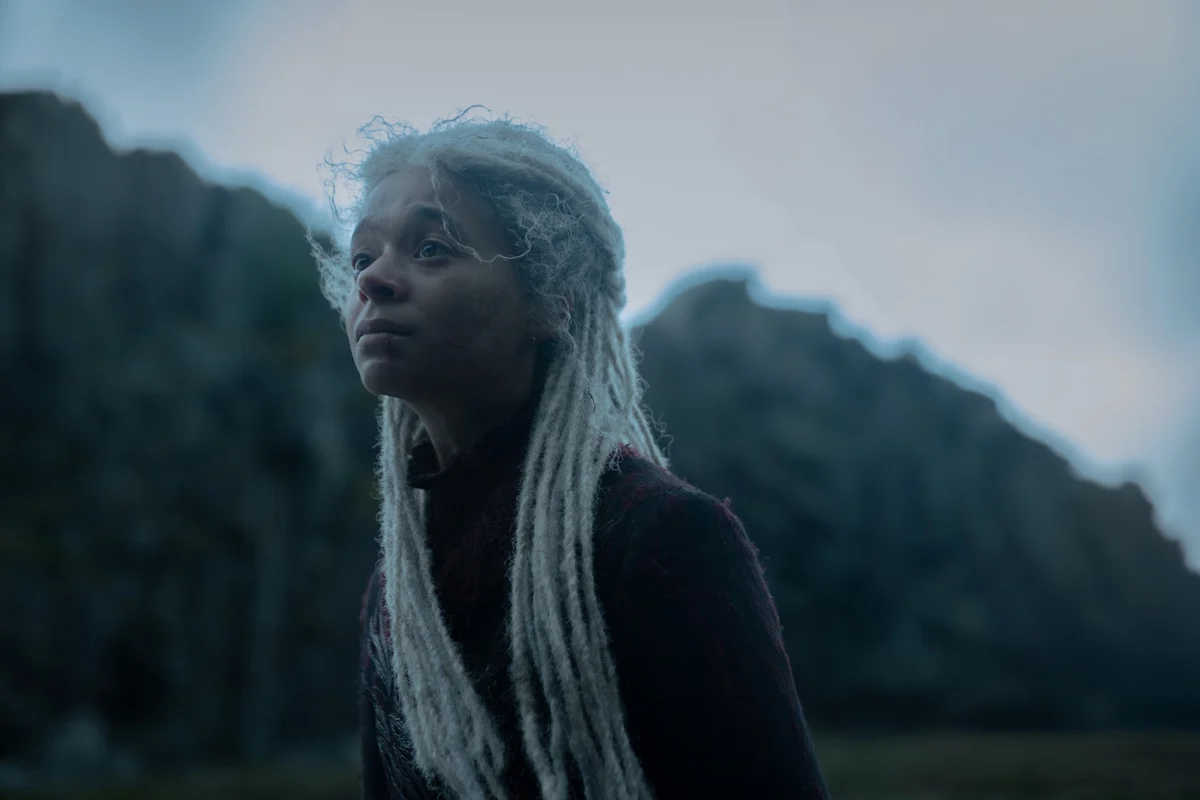
In House of the Dragon Season 3, this entire sequence has been transposed onto Rhaena Targaryen. The show depicts her search for a dragon and her eventual encounter with the "Grey Ghost" or Sheepstealer, replacing the mystery of the "Dragonseeds" (those who claim dragons during the war) with an internal family dynamic. Daemon Targaryen, upon discovering Rhaena’s success, chooses to conceal this development from Queen Rhaenyra. This act of deception serves as the primary catalyst for the current season’s tension, setting in motion a series of events that diverge sharply from the established historical account.
A Chronology of Change
The shift from the book to the screen did not happen in a vacuum. For two seasons, the show meticulously built up the status of the dragon-less Rhaena.
- Season 1 & 2: Rhaena was portrayed as a character defined by her longing for a dragon, often relegated to the background while her siblings and cousins rode mighty beasts like Caraxes or Syrax. This created a profound emotional deficit for the character, positioning her as an outsider within her own house.
- The Transition: As the production moved into the development of the third season, the writers faced a dilemma: introduce a new, complex character in Nettles, who would require significant screen time to establish, or utilize an existing character to fill the void.
- The Reveal: By choosing Rhaena, the show effectively consolidates the narrative. The decision to have Daemon "discover" her and lie to Rhaenyra creates an immediate, character-driven conflict that serves as the centerpiece for the current season’s political fallout.
Analyzing the Creative Departure
To many, the exclusion of Nettles feels like a loss of one of the most compelling aspects of the Fire & Blood lore. Nettles represents the "smallfolk" perspective, a reminder that the Targaryen magic is not strictly tied to the blood of the dragonlords. However, the showrunners argue that this streamlining is necessary for the medium of television.
The Problem of Pacing and Scope
Adapting a historical chronicle like Fire & Blood requires a shift in focus from broad, objective historical events to intimate, subjective character arcs. The writers have argued that introducing a new character midway through the series, particularly one whose relationship with Daemon becomes a source of deep emotional turmoil, would complicate the established dynamics between Rhaenyra and her husband.
By centering this arc on Rhaena, the writers ensure that the drama remains tethered to the core family unit. This keeps the stakes "in the family," which aligns with the show’s broader thematic focus on how the internal decay of the Targaryen dynasty is, fundamentally, a domestic tragedy.
Official Perspectives: Ryan Condal’s Rationale
In a recent interview with IGN, showrunner Ryan Condal provided the most detailed insight into the creative philosophy behind these changes. Condal addressed the "extreme strife" that the dragon-rider’s identity causes for the marriage of Rhaenyra and Daemon.
"We knew that Sheepstealer’s rider… causes extreme strife for Daemon and Rhaenyra’s relationship," Condal explained. "And that was sort of the place that we started in. It felt like pairing a wild dragon with a lady of noble blood that then becomes somewhat feral herself, which is a very interesting story to tell."
Condal’s comments reveal a desire to deepen Rhaena’s character. By having her tame a wild, unpredictable beast, the writers are forcing her to evolve from a neglected princess into a "feral" force of nature. Furthermore, Condal addressed the controversial omission of the "infidelity" storyline that the book implies between Daemon and Nettles. He noted that the writers felt such a plot point would be a bridge too far for the audience, given the emotional journey Rhaenyra and Daemon have endured.
"I think the audience really wants to see this couple work out," Condal remarked, "but they both have inextricable natures to them that they can only get so far away from."
The Implications for the Dance of the Dragons
The decision to pivot to Rhaena has profound ripple effects for the remainder of the series.
1. The Erosion of Trust
Daemon’s lie to Rhaenyra is not merely a tactical error; it is a fundamental breach of their shared governance. By protecting Rhaena, Daemon is acting in a way that is uncharacteristically "self-interested" yet parental. This creates a fascinating paradox: the Rogue Prince, often defined by his ego and ambition, is now making choices that prioritize his legacy and his bloodline over his political alliance with the Queen.
2. The Shift in Power Dynamics
In the books, the inclusion of dragonseeds like Nettles changes the balance of power on Dragonstone. By removing the independent agent of Nettles and replacing her with a Targaryen, the show maintains the "Targaryen-centric" focus of the conflict. However, this also means that the tension between the "noble" dragonriders and the "common" dragonriders is effectively stripped away. The show is choosing to emphasize the psychological toll of the war on the family rather than the sociological implications of the dragon-taming process.
3. Future Narrative Stakes
As the season progresses, the consequences of Rhaena riding Sheepstealer will likely manifest in how the other factions view her. If she is seen as a wildcard, her presence on the battlefield will change the military strategy of the Black faction. Furthermore, the secrecy surrounding her bond with the dragon creates a ticking clock; once Rhaenyra learns of the deception, the repercussions could be catastrophic for the stability of the Dragonstone court.
Conclusion: Adaptation vs. Authenticity
The debate over House of the Dragon’s departures from Fire & Blood is a microcosm of the larger struggle in modern fantasy adaptation. Is it better to remain strictly faithful to the source text, even if it leads to pacing issues or disjointed character arcs? Or is it more "authentic" to the spirit of the story to make bold changes that prioritize emotional resonance and narrative cohesion?
By choosing to make Rhaena the rider of Sheepstealer, the showrunners have prioritized the internal evolution of the Targaryen family. They have effectively transformed a subplot about a mysterious commoner into a critical turning point for one of the show’s most underutilized characters. Whether this gamble pays off will depend on the final acts of the Dance, but for now, the change stands as a bold, if divisive, assertion of the show’s own identity.
As we look toward the remainder of the season, it is clear that the writers are not interested in merely transcribing history. They are, much like the dragons themselves, attempting to forge something new from the embers of the past—a process that is as dangerous as it is transformative. The ripple effects of this decision will surely define the legacy of House of the Dragon long after the last of the dragons have fallen.