Nana Wu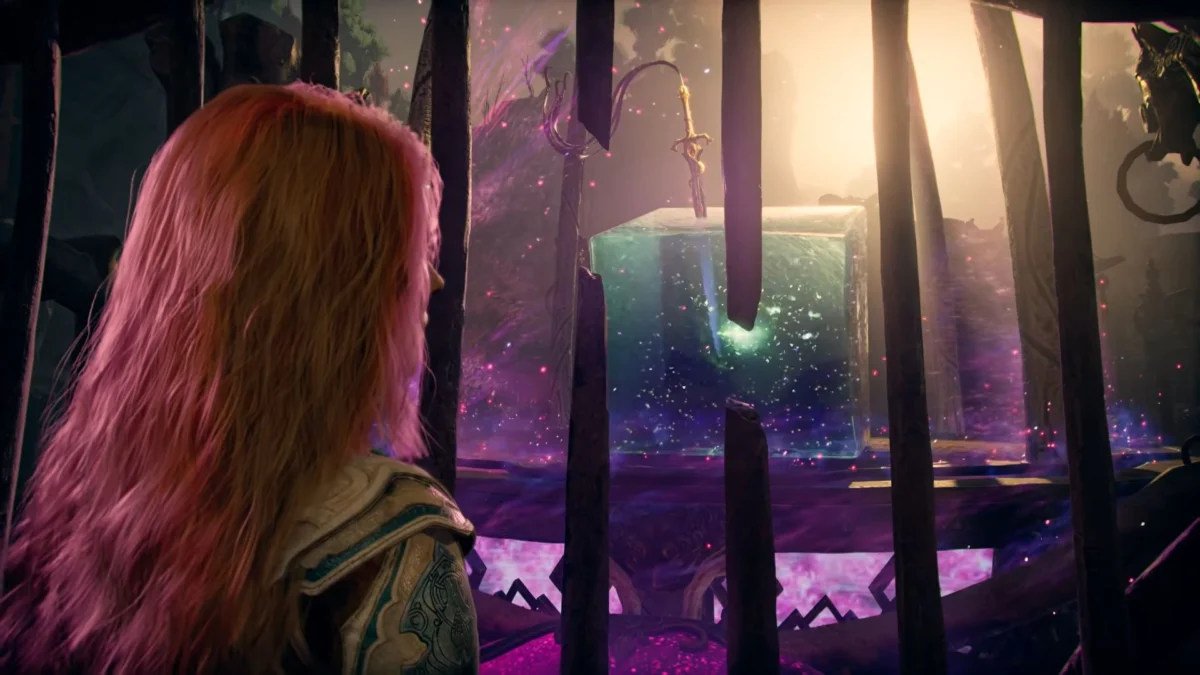
The June 2026 Sony State of Play event was, by most accounts, a reserved affair—until the final moments. As the broadcast neared its conclusion, the screen erupted with the iconic, thunderous score associated with Santa Monica Studio’s flagship franchise. However, instead of the stoic visage of Kratos, players were greeted by a figure long shrouded in myth: Laufey the Just, Kratos’ late wife. Yet, while the revelation of God of War: Laufey sent shockwaves through the community, it was not the titular heroine who dominated the post-show discourse. That honor belonged to her unexpected, semi-translucent companion: a sentient, sword-wielding gelatinous cube named Phranque.
The Genesis of a New Mythology
God of War: Laufey marks a significant departure from the established trajectory of the series. By stepping away from the Norse realms and venturing into the "Everywhen"—a metaphysical afterlife plane described as the crossroads of all pantheons—Sony has opened the door for a more experimental narrative. The trailer reveals Faye, reprised by the acclaimed Deborah Ann Woll, in a precarious position. Captured by Sekhmet, the Egyptian Goddess of War, she finds herself languishing in a celestial prison.
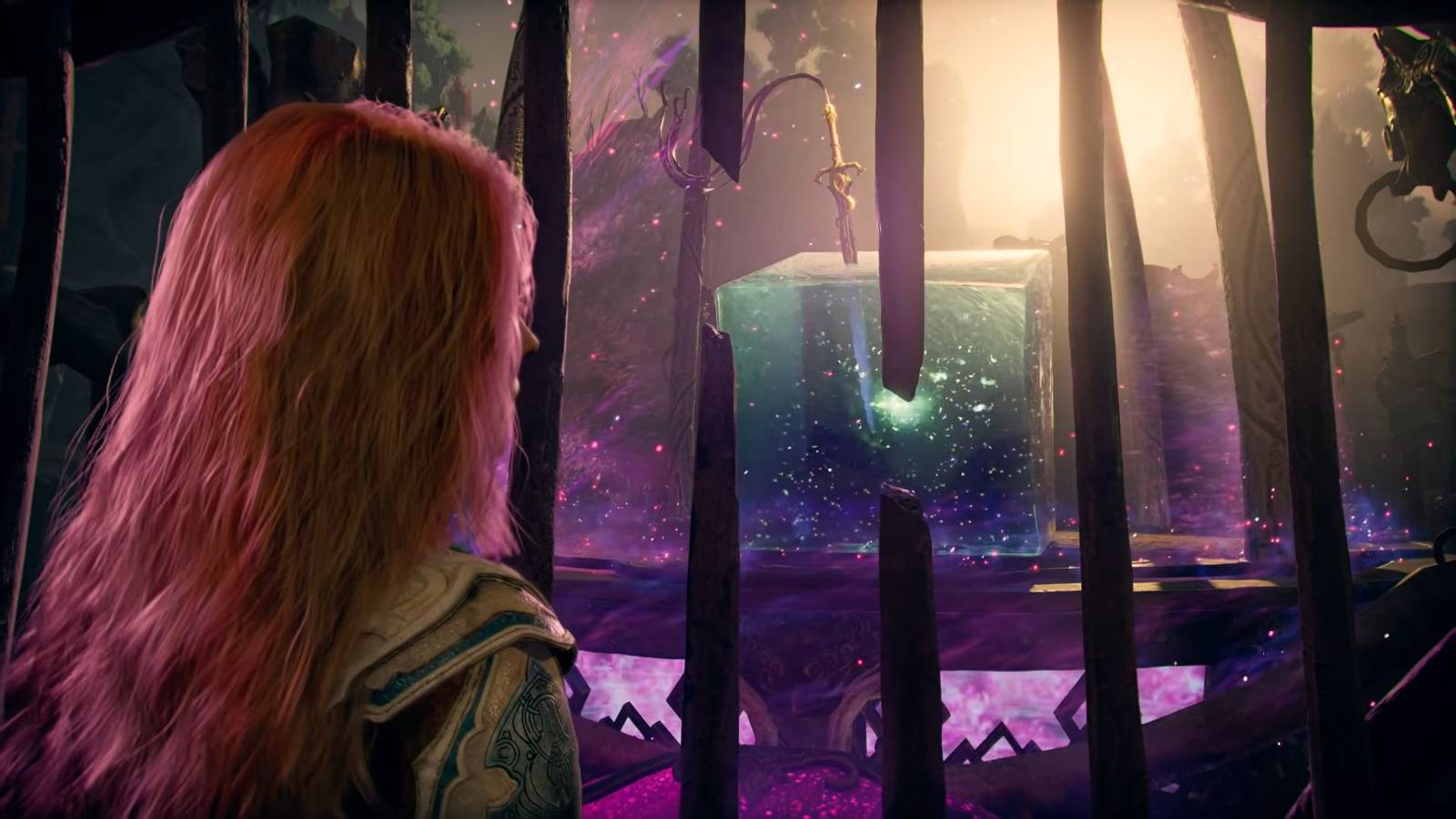
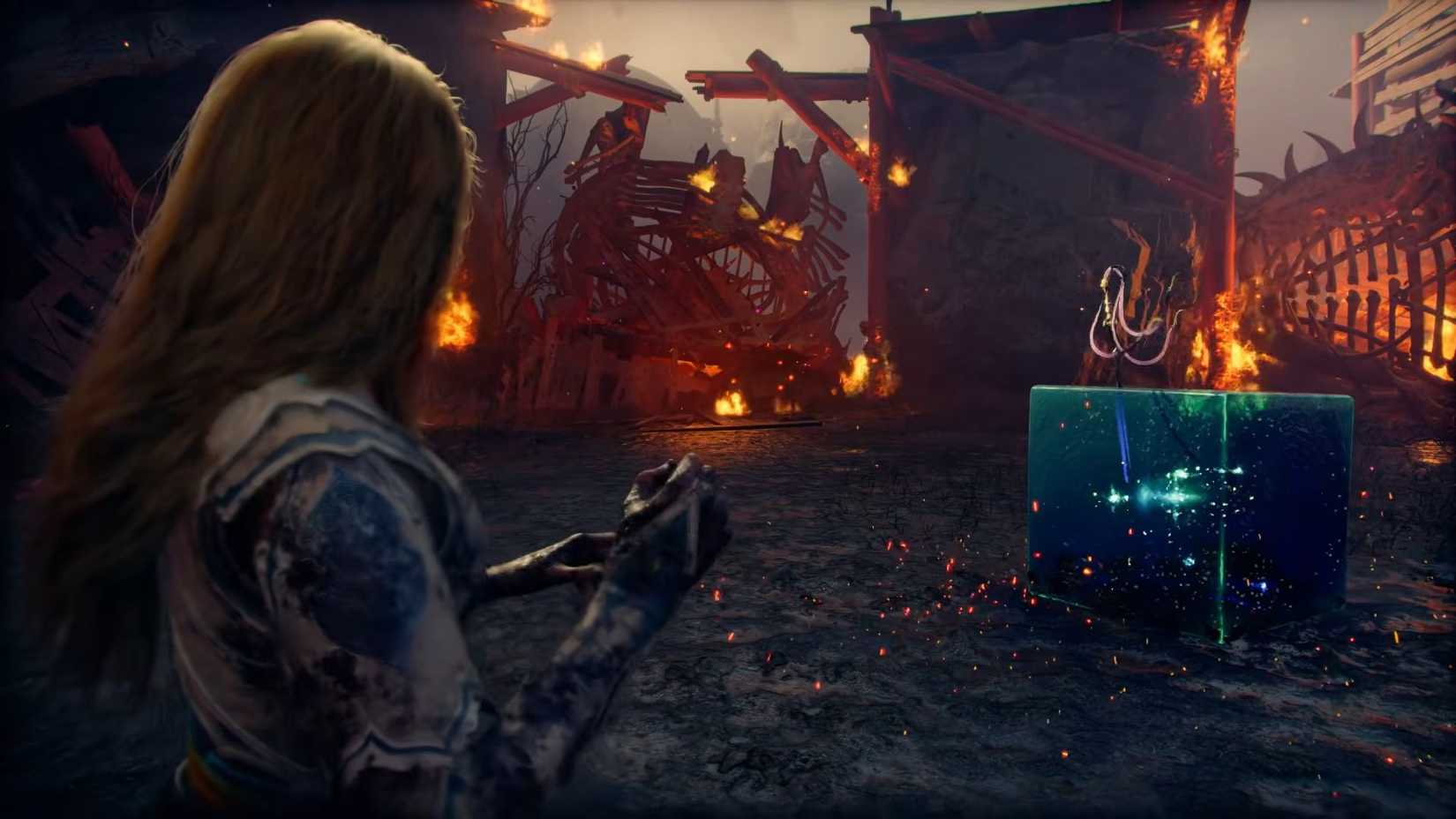
It is within the confines of this otherworldly dungeon that the game’s true breakout star makes his debut. Stranded in an adjacent cell, Phranque appears as a sentient blob of shifting, iridescent goo. Despite lacking a traditional face or humanoid physiology, the creature exudes an undeniable, magnetic charisma, voiced with surprising gravitas by Jack Quaid.
A Chronology of the Reveal
The transition from the reveal to the gameplay demonstration was swift, showcasing a combat system that appears to blend Faye’s acrobatic, blade-focused agility with Phranque’s unique, physics-defying abilities.
- The Tease: The trailer begins with a somber, atmospheric exploration of the Everywhen, establishing the stakes of Faye’s captivity.
- The Introduction: Faye discovers the cube, who identifies himself as Phranque. Initially presented as a mere utility—a weapon rack of sorts holding a mystical sword—he quickly establishes himself as a tactical partner.
- The Synergy: During a breakout sequence against Sekhmet’s constructs, the gameplay highlights a "Duo-Flow" system. Faye utilizes her speed and combat prowess, while Phranque provides crowd control, defensive barriers, and—most shockingly—stealth capabilities that dwarf anything seen in previous God of War entries.
- The Statement: By the time the title card flashed, featuring both Faye and Phranque in equal billing on the cover art, it was clear: this was not just a side-story. It was a partnership.
Supporting Data: Why the Cube Works
To understand the obsession surrounding Phranque, one must look at the mechanical innovations he brings to the table. In previous entries, the series relied on Kratos’ raw power and Atreus’ projectile support. Phranque, however, represents a shift toward environmental and tactical utility.
The "Squeeze Factor"
One of the most discussed features of the reveal is Phranque’s ability to navigate tight spaces. While the series has often been criticized for its "shimmying" sequences or narrow-gap traversal, Phranque’s amorphous form allows him to scout ahead, infiltrate small vents, and reach objectives that are otherwise inaccessible to bipedal characters. This introduces a "metroidvania" layer to the God of War exploration loop that has been largely absent since the series moved to a third-person over-the-shoulder perspective.

Archetypal Subversion
In the realm of tabletop RPGs, the gelatinous cube is often the butt of the joke—a static, mindless hazard that players inevitably defeat with ease. By elevating a creature typically reserved for "trash mob" status to a main character, Sony is playing with player expectations. Phranque is not a monster; he is a hero. This subversion of the Dungeons & Dragons trope has resonated deeply with the gaming community, turning a simple, "silly" character into a symbol of narrative ingenuity.
Industry Implications and Official Responses
While Sony has been tight-lipped regarding the specific lore behind Phranque, the response from the creative team has been overwhelmingly positive. Lead designers have suggested that the character’s development was born from a desire to make the "Everywhen" feel truly alien.
"We didn’t want the afterlife to feel like just another set of mountains or forests," stated a lead developer during the post-show press round-table. "We needed a companion for Faye that didn’t just feel like a human with a different skin. Phranque represents the infinite possibilities of the mythic cosmos."
The industry reaction has been equally polarized. Some traditionalists argue that the inclusion of a sentient cube undermines the gritty, grounded tone established by the 2018 God of War reboot. However, the majority of the critical response has lauded the move as a necessary evolution. By introducing such a whimsical character, Santa Monica Studio is effectively preventing the franchise from stagnating under the weight of its own solemnity.
The Cultural Impact: "A Taste of the Slime"
The internet has wasted no time in embracing Phranque. Within hours of the trailer’s debut, #PhranqueTheCube was trending on social media. Fan art, memes, and even speculative theory videos regarding his origin—some suggesting he may be a shattered fragment of a primordial god—have proliferated across Reddit and X (formerly Twitter).
The "silly" spelling of his name has also become a point of contention and endearment. While some users have critiqued the decision to include an unnecessary "h" and "u," others view it as a deliberate choice to distinguish him from generic slimes found in franchises like Dragon Quest or Pokémon.
Looking Ahead: The Future of the Franchise
The announcement of God of War: Laufey serves as a bridge between the old guard of the series and a new era of experimental gameplay. By centering the narrative on the dynamic between a legendary warrior like Faye and an unpredictable entity like Phranque, the developers are signaling that the God of War IP is no longer tethered to the singular archetype of the "Angry God."
As we look toward the game’s release, the central question remains: can Phranque carry the weight of a franchise that has, for nearly two decades, been defined by the tragedy of Kratos? If the initial response to the State of Play is any indication, the audience is more than ready for a change. The "gelatinous revolution" is upon us, and if the early gameplay is to be believed, this humble cube might just be the most important character Sony has introduced in the last ten years.
Whether he is a plot device, a tactical companion, or a harbinger of a lighter, more varied tone for the series, one thing is certain: Phranque is here to stay. And if the YouTube comment sections are any indication, the fans are already begging for more—or, as they’ve coined it, "a taste of the slime."


 Asro
Asro