Muslim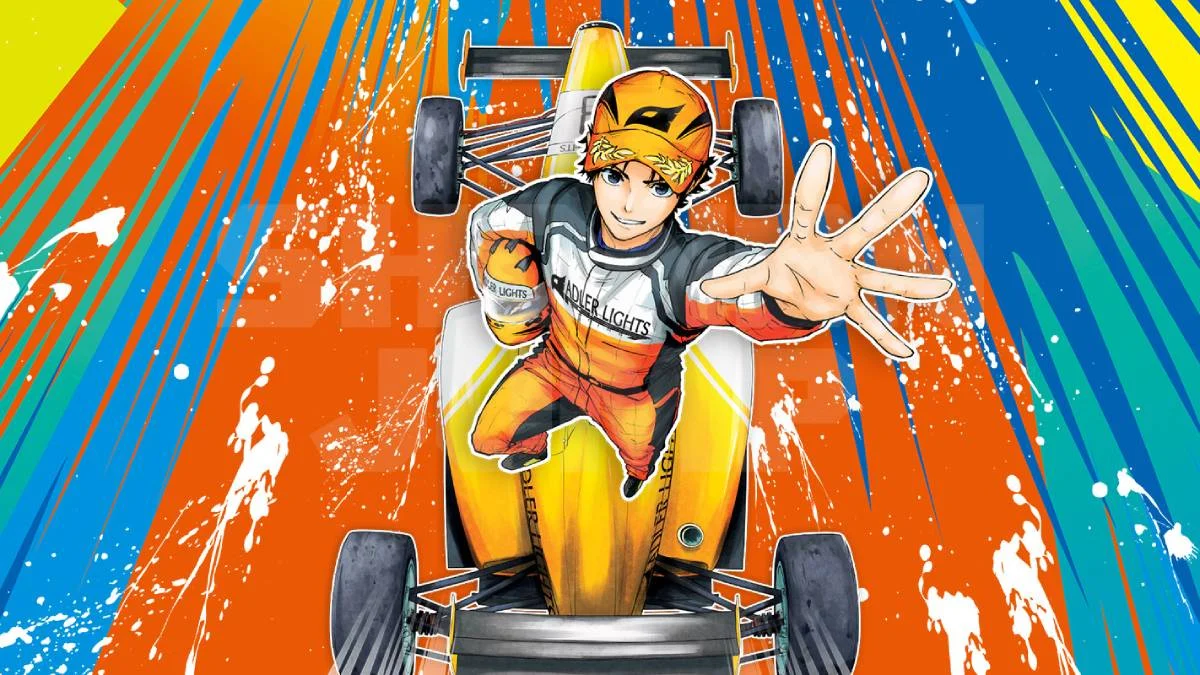
The landscape of Weekly Shonen Jump is undergoing a high-speed transformation. As of June 2026, Shueisha has officially expanded its portfolio of sports-centric storytelling with the debut of Hal Formula, a gripping new manga series centered on the cutthroat world of World Formula 1 (WF1) racing. With its focus on technical precision, the adrenaline-fueled stakes of the track, and the human drama behind the helmet, the series aims to capture the same fervor that defined legendary sports manga of the past.
Main Facts: A New Contender on the Starting Grid
Hal Formula is the latest creative endeavor from mangaka Kento Terasaka, a creator who has carved out a niche for himself in the competitive sports genre. Having previously worked on Beast Children and the well-received golf series Green Green Greens, Terasaka brings a seasoned eye for pacing and character development to his latest project.
The series follows the journey of Miharu Suzukaze, a young, struggling driver currently competing in the WF4 circuit under the Adler Lights Racing banner. Unlike typical sports protagonists who begin as prodigies destined for greatness, Miharu is presented as a gritty, realistic underdog. He is not merely fighting for podium finishes; he is balancing the immense financial and emotional pressure of professional racing with the responsibility of being the sole guardian of his younger brother, Haruka.
The series is currently available for global consumption through Shueisha’s Manga Plus platform and Viz Media’s digital storefront. Following a successful global launch, the narrative is set to follow a weekly release cadence, with the second chapter scheduled to hit digital shelves on June 21, 2026.
Chronology: The Evolution of a Racing Narrative
The path to Hal Formula’s publication reflects the cyclical nature of the Shonen Jump ecosystem. To understand the significance of this launch, one must look at the recent churn of titles within the magazine’s catalog.
- May 2026: The industry witnessed the conclusion of Alien Headbutt, a series that, while popular, followed the standard lifecycle of modern serialized manga. Its conclusion created a void in the magazine’s lineup, a vacancy that editors at Shueisha are notoriously calculated about filling.
- Early 2026: The success of one-shots, such as Hitoner, which successfully transitioned into a full-fledged series, highlighted a trend of fan-driven development. Editors observed the appetite for grounded, high-stakes narratives, leading to the greenlighting of Hal Formula.
- June 14, 2026: Hal Formula Chapter 1 officially launches globally. The debut is accompanied by an elaborate promotional trailer, which provides a visual masterclass in the series’ artistic direction, highlighting the tension of the race track and the emotional weight of the Suzukaze family dynamic.
- June 21, 2026: The upcoming release of Chapter 2, marking the first real test of the series’ ability to maintain momentum after the initial hype of the debut chapter.
Supporting Data: Why Motorsports Matter in Manga
Sports manga, or spokon, remains one of the most resilient sub-genres in the industry. Data suggests that narratives focusing on niche professional sports—ranging from volleyball and basketball to golf and, now, motorsports—provide a unique intersection of technical education and character-driven drama.
WF1, the fictionalized equivalent of the high-stakes world of Formula 1, offers Hal Formula a massive canvas. In racing manga, the "performance" is twofold: there is the literal performance of the vehicle, which requires a blend of mechanical knowledge and physical endurance, and the performance of the driver’s psyche under extreme G-force.
Terasaka’s background in Green Green Greens is particularly relevant here. In that series, he proved that he could make the nuances of golf—a sport often considered "slow"—feel exhilarating. By applying that same attention to the physics of cornering, braking zones, and tire degradation in Hal Formula, Terasaka is positioning his new work to appeal to both casual readers and hardcore racing enthusiasts who demand technical authenticity.
Official Responses and Creative Vision
While Shueisha has kept specific editorial comments brief, the promotional campaign for Hal Formula speaks volumes about the publisher’s expectations. The official trailer, released alongside the first chapter, emphasizes a "cinematic" approach to the page. By focusing on the visceral experience of the cockpit—the claustrophobia, the blurred vision, and the split-second decision-making—the trailer frames the series not just as a sports manga, but as a high-stakes thriller.
The choice of protagonist is also a deliberate stylistic pivot. Miharu Suzukaze is not a "chosen one." His struggles with his team, Adler Lights Racing, and his failure to secure consistent wins, provide a relatable hook for readers. The inclusion of his brother, Haru, adds a necessary "life-or-death" stakes element. If Miharu fails on the track, the consequences extend far beyond a trophy or a sponsor check; they threaten the stability of his household. This domestic anchoring is a hallmark of the most successful Shonen Jump titles, ensuring that the reader is emotionally invested in the character’s life outside the racing suit.
Implications: The Future of the ‘Shonen Jump’ Portfolio
The launch of Hal Formula serves as a case study for the current editorial strategy at Shueisha. In an era where digital consumption through platforms like Manga Plus has democratized access to Japanese comics, the pressure to deliver hits that translate globally has never been higher.
1. The Diversification of Sports Titles
For years, the "big three" of sports manga—Haikyu!!, Slam Dunk, and Kuroko’s Basketball—dominated the conversation. Hal Formula represents a move toward more technical, niche-focused sports. If this series succeeds, it could pave the way for a wave of other "mechanical" sports manga, such as cycling, rally racing, or even endurance motor-sports.
2. The Impact of Global Simul-Publication
By releasing the chapters simultaneously with the Japanese edition, Shueisha is effectively minimizing the "spoiler gap." This creates a global community of readers who can discuss the nuances of the race, the technical accuracy of the overtaking maneuvers, and the development of the characters in real-time. Hal Formula is a beneficiary of this infrastructure, allowing it to cultivate a dedicated international fanbase from the very first week.
3. Sustainability and Retention
The longevity of a series in Shonen Jump is determined by the "Jump Survey," where readers vote on their favorite chapters. A racing series faces the unique challenge of needing to maintain high-octane energy without exhausting the reader. Terasaka’s challenge will be to balance the "race chapters" with "character chapters." The first chapter suggests a 60/40 split, focusing heavily on Miharu’s home life to build empathy, a tactic that suggests the series is built for a long-term run rather than a quick sprint.
Conclusion: A Race Worth Watching
As the checkered flag drops on the debut of Hal Formula, the manga industry looks on with keen interest. Kento Terasaka has proven himself a capable architect of sports narratives, but Hal Formula represents his most ambitious climb to date. By merging the high-speed intensity of world-class racing with the intimate, often painful struggles of familial responsibility, the series has all the hallmarks of a breakout hit.
The road ahead is long, and as any driver will tell you, the first corner is the most dangerous. With Chapter 2 arriving on June 21, the world will soon know if Hal Formula has the engine to compete at the front of the pack or if it will be relegated to the back of the grid. Regardless of the outcome, one thing is certain: Shonen Jump has once again successfully shifted gears, proving that even in a medium of fantasy and superpowers, the most compelling stories are often the ones grounded in the simple, desperate desire to cross the finish line first.


 Asro
Asro