For decades, the standard playbook for a major tech product launch was simple: invite a select group of veteran journalists to a sterile auditorium, hand them a press kit, and wait for the morning’s headlines. But as the digital landscape shifts, so does the strategy for influence. Today, the most coveted seats at the table aren’t occupied by long-time industry analysts or beat reporters—they are occupied by influencers, streamers, and content creators.
From Apple’s “Pro and Tell” events to OpenAI’s luxury retreats, tech companies are increasingly rolling out the red carpet for the creator economy. It is a calculated pivot that prioritizes brand affinity over objective critique, fundamentally altering how technology is introduced to the masses.
The New Guard: Apple’s Creator-Centric Shift
The tech world has long viewed an invitation to an Apple event as a badge of honor. However, the nature of these invites is evolving. According to recent reporting from Mark Gurman’s Power On podcast, Apple has begun providing influencers with paid business-class travel, luxury hotel accommodations, and, most notably, intimate access to senior leadership—including new CEO John Ternus.
For the upcoming “Pro and Tell” product showcase in Los Angeles, these creators aren’t just attendees; they are part of the brand’s messaging strategy. This follows a deliberate pattern established in recent years. In March 2025, Apple quietly hosted an exclusive “Apple Campus” event for student creators. By January 2026, the company was scaling its efforts, hosting an “Apple Experience” in Los Angeles to coincide with the launch of the Apple Creator Studio, a subscription-based suite of professional-grade apps.
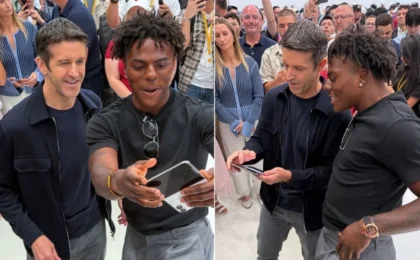
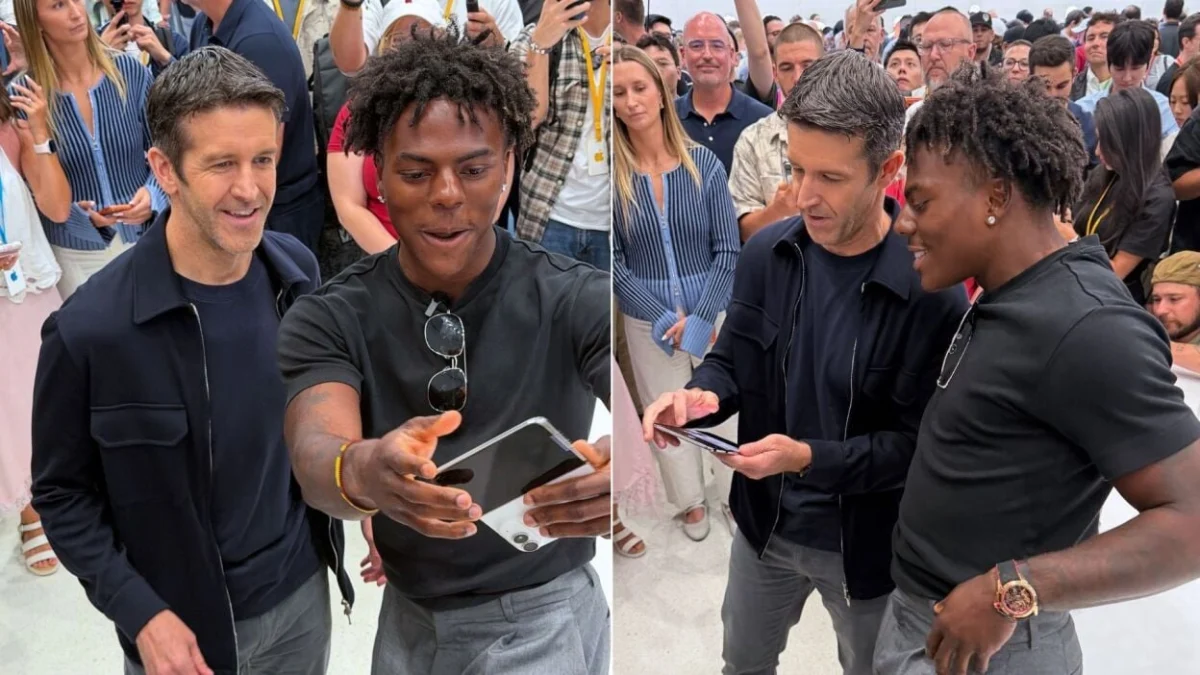
The optics are unmistakable. At the September 2026 iPhone launch, the viral streamer IShowSpeed performed a backflip in front of Apple executives while brandishing an iPhone Duo. The stunt, which garnered over 6 million views on YouTube, provided the kind of high-energy, youth-focused reach that a traditional press release simply cannot replicate.
A Global Standard: Samsung, Google, and the AI Gold Rush
Apple is far from an outlier. In the race to capture the attention of a fragmented digital audience, "standard fare" for tech giants now includes lavish, destination-based brand trips.
Samsung’s “Team Galaxy” initiative has become a masterclass in this strategy. For the launch of the Galaxy S26, the company flew approximately 140 influencers from 35 countries to San Francisco for three days of immersive product demos and high-end celebrations. By treating creators as brand ambassadors rather than mere observers, Samsung ensures that their products are not just featured—they are integrated into the influencer’s personal narrative.

The AI sector, perhaps more than any other, is doubling down on this approach. Because AI companies face a skeptical public—worried about job displacement, data ethics, and environmental impacts—they have a desperate need to build “brand love.”
Companies like OpenAI and Anthropic are turning to creators to humanize their complex technology. In February, OpenAI appointed Charles Porch, a former Instagram partnerships executive, as its first Vice President of Global Creative Partnerships. Soon after, the company hosted a retreat at Wildflower Farms, a luxury resort in New York’s Hudson Valley. The event featured private cabins, monogrammed pajamas, and curated dinners—an aesthetic designed for “lifestyle” content rather than technical analysis.
The Economics of Influence: Why Brands are Spending Big
The shift toward creator-led marketing is backed by hard data. According to a September analysis by Deloitte, approximately 60% of U.S. consumers have made a purchase in the last six months specifically because of a creator’s recommendation or sponsorship. Furthermore, the loyalty these creators command is immense, with 70% of consumers repeatedly engaging with the same figures.
For a tech giant, the math is simple:
- Audience Access: Creators reach younger, highly engaged demographics that are increasingly tuning out traditional news media.
- Message Control: As journalist Jason Snell noted on MacBreak Weekly, creators often serve as conduits for promotional talking points rather than interrogating the product’s flaws.
- Trust: In an era of skepticism toward "Big Tech," a creator’s personal endorsement can act as a bridge of trust that corporate advertisements cannot span.
The Friction: Backlash and Moral Dilemmas
However, this transition has not been without controversy. In August 2026, OpenAI’s nature-filled Hudson Valley retreat triggered a significant public relations backlash. Social media users on X and Reddit criticized the absurdity of holding an event for energy-intensive AI technology in an idyllic, pristine natural setting.
The criticism raises a central question: at what point does a partnership compromise a creator’s integrity?
Some creators, like business influencer Grace McCarrick, argue that being "in the room" is a professional necessity. "If I have the opportunity to be in the room and hear from people who are at the helm of change, I can do that," she stated, emphasizing that it is part of her job to report on the technology shaping her audience’s future.

Conversely, others are drawing a line in the sand. Circus performer and creator Jack Lepiarz made headlines when he rejected a $20,000 sponsorship from an AI image tool, citing concerns about the technology’s impact on human labor. This highlights the growing divide in the creator economy: between those who view themselves as commercial partners to big tech, and those who view their influence as a moral asset that shouldn’t be for sale.
The Future of Tech Journalism
The rise of the creator economy creates a dual-track ecosystem. On one side, we have traditional journalism—often characterized by, as one critic put it, "questioning your points"—which provides accountability. On the other, we have the influencer ecosystem, which offers a "warm welcome" and a megaphone for brand narratives.
As tech companies lean further into this strategy, the role of the independent reviewer is becoming more isolated. When tech reviewers like Ben Sin note that the industry’s "pivot to favoring lifestyle and overall influencers over techies" is "sad news," they are acknowledging a loss of technical rigor in the public discourse.
Implications: A New Reality
We are currently witnessing a fundamental shift in the power dynamics of tech communication. The "red carpet" isn’t just about travel and luxury dinners; it is about rewriting the terms of engagement. By substituting rigorous scrutiny for experiential marketing, tech brands are successfully insulating themselves from the harsh realities of traditional press coverage while maximizing their reach through the most trusted voices on the internet.
For the average consumer, this means the line between advertisement and genuine review is blurring faster than ever. As we move further into this decade, the challenge for the audience will be to distinguish between a product that is objectively excellent and a product that is simply being effectively marketed by a creator who was given a free, five-star trip to tell you so.
Disclosure: Ziff Davis, Mashable’s parent company, filed a lawsuit against OpenAI in April 2025, alleging it infringed Ziff Davis’s copyrights in training and operating its AI systems.