In the ever-evolving landscape of digital content creation, few figures have pushed the boundaries of scale and ambition quite like Jimmy "MrBeast" Donaldson. Known for his high-octane physical challenges and elaborate philanthropic endeavors, Donaldson has set his sights on a new frontier: prestige-level 2D animation.
Following a lukewarm reception to his initial pilot project, Donaldson has doubled down on his commitment to the medium, revealing that he invested a staggering $7 million into the second season of his animated series, Beast Labs. This massive pivot represents more than just a production upgrade; it signifies a strategic shift toward long-form, narrative-driven storytelling that aims to rival established industry titans.
The Evolution of a Vision: A Chronology of Change
The journey of Beast Labs has been one of rapid iteration and radical transparency. In early 2025, Donaldson debuted a 30-minute pilot intended to bridge the gap between his popular toy line and an immersive viewing experience. While the pilot garnered millions of views—a baseline expectation for any MrBeast production—the critical consensus was mixed.
Viewers and industry observers were quick to point out that while the technical fidelity of the animation was functional, the project suffered from a lack of emotional resonance. Critics noted that the storyline felt disjointed, the characters lacked depth, and the stakes felt inconsequential compared to the high-intensity energy typically found in Donaldson’s live-action videos.
Rather than dismissing the feedback as mere "internet noise," Donaldson treated it as a roadmap for improvement. He spent the months following the pilot’s release analyzing the data and the criticisms, eventually deciding to overhaul the series from the ground up. This pivot involved abandoning the constraints of a smaller-scale project in favor of an international, high-budget production that could stand alongside top-tier television animation.
Supporting Data: The Scale of the Operation
The sheer logistics behind the new season of Beast Labs are indicative of a creator who refuses to do things by halves. To transform the series, Donaldson recruited a staggering team of 250 artists, illustrators, and animators sourced from 16 different countries. This global coalition was tasked with a monumental undertaking: the creation of over 140,000 hand-drawn frames of animation.
This labor-intensive approach is a far cry from Donaldson’s initial attempts at the project. During the early development phase, the YouTuber confessed that he had personally tried to animate parts of the show himself. It was a realization of his own limitations that pushed him to recruit industry veterans—professionals who had previously lent their talents to juggernauts like Marvel, Star Wars, South Park, and Bob’s Burgers.
By integrating professionals with such diverse backgrounds, Donaldson ensured that the production values—ranging from lighting and character design to frame-by-frame fluid motion—met the highest standards of the modern animation industry. The resulting product is a 100-minute season that represents a gargantuan leap in quality compared to its predecessor.
The Narrative Pivot: Prioritizing Character Over Spectacle
One of the most significant changes in the second season is the infusion of seasoned writing talent. To address the criticism regarding the pilot’s narrative, Donaldson recruited Jameel Saleem, an accomplished writer known for his work on South Park and Bob’s Burgers.
Saleem’s influence appears to be the cornerstone of the series’ new direction. "With Beast animation, our rule from day one was character first," Saleem explained during a recent behind-the-scenes breakdown. "You can’t just throw them into fights. You have to make the audience care about who wins."
This philosophy marks a departure from the "spectacle-first" approach that defined the original pilot. The writers have expanded the scope of the show significantly, moving away from the limited, claustrophobic laboratory setting to a broader, more dynamic world. The new episodes feature diverse environments ranging from sprawling cityscapes and sprawling deserts to high-stakes urban car chases. Donaldson even likened the pacing and intensity of the third episode to a "Mad Max" film, promising a kinetic viewing experience that prioritizes narrative momentum as much as visual flair.
The Human Element: Professional Voice Acting and Cameos
A project of this magnitude requires a cast that can ground the fantastical elements in genuine human emotion. To achieve this, the production secured Fred Tatasciore, a legendary voice actor best known for his 15-year tenure as the voice of the Hulk.
Donaldson highlighted the emotional intensity of the production, noting that even a seasoned veteran like Tatasciore found himself moved by the material. "He voiced the Hulk for 15 years, and as he was voicing our show… he cried," Donaldson shared, emphasizing the depth of the script.
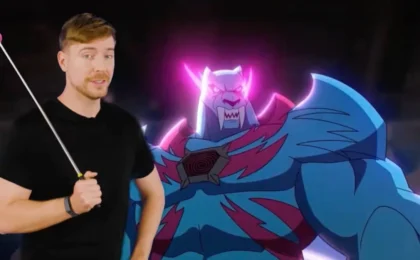
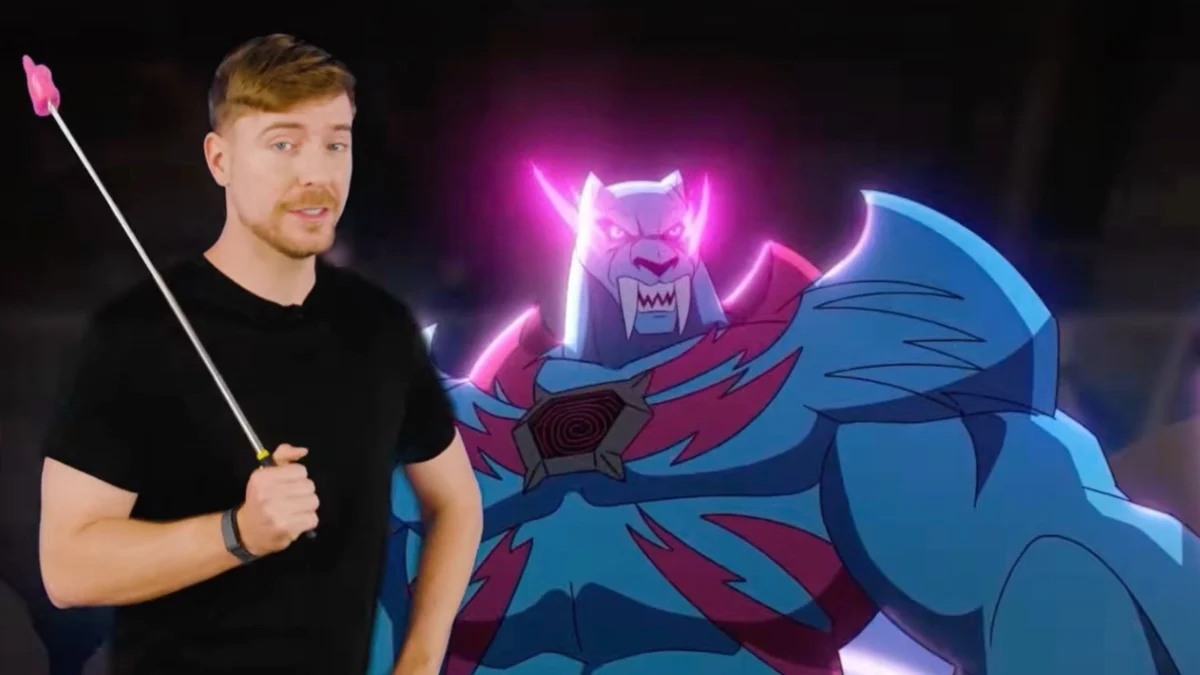
The production also acts as a cultural melting pot for internet fame, blending traditional Hollywood talent with the digital-native influencer sphere. The first episode features prominent streamers Sketch and Valkyrae, while long-time members of the MrBeast team, such as Nolan and Tareq, have been given key roles. The return of the character Panthar, now bolstered by a more complex and tragic backstory, serves as a litmus test for the show’s improved character development.
Implications: Challenging the Industry Status Quo
Perhaps the most intriguing aspect of the Beast Labs rollout is how it has inserted itself into the wider conversation about Western animation. As teasers for the new season dropped, fans began drawing parallels between the art style of Beast Labs and Amazon’s hit series Invincible.
"Weirdly, quite a bit of them are about how the animation is better than Invincible," Donaldson remarked, seemingly surprised by the intensity of the comparison. While the comparison is a testament to the high quality of the animation, it also highlights the aggressive expectations placed on modern YouTube-produced content.
However, Donaldson is eager to challenge the preconceptions that Beast Labs is merely a project for children. Despite the animated medium, he has consistently signaled that the show contains darker themes, emotional gravity, and complex stakes that transcend age demographics. "People think it’s a kid show? They have NO idea what’s about to hit them," he warned, suggesting that the $7 million investment was aimed at creating a mature, compelling saga rather than a simple marketing vehicle for his toy brand.
Conclusion: The Future of Digital Entertainment
The $7 million overhaul of Beast Labs serves as a watershed moment for YouTube as a platform. It represents a transition from "YouTuber-made content" to "high-end digital production." By leveraging a global team, hiring industry-leading writers, and embracing a "character-first" philosophy, Jimmy Donaldson is signaling that the barrier between streaming giants and independent creators is thinning.
Whether the series will successfully capture the hearts of a cynical audience remains to be seen. However, the sheer ambition on display—and the willingness to pivot based on audience feedback—proves that MrBeast is no longer just a content creator; he is a studio head in the making. As the animation industry continues to shift toward digital-first distribution, Beast Labs may well be remembered as the project that proved that with enough vision, resources, and talent, the next great animated hit can originate from the screens of a YouTube channel.