Nila Kartika Wati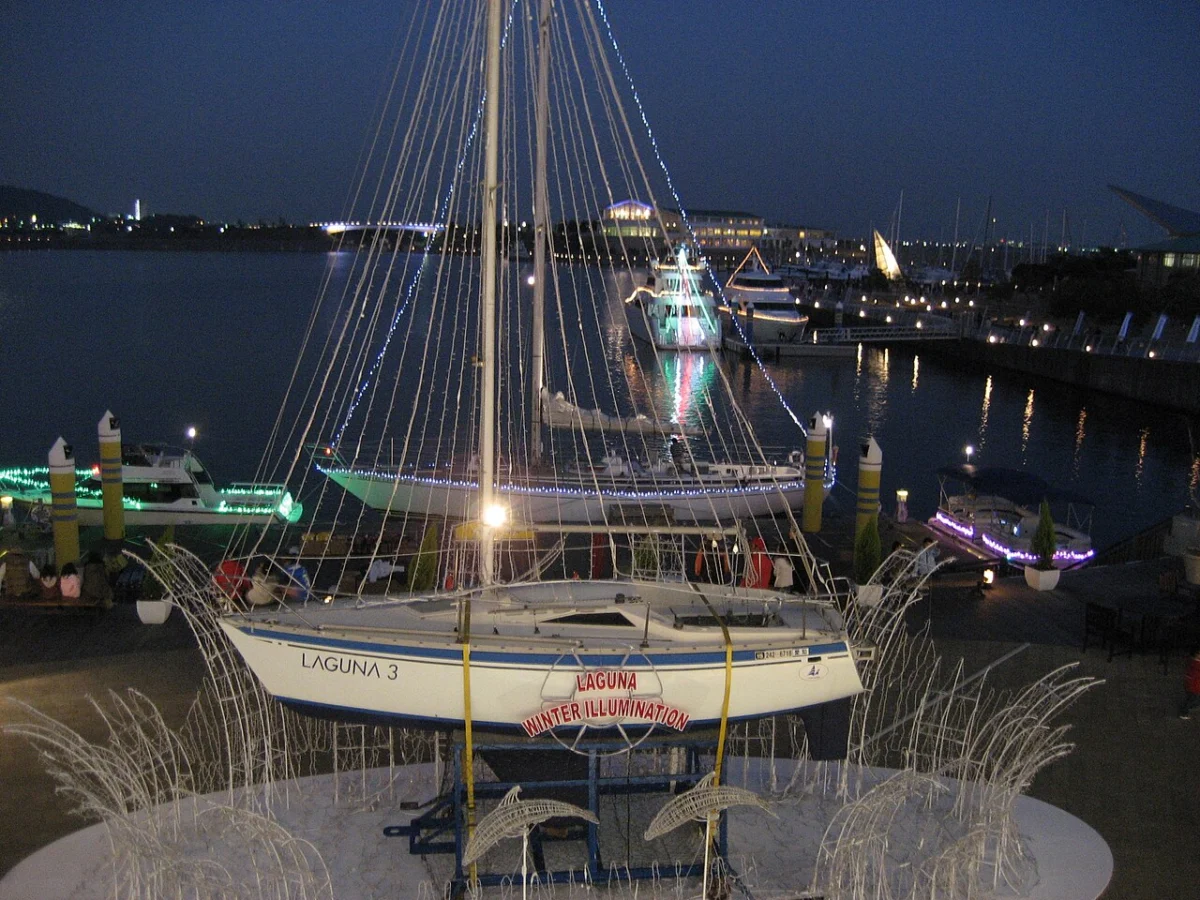
Nestled along the scenic coastline of Aichi Prefecture, roughly 30 kilometers southeast of Nagoya, lies Laguna Ten Bosch—a multifaceted marine resort that defies simple categorization. Far from the sprawling, intellectual property-heavy landscapes of Tokyo Disneyland or Universal Studios Japan, this destination offers a distinct, low-intensity retreat that marries amusement park thrills with the tranquil rhythms of a Mediterranean-style harbor. As a premier regional attraction, it serves as a cornerstone of leisure for Aichi families and a fascinating case study for those interested in the evolution of Japanese resort design.
Main Facts: The Resort at a Glance
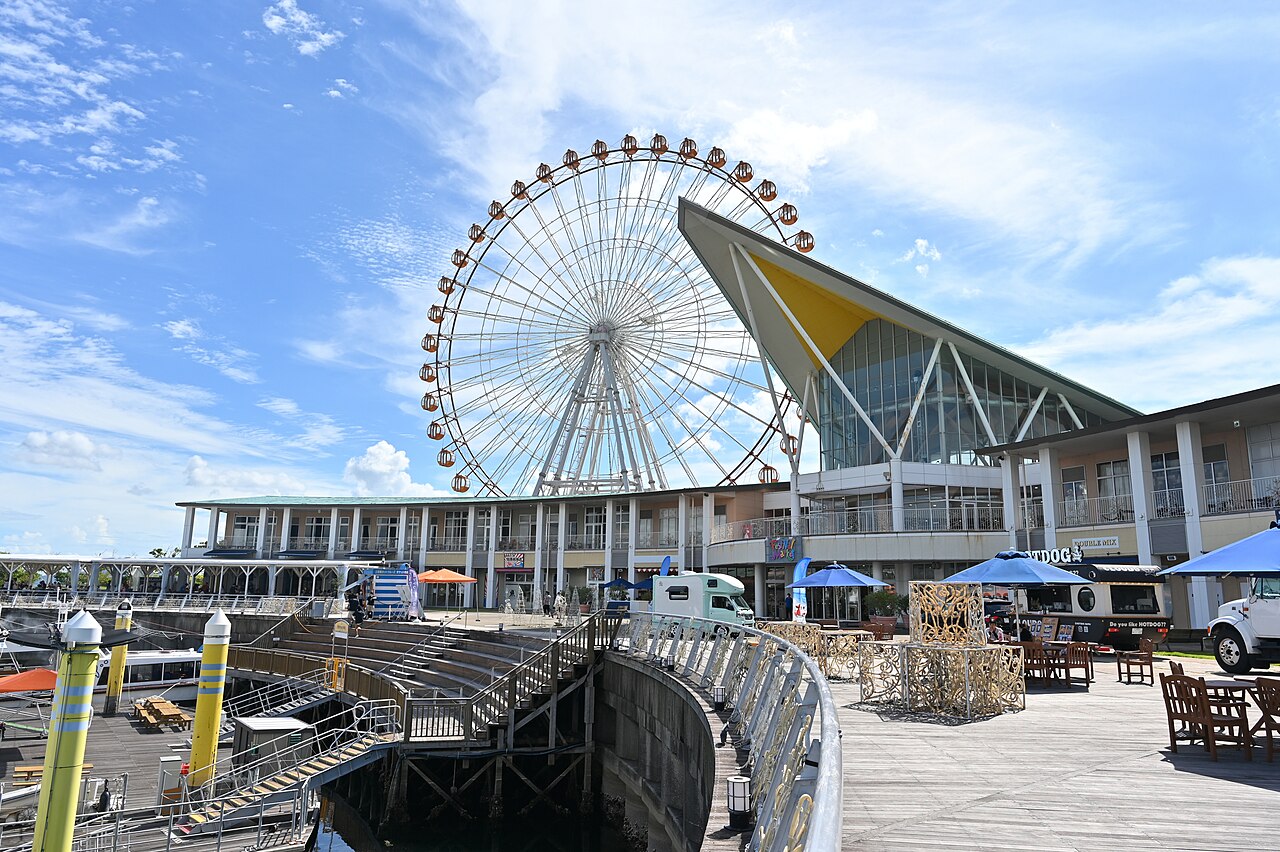
Laguna Ten Bosch—formerly known as Laguna Gamagori—is a medium-sized resort complex that effectively splits its identity between high-energy entertainment and coastal relaxation. The site is anchored by Lagunasia, an ocean-themed amusement park featuring 23 distinct attractions, including four roller coasters and a prominent 65-meter Ferris wheel that offers sweeping vistas of Mikawa Bay.
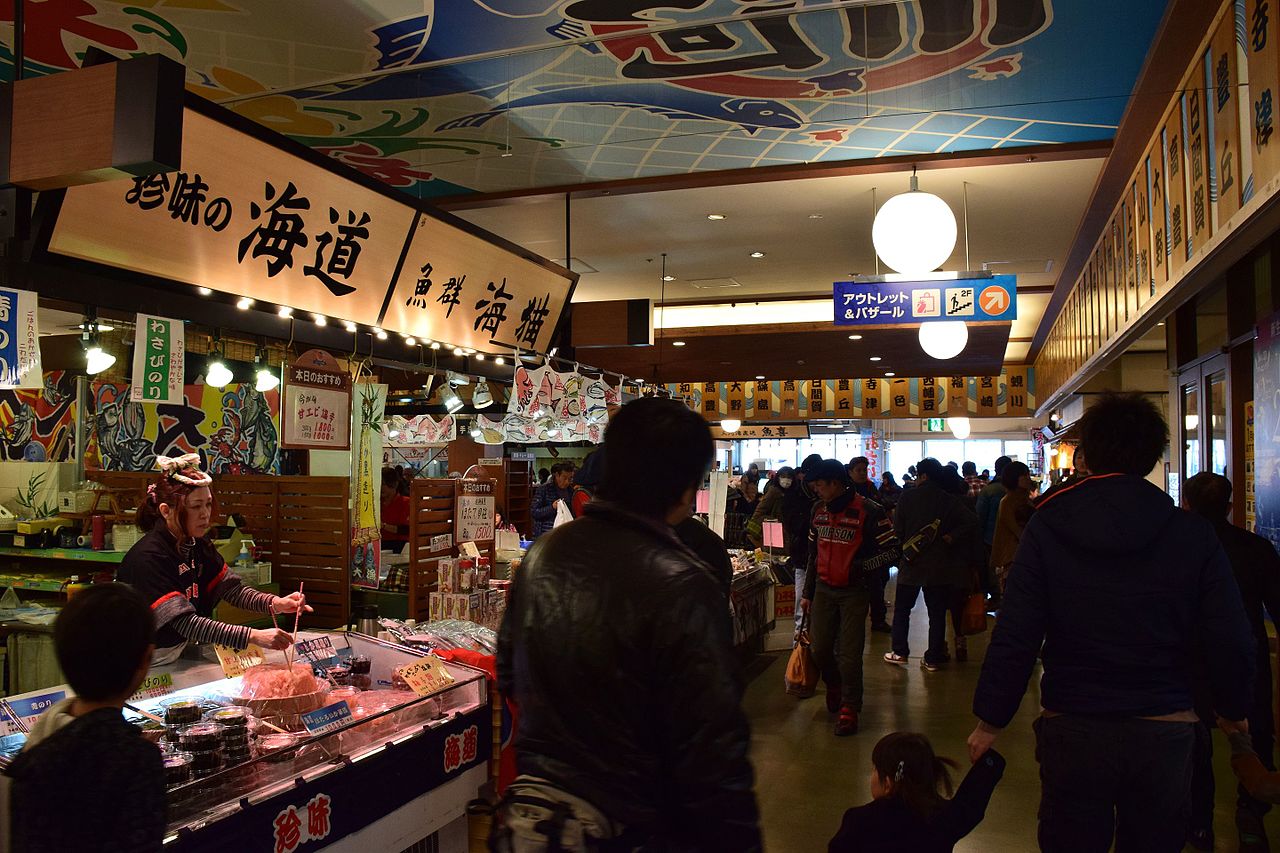
Beyond the thrills, the resort functions as a comprehensive leisure destination. During the summer months, it expands to include a dedicated water park, complete with a 230-meter lazy river. Complementing these attractions is the Festival Market, a retail and culinary hub designed to mimic the aesthetic of a European harbor town. This area hosts a vibrant fresh-fish market where the local Gamagori fishing fleet unloads its daily catch, providing a rare "dock-to-table" dining experience.
The resort’s operational philosophy is underpinned by its sister-property connection to the famous Huis Ten Bosch in Nagasaki. Both are managed by H.I.S. Holdings, a travel and leisure conglomerate that has successfully infused the Aichi site with the Dutch-inspired architectural charm and aesthetic cohesion that characterizes its larger Nagasaki counterpart.
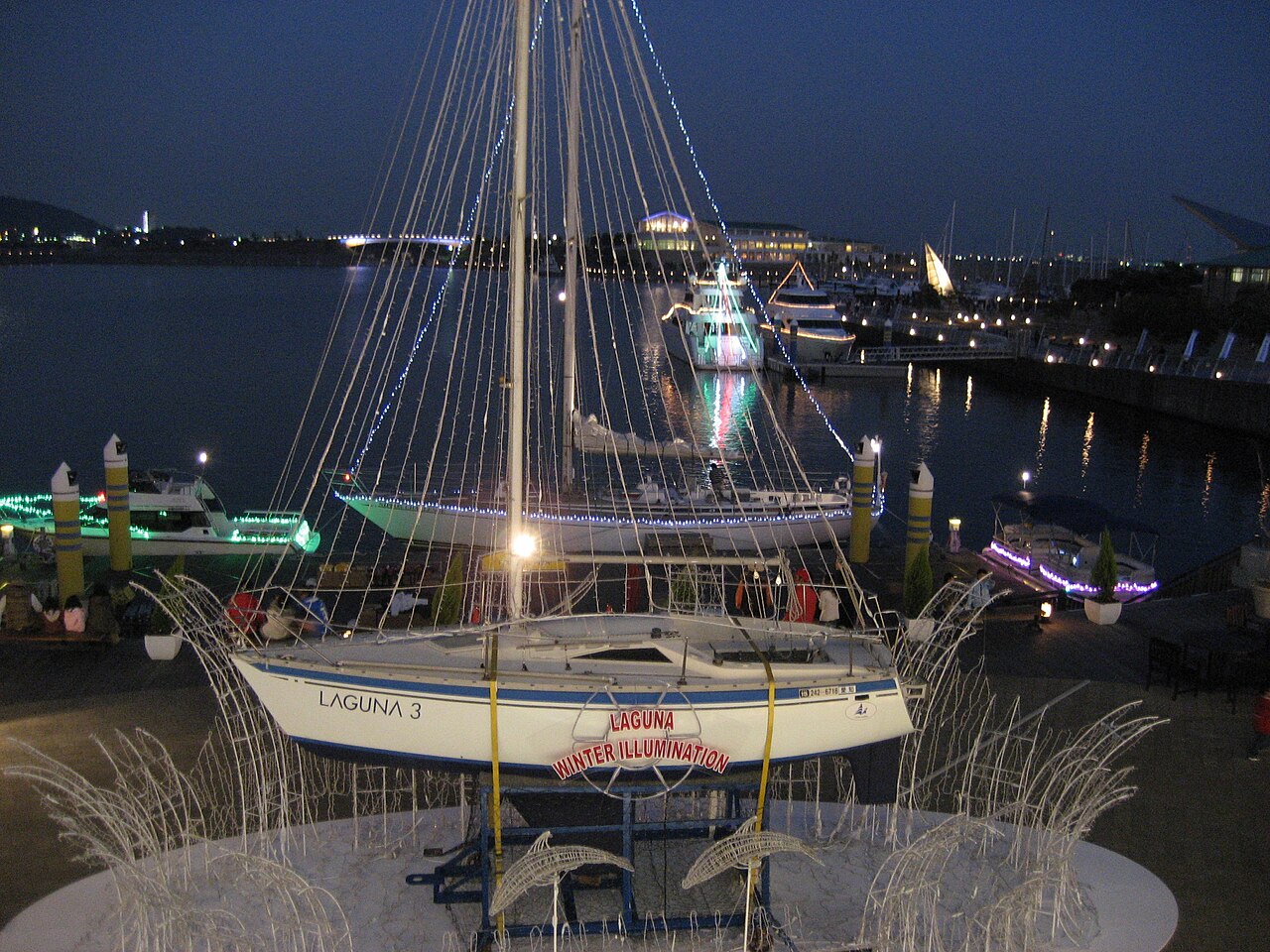
A Chronological Evolution: From Toyota to H.I.S.
The history of Laguna is a narrative of industrial transition and strategic rebranding. The resort first opened its doors in 2002 under the name "Laguna Gamagori." It was established as a high-ambition project by a Toyota-affiliated arm of Mitsubishi Real Estate. At the time, the project sought to capitalize on the early 2000s trend of creating all-inclusive "ocean resorts"—a concept that integrated theme parks, marinas, outlet malls, and hot-spring (onsen) hotels on reclaimed coastal land.
However, the economic climate of the late 2000s and early 2010s proved challenging for the original management. Despite a unique value proposition, business remained inconsistent. By 2014, the original stakeholders sought an exit, leading to the acquisition of the property by H.I.S. Holdings.
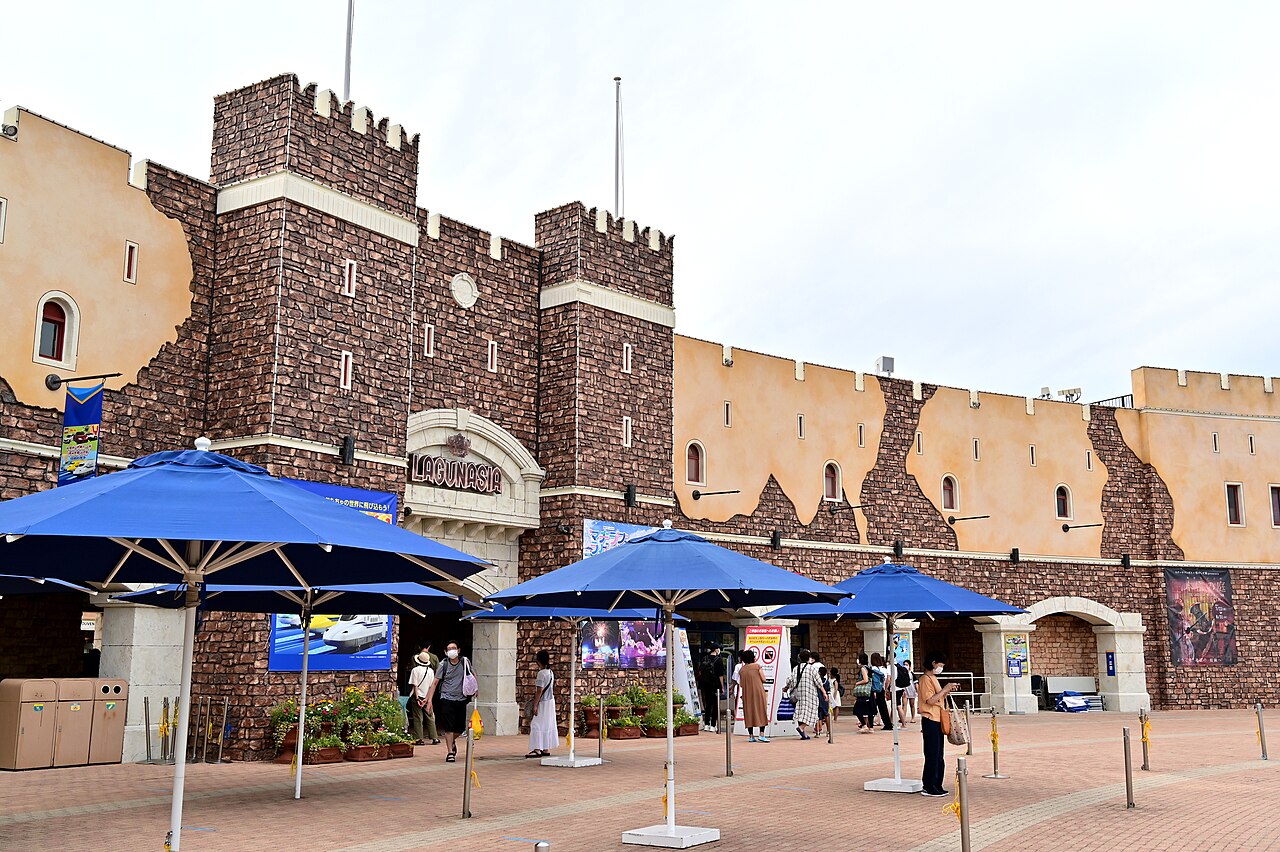
The subsequent rebranding to "Laguna Ten Bosch" in 2015 marked a turning point. H.I.S. leveraged its expertise from the Huis Ten Bosch theme park to revitalize the site. They introduced familiar motifs: Dutch-style windmills, intricate canal-side architecture, and the mascot "Hapira-chan." This shift proved successful, stabilizing the park’s identity as a cohesive, family-friendly destination that prioritized thematic consistency over the frantic, high-intensity atmosphere of larger metropolitan parks.
Supporting Data: The Four Pillars of the Complex
To understand the operational success of Laguna Ten Bosch, one must examine its four distinct functional components:
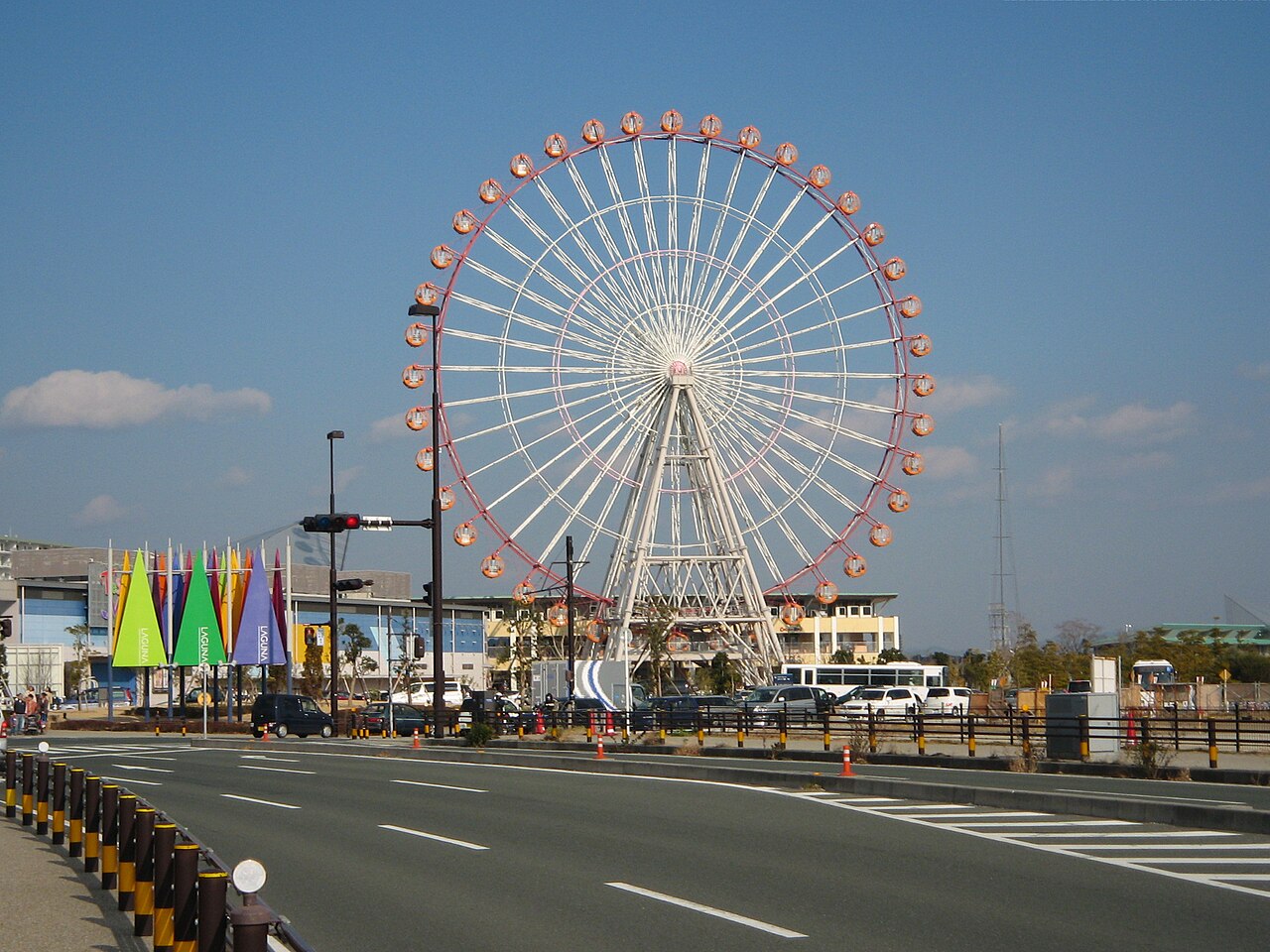
1. Lagunasia: The Thematic Core
Lagunasia operates under the "Silk Road of the Sea" concept. While not as rigorously immersive as an international Disney property, it maintains a higher standard of visual cohesion than most regional Japanese parks. The signature ride, Aqua Wind, is a compact steel coaster that reaches speeds of 54 km/h, offering a thrilling, albeit accessible, experience with views of the bay. The Legend of Labyrinth, a 2017 addition, represents a modern pivot toward interactive, high-tech dark rides, keeping the park relevant to younger, gaming-oriented demographics.
2. The Summer Water Park
Operating annually from early July to early September, the water park utilizes the resort’s prime location on the Mikawa Bay shore. It features a wave pool, a 230-meter lazy river, and various splash zones that cater specifically to families with young children. Pricing is structured to incentivize "Passport" packages, which combine land-based rides and water-park access for approximately ¥4,990.
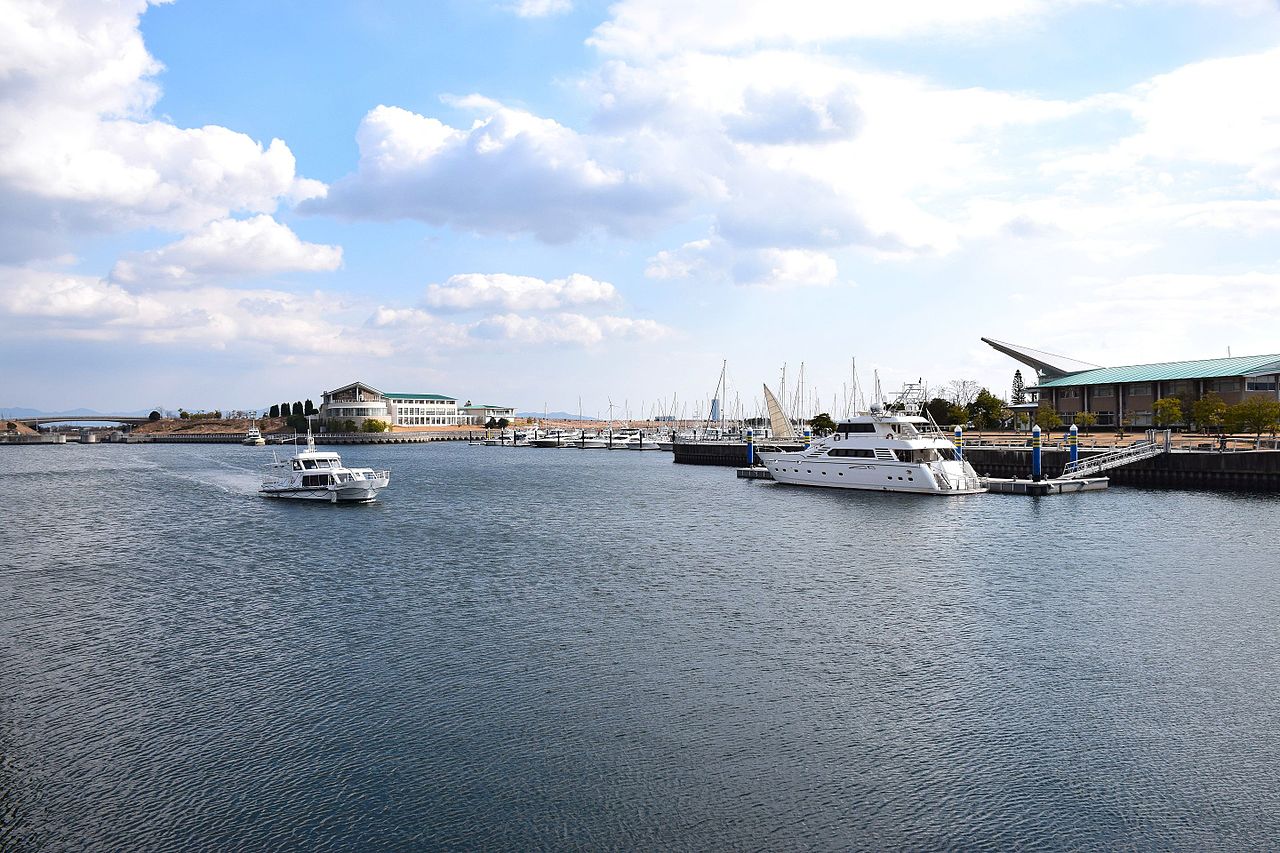
3. Festival Market: Culinary and Retail
The Festival Market serves as the commercial heart of the resort. Unlike the theme park, this area is free to the public. It includes a shopping mall, La Mercasa, which houses Japanese staples like Uniqlo and Muji, alongside a dedicated seafood market. Here, visitors can purchase sashimi-grade sea bream, mantis shrimp (shako), and clams directly from local vendors. The presence of restaurants that prepare these purchases on-site adds an authentic layer of local culture that is often absent in corporate-controlled theme park environments.
4. Laguna Resort Spa Thalassa
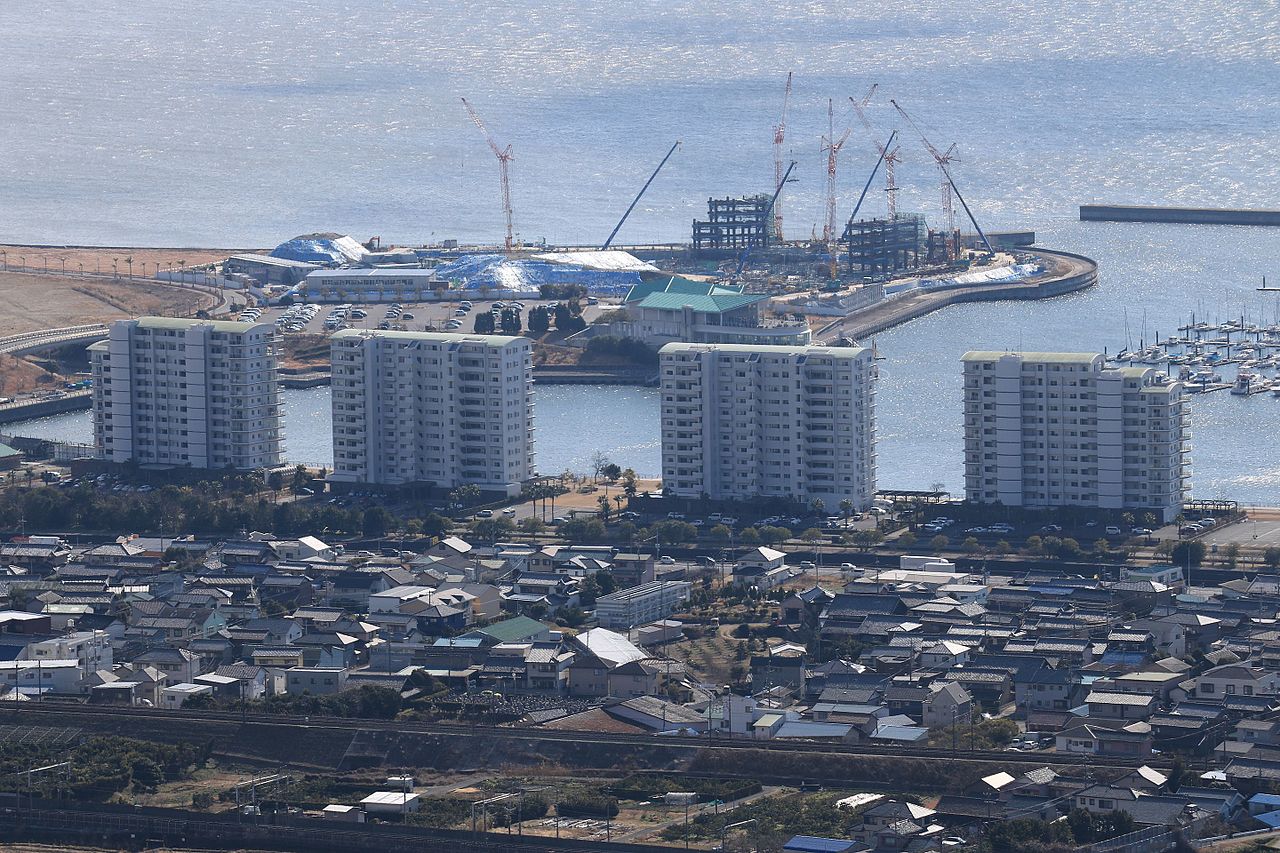
The on-site hotel provides the final piece of the resort experience. The "Thalassa" branding is not merely a name; it refers to a specific Mediterranean balneotherapy program that utilizes heated seawater, seaweed wraps, and salt-based inhalation therapies. This positions the resort not just as a day-trip destination, but as a wellness retreat.
Official Perspectives and Operational Philosophy
H.I.S. Holdings has maintained that the primary goal of Laguna Ten Bosch is to provide a "reachable escape." In official communications, management emphasizes that the resort is not competing directly with industry giants like Universal Studios Japan. Instead, they aim to serve the local Aichi population and residents of nearby Nagoya who desire a weekend getaway that does not require the logistical burden of travel to Tokyo or Osaka.
The company has invested heavily in accessibility. By partnering with JR Tokaido line services and operating a dedicated shuttle fleet from Gamagori Station, they have streamlined the visitor experience. Furthermore, their decision to keep the Festival Market free of charge demonstrates a strategy of fostering local community engagement—ensuring that even those not interested in roller coasters have a reason to visit the harbor.
Implications for the Regional Tourism Market
The success of Laguna Ten Bosch has significant implications for regional tourism in Japan. It demonstrates that mid-sized theme parks can remain viable by emphasizing "niche" appeal—specifically, the combination of family-oriented rides, local seafood, and wellness spas.
For the international traveler, Laguna serves as an excellent case study in how Japanese domestic tourism functions. It is a space where the international "theme park" model is hybridized with local agricultural and maritime industries. While it may not satisfy the "thrill-seeker" looking for world-record-breaking roller coasters—for whom Nagashima Spa Land remains the superior choice—it offers a level of comfort and local authenticity that is arguably more representative of contemporary Japanese leisure habits.
Planning Your Visit: Practical Logistics
For those planning to integrate Laguna into a broader Aichi itinerary, the following data points are essential:
- Logistics: The resort is a 50-minute journey from Nagoya via the JR Tokaido Line to Gamagori Station, followed by a 15-minute free shuttle. For those coming from Tokyo or Osaka, a Shinkansen to Toyohashi followed by a short local train connection makes a day trip feasible, though a bit ambitious.
- Optimal Timing: The park is most vibrant during the summer, but off-season visits (October–April) offer the distinct advantage of significantly shorter queues.
- Cultural Integration: A common and highly recommended itinerary involves spending the morning at the nearby Toyokawa Inari Shrine, followed by an afternoon at Laguna, and concluding the day with a meal at the Festival Market.
- Accessibility: While the park provides basic English-language maps and signage, it is primarily a domestic-focused facility. Visitors should manage expectations regarding high-level English support, though the visual nature of the park’s attractions makes language barriers negligible.
Conclusion
Laguna Ten Bosch is a testament to the resilience of regional tourism. By moving away from the high-pressure, licensed-IP-driven model of global theme park conglomerates, it has carved out a sustainable niche as a Mediterranean-styled harbor resort. Whether one is visiting for the fresh seafood, the sunset views from the 65-meter Ferris wheel, or a relaxing weekend in a thalassotherapy spa, the resort provides a balanced, rewarding, and distinctly Aichi-based experience that proves you do not always need record-breaking thrills to create a memorable day out.


 Neng Nana
 Asro
Asro