Rifan Muazin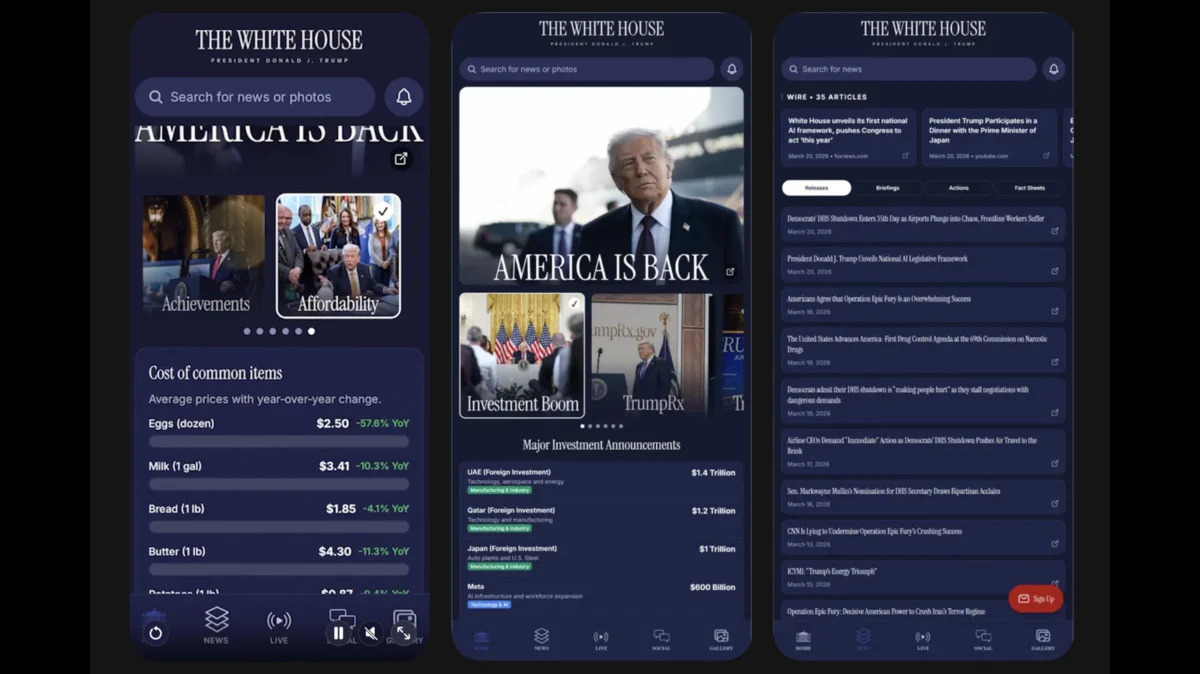
In a move that has ignited debate regarding administrative overreach, digital security, and the boundaries of government communication, the White House has initiated a policy to automatically install its official mobile application onto all Department of Homeland Security (DHS) government-furnished devices.
According to an internal notice distributed to DHS personnel on June 16, the administration is moving forward with a mandatory deployment strategy. This directive, first reported by Politico, mandates that the app—which serves as a consolidated portal for presidential communications, policy updates, and multimedia content—will be pushed to all mobile hardware managed by the agency, regardless of individual user preference.
The Scope of the Deployment
The integration of the White House app into the DHS mobile ecosystem represents a significant escalation in the administration’s efforts to centralize its digital messaging. While the June 16 email confirms the DHS rollout, industry observers and federal IT experts are already questioning whether this is merely the first phase of a broader, government-wide mandate.
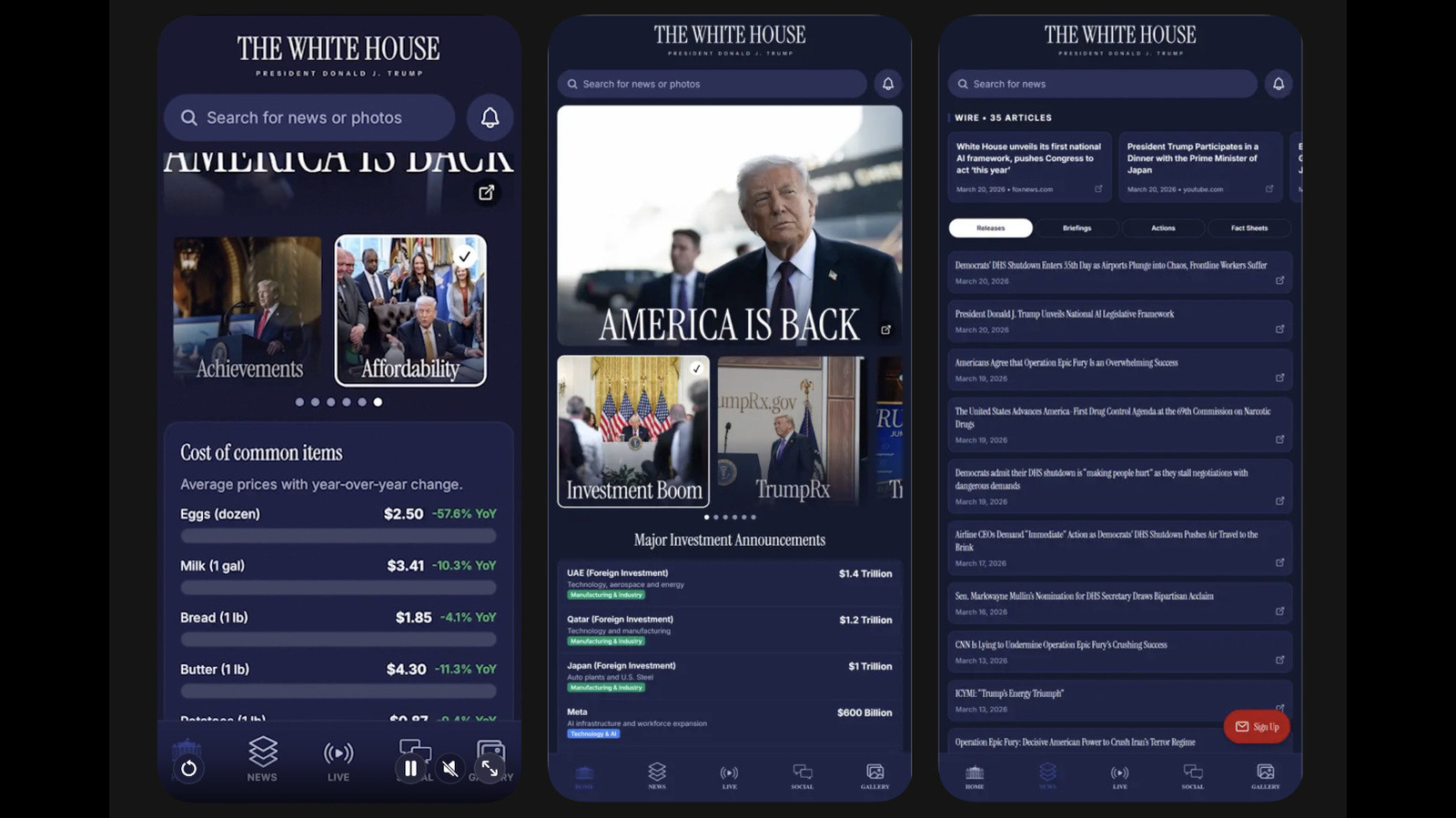
The memo described the application as a "convenient" tool for federal employees to access official White House communications. This includes a repository for executive actions, presidential speeches, live-streamed press briefings, and various promotional materials highlighting the administration’s policy goals. The app, which launched in March, also serves as a centralized aggregator for official social media feeds and, curiously, includes a tracker for the fluctuating costs of common grocery items—a feature that has drawn both curiosity and criticism regarding its relevance to federal operations.
A Chronology of the Initiative
The road to this mandatory installation has been marked by a series of reports suggesting a calculated, phased rollout across the executive branch.
- March 2026: The White House officially launches its mobile application. At the time, the administration marketed the tool as a primary bridge between the executive office and the American public, promising unfiltered access to presidential addresses and policy documentation.
- May 2026: Government Executive (GovExec) publishes an investigative report detailing an internal memo that outlined plans to force the app onto all "government-furnished mobile phones in the executive branch." At this stage, the Federal Aviation Administration (FAA) was identified as one of the initial testing grounds for the automated deployment.
- Early June 2026: Reports begin to circulate regarding the technical mechanisms being utilized to force the installation, bypassing traditional user-consent models in mobile app management.
- June 16, 2026: The Department of Homeland Security issues a formal notice to its workforce, confirming that the application will be automatically installed on all agency-managed mobile devices.
The Security Dilemma: Backdoors and Vulnerabilities
The decision to force-install any software across federal networks carries inherent risks, but the White House app has become a lightning rod for concerns regarding cybersecurity protocols.
The primary apprehension among government IT professionals is the "attack surface" created by such a mandate. Every application installed on a secure government device serves as a potential gateway. If the application contains vulnerabilities—or if the permissions requested by the app are overly broad—it could theoretically grant third-party developers or malicious actors a foothold within secure government networks.
A former government IT executive, speaking to Government Executive earlier this year, explicitly characterized the mandate as a "cause for alarm." The official noted that any application with the reach of the White House app, when placed on thousands of secure devices, could potentially create backdoor access to government networks located behind agency firewalls.
Furthermore, the integration of such an app necessitates a high level of privilege on the device. Depending on how the app is pushed—typically through Mobile Device Management (MDM) software—it may gain access to system logs, location data, or the ability to run processes in the background. While the administration claims the app is a benign communication tool, security experts argue that the precedent of forcing third-party or political-aligned software onto mission-critical devices undermines the "Zero Trust" security architecture that the federal government has spent years trying to implement.
Official Responses and Administrative Rationale
To date, the White House has remained largely silent regarding the specific security concerns raised by IT professionals. The administration’s public-facing narrative emphasizes efficiency and transparency. By centralizing communications, officials argue, they are ensuring that federal employees remain "informed" of executive priorities and the direct messaging of the President.
However, the lack of a clear, public policy justification for mandatory installation has left many civil servants frustrated. Historically, federal employees have been granted autonomy over the non-essential applications on their work devices, provided those devices remain compliant with agency security protocols. By overriding this autonomy, the administration is effectively asserting that the utility of its official app outweighs the individual privacy and device management rights of the workforce.
There has been no official statement clarifying the criteria for selecting the DHS as a primary target for the rollout, though analysts suggest that the agency’s large, geographically dispersed, and high-security workforce makes it an ideal candidate for "testing" the efficacy of mass-deployment protocols.
The Implications for Federal Autonomy
The implications of this policy extend far beyond the technical inconvenience of an unwanted app. There are three primary areas of concern that have emerged following the June 16 announcement:
1. The Politicization of Government Hardware
Federal devices are intended for the execution of official government duties. When a tool specifically designed to highlight the achievements and messaging of a specific administration is force-installed, it blurs the line between non-partisan civil service and political campaigning. If employees are unable to remove the app, it creates a workplace environment where administration messaging is inescapable, raising questions about the spirit of the Hatch Act and the neutrality of the federal bureaucracy.
2. The Precedent of Mandatory Bloatware
If the administration succeeds in mandating the White House app, it sets a dangerous precedent. It establishes a framework where any future political entity could use the MDM infrastructure to push partisan software to the entire federal workforce. This "app-as-policy" model could lead to a cluttered and insecure digital environment where government devices are weighed down by administrative pet projects rather than mission-critical tools.
3. The Erosion of Cybersecurity Standards
The cybersecurity community has long advocated for "minimalist" device configurations. The fewer applications on a device, the fewer vectors there are for data exfiltration or malware injection. By forcing the installation of a software suite that—by its own admission—aggregates social media feeds and external content, the administration is intentionally increasing the security risk for every DHS staff member. This directly contradicts the guidance issued by CISA (the Cybersecurity and Infrastructure Security Agency) regarding the hardening of mobile endpoints.
Conclusion: A Digital Battleground
The decision to force the White House app onto DHS devices is, at its core, a clash between the centralization of political power and the technical requirements of secure, efficient governance. While the administration may view the app as a simple communication tool, the reality of the digital age dictates that such tools are never just "apps." They are nodes within a complex network of surveillance, data exchange, and security policy.
As the deployment continues, the federal workforce and independent watchdogs alike will be watching to see if the administration provides further clarity on the security audits performed on the app prior to its mass distribution. For now, DHS personnel are left with a new, permanent fixture on their screens—a digital reminder of the shifting priorities of the executive branch and the ongoing struggle to define the boundaries of government-mandated technology.
Whether this becomes the standard for all federal agencies remains to be seen, but the move has already succeeded in doing one thing: it has turned a routine IT update into a significant controversy regarding the integrity and security of the United States government’s mobile infrastructure.


 Azzam Bilal Chamdy
 Jia Lissa