

By Jamie Lang
May 26, 2026
The Toronto International Film Festival (TIFF) has announced a significant expansion of its year-round animation programming, confirming that acclaimed visionary Masaaki Yuasa will serve as the guest curator for an ambitious new marquee series titled Drawn Universes: Visions in Animation. Scheduled to occupy the TIFF Lightbox in Toronto throughout November and December 2026, the series represents a milestone in the festival’s ongoing commitment to elevating animation as a premier cinematic art form.
The Vision: Defining the Medium
The Drawn Universes program is designed as a wide-ranging survey of the history, artistry, and technical innovation of the medium. According to official statements from the festival, the selection will be heavily weighted toward the evolution of anime, tracing a narrative arc from the influential legacy masters who laid the foundation for modern Japanese animation to the contemporary disruptors currently redefining its visual and narrative boundaries.
For cinephiles and industry professionals alike, the choice of Masaaki Yuasa as curator is both fitting and highly anticipated. As a director who has spent decades dismantling the conventions of traditional anime, Yuasa is uniquely positioned to curate a program that prioritizes experimentation and stylistic bravery.
Chronology: TIFF’s Shift Toward Animation
The announcement of Drawn Universes is not an isolated event; rather, it is the latest, most definitive step in a multi-year strategy by TIFF to position itself as a global hub for animated cinema.
- 2023: The Launch of Pop Japan! The festival inaugurated its Pop Japan! marquee series, a dedicated effort to bring high-profile anime releases and retrospectives to the TIFF Lightbox, signaling a departure from the festival’s previously live-action-heavy focus.
- 2024–2025: Expanding the Cinematheque. TIFF Cinematheque, the festival’s year-round repertory arm, began integrating the "Animate" strand into its regular programming. This included deeper dives into historical animation, international auteur spotlights, and restoration premieres.
- 2025: The Animated Short Award. Last year, the festival solidified its commitment to the short form by establishing a dedicated animated short competition, complete with its own official festival award, putting it on par with the festival’s prestigious live-action short film categories.
- November 2026: The launch of Drawn Universes, marking the first time a major international filmmaker has been granted full curatorial authority over a multi-month animation retrospective at the institution.
This trajectory suggests that TIFF is actively attempting to shed the "niche" label often unfairly applied to animation by major North American festivals, opting instead to integrate the medium into the mainstream cinematic discourse.
Supporting Data: The Yuasa Legacy
To understand why Yuasa is the ideal architect for this program, one must examine his profound impact on the industry. His career is marked by a refusal to adhere to the standardized aesthetic of mainstream anime.
Yuasa’s filmography serves as a masterclass in visual storytelling:
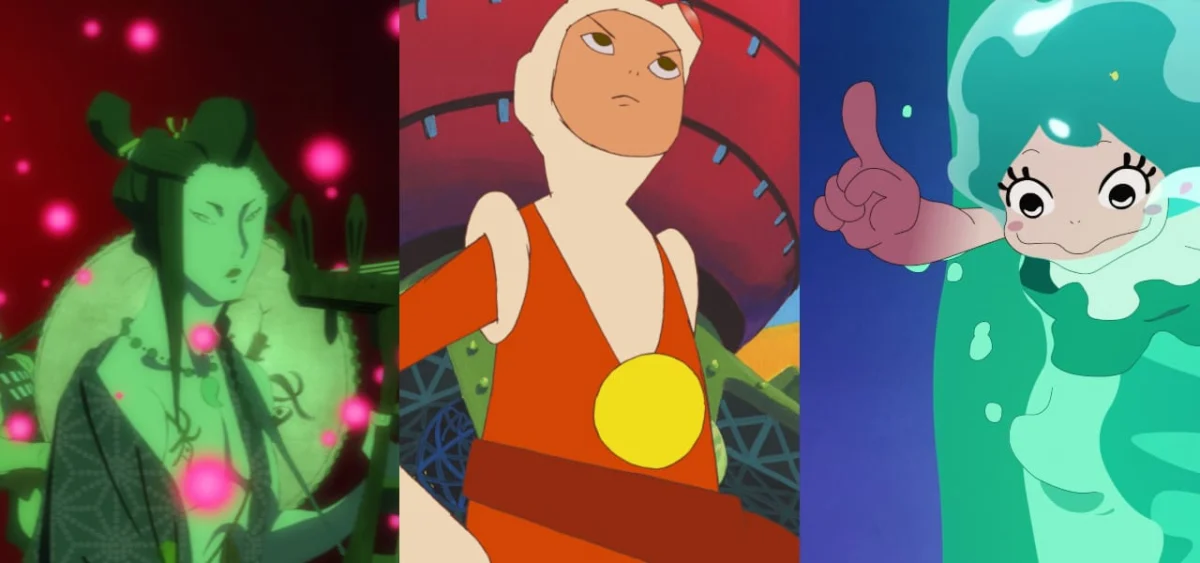
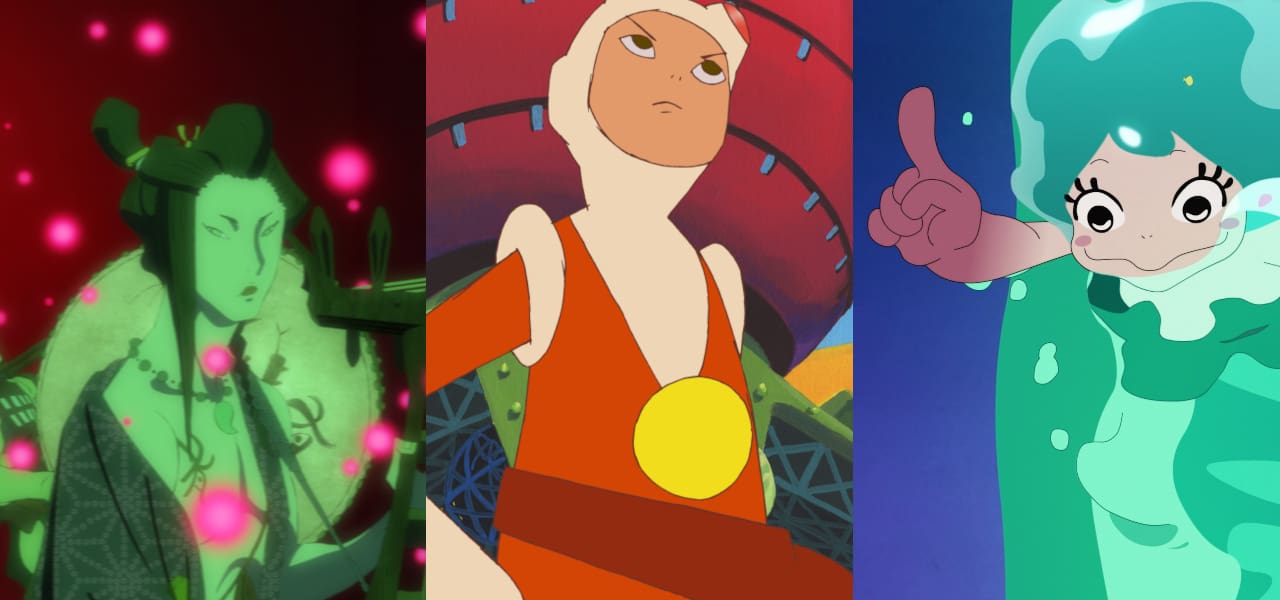
- Mind Game (2004): His debut feature, which remains a benchmark for experimental animation, blending rotoscoping, surrealist art styles, and frenetic editing.
- The Tatami Galaxy (2010): A series noted for its rapid-fire dialogue and unique color palette, which set a new standard for how television anime could handle complex, non-linear narratives.
- Ping Pong the Animation (2014): A bold reimagining of sports anime that stripped away "pretty" character designs in favor of raw, kinetic energy.
- Devilman Crybaby (2018): A global phenomenon that utilized streaming platforms to reach a massive international audience, effectively proving that "niche" experimental styles could achieve mainstream commercial success.
- Inu-Oh (2021): A rock-opera historical fantasy that showcased his ability to blend traditional Japanese theater (Noh) with modern musical sensibilities.
Following his departure from Science Saru—the studio he co-founded in 2013 and which was eventually acquired by Toho—Yuasa’s launch of his new venture, ame pippin, in 2025 has signaled a transition into a new phase of his career. Drawn Universes serves as a thematic bridge, allowing the director to contextualize his own artistic evolution against the backdrop of the medium’s broader history.
Official Responses and Curatorial Intent
In a prepared statement, Masaaki Yuasa expressed his enthusiasm for the project, noting that the series will be deeply personal.
"It is an honor to curate this series for TIFF," Yuasa said. "As I begin shaping the lineup, I am excited to look back at the works that sparked my own imagination from a young age, and to curate a series with a focus on the artists who have defined the genre and the incredible creators who continue to push the visual possibilities of anime today."
The curatorial intent, as described by Yuasa, is to move beyond the "greatest hits" approach and instead provide a roadmap of the medium’s creative DNA. By highlighting both the pioneers and the modern vanguard, the series aims to educate audiences on how the visual grammar of anime is constantly being rewritten.
.png)
Implications for the Industry
The arrival of Drawn Universes alongside a high-profile Christopher Nolan retrospective (which will feature the director’s entire filmography on 35mm and 70mm film) sends a clear message: TIFF views animation with the same archival and artistic weight as the work of the most celebrated live-action auteurs.
Elevating the "Animation" Label
For years, animation has often been siloed into separate, smaller categories at many Tier-A film festivals. By placing a retrospective curated by a Japanese director at the center of its fall programming, TIFF is forcing a convergence between "film festival culture" and "anime fandom." This has the potential to:
- Broaden the Audience: By leveraging the prestige of the TIFF brand, the series will likely attract viewers who might not typically attend anime-specific events.
- Encourage Scholarship: The retrospective format encourages critical analysis, moving the conversation beyond fan-centric appreciation and toward academic and formalist discourse.
- Influence Distribution: Increased interest in repertory animation often leads to better preservation and distribution deals for classic or overlooked works.
The Changing Landscape of Japanese Studios
The timing of this series is particularly poignant given the current flux within the Japanese animation industry. With the consolidation of power—seen in the Toho acquisition of Science Saru—and the rise of new independent boutiques like Yuasa’s ame pippin, the industry is undergoing a period of intense structural change. A series that looks at the history of the medium while being curated by someone currently at the forefront of this structural shift will offer a rare, holistic look at where animation has been and where it is headed.
Conclusion: A New Standard
As TIFF prepares to open its doors for the fall season, the Drawn Universes series stands out as one of the most significant programming announcements in the institution’s recent history. By handing the keys to one of the most imaginative minds in the field, the festival is not just showing films; it is framing the debate around what animation is, what it can be, and how it fits into the broader canon of world cinema.
Specific screening dates and a full list of titles for the Drawn Universes: Visions in Animation series are expected to be announced in the coming months. For the animation community, November cannot arrive soon enough.










No comments yet. Be the first to join the conversation!