

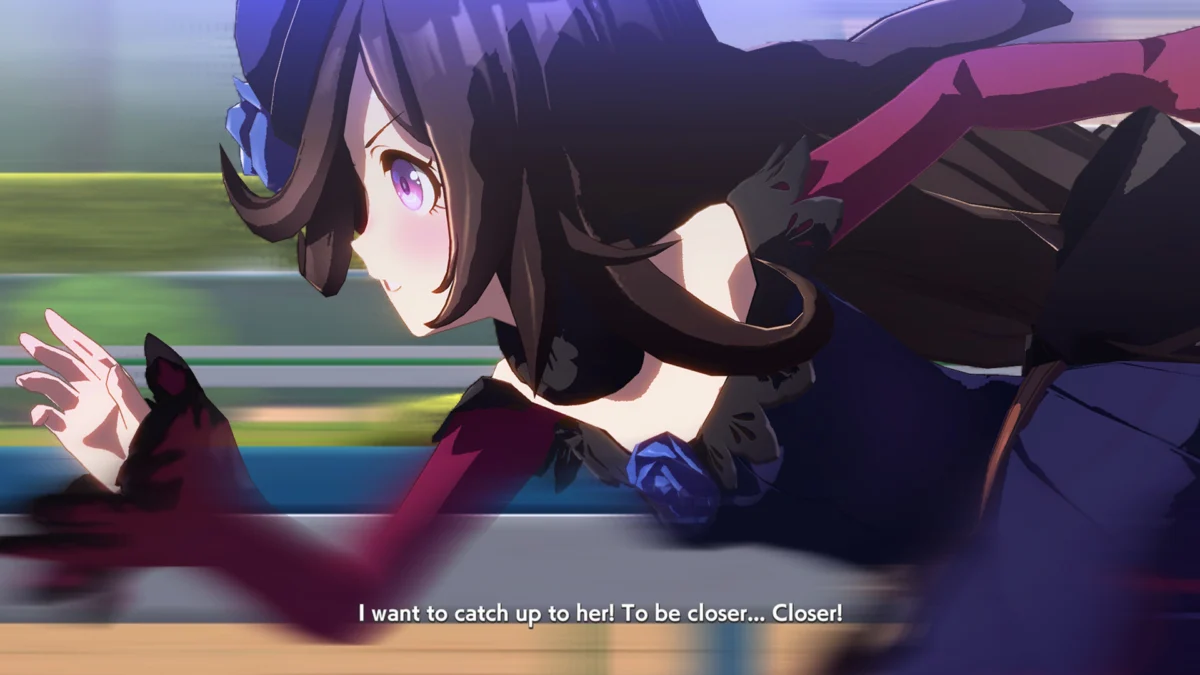
The competitive landscape of Umamusume: Pretty Derby is shifting once again as the Gemini Cup returns for 2026. Often referred to by the community as CM14, this iteration represents a stark departure from the grueling, stamina-intensive marathons players have come to associate with the Gemini title. This time, the focus shifts to the blistering speed and tactical precision required for the 1600m Mile race at Tokyo Racecourse, modeled after the prestigious Yasuda Kinen.
For trainers looking to climb the ranks, the transition from long-distance endurance to high-octane sprinting requires a complete overhaul of training priorities, inherited skill sets, and team composition strategies.
Main Facts: The Tokyo 1600m Challenge
Unlike previous Gemini Cups that punished runners for poor stamina management, the CM14 is a test of acceleration windows and terminal velocity. The race takes place on the Tokyo Turf, characterized by its long final straight.
Key Race Conditions:
- Racecourse: Tokyo
- Surface: Turf
- Distance: 1600m (Mile)
- Theme: Yasuda Kinen
- Defining Feature: A long final straight that places a premium on late-race acceleration.
The technical crux of this race lies in the acceleration timing. The "late-race" phase triggers during the final corner. Because the final straight follows shortly after, any acceleration skills that activate during that final corner are statistically superior to those that wait until the straight. Trainers must prioritize "corner acceleration" to ensure their Umamusume reaches top speed exactly as the gap to the leader begins to shrink.
Chronology of Preparation
Preparation for the Gemini Cup is not a sprint; it is a calculated process of multi-generational inheritance and stat optimization.
Phase 1: Inheritance Setup (Pre-Training)
Before touching the training menu, players must finalize their parent Umamusume. Because the race occurs at Tokyo 1600m, "Mile Aptitude S" is effectively non-negotiable for high-level play. If your primary racer does not inherit an S-rank in Mile aptitude, their speed ceiling will be significantly lower than their peers.
Phase 2: The Training Cycle
Trainers should aim for a "Speed-first" philosophy. While Stamina remains necessary to prevent "debuffing" or slowing down in the final 200 meters, the threshold is significantly lower than in previous Cups. A baseline of 600–700 Stamina is generally sufficient, provided the Speed stat is pushed toward the 1200 cap.
Phase 3: Skill Integration
Once the base stats are locked, the focus moves to the skill pool. Priority should be given to:
- Core Acceleration: The "must-have" skills for the specific running style.
- Positional Skills: Skills that ensure your runner stays in the correct "lane" to trigger their acceleration.
- Terminal Velocity: Speed-boosting skills that activate in the final stretch.
Supporting Data: Stat Targets and Inheritance
To remain competitive in the current meta, trainers should adhere to the following statistical benchmarks:

| Stat | Recommended Target |
|---|---|
| Speed | 1200 (or as close as possible) |
| Stamina | 600 – 700 |
| Power | 900 – 1000+ |
| Guts | 400+ (Higher for backline runners) |
| Wit (Intelligence) | 500 – 600+ |
| Mile Aptitude | S (Strongly Recommended) |
Essential Inherited Skills
The choice of parents dictates the viability of your runners. For Front Runners, Angling & Scheming (Seiun Sky) is the gold standard, as it triggers precisely when entering the late-race corner in first place. For Pace Chasers, Budding Blossom (Nishino Flower) is mandatory; without it, they lack the necessary explosive power to overtake the leaders.
End Closers should look to leverage Louder! Tracen Cheer! (Cheerleader King Halo), which provides a massive boost during the final straight, perfectly complementing the Tokyo course design.
Official Responses and Developer Intent
While Cygames does not issue individual "patch notes" for every specific cup, the design of CM14 reflects a clear shift in developer intent regarding race diversity. By moving the Gemini Cup from long-distance to a Mile format, the developers are actively forcing players to diversify their rosters.
Community feedback suggests that this change is intended to prevent "stamina-stacking" meta-stagnation. By creating a race where Speed and Power are the primary determinants of victory, the developers have opened the floor to a wider variety of Umamusume, effectively ending the dominance of pure endurance specialists in the Gemini bracket.
Implications: The Strategic Landscape
The shift to Tokyo 1600m has massive implications for team building. Trainers can no longer rely on a "one-size-fits-all" approach.
The End Closer Renaissance
End Closers have become the most potent threat in the current meta. Because the final straight is so long, an End Closer with the right acceleration skills can maintain a higher terminal velocity than a Front Runner who may have exhausted their stamina or acceleration window too early.
The Danger of Overlap
A critical strategic error observed in early trials is "Self-Interference." If a trainer brings three runners who all occupy the same tactical space (e.g., three Front Runners), they are essentially competing against themselves for the same "lead" position. This often causes one runner to trigger their skills prematurely, resulting in a depleted finish. A balanced team—such as a 1-1-1 split between Front, Pace, and End—is statistically more likely to secure a win, as it ensures at least one runner is in the optimal position to trigger their unique skill.
Final Strategy: The Path to Victory
To succeed in the Gemini Cup 2026, trainers must prioritize their build order with clinical precision.
- Aptitude Calibration: Do not compromise on Mile Aptitude. An A-rank runner will almost always lose to an S-rank runner with identical stats.
- Acceleration First: A runner with 1200 Speed but no acceleration skills is effectively useless. They will reach top speed too late to overcome the pack.
- The "Frontline" vs. "Backline" Balance: Ensure your team does not cannibalize itself. If you are running an End Closer, ensure they are supported by a strong Pace Chaser who can act as a "pacemaker" to keep the pack tight, forcing the opposition to burn their stamina early.
Recommended Team Compositions
- The Safe Competitive Build: 1 Front Runner (to contest the lead), 1 Pace Chaser (to bridge the gap), and 1 End Closer (to finish the race). This is the most resilient composition, capable of handling various weather and track conditions.
- The Pace Chaser-Heavy Build: Utilizing a strong Nishino Flower inheritance on two Pace Chasers, backed by one End Closer. This is a high-risk, high-reward strategy that relies on the Pace Chasers breaking the back of the opposing Front Runners early.
Ultimately, the Gemini Cup 2026 rewards the trainer who understands the mechanics of the Tokyo track more than the trainer with the highest raw stat totals. By focusing on acceleration windows and strategic team positioning, you can ensure your Umamusume dominate the final stretch and claim the title.











No comments yet. Be the first to join the conversation!