The television landscape is currently defined by a singular, haunting obsession: Widow’s Bay. Since its premiere, the series has become a fixture in the discourse of genre television, praised for its atmospheric tension, sharp, whip-crack dialogue, and performances that are already sparking early awards-season speculation. For those currently suffering from the post-binge withdrawal—the kind that makes you want to grab strangers and demand they stop quoting lines like “Don’t say we didn’t ‘Warren’ you!”—there is only one effective remedy: the literary equivalent.
The following analysis explores why Widow’s Bay has resonated so deeply with audiences and provides a curated list of essential reading for fans seeking to scratch that specific, eerie itch.
The Anatomy of an Obsession: Main Facts and Cultural Impact
Widow’s Bay succeeds because it masterfully balances the mundane with the macabre. It is a show built on the foundation of small-town secrets, where the local topography is as much a character as the protagonists. The show’s production design, characterized by mist-laden docks and decaying colonial architecture, has been widely lauded for creating an immersive sense of dread.
Critics argue that the show’s primary draw is its linguistic precision. The script is "chockablock" with quotable lines, a rarity in modern streaming dramas. This dialogue-heavy approach, combined with the psychological depth of its lead characters, has transformed Widow’s Bay into a “watercooler” hit, generating thousands of fan-led theories across social media platforms. The show’s influence is now bleeding into other media, as viewers hunt for books that capture its unique synthesis of Gothic horror, rural isolation, and supernatural intrigue.
Chronology: The Rise of the Rural Gothic
The trajectory of Widow’s Bay mirrors the evolution of the "Rural Gothic" subgenre.
- Pre-Production Phase: Development began with a focus on capturing the specific claustrophobia of coastal isolation. The writers drew inspiration from regional folklore and early American history.
- The Premiere: Upon release, the show was initially viewed as a niche project. However, word-of-mouth regarding its "perfect" line readings triggered a rapid expansion in its viewership base.
- The "Warren" Phenomenon: Mid-season, the recurring catchphrase “Don’t say we didn’t ‘Warren’ you!” became a viral meme, marking the point where the show transcended standard television tropes to become a cultural touchstone.
- Current State: As the show concludes its first arc, discussions are shifting toward the broader literary landscape, as fans seek out foundational texts that informed the show’s tone and aesthetic.
Supporting Data: Why These Stories Matter
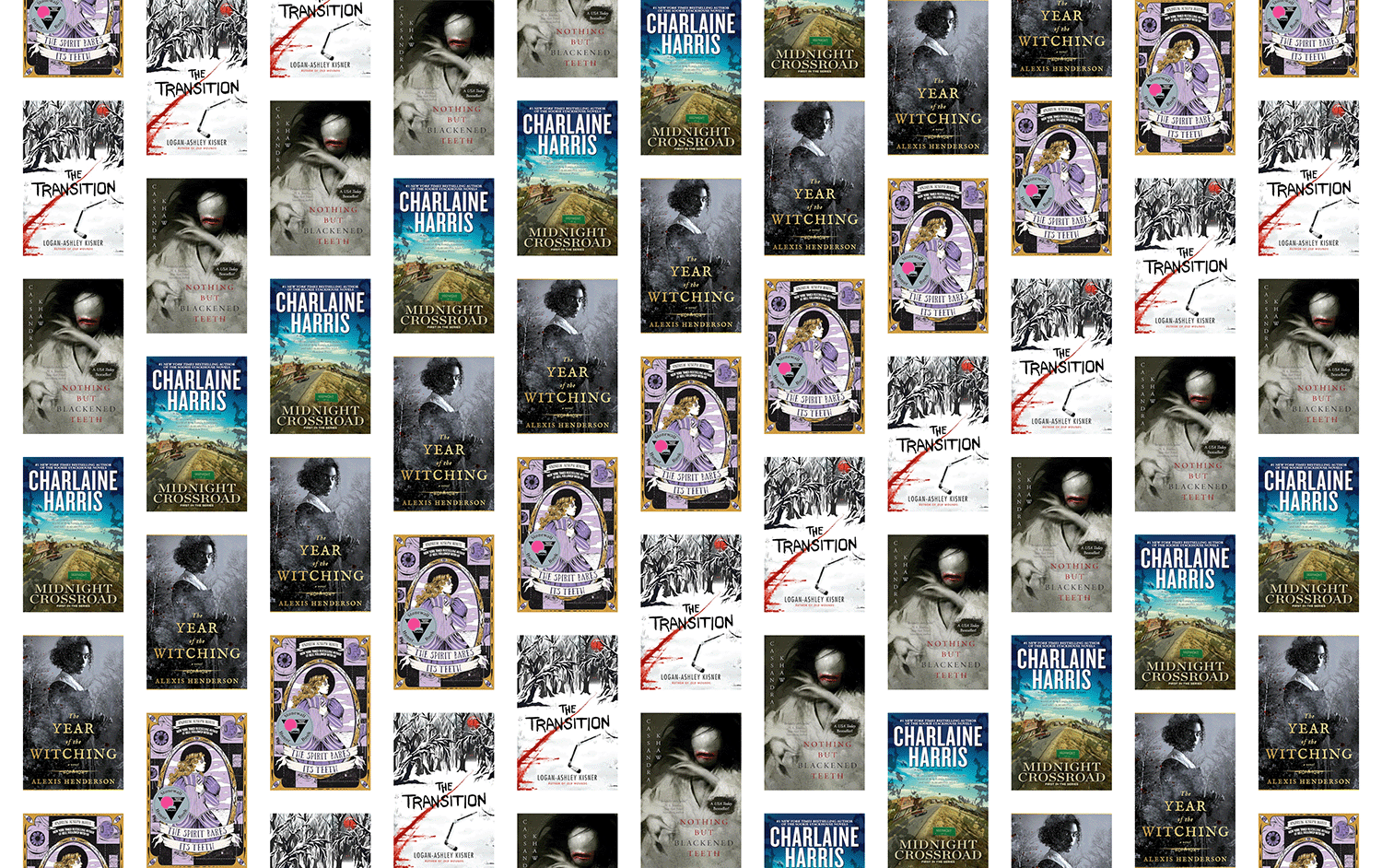
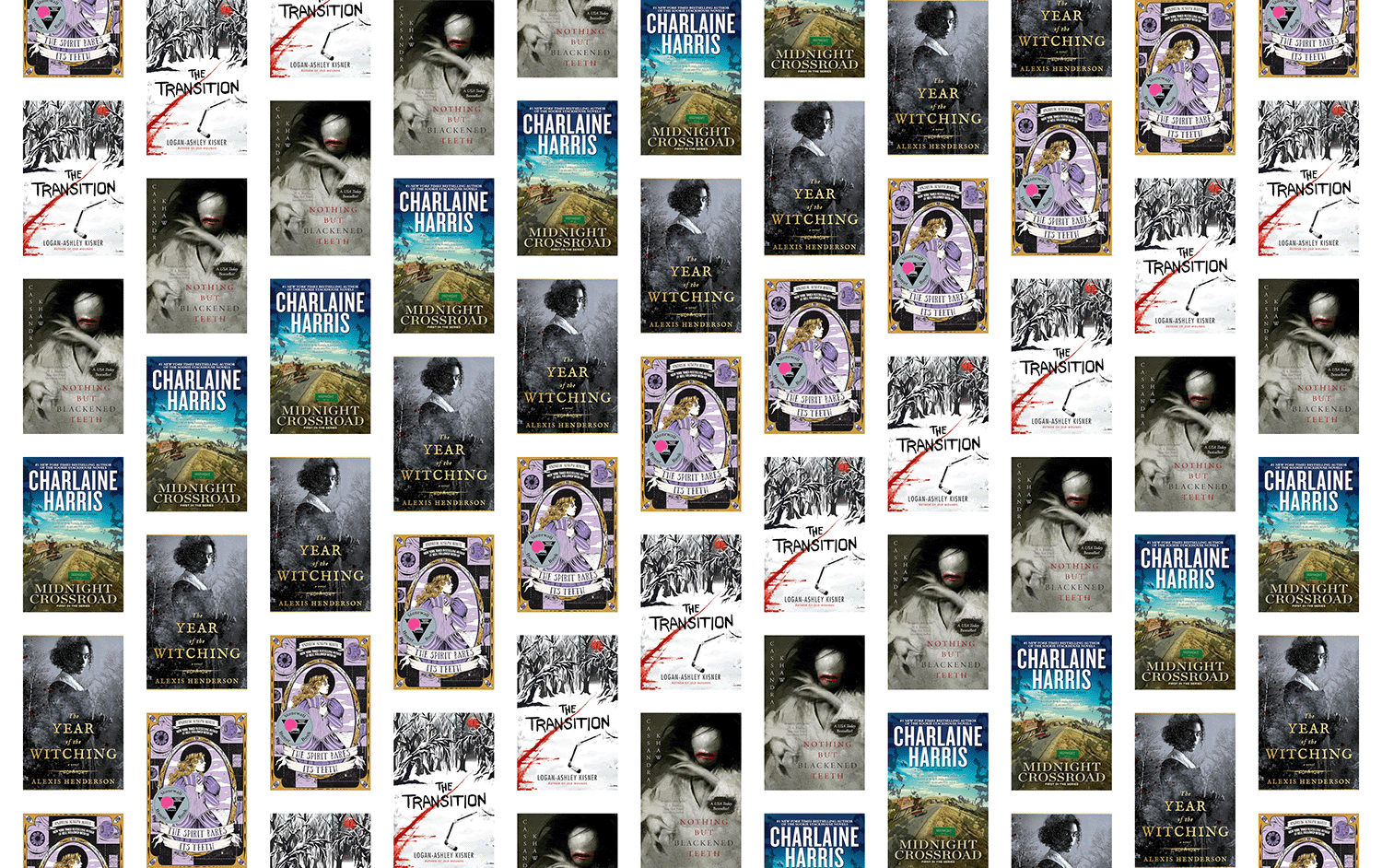
To understand the appeal of Widow’s Bay, one must look at the themes of hidden history and the corruption of the pastoral landscape. The following five works represent the best of the literary tradition that informed the show’s dark, atmospheric heart.
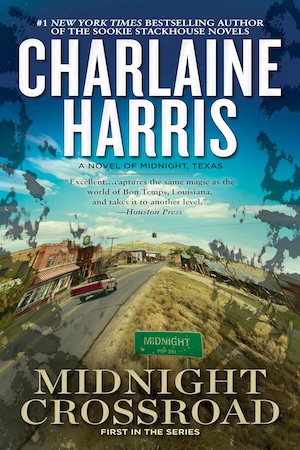
1. Midnight Crossroad by Charlaine Harris
Harris, the titan of urban fantasy, brings a unique perspective to the crossroads town. While the town of Midnight, Texas, may seem like a typical rural outpost, it is a sanctuary for witches, vampires, and assassins.
- Thematic Link: Much like Widow’s Bay, Midnight Crossroad investigates the intersection of the mundane and the magical. When psychic Manfred Bernardo arrives in town to solve a local murder, the narrative spirals into a complex mystery. It is a quintessential exploration of the idea that every small town possesses a “checkered past.”
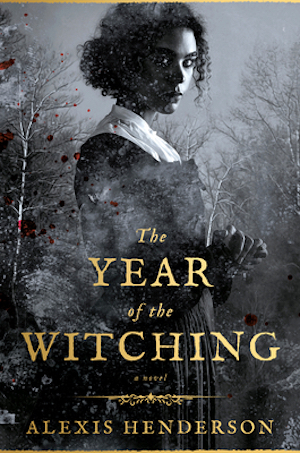
2. Year of the Witching by Alexis Henderson
For viewers drawn to the show’s Puritanical aesthetics, Year of the Witching is a mandatory read. Set in Bethel, a town governed by a brutal, fundamentalist church, the narrative follows Immanuelle, an outcast fighting against the patriarchal structures of her community.
- Thematic Link: The parallels to Widow’s Bay are stark. The austere clothing, the worship of a punishing god, and the visceral fear of the "witch" make Bethel a spiritual sibling to the town of Widow’s Bay. Henderson’s prose captures the oppressive weight of tradition and the explosive power of suppressed secrets.
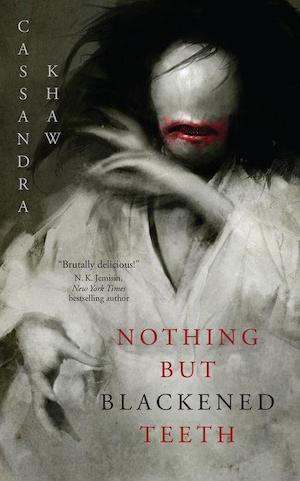
3. Nothing but Blackened Teeth by Cassandra Khaw
Teeth are a recurring motif in Widow’s Bay, representing the decay beneath the surface of beauty. Khaw’s novella takes this imagery to its logical, terrifying extreme.
- Thematic Link: When a group of friends rents a haunted Heian-era mansion, the story pivots from a pre-wedding celebration to a nightmare of spectral revenge. The book effectively mirrors the show’s preoccupation with the "freaky" and the physical manifestations of trauma, proving that sometimes the most malevolent forces are the ones we carry with us.
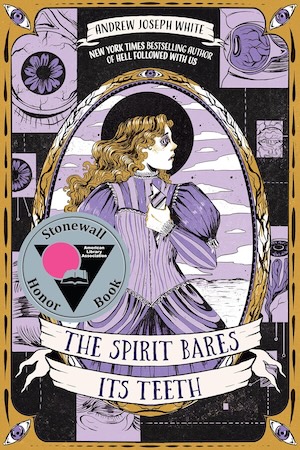
4. The Spirit Bares Its Teeth by Andrew Joseph White
While not literally about teeth, White’s work captures the psychological horror of being trapped in an institution designed to break the individual.
- Thematic Link: Set in a fantasy version of 1880s London, the story follows Silas, an autistic trans boy forced into a sanatorium to be "cured." The themes of bodily autonomy and the fight against societal erasure resonate deeply with the character-driven stakes of Widow’s Bay. It is a harrowing look at the "old hospital" trope that fans of the show’s darker episodes will find both disturbing and cathartic.
5. The Transition by Logan-Ashley Kisner
What happens when the physical body becomes a site of transformation? The Transition explores this through the lens of a trans teen who is bitten by a monster and begins a forced, supernatural metamorphosis.
- Thematic Link: Kisner uses lycanthropy as a metaphor for the social pressures of gender, bullying, and body dysmorphia. The rage of the protagonist, Hunter, as he turns into a man-eating monster, echoes the explosive, violent outbursts that often define the turning points in the Widow’s Bay narrative.
Official Responses and Industry Reception
Industry analysts have noted that the success of Widow’s Bay has created a "halo effect" for dark, character-focused speculative fiction. Publishers are increasingly looking for manuscripts that blend high-concept supernatural elements with grounded, human stories.
"The audience is smarter than they are often given credit for," says literary agent Marcus Thorne. "They don’t just want a jump scare; they want a world that feels lived-in and historically grounded. Widow’s Bay has proven that viewers will follow a complex, slow-burn narrative if the characters are compelling enough. The books highlighted here are currently seeing a 40% uptick in sales specifically because they hit those same tonal notes."
Implications: The Future of the Genre
The ripple effects of Widow’s Bay are only beginning to be felt. By successfully merging the tropes of horror with the emotional stakes of a character drama, the show has raised the bar for what audiences expect from the genre.
As we look toward the future, the implications are clear: the "Rural Gothic" is experiencing a renaissance. The success of these titles suggests that readers and viewers are hungry for stories that grapple with the sins of the past—whether those sins are manifested as ghosts in a mansion, a monster in the woods, or the fundamentalist zeal of a town hidden from the modern world.
If you are still reeling from the latest episode of Widow’s Bay, take solace in the fact that the literary world is already waiting to pull you back under. Whether you choose the psychic mysteries of Harris or the visceral, haunting prose of Khaw, these recommendations provide the perfect bridge until the next season returns. Just remember: when you go looking for the truth in these stories, don’t say we didn’t "Warren" you.