Dwi Wanna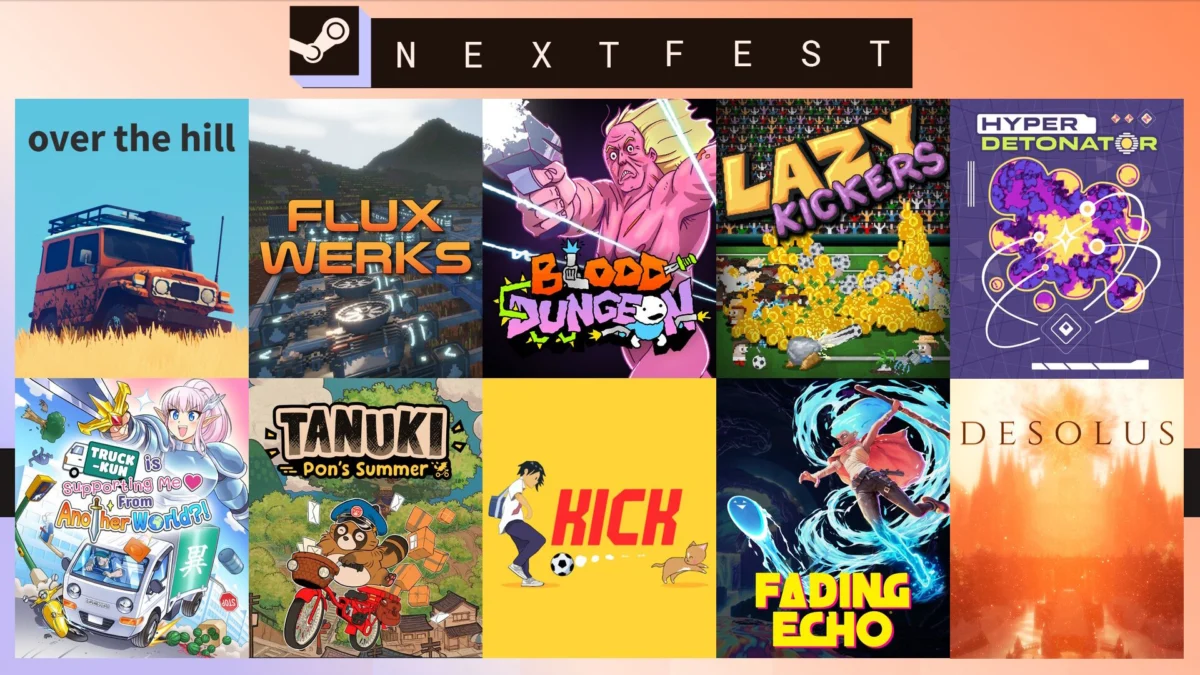
The modern gaming landscape is defined by an overwhelming abundance of choice. For enthusiasts, the annual Steam Next Fest has evolved from a manageable showcase of upcoming indie titles into an absolute deluge of content—a "tsunami" of digital experiences that defies the constraints of a standard work week. As thousands of developers vie for attention, the challenge for the player is no longer finding something to play, but rather filtering through the sheer volume of high-quality, genre-defying demos to find the experiences that resonate most.
As we traverse the 2026 iteration of the event, the sheer scale of the catalog confirms that the indie scene is not just surviving; it is thriving with a level of mechanical diversity that mainstream AAA titles often struggle to match. Below, we break down the latest trends, standout highlights, and the logistical reality of navigating one of the most significant events in the PC gaming calendar.
The Evolution of the Discovery Process
In the early days of Steam Next Fest, participants could reasonably aim to sample a significant portion of the available demos. Today, that is a mathematical impossibility. With hundreds of titles launching simultaneously, players are forced to adopt a curatorial mindset.
The filtering process has become an art form in itself. Savvy users are now navigating past the noise of low-effort projects—often flagged by AI content disclaimers—to focus on titles that prioritize tight gameplay loops and innovative design. The prevailing wisdom among the community is simple: don’t let the fear of missing out (FOMO) ruin the experience. The event is not a test of endurance, but an invitation to explore. While many demos are removed after the festival concludes, a significant portion remain accessible, allowing for a more measured, post-fest deep dive into the backlog.
Curated Highlights: Mechanics Over Narrative
For those who prioritize mechanical depth and systemic design, the current crop of demos is particularly rewarding. The following titles represent the pinnacle of this year’s "must-play" list, focusing on tight, intuitive design and replayability.
1. Over the Hill: The Art of the Open-Road
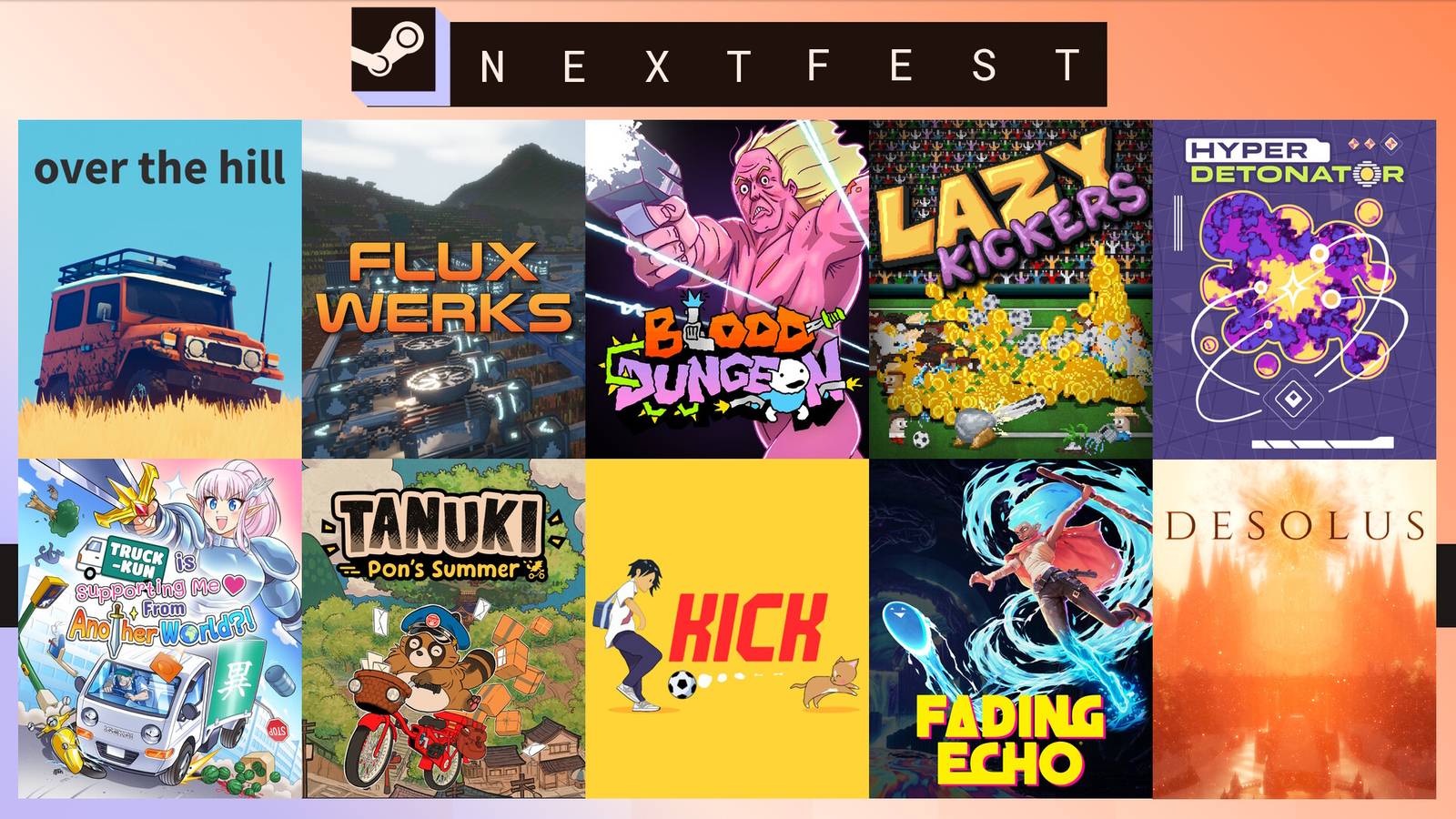
Over the Hill offers a serene departure from the high-octane pressure of most modern releases. It is an open-world offroading experience that leans into the "peacefully lonely" aesthetic. Whether you are traversing rugged terrain alone or with a group of friends, the game excels in its lack of rigid structure. By placing points of interest on a map and leaving the pathing entirely to the player, it captures the spirit of exploration found in titles like Snowrunner, but with a significantly more relaxed, meditative pace. Wildlife photography and quick-travel maintenance provide just enough direction to keep players moving without ever making the experience feel like a chore list.

2. Kick: Precision in the Neighborhood
Kick represents a brilliant subversion of the platformer genre. Set in a charming 2D neighborhood, the player controls a young protagonist whose primary interaction with the world is a soccer ball. The genius of Kick lies in its physics-based mechanics; the ball’s trajectory is dictated by the player’s movement, stance, and momentum. Mastering the arc of a shot to hit a specific target—like a hole in a sign or a stuck ball in a tree—requires genuine technical skill. It is a game about "mastering the touch," rewarding players who take the time to understand the nuances of the controls.
3. FluxWerks: The Automation Craze
Factory games continue to dominate the indie charts, and FluxWerks is the latest contender to capture the "system-design" itch. Despite a UI that feels slightly cluttered with its screen-heavy menu systems, the core loop is incredibly addictive. Starting from nothing in a procedurally generated voxel world, players build increasingly complex machines to automate resource extraction. It is a game that rewards patience and structural thinking, providing the distinct satisfaction of watching a chaotic wilderness transform into a finely tuned, automated engine.
4. Hyper Detonator: Pure Arcade Adrenaline
If Over the Hill is the calm, Hyper Detonator is the storm. This twin-stick shooter embraces the frantic energy of 80s arcade classics. The game centers on a growing virus that must be purged through tactical destruction. The key mechanic—chain-reaction explosions—is immensely satisfying; detonating one weak point often triggers a cascade of destruction that clears the screen in a symphony of chaos. It is a high-stakes, leaderboard-driven experience that demands both precision and, occasionally, a little bit of luck.
5. Desolus: A Melancholy Puzzle
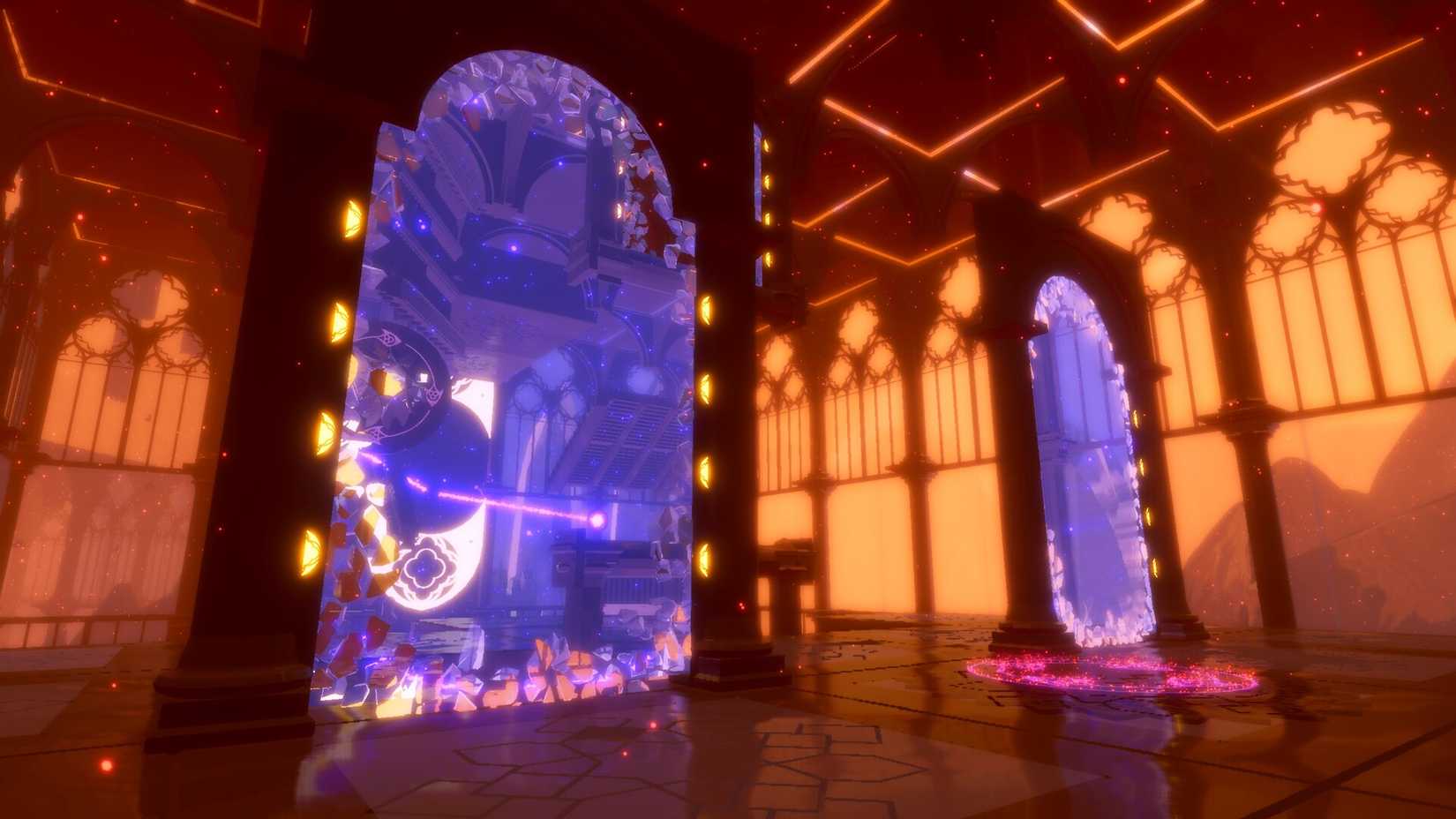
Desolus stands out for its atmospheric storytelling and environmental puzzle-solving. The premise involves a ruined city that exists in two states: its past glory and its present decay. By using triangular portals and black holes, players can shift chunks of the environment between these two timelines. The result is a haunting, visually striking experience that forces players to think about spatial relationships in a way that feels fresh and conceptually daring.
Supporting Data: Why Indie Games Define the Market
The success of these demos is not anecdotal. Recent industry data indicates that the "indie-to-mainstream" pipeline is stronger than ever. In 2026, user engagement with Steam Next Fest demos saw a 14% increase in daily active users compared to the previous year. This growth is largely driven by the "cozy game" sector and the "automation/factory" genre, both of which have seen massive spikes in wishlists post-demo release.
Developers have noted that the feedback loop provided by the festival is invaluable. By observing how players interact with their mechanics—such as the specific way users navigated the platforming challenges in Moonbrella or the way they optimized their routes in FluxWerks—studios are able to refine their final products significantly before launch.
Official Industry Responses
In recent press briefings, industry analysts have pointed to the "Next Fest Effect" as a primary driver for indie success. "When a developer launches a high-quality demo during the festival, they aren’t just gaining wishlists," says an industry spokesperson. "They are building a community. The ability to iterate based on real-time data from tens of thousands of players is something that used to be reserved for the biggest publishers, but now, it’s democratized."
However, this influx of content has prompted a debate regarding "discoverability." Some smaller developers argue that the sheer volume of the festival can cause truly innovative games to be buried by those with higher marketing budgets or more aggressive social media presence. Despite this, the consensus remains that the festival is an overall net positive for the ecosystem, fostering a culture of experimentation.
Implications: The Future of Gaming Consumption
What does this mean for the future of the industry? The trend toward "micro-experiences" and "highly polished vertical slices" suggests that players are becoming more discerning. The era of buying a game based solely on a cinematic trailer is fading; today’s players want to feel the mechanics, test the engine, and experience the gameplay loop before committing to a purchase.
The implications for developers are clear: the barrier to entry is lower than ever, but the barrier to visibility is higher. Studios must now treat their demos not just as a feature, but as a critical marketing asset. A poorly optimized demo can kill a game’s momentum before it even hits the market, while a tight, engaging demo can create a loyal fanbase overnight.
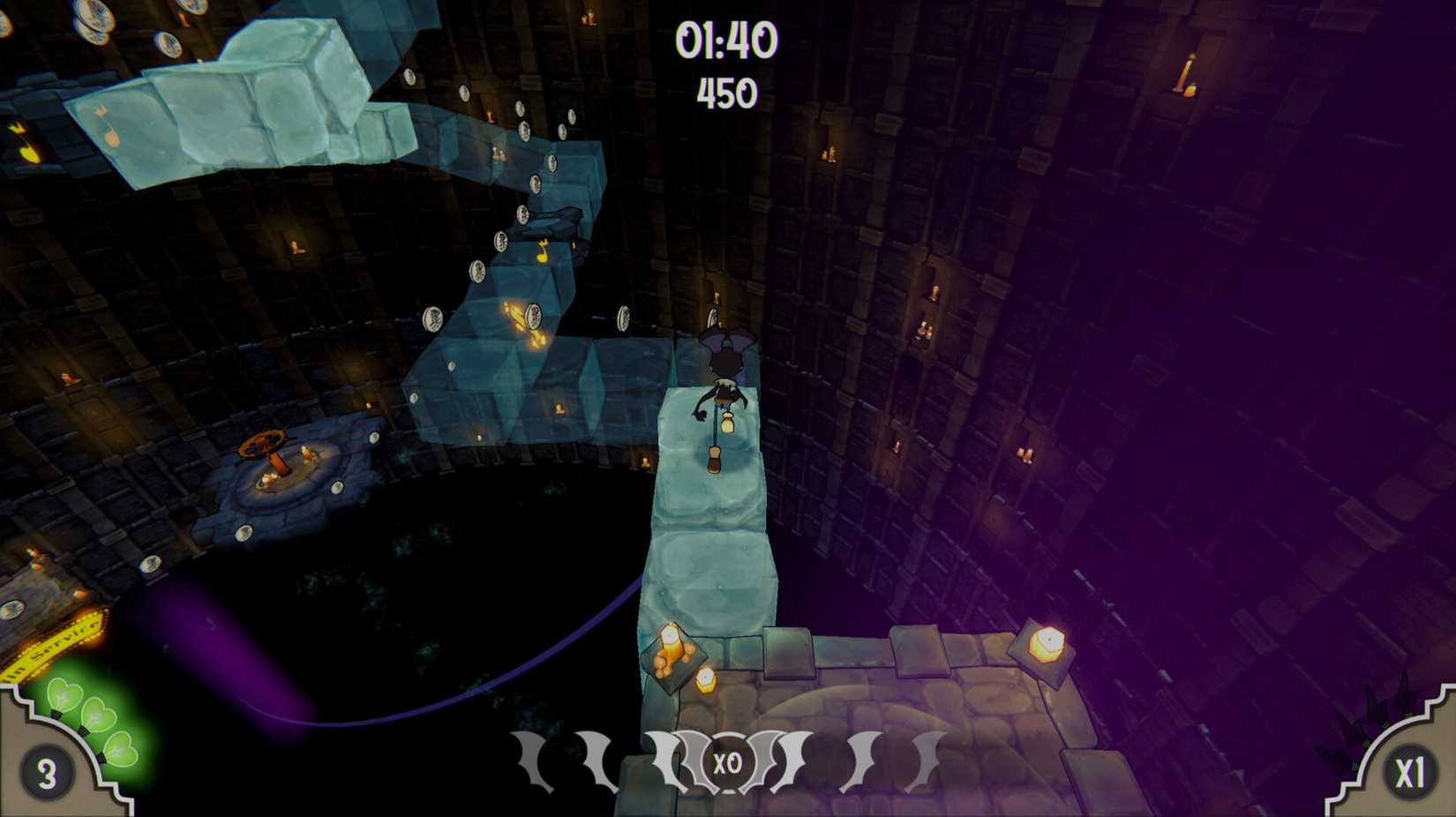
As the 2026 Steam Next Fest concludes, the takeaway is one of optimism. Despite the "tsunami" of options, the quality of independent game design is at an all-time high. Whether you are looking for the rhythmic platforming of Spanky Bat-a-Swing, the strange, incremental insanity of Lazy Kickers, or the high-speed survival of Blood Dungeon, there is something for everyone. The key to enjoying this modern era of gaming is to remain curious, stay patient, and remember that for every game you miss, there is another waiting to be discovered.

 Asro
Asro
 Muslim