Muslim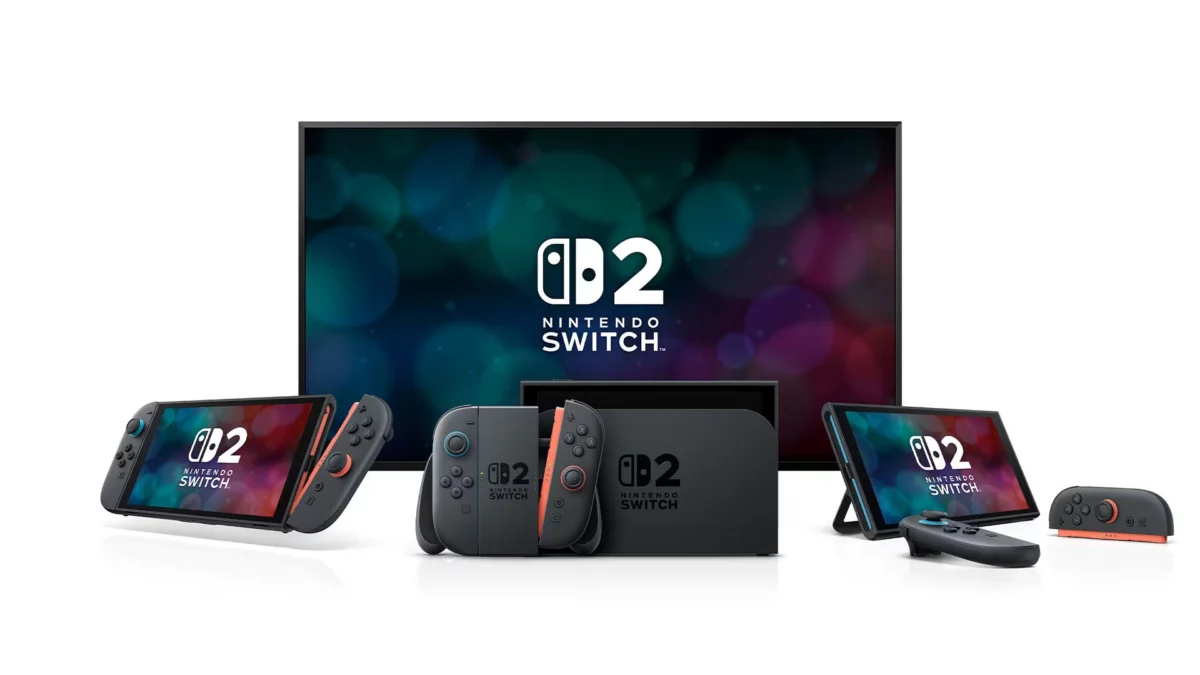
Brussels, Belgium / Kyoto, Japan – In a significant move set to redefine consumer electronics design and longevity, Nintendo has officially announced a forthcoming revision of its next-generation console, tentatively dubbed "Switch 2," specifically for the European market. This strategic update will ensure that the console and its accompanying Joy-Con controllers feature user-replaceable batteries, a direct response to a pivotal European Union regulation mandating accessible power sources in consumer hardware by 2027. The proactive compliance underscores a broader industry shift towards sustainability and consumer empowerment, driven by increasingly stringent environmental directives from regulatory bodies.
The announcement, delivered through Nintendo’s corporate channels, confirms that products carrying new model numbers, specifically those commencing with "BEE," which are understood to designate the upcoming Switch 2 and its peripherals, will be engineered to meet these new standards. This means that, for the first time in a major Nintendo handheld console in recent memory, users will be able to perform battery replacements on both the core console unit and its detachable controllers, significantly extending the potential lifespan of the devices and offering greater repairability.
This development aligns with the EU’s comprehensive Batteries Regulation (EU 2023/1542), which was formally adopted in July 2023. This landmark legislation aims to curtail electronic waste, promote a circular economy, and empower consumers with the "right to repair" their devices. The regulation stipulates that by January 1, 2027, all portable batteries in consumer hardware sold within the EU must be readily removable and replaceable by the end-user, either with standard tools or specialized instruments provided by the manufacturer, accompanied by clear instructions and safety guidelines.
Nintendo’s Proactive Compliance: A Design Overhaul for the European Market
Nintendo’s decision to integrate user-replaceable batteries into the design of its next flagship console is a testament to the undeniable influence of EU legislation on global product development. For a company renowned for its tightly integrated and often proprietary hardware designs, this represents a notable pivot. The announcement specifically mentions that devices with model numbers beginning with "BEE" – a clear indicator of the upcoming hardware generation – will incorporate these design changes. This suggests a dedicated engineering effort to redesign core components of the console and its controllers to facilitate user access to battery compartments.
Historically, Nintendo, like many consumer electronics giants, has favored designs where battery replacement often required specialized tools, intricate disassembly, or professional service, if it was even possible. This approach, while potentially allowing for more compact or robust designs, has contributed to the growing global challenge of electronic waste (e-waste) by shortening the effective lifespan of devices once their integrated batteries degrade.
The upcoming Switch 2, therefore, will feature internal design modifications that allow for simpler battery access. While the specifics of these modifications remain undisclosed, they could involve easily removable back panels, standardized screw types, or modular battery components that can be disconnected and replaced without extensive technical expertise. This not only empowers the end-user but also has significant implications for repair services, potentially reducing costs and turnaround times for battery-related issues.
The Mandate: EU’s Batteries Regulation – A Landmark for Sustainability
The European Union’s Batteries Regulation (EU 2023/1542), adopted by the Council in July 2023, is a cornerstone of the bloc’s ambitious environmental agenda, particularly its drive towards a circular economy. This regulation is far more comprehensive than previous directives, addressing the entire lifecycle of all battery types placed on the EU market, from design and production to reuse and recycling. Its primary objectives are to reduce the environmental and social impacts of batteries, promote sustainable sourcing of raw materials, and enhance the longevity and reparability of battery-powered products.
A Landmark Legislation for Sustainability
The regulation’s emphasis on user-replaceable batteries is a direct response to the escalating problem of e-waste. Modern portable electronic devices, from smartphones to game consoles, frequently become obsolete not because their core components fail, but because their non-replaceable batteries degrade, leading to reduced performance and shorter usage times. This "planned obsolescence" encourages consumers to replace entire devices, contributing to mountains of discarded electronics.
By mandating user-replaceable batteries, the EU aims to:
- Extend Product Lifespans: Consumers can easily replace a worn-out battery, allowing them to continue using their device for many more years, thus reducing the frequency of new purchases.
- Reduce E-Waste: Fewer devices are prematurely discarded, lessening the volume of electronic waste that needs to be processed, which often contains hazardous materials.
- Empower Consumers: Individuals gain more control over their devices, fostering a sense of ownership and reducing reliance on manufacturers for basic maintenance.
- Promote a Circular Economy: The regulation encourages manufacturers to design products with durability, reparability, and recyclability in mind from the outset, moving away from a linear "take-make-dispose" model.
Consumer Empowerment and Environmental Stewardship
Beyond the user-replaceable battery mandate, the Batteries Regulation introduces a host of other provisions. It sets stringent requirements for battery performance, durability, and safety. Furthermore, it introduces "battery passports" for industrial and electric vehicle batteries, providing detailed information on their composition, origin, and carbon footprint. While these specific elements may not directly affect the Switch 2’s design, they underscore the holistic approach the EU is taking to battery management. The legislation also establishes clear responsibilities for producers regarding end-of-life collection and recycling, ensuring that the environmental impact is mitigated at every stage.
Chronology of Developments: From Legislative Intent to Industry Adaptation
The journey to user-replaceable batteries in consumer electronics has been a protracted one, driven by persistent advocacy and legislative foresight.
From Proposal to Policy: The EU’s Legislative Journey
The seeds of the Batteries Regulation were sown years ago as part of the European Green Deal, an ambitious package of policy initiatives aimed at making the EU climate-neutral by 2050. Discussions around improving battery sustainability and reducing e-waste gained momentum, leading to the European Commission’s proposal for a new Batteries Regulation in December 2020. This proposal underwent extensive debate, negotiation, and refinement within the European Parliament and the Council of the European Union.
Key stakeholders, including environmental NGOs like the European Environmental Bureau and consumer rights organizations, played a crucial role in advocating for stronger provisions, particularly regarding repairability. They highlighted the environmental and economic benefits of enabling consumers to fix their devices rather than discarding them. The final text, adopted in July 2023, represented a compromise but retained strong measures, including the 2027 deadline for user-replaceable portable batteries.
Anticipating the Change: Industry Whispers and Official Confirmations
For electronics manufacturers, the impending regulation was not a sudden surprise. Industry analysts and insiders have been tracking the EU’s legislative progress for several years. Earlier in 2023, reports from various industry publications and supply chain sources began to circulate, indicating that Nintendo was indeed working on a revised version of the Switch 2 specifically tailored for the EU market to incorporate a replaceable battery. These reports suggested that the company was already deep in the design and engineering phase to accommodate the regulation.
Nintendo’s official announcement now confirms these earlier conjectures. By proactively communicating its compliance, Nintendo signals its commitment to operating within the EU’s regulatory framework and potentially seeks to allay any consumer concerns about the longevity or repairability of its next-generation hardware. This forward-looking approach is crucial for maintaining market access and consumer trust within one of the world’s largest economic blocs.
Broader Context: The Environmental Imperative
The EU’s Batteries Regulation is part of a larger, global movement to address the environmental footprint of modern technology. The escalating production and consumption of electronic devices have created an unprecedented e-waste crisis, with millions of tons of discarded electronics annually polluting landfills and leaching hazardous substances into the environment.
Tackling E-Waste: Collection and Recovery Targets
Central to the EU’s strategy are ambitious collection and recovery targets for battery waste. For portable battery waste, the regulation sets two specific collection targets:
- 63% by the end of 2027
- 73% by the end of 2030
These targets aim to ensure that a significant majority of used portable batteries are collected separately and channeled towards proper recycling facilities, preventing them from ending up in general waste streams. This structured approach to waste management is vital for recovering valuable raw materials and minimizing environmental damage.
Furthermore, the regulation introduces specific material recovery targets for recycling processes, with particular attention paid to lithium batteries due to their growing prevalence and the critical raw materials they contain. For lithium batteries, the targets are even higher:
- 50% material recovery by the end of 2027
- 80% material recovery by the end of 2030
These stringent targets compel recycling facilities to adopt more efficient and advanced technologies to extract precious metals and other valuable components from spent batteries, reducing the need for new mining and promoting a closed-loop system.
The Lifecycle Approach to Battery Management
The EU’s regulation represents a holistic "lifecycle" approach, recognizing that environmental impact occurs at every stage of a battery’s existence – from the mining of raw materials (often associated with significant social and environmental costs) to manufacturing, use, and eventual disposal or recycling. By focusing on design, collection, and recovery, the EU aims to create a more sustainable battery industry that supports its broader climate goals and fosters a truly circular economy. This also includes provisions on due diligence for companies sourcing raw materials for batteries, ensuring responsible supply chains.
Technical & User Implications: What This Means for Gamers
The shift to user-replaceable batteries in the Switch 2 brings a mix of technical challenges for Nintendo and tangible benefits, alongside some lingering questions, for consumers.
Design Challenges and Engineering Solutions
For Nintendo’s engineers, integrating a user-replaceable battery into a compact, portable gaming device like the Switch 2 presents several design hurdles. Factors such as device thickness, weight distribution, structural integrity, and even water resistance (a feature often compromised by easily accessible panels) must be carefully considered. Manufacturers typically prefer internal, non-removable batteries for several reasons:
- Space Optimization: Tightly integrated batteries allow for thinner, lighter designs.
- Durability: Fewer moving parts or access points can enhance structural robustness and dust/water resistance.
- Cost: Designing for easy access can add complexity and cost to manufacturing.
- Security: Prevents users from installing potentially unsafe third-party batteries.
Nintendo will need to innovate to overcome these challenges, potentially utilizing new battery module designs, secure but accessible fastening mechanisms, and robust sealing technologies to maintain the device’s overall quality and user experience while adhering to the EU mandate.
Unanswered Questions for Early Adopters and Warranty
While the announcement is a positive step, it leaves several critical questions unanswered, particularly for consumers who might purchase the initial versions of the Switch 2 before the revised "BEE" models are widely available, or those who already own existing Nintendo Switch consoles (which do not comply with the new regulation).
- Existing Switch 2 Owners: It remains unclear how this update will affect EU users who have already purchased an initial Switch 2 model (if any are released before the "BEE" variants) or if Nintendo will offer any upgrade path or service for early adopters.
- Warranty Implications: Will replacing a battery yourself void the warranty? The EU regulation aims to prevent this, but the specifics of Nintendo’s warranty policy will be crucial. Manufacturers are generally required to provide clear instructions, but the onus of proper replacement often falls on the user.
- Availability and Cost of Official Parts: Will Nintendo make official replacement batteries readily available for purchase, and at what price point? The success of the user-replaceable model heavily depends on the accessibility and affordability of genuine parts.
- Tooling and Instructions: Will Nintendo provide the necessary specialized tools (if any) and comprehensive, easy-to-follow instructions for battery replacement, as stipulated by the regulation?
The DIY Repair Movement and Manufacturer Responsibilities
This regulation is a significant victory for the burgeoning "Right to Repair" movement, which advocates for consumers’ ability to repair their own electronic devices without undue obstacles from manufacturers. By requiring user-replaceable batteries, the EU is pushing manufacturers towards greater transparency and support for independent repair. This move also implicitly acknowledges that manufacturers have a responsibility not only for the initial sale but also for the entire lifecycle and environmental impact of their products.
Industry-Wide Impact and Future Outlook
Nintendo’s compliance with the EU’s Batteries Regulation is more than just an isolated corporate decision; it represents a bellwether for the wider consumer electronics industry, potentially setting a new global standard.
A Precedent for Global Consumer Electronics?
The EU has a history of pioneering regulations that eventually become de facto global standards due to the size and economic influence of its single market. The General Data Protection Regulation (GDPR) and the recent mandate for USB-C as a universal charging port are prime examples. Just as Apple eventually adopted USB-C across its product line, it is plausible that other major electronics manufacturers, including competitors in the gaming console space, will follow suit with user-replaceable batteries, even for products sold outside the EU. Designing distinct products for different regions can be costly and complex, often making a universal, compliant design the more efficient option.
The Ripple Effect: Potential Changes in Other Markets
The article notes that "some reports suggest this change could also be implemented in Japan and the US if consumer laws are updated in those countries." This highlights the potential for a "ripple effect." Consumer advocacy groups and environmental organizations in other major markets are closely watching the EU’s initiatives. Should similar "right to repair" legislation gain traction in countries like the United States, Canada, or Japan, manufacturers like Nintendo would likely expand their user-replaceable battery designs globally, rather than maintaining geographically segmented product lines. This could accelerate the adoption of sustainable design principles worldwide.
Beyond Batteries: The Right to Repair Movement
The user-replaceable battery mandate is a key victory for the broader "Right to Repair" movement. This movement advocates for legislative changes that would require manufacturers to make parts, tools, and repair manuals available to consumers and independent repair shops. Proponents argue that such laws would combat planned obsolescence, reduce e-waste, and foster consumer choice. The EU’s Batteries Regulation, alongside its upcoming rules on product durability and repair information, places the bloc at the forefront of this global movement, challenging traditional business models that prioritize new sales over product longevity.
Official Responses and Industry Reactions
Nintendo’s official communication focuses squarely on its compliance with EU legislation, framing the update as a necessary step to meet regulatory requirements. The company’s public stance is one of pragmatic adaptation, ensuring continued market access in a crucial region. While no direct quotes from other industry leaders or competitors were provided in the original article, the general industry sentiment towards such regulations is often mixed.
On one hand, compliance adds complexity and potentially cost to product design and manufacturing. Companies may need to re-evaluate their supply chains, invest in new engineering solutions, and potentially revise their assembly processes. There might also be concerns about the perception of user-serviceable parts affecting product premiumization or potential safety issues if users install uncertified batteries.
On the other hand, proactive compliance can be a powerful marketing tool, burnishing a company’s image as environmentally responsible and consumer-friendly. It can also future-proof products against further legislative changes and reduce the risk of fines or market exclusion. For Nintendo, maintaining its strong presence in the European market, a region with a significant installed base of gamers, is paramount. By adapting its hardware, Nintendo is not just meeting a legal obligation but also positioning itself favorably with an increasingly environmentally conscious consumer base. The company’s history of innovation suggests it will likely find elegant solutions that integrate these new requirements without compromising its renowned user experience.
Conclusion: A New Era for Consumer Electronics
Nintendo’s announcement regarding user-replaceable batteries in the upcoming Switch 2 for the European market marks a pivotal moment for both the company and the wider consumer electronics industry. It is a clear demonstration of how robust regulatory frameworks, such as the EU’s comprehensive Batteries Regulation, are driving fundamental changes in product design and manufacturing philosophy.
This move extends beyond mere compliance; it represents a tangible shift towards greater product longevity, reduced environmental impact, and enhanced consumer empowerment. While technical challenges and logistical questions remain, the direction is clear: the future of portable electronics will increasingly prioritize sustainability and the "right to repair." As the 2027 deadline approaches, and with the EU continuing to champion a circular economy, Nintendo’s proactive adaptation may well serve as a blueprint for how global tech giants will navigate an evolving landscape of environmental responsibility and consumer rights in the years to come. The era of the easily disposable gadget may finally be drawing to a close, ushering in a new chapter where durability and repairability are as valued as innovation and performance.


 Lina Irawan
 Sagoh
Sagoh