Nila Kartika Wati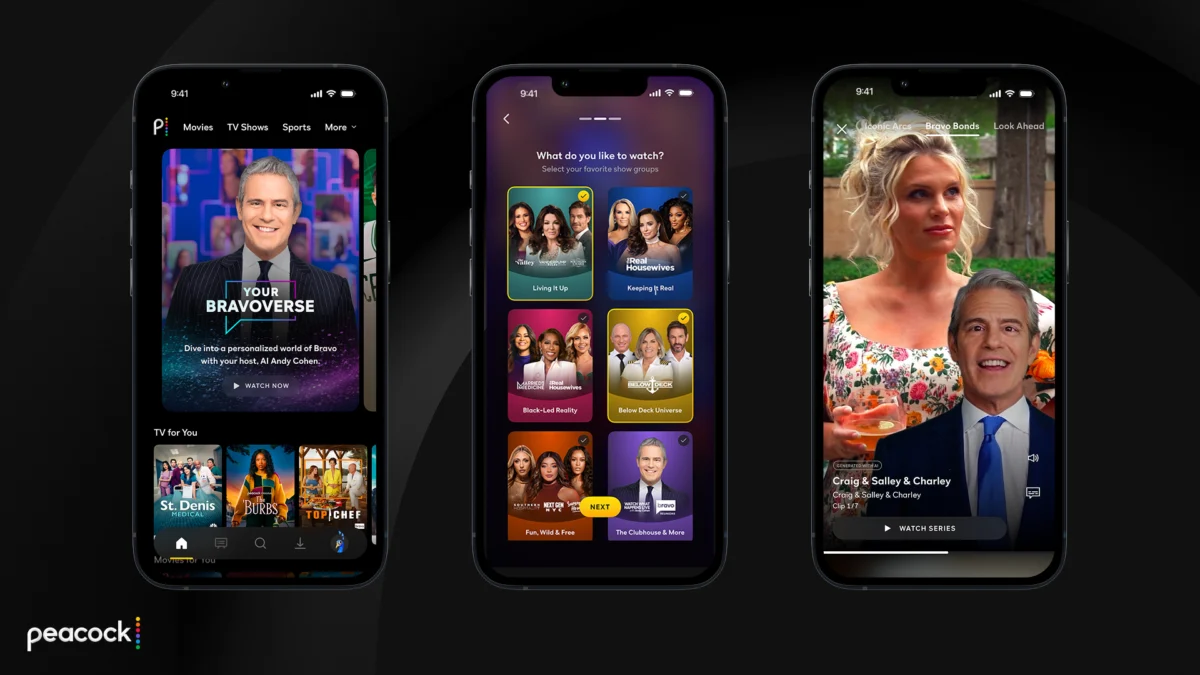
In an era where the battle for audience attention is measured in seconds rather than hours, Peacock is making its most aggressive move yet to capture the mobile-first generation. This Monday, the NBCUniversal-owned streaming service is set to debut its first-ever original vertical microdramas, a bold strategic pivot that signals a fundamental shift in how the platform intends to integrate into the daily routines of its subscribers.
The launch, led by the debut of the unscripted series Campus Confidential—a project under the Bravo banner—marks the beginning of a broader initiative to transform Peacock from a traditional long-form streaming service into a multifaceted, mobile-native ecosystem. By embracing vertical video, interactive gaming, and AI-driven curation, Peacock is attempting to solve a perennial streaming problem: the "app-open" frequency.
The Strategic Imperative: Why Vertical Matters
For streaming platforms, the primary challenge is no longer just securing a subscription; it is maintaining the daily habit. Matt Strauss, the chairman of NBCUniversal Media Group, believes that the secret to long-term success lies in the "incremental hour"—the small pockets of time users spend on their phones during commutes, waiting in lines, or winding down before bed.
"We’re trying to give people reasons to open up our app every single day," Strauss explained in an interview with The Hollywood Reporter. "We’re being very surgical, identifying the fandoms that we believe we can super-serve, and how do we drive and generate more of that share of time by ensuring that we are the absolute best destination for these fans to want to spend more of their video calories on Peacock."
The "video calories" metaphor is apt. In a digital landscape dominated by TikTok, Instagram Reels, and YouTube Shorts, Peacock is betting that the quality of its intellectual property (IP) will distinguish its vertical offerings from the infinite scroll of social media.
Chronology of a Transformation
Peacock’s pivot to mobile was not an overnight decision; it is the culmination of a multi-year strategy to modernize NBCUniversal’s digital footprint.
- The Foundation (2023): Peacock began testing the waters with bite-sized content, integrating clips from its most popular shows into its interface. This established the baseline for how users interacted with shorter-form content within the app.
- The Gaming Expansion (Early 2024): The introduction of mobile games like Law & Order and Jeopardy! Today served as a proof-of-concept for non-video engagement. These games proved that users were willing to interact with NBCUniversal brands in ways that went beyond passive watching.
- The Live Experiment (Mid-2024): The platform pushed into live sports, broadcasting vertical video clips from the NBA and FIFA World Cup. This demonstrated that the infrastructure could handle high-stakes, real-time vertical content.
- The Content Diversification (Late 2024): The launch of Shop What Happens, a vertical live series with integrated e-commerce capabilities, moved the platform into the realm of "shoppable entertainment."
- The Current Milestone (Monday): The premiere of Campus Confidential and the upcoming rollout of a dedicated vertical video feed represent the final phase of this rollout, marking the transition from "experiment" to "platform pillar."
Supporting Data and The "Flywheel" Effect
NBCUniversal is leveraging its massive content library to fuel this transition. Liz Jenkins, chief business officer for NBCUniversal Entertainment, views the shift as a necessary evolution of the company’s "flywheel."
"If you think about microdramas, essentially, they are very soap opera-esque," Jenkins notes. "One could argue that Bravo and these docusoaps are sort of the current iteration, or at least a close cousin to the legacy soap opera."
The data supports this logic. By converting high-engagement franchises into vertical formats, Peacock is not just creating new content; it is extending the lifespan of existing IP. The strategy involves:
- Original Microdramas: High-production value, short-form scripted and unscripted content.
- Licensed Content: Strategic partnerships, such as the licensing of microdramas from ReelShort, to populate the feed with diverse, bingeable content while internal originals are in production.
- Automated Conversion: Utilizing proprietary tech to convert the vast NBCUniversal library—including hits like The Office or Saturday Night Live—into vertical formats, reducing the overhead of content creation.
Technological Innovation: The AI Integration
At the heart of this strategy is a heavy investment in artificial intelligence. Peacock is not simply cropping horizontal video into a vertical frame; it is using AI to intelligently reframe content, ensuring that the focal point of the action remains center-screen.
Perhaps the most novel application of this tech is the AI-powered version of Andy Cohen, which will serve as a digital guide for users navigating Bravo clips. This creates a personalized "Bravoverse" experience, where the platform feels curated and human-centric despite being powered by algorithms.
Strauss emphasizes that the technology is scalable. "We’ve designed this in a way that it could be extrapolated to any large catalog of programming," he says. "Imagine The Office being an experience, or SNL. When you combine these four elements of clips, live vertical video, originals, and innovation, you know this is not something that happened overnight."
Implications for the Streaming Landscape
Peacock’s move puts it in direct competition with the "big two"—Netflix and Disney+—both of which have recently refreshed their own vertical video offerings. The industry is reaching a consensus: the vertical screen is the new primary screen.
1. The Death of the "Passive Viewer"
The move toward microdramas and interactive gaming signals that streaming platforms are moving away from the "lean-back" model. Users are now expected to be active participants—tapping, swiping, and purchasing directly within the app.
2. IP Longevity
For legacy media companies like NBCUniversal, the challenge is keeping their franchises relevant to younger demographics who prioritize "snackable" content. By turning The Real Housewives or SNL into vertical experiences, Peacock is ensuring that its brand remains part of the daily cultural conversation rather than a destination only visited during prime-time hours.
3. The Challenge of Monetization
While engagement metrics (time spent, app-opens) are the primary goal, the ultimate implication is revenue. By integrating click-to-buy features like those in Shop What Happens, Peacock is testing a new model of direct-to-consumer advertising that bypasses traditional 30-second spots.
Conclusion: Meeting the Audience Where They Are
The streaming wars have entered a phase of extreme personalization. As Liz Jenkins points out, these franchises have survived decades of media evolution because they possess an emotional connection with fans. The shift to vertical video is not an abandonment of that legacy, but a preservation of it.
"These franchises, big IPs, have lasted for decades and survived lots of different cycles of innovation," Jenkins adds. "It is how do you continue to nurture and extend the health and relevance of these franchises and deliver fans what they need?"
As Peacock prepares to roll out its dedicated vertical feed later this summer, the message to the industry is clear: the future of television isn’t just on the wall-mounted screen—it’s in the palm of the user’s hand. Whether this strategy will successfully transform Peacock into a daily essential remains to be seen, but the platform’s willingness to experiment with the format suggests that the era of the static streaming app is coming to an end.

 Jia Lissa
 Iffa Jayyana