Reynand Wu
By Alfredo Federico Robelo | June 15, 2026
For many, video games serve as an essential sanctuary—a digital reprieve after a demanding workday. The allure of the "cozy game" or the narrative-driven cinematic experience is built on the promise of relaxation. However, there exists a subset of the gaming population for whom the credits rolling is merely the opening act. For these "completionists," true victory is defined by the 100% metric: every achievement unlocked, every side quest extinguished, and every difficulty tier conquered.

Yet, in an era where developers prioritize infinite replayability and "live-service" engagement, the pursuit of total completion has evolved from a fun hobby into a daunting, second-job-level commitment. Some titles are designed with such staggering depth, punishing mechanics, or sheer volume of content that they are, for all practical purposes, impossible to fully master.
The Anatomy of the Impossible Grind
To understand why some games become "completionist graveyards," one must look at the structural design of modern gaming. Historically, completion meant finding all the hidden items in a level. Today, it involves mastery of complex systems—statistical probability, reflex-based precision, and grueling multiplayer requirements.

When a game demands "perfect" runs across hundreds of hours, it shifts the player’s psychological state from "play" to "labor." Whether through RNG (Random Number Generation) manipulation, archaic multiplayer requirements that rely on dwindling server populations, or sheer volume, these fifteen titles represent the summit of gaming frustration.
Chronology of Complexity: From Classics to Live Services
The evolution of "unbeatable" games mirrors the history of the medium itself. In the early 2000s, games like Silent Hill 3 defined difficulty through rigid, performance-based unlockables. By the mid-2010s, the industry shifted toward the "Games as a Service" (GaaS) model, exemplified by World of Warcraft and Lost Ark, where the goalposts for completion are constantly moving.

The Era of Hidden Mastery
- Silent Hill 3 (2003): Before the ubiquity of digital achievement trackers, developers buried content behind "skill walls." To unlock every ending and weapon in this survival horror masterpiece, players were forced to repeat the campaign multiple times with nearly flawless performance metrics. It remains a relic of an era where "completion" was a closely guarded secret.
The Rise of the Live-Service Marathon
- World of Warcraft (2004–Present): With two decades of content updates, WoW has reached a state of "infinite content." Between seasonal events, limited-time mounts, and legacy achievements that are no longer obtainable for new players, it is mathematically impossible for any single human to claim 100% completion in the modern version of the game.
- Lost Ark (2022): This title represents the modern peak of the "checklist" genre. Players are confronted with islands to explore, rapport systems to max out, and card collections that rely heavily on luck. The sheer volume of sub-systems creates a barrier that requires years of daily dedication.
The Master List: 15 Games That Will Break Your Spirit
1. Yakuza Series
The Yakuza (or Like a Dragon) series is renowned for its heart-wrenching stories, but the "Completion List" is a beast of a different nature. Beyond the main narrative, players are tasked with mastering Mahjong, Shogi, and various gambling minigames that require genuine cultural knowledge or exhaustive tutorials. For the uninitiated, these side objectives are often harder than the actual boss fights.
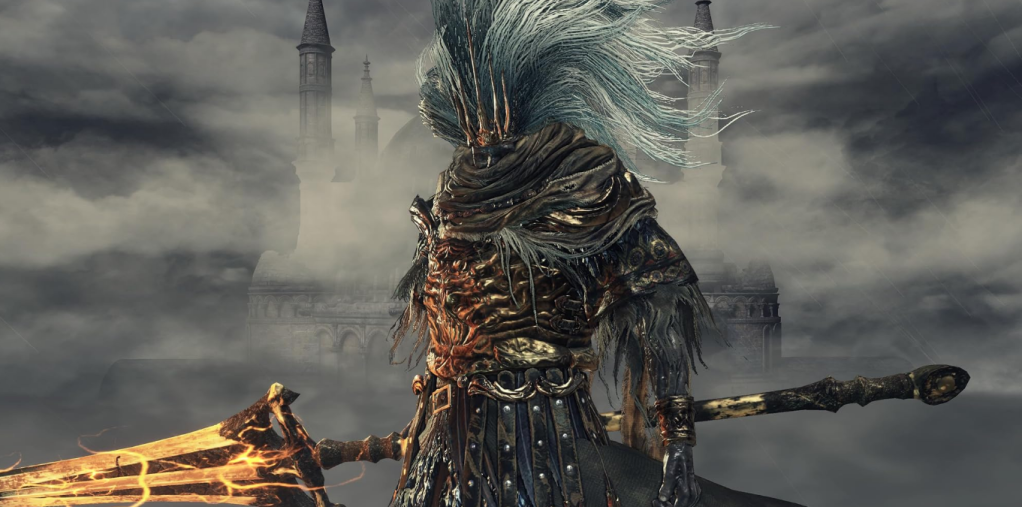
2. Dark Souls III
The challenge here isn’t just the combat; it is the infrastructure. Many items and achievements are locked behind Covenant rewards that require active multiplayer participation. In a game years past its prime, finding players to engage in specific PvP encounters to farm these rewards is a grind that tests the patience of even the most dedicated "Soulsborne" fan.

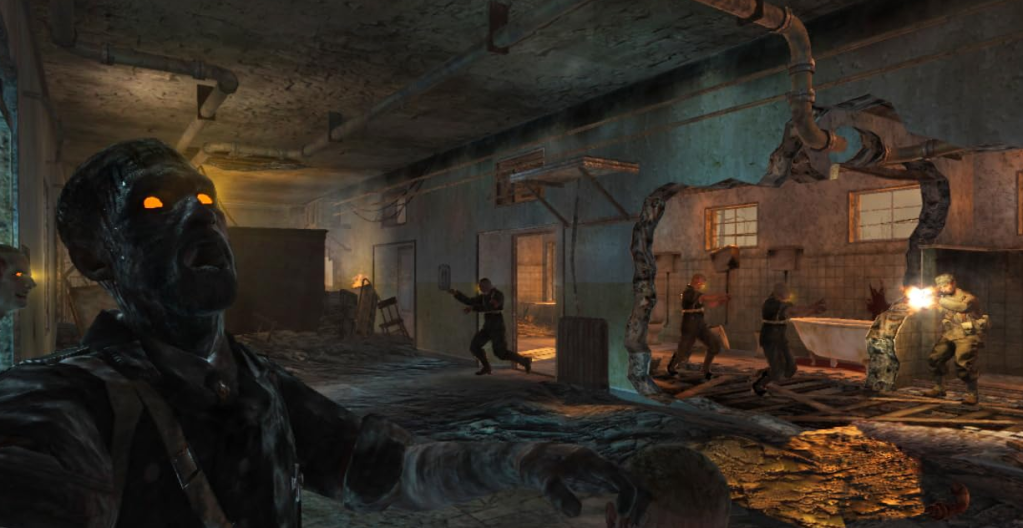
3. Call of Duty: World at War
"Veteran" difficulty in World at War is infamous within the FPS community. The game features an aggressive, almost sadistic "grenade spam" mechanic where enemies throw explosives with pin-point accuracy at the player’s feet. Earning every achievement requires surviving this onslaught at every single checkpoint.
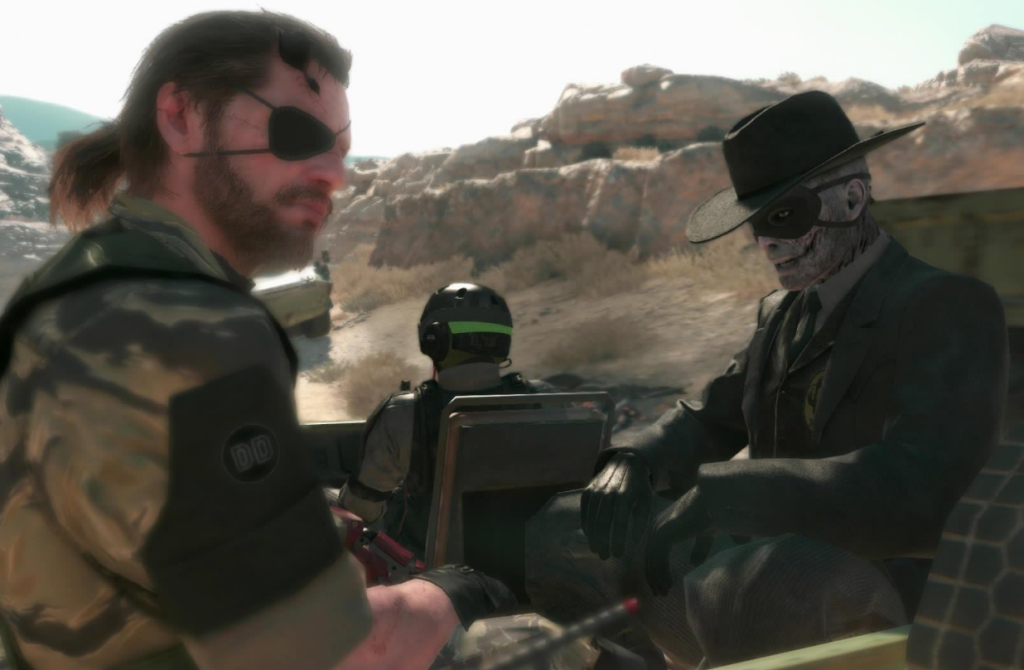
4. Metal Gear Solid V: The Phantom Pain
The "zoo" collection—the process of extracting every species of animal in the open world—is a masterclass in tedium. Some species are so rare and restricted to such specific, obscure regions of the map that players often spend dozens of hours scouring the terrain, only to come up empty-handed due to a missed spawn window.
5. Halo: The Master Chief Collection
With over 700 individual achievements, this collection is arguably the largest single repository of "tasks" in console history. It demands speedruns, LASO (Legendary All Skulls On) campaign completions, and intricate multiplayer milestones that require a dedicated squad of high-level players.
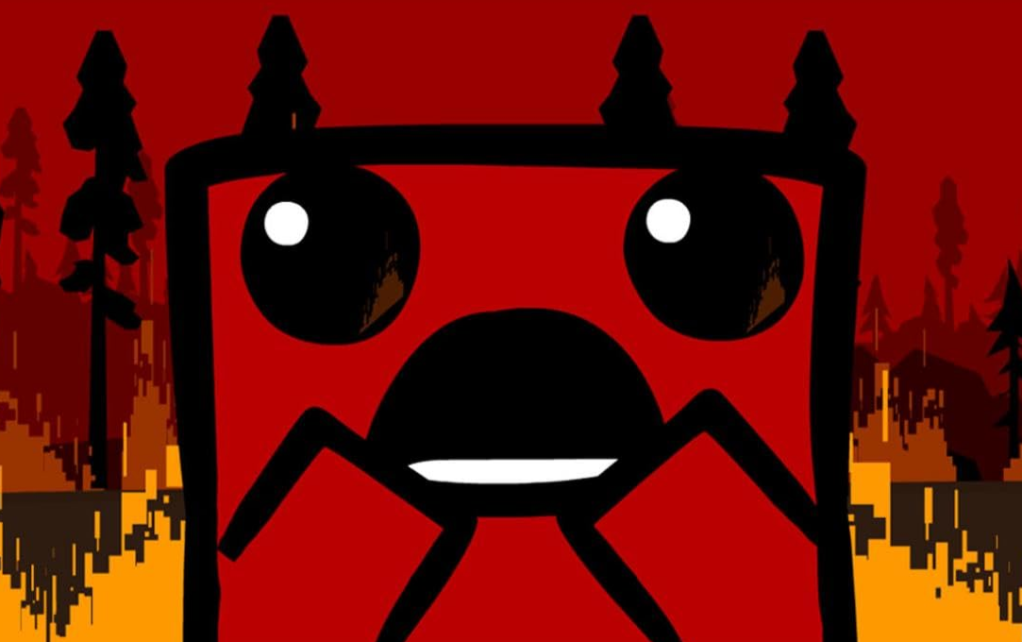
6. Super Meat Boy
This is the ultimate test of reflex. Beyond the standard levels, the game hides "Golden God" achievements that require completing entire worlds without a single death. It demands a level of precision that transcends casual skill, pushing into the realm of professional-level muscle memory.
7. Crash Bandicoot 4: It’s About Time
The "Relic" system in Crash 4 is notoriously unforgiving. To reach 100% (or even 106%), players must perform perfect runs with no deaths while gathering hidden crates. The mechanical demand is so high that the completion rate for the base game is statistically very low.
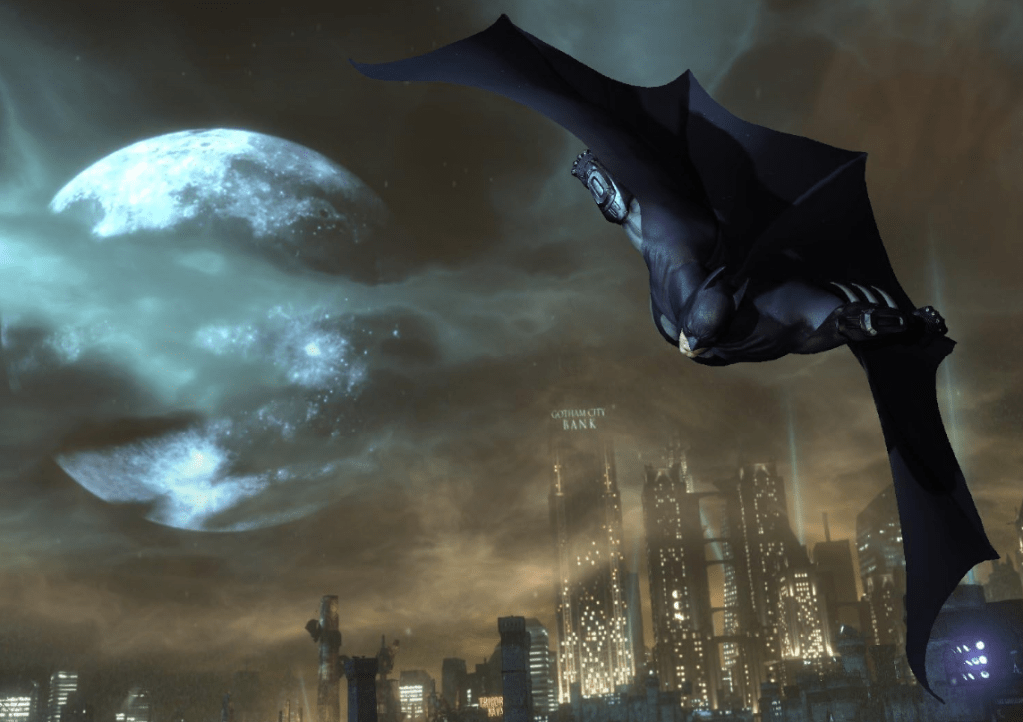
8. Batman: Arkham City
The Riddler Trophies are a rite of passage, but they are only the beginning. The game forces the player to master the "Combat Challenges" and "Campaign Mode" using every gadget and combo finisher. It is a massive commitment that transforms a superhero fantasy into a high-pressure combat simulator.
9. Assassin’s Creed Series
While the stories are accessible, the "map-clearing" nature of these titles is a test of endurance. Between the historical lore, the thousands of collectibles, and the repetitive synchronization points, the sheer amount of time required to "check off" a modern Assassin’s Creed map is enough to cause complete player burnout.
10. Celeste
Celeste is a beautiful story about mental health, but its B-Sides and C-Sides are brutal, precision-platforming gauntlets. The "Golden Strawberries"—which require clearing levels without dying—are widely considered some of the hardest challenges in modern indie gaming.

11. The Binding of Isaac: Repentance
The complexity of Isaac is rooted in its roguelike nature. Unlocking every character and item requires hundreds of hours. Because the game relies on procedural generation, skill can only mitigate so much; sometimes, the "perfect run" is simply denied by the game’s own internal math.
12. Diablo II
The "Holy Grail" challenge in Diablo II is a legendary pursuit. Players aim to collect every unique item in the game. Due to the extreme rarity of certain drops, it is common for dedicated players to spend years of their lives farming the same bosses, never seeing the item they need.
Supporting Data and Industry Implications
Why do developers include these "impossible" goals? The answer lies in player retention metrics. According to industry analyst reports, games with high-difficulty "Completionist" tiers see a 30% higher engagement rate in the months following release. Developers use these milestones to keep players invested in their ecosystems long after the story concludes.
However, the industry has seen a pushback. The rise of "Accessibility Mode" in many modern titles suggests that developers are becoming aware of the frustration caused by these extreme challenges. Official responses from studios like Nintendo and Sony have increasingly highlighted that "completion" is a personal choice, not a mandate.

The Psychological Impact: The "Second Job" Syndrome
Psychologists note that the drive for 100% completion can trigger a "sunk-cost fallacy." Players continue to grind, not because they are enjoying the game, but because they have already invested so much time that stopping feels like a failure.
"When a game becomes a checklist, the magic of discovery is lost," says Dr. Elena Vance, a gaming behavior researcher. "The challenge is no longer about the game itself, but about the player’s ego and the need to prove mastery over a system that was designed to be mastered by no one."
Conclusion: Should You Even Try?
If you pick up any of the games mentioned above, the best advice is to approach them with a casual mindset. The goal of gaming remains, at its core, the pursuit of joy. While there is a unique satisfaction in earning that final, elusive achievement, it should never come at the expense of your well-being.
The next time you see a "100% completion" guide for a game with 700 achievements, ask yourself: are you playing the game, or is the game playing you? Sometimes, the most professional way to handle an impossible game is to simply walk away, satisfied with the story you’ve experienced, and leave the grind for those who have the time—and the patience—to endure it.


 Jia Lissa
 Iffa Jayyana