Lina Hope
By Kevin Dunsmore
Published June 22, 2026
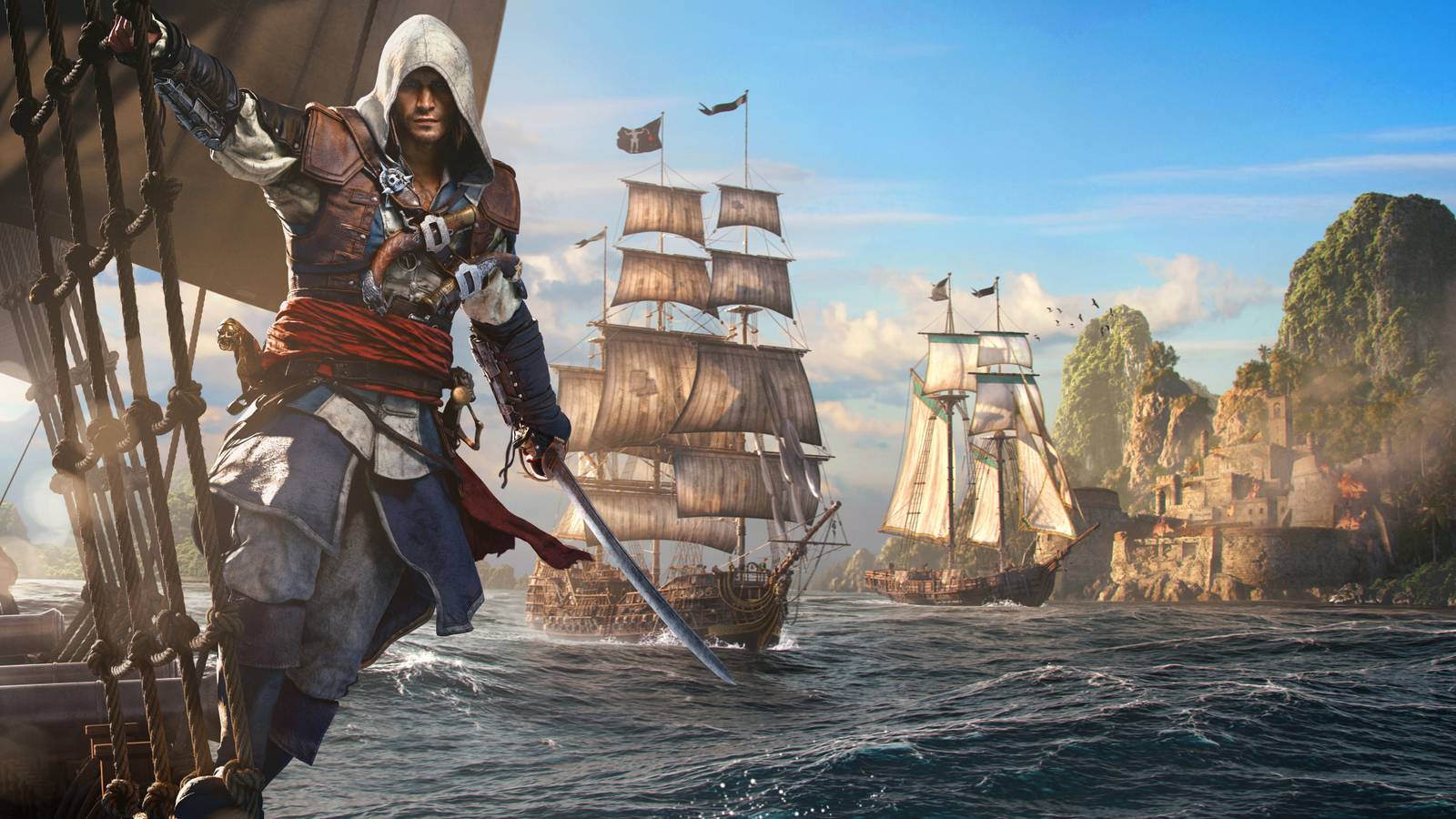
The Golden Age of Piracy is ready to reclaim the high seas. Ubisoft has officially confirmed that Assassin’s Creed Black Flag Resynced has "gone gold," marking the completion of the project’s development cycle and locking in its global release date of July 9, 2026. As one of the most venerated entries in the long-running Assassin’s Creed franchise, Black Flag has long been the subject of intense speculation regarding a potential remake. With the official announcement now behind us and the disc-pressing phase underway, fans can breathe a collective sigh of relief: the soul of the 2013 classic remains intact, even as its mechanics receive a significant, modern-day overhaul.
For a fanbase that has watched the series evolve from a stealth-focused, narrative-driven action series into a sprawling, service-oriented action-RPG landscape, the news that Resynced adheres to the original’s DNA is significant. Ubisoft Singapore, the studio leading the development, has confirmed that the title avoids the heavy "RPG-creep" that defined recent entries like Valhalla and Shadows, opting instead to refine the tight, character-driven experience that made Edward Kenway’s journey a standout in the series.
A Legacy Reclaimed: The Chronology of Development
The road to Resynced has been one of high anticipation and cautious optimism. Following the massive success of the original Assassin’s Creed IV: Black Flag in 2013, the title was frequently cited by critics and players alike as the pinnacle of the franchise’s naval combat and open-world exploration.
- 2023–2024: Persistent rumors regarding a "remake" or "remaster" began circulating, largely fueled by Ubisoft’s internal pivot toward a more live-service, multi-pronged approach to the franchise.
- January 2026: Ubisoft officially broke its silence, confirming the development of Assassin’s Creed Black Flag Resynced during a quarterly investor briefing. The announcement was met with overwhelming positive reception, though concerns about potential "modernization" of the gameplay systems were immediate.
- March–May 2026: The developer began releasing "Deep Dive" vignettes, showcasing technical upgrades to the Jackdaw’s naval combat and the visual overhaul of the Caribbean’s dynamic weather systems.
- June 22, 2026: The announcement that the game has reached gold status effectively guarantees that the July 9 launch window remains unchanged for PlayStation 5, Xbox Series X|S, and PC.
Understanding "Resynced": Core Gameplay Mechanics
The term "Resynced" is not just a marketing moniker; it reflects the developer’s intent to bridge the gap between 2013 game design and 2026 player expectations.
Stealth and Mobility
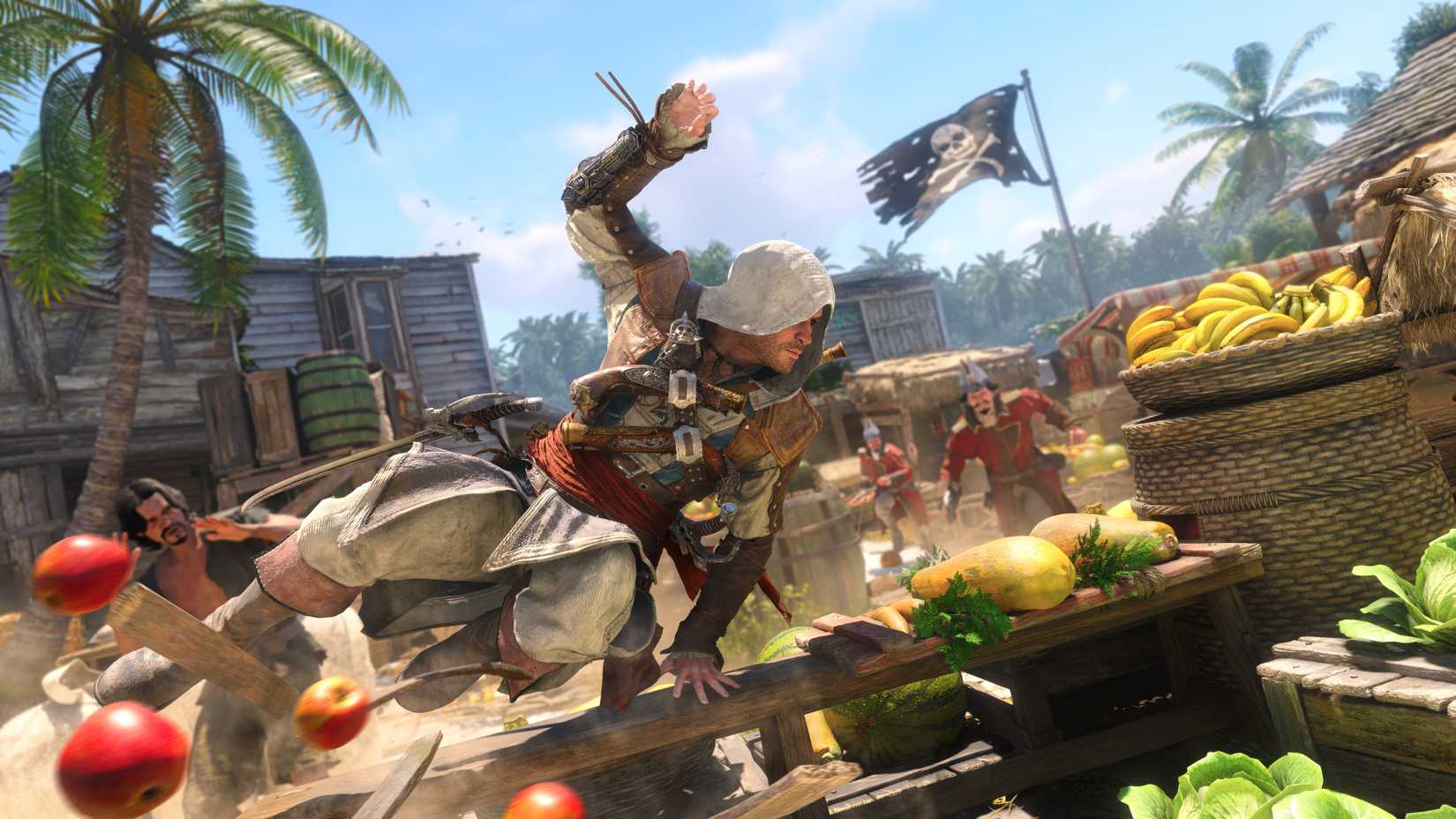
One of the most criticized aspects of the original Black Flag was its rigid approach to mission design. Players will recall the notorious "tailing" and "eavesdropping" missions that resulted in an instant failure if the player was spotted or strayed too far. Resynced overhauls this entirely. Ubisoft has introduced a dedicated crouch mechanic—a feature notably absent from the 2013 version—allowing for more fluid navigation through the dense foliage of the Caribbean jungles. Furthermore, the "instant-fail" parameters have been removed. Instead, the game now employs a dynamic detection system that adapts to the player’s choices, rewarding creative use of the environment rather than punishing minor slips in navigation.

The Combat Transition
The most controversial design shift lies in the combat. The original game utilized a rhythmic, counter-heavy parry system that allowed Edward to decimate entire platoons of soldiers with a single button press. Resynced replaces this with a more modern, visceral combat engine. While it lacks the "superpower" abilities found in the Odyssey or Valhalla archetypes, it adopts a precise parry and combo system.
Edward’s arsenal, including his dual cutlasses and blowpipes, now functions as a modular set of abilities. The shift is designed to make combat feel more dangerous and earned, rather than the "power fantasy" loop of the original. Whether this change will satisfy purists who loved the effortless elegance of the 2013 combat remains the primary question leading into the review period.
The Modern-Day Conundrum
Perhaps the most drastic change to the Black Flag experience is the total removal of the modern-day sections set in Abstergo Entertainment. In the original, these segments were intended to ground the player in the 2013 reality of the Assassin’s Creed meta-narrative.

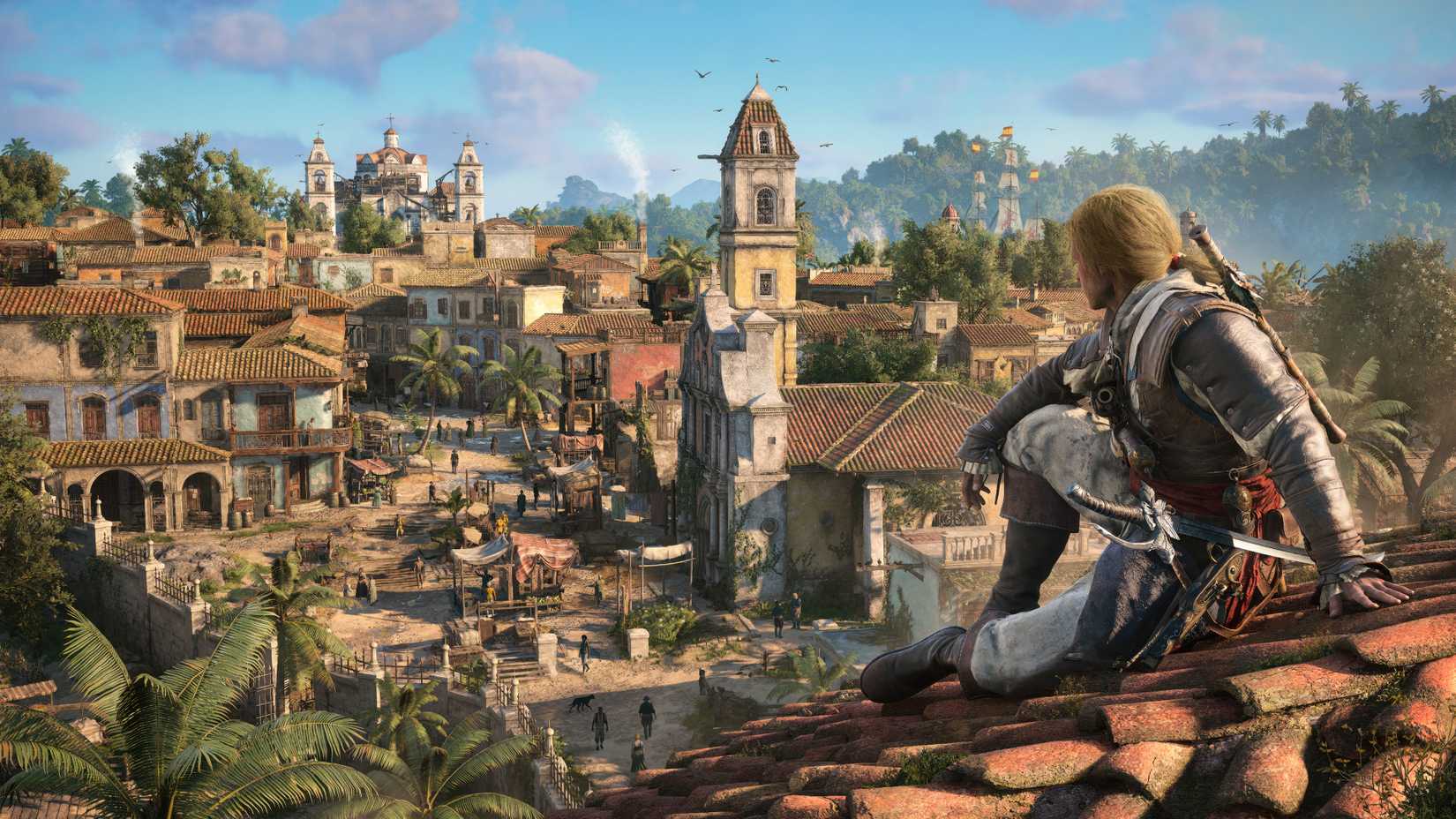
Ubisoft has determined that these segments feel archaic in 2026. In their place, the studio has introduced "Memory Rifts"—a design philosophy seen in Assassin’s Creed Shadows—which allow players to dive deeper into Edward Kenway’s personal history without the immersion-breaking transition to an office building. By focusing the narrative exclusively on the Golden Age of Piracy, the game aims to maintain a tighter, more consistent atmospheric tone.
Supporting Data and Technical Specifications
Resynced is built on an iteration of the engine powering the modern Assassin’s Creed titles, allowing for a level of fidelity previously unseen in the Caribbean setting.
- Visual Fidelity: Dynamic volumetric clouds and real-time ocean physics ensure that the Jackdaw’s traversal of the open sea is visually distinct from the original.
- Character Depth: While the script remains faithful to the original, facial animation technology has been updated to capture the nuanced performances of the cast, including the historical figures of Blackbeard and Stede Bonnet.
- Progression: The game abandons the "gear score" and "level-gating" mechanics that have dominated the series for the last decade. Progress is gated by narrative milestones and ship upgrades, reinforcing the action-adventure categorization rather than the action-RPG label.
Official Responses and Developer Intent
In recent interviews, the team at Ubisoft Singapore has been vocal about their desire to honor the source material. "Our goal was never to rewrite Black Flag," a spokesperson noted during a recent press event. "Our goal was to allow a new generation of players to experience the definitive pirate fantasy without the friction points of 2013 technology."
The studio emphasized that they listened to the feedback regarding the "RPG-ification" of the franchise. By stripping away the bloat of excessive loot systems and damage-number-based combat, they hope to recapture the focused, cinematic narrative drive that made Assassin’s Creed IV a fan favorite.
Implications for the Franchise
The success of Resynced could be a bellwether for the future of the Assassin’s Creed brand. If this title performs well, it may signal a shift in Ubisoft’s strategy, potentially leading to more "Resynced" or "Legacy" projects that revisit older, smaller-scale titles with modern technical enhancements.
Conversely, if the combat changes prove too divisive, it may reinforce the studio’s commitment to the large-scale, open-world RPG model that currently defines their quarterly revenue streams. However, given the current sentiment, Black Flag Resynced feels less like a corporate pivot and more like a passion project—a rare acknowledgment of the community’s vocal desire to return to the roots of the series.
Conclusion: A Pirate’s Life
As of June 22, the gold master of Assassin’s Creed Black Flag Resynced is safely tucked away, ready for distribution. On July 9, players will once again step into the boots of Edward Kenway, setting sail across a vibrant, dangerous, and beautiful Caribbean. Whether you are a veteran of the 2013 original or a newcomer to the franchise, the promise of a modernized, focused, and—most importantly—non-RPG pirate adventure is a compelling proposition.
The rum is waiting, the Jackdaw is fully rigged, and the Creed is ready for a new generation. Assassin’s Creed Black Flag Resynced is set to be one of the most significant releases of the 2026 calendar year, proving that sometimes, the best way to look forward is to remember where you came from.


 Asro
Asro
 Muslim