Ali Ikhwan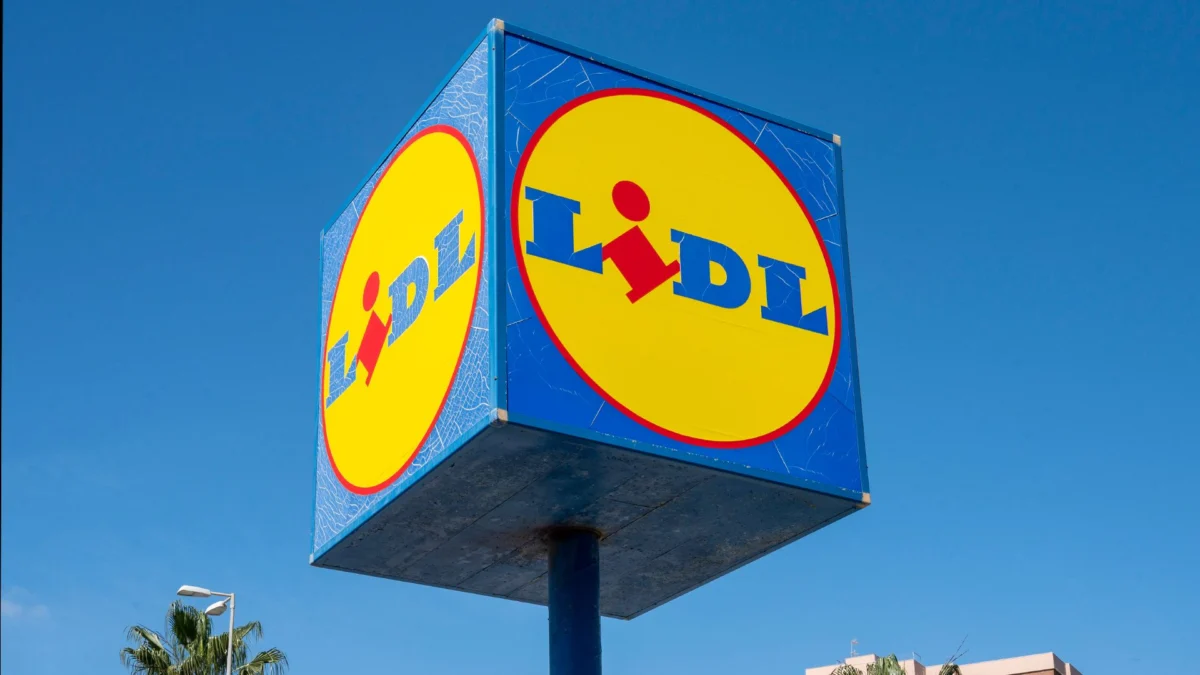
In the realm of graphic design and corporate branding, consumers have long played the role of amateur detectives. From the hidden arrow in the FedEx logo to the dancing bear concealed within the jagged peaks of the Toblerone mountain, the public loves a "hidden detail." However, the latest visual phenomenon sweeping social media—a theory suggesting that the discount supermarket giant Lidl has inadvertently hidden a dog playing a piano within its logo—marks a new high point in the art of pareidolia.
While the design team at Lidl likely intended nothing more than a functional, high-visibility wordmark, the internet has collectively decided otherwise. As the theory gains traction, it forces us to examine the thin line between intentional branding and the whimsical projections of a bored public.
Main Facts: The Anatomy of an Illusion
The Lidl logo is a masterclass in retail visibility. Composed of a vibrant, primary-colored circle—blue, yellow, and red—it features the company name in a bold, sans-serif font, usually accompanied by a distinctive serif "i." It is designed for maximum legibility at high speeds and from great distances, catering to the frantic pace of a supermarket shopping trip.
The "conspiracy" focuses on the negative space and the typographic interplay between the ‘L’ and the ‘i’. Proponents of the theory argue that if one tilts their head and squint just enough, the intersection of these characters forms the silhouette of a terrier-like dog positioned at a piano. The dog’s "head" is allegedly formed by the curve of the letter, while its "paws" are represented by the serifs.
Is there any actual design intent here? Virtually all graphic design experts suggest the answer is a resounding "no." The logo has undergone several iterations since the company’s founding in the 1930s, and its current incarnation is the result of strict brand guidelines aimed at consistency and industrial scale, not canine-themed easter eggs. Nevertheless, once the image of the "pianist pooch" is suggested, it is notoriously difficult for the human brain to unsee.
Chronology: From Corporate Asset to Viral Meme
The timeline of this discovery is as organic as it is bizarre. While sporadic mentions of the "Lidl dog" have appeared on niche design forums over the years, the theory reached a boiling point in the early months of 2024.
- Pre-2020: The logo exists in its current form, serving millions of customers daily. The design is widely praised for its utility but noted for its simplicity.
- Early 2023: Small threads on platforms like Reddit and X (formerly Twitter) begin to circulate side-by-side images comparing the logo to a sketch of a dog.
- Late 2023: Influencers in the "Design Twitter" space begin to amplify the theory, framing it as a fun, "did you know?" style post.
- 2024 (Present): The theory enters the mainstream. What began as a joke among graphic designers has become a widely recognized urban legend, with mainstream media outlets beginning to weigh in on the "wholesome accident."
The progression of this theory follows the standard trajectory of modern internet memes: it began with a genuine (if misplaced) observation, moved through a phase of ironic appreciation, and has now settled into a permanent fixture of pop culture trivia.
Supporting Data: Why We See What Isn’t There
To understand why thousands of people claim to see a dog in a supermarket logo, we must look at the psychological phenomenon known as pareidolia.
The Psychology of Pattern Recognition
Pareidolia is the human tendency to perceive a specific, often meaningful image in a random or ambiguous visual pattern. Our brains are evolutionary wired to detect faces, animals, and threats in static environments—a survival mechanism that once helped our ancestors spot a predator in the bushes.
In the case of the Lidl logo, the brain is attempting to categorize "meaningless" geometric shapes into a familiar archetype. Because the logo contains curved lines, blocky forms, and vertical pillars, the brain fills in the gaps.
The "Hidden Meaning" Culture
We are currently living in a golden age of "hidden branding." Brands like Amazon (the arrow in the ‘A’ to ‘Z’), Baskin Robbins (the ‘31’ in the ‘BR’), and Beats by Dre (the ‘b’ as a person wearing headphones) have conditioned the public to look for subtext in every graphic. When companies intentionally embed secrets, it creates a sense of "brand intimacy." When they don’t, the public—starved for the same delight—creates the secret themselves.
Official Responses: The Silence of the Supermarket
Thus far, the corporate offices of Lidl have remained largely silent on the matter. In the corporate world, this is a calculated strategy.
When a brand is confronted with an "unauthorized" narrative, they have three choices:
- Deny it: This often fuels the "conspiracy" fire, making the brand appear defensive or humorless.
- Lean into it: This risks alienating the brand identity. If Lidl were to start using a dog mascot, they would be tethered to a meme that they did not create and cannot control.
- Strategic silence: This is the path Lidl has chosen. By ignoring the theory, they allow the internet to have its fun without officially altering their brand equity.
However, informal comments from PR agencies suggest that marketing departments are well aware of the trend. For a brand that relies on being "accessible" and "fun," a benign, silly conspiracy theory actually serves as excellent, free viral marketing. It reinforces the brand’s presence in the consumer’s mind, even if the premise is entirely fictional.
Implications: The Future of Brand Design
The Lidl "pianist dog" phenomenon raises important questions about the future of branding in the age of social media.
The Death of the "Pure" Logo
As consumers become more sophisticated at analyzing design, "pure" logos—those meant to simply communicate a name or a service—are becoming canvases for interpretation. Designers must now consider not just what their logo says, but what it could accidentally imply when viewed through the lens of a smartphone screen or a viral TikTok video.
Branding as a Collaborative Process
This story highlights a fundamental shift in the relationship between corporations and the public. Branding is no longer a top-down decree issued by a design firm. It is a collaborative, often chaotic process where the consumer’s interpretation carries as much weight as the creator’s intent. If the public decides a logo features a dog, then, for all intents and purposes, it does.
The Value of Whimsy
In a landscape of overly sanitized, minimalist "bland-ification" of corporate logos, the public’s desperate search for a dog in the Lidl logo is a form of protest. It is a demand for character, personality, and humor. When big brands provide logos that feel devoid of human touch, the public will project their own humanity onto them—even if that means turning a simple letter ‘i’ into a canine pianist.
Conclusion: A Happy Accident
Whether you see the dog or not, the Lidl logo conspiracy remains a testament to human creativity. It serves as a reminder that we are constantly looking for patterns, stories, and connections in a world of visual noise.
While the "pianist pooch" may be a product of pure imagination, it has undoubtedly succeeded in making the Lidl brand more memorable. In the competitive world of retail, where every supermarket fights for a slice of the consumer’s attention, perhaps being known for a "hidden dog" is exactly the kind of accidental marketing gold that money simply cannot buy.
So, the next time you walk down the aisles of your local store, take a second look at the sign above the entrance. You might not see a dog, but you will certainly be thinking about the brand—and in the end, that is exactly what the designers intended.

 Siti Muinah
 Asep Darmawan