Dwi Wanna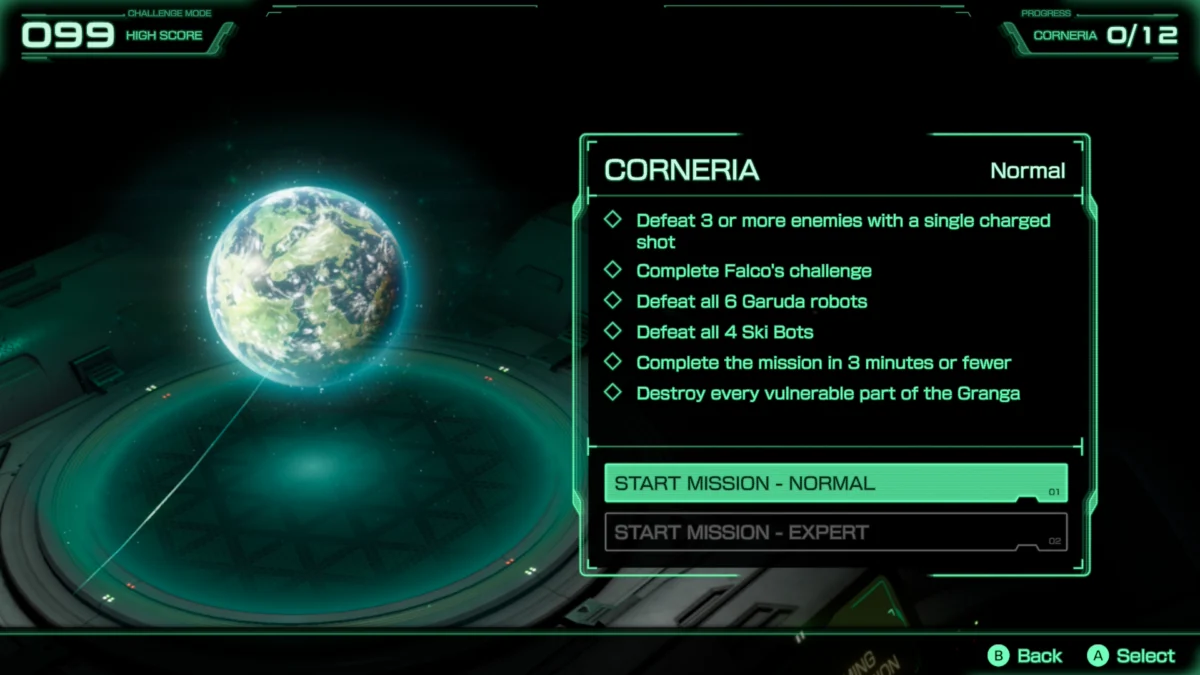
TechRadar Verdict
Star Fox is a masterfully crafted, technically impressive remake of an all-time classic. It successfully preserves the tight, arcade-style mechanics that cemented the original 1997 title as a pillar of the genre, while updating the visual fidelity to modern standards. However, the game struggles to justify its premium price tag. With a campaign that can be completed in roughly an hour and a dearth of substantial new content—save for a competent but shallow multiplayer mode—it feels more like a nostalgic victory lap than a necessary evolution of the series.
Main Facts: The Return of the Lylat System
Following a surprise appearance by protagonist Fox McCloud in the recent Super Mario Galaxy feature film, Nintendo has made its strategic intent clear: the Star Fox series is being positioned for a modern revival. The result is this latest iteration, simply titled Star Fox, a ground-up remake of the seminal Nintendo 64 classic.
Released on June 25, 2026, for the Nintendo Switch 2, this title represents a significant technical upgrade. Players take control of the iconic Arwing, leading a mercenary squad against the forces of the malevolent scientist dictator, Andross. While the core gameplay—a high-octane, on-rails space shooter—remains untouched, the game introduces fully voiced, animated cutscenes that flesh out the narrative stakes.
Despite these refinements, the game faces immediate criticism regarding its value proposition. Retailing at $49.99/£41.99 (digital) or $59.99/£44.99 (physical), the offering feels light on content for the contemporary market, especially for players who have already experienced the multiple iterations of the 64-bit original.
Chronology: A History of Re-releases
To understand the weight of this new release, one must look at the series’ trajectory. For many, Star Fox 64 is the definitive experience of the franchise. It set a bar for intensity, branching paths, and score-chasing that few games have surpassed since.
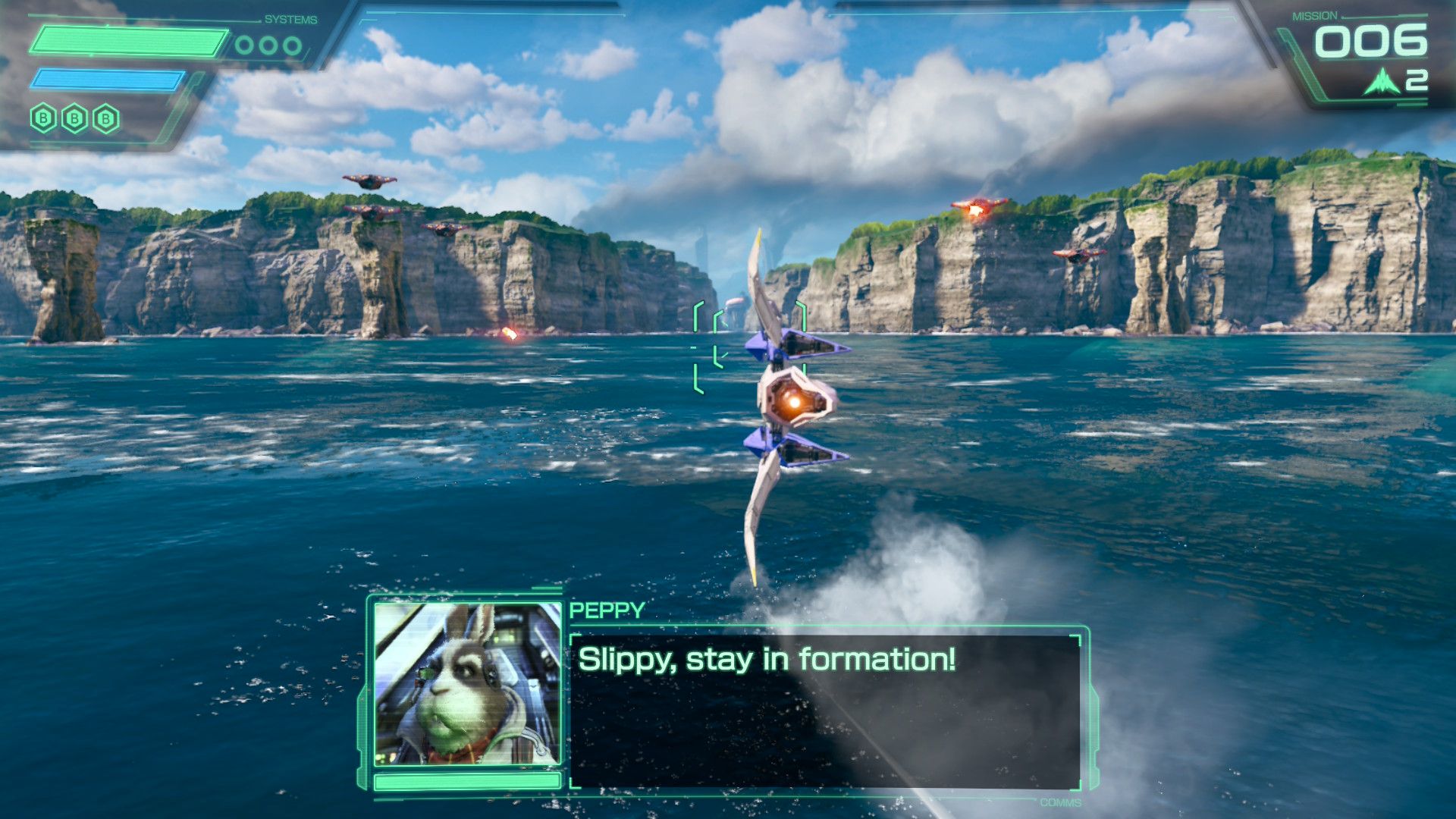
However, Nintendo’s reliance on this specific entry has become a point of contention among long-time fans. The chronology of the series is marked by a cycle of repeated returns to the Lylat Wars:
- 1997: The original Star Fox 64 (known as Lylat Wars in Europe) launches on the Nintendo 64, defining the genre.
- 2011: Star Fox 64 3D arrives on the Nintendo 3DS, offering a portable, visually enhanced take on the formula.
- 2016: Star Fox Zero for the Wii U attempts to "reimagine" the concept with experimental, controversial motion controls.
- 2022: The original N64 version is added to the Nintendo Switch Online library, making it accessible to a new generation.
- 2026: Star Fox releases for the Nintendo Switch 2, marking the fifth time in three decades that the same narrative and mechanical framework has been sold as a flagship product.
The fatigue is palpable. While each version has its merits, the lack of a true, bold sequel has left the community craving something entirely new rather than a fresh coat of paint on a thirty-year-old foundation.
Supporting Data: Performance and Gameplay
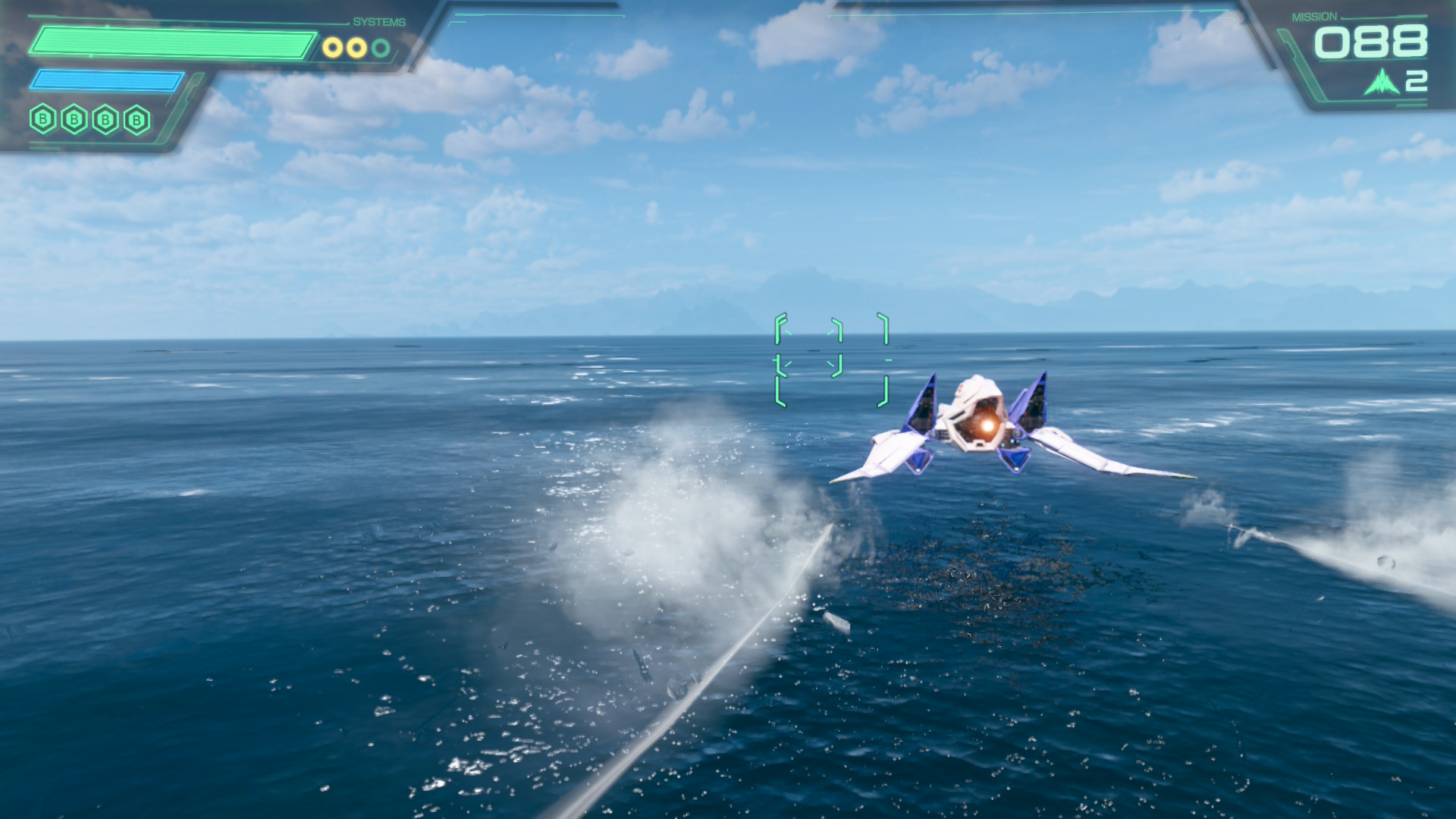
During our eight-hour testing period on the Nintendo Switch 2, the game proved to be a technical marvel. The performance is rock-solid, maintaining a consistent frame rate even when the screen is crowded with laser fire, explosions, and debris.
Mechanics and Control
The control scheme is remarkably intuitive. Whether piloting the Arwing through a narrow asteroid field or using the boost mechanic to weave through collapsing structures, the input response is precise. The game utilizes the Nintendo Switch 2’s haptic feedback effectively, providing a tactile sense of the ship’s momentum and the impact of enemy fire.
Campaign Structure
The campaign consists of 16 planets, though a single run-through only allows the player to visit a fraction of them. There are two primary story paths, which encourages multiple playthroughs. However, even with the branching paths, the "all-in" experience remains fleeting. A standard, successful run takes roughly 60 to 70 minutes.
The Multiplayer Offering
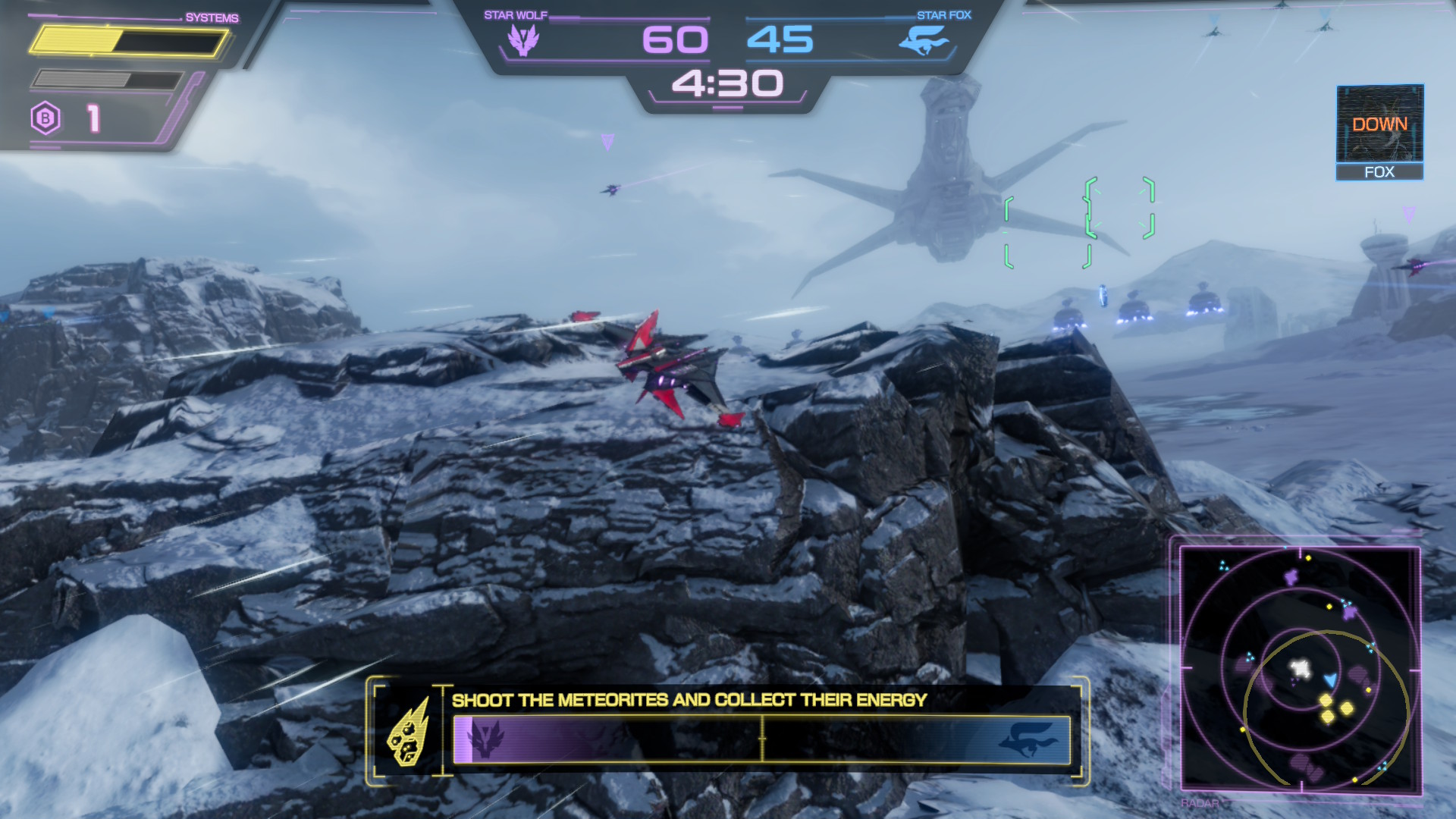
The 4v4 online PvP mode is the primary addition to the game’s longevity. Featuring two distinct teams—Star Fox and Star Wolf—the mode includes three distinct maps. While the gameplay loop of capturing control points or transporting space cargo is undeniably fun, the current map pool is alarmingly small. Without a roadmap for post-launch content, it is difficult to see how the player base will be sustained long-term.
Official Responses and Developer Intent
Nintendo has framed this project as an "accessible entry point" for a modern audience unfamiliar with the Star Fox legacy. In recent press statements, producers emphasized the goal of "preserving the purity" of the original design while utilizing the Switch 2’s hardware to bring the cinematics closer to the quality of the recent Super Mario Galaxy movie.
While the developer successfully modernized the visual experience, they have been notably quiet regarding the lack of new levels or experimental mechanics. The industry consensus, reflected in our testing, suggests that Nintendo prioritized brand awareness—capitalizing on the Star Fox cinematic cameo—over deep innovation. The conservative approach to the level design implies a desire to avoid the backlash faced by the experimental, and ultimately unsuccessful, Star Fox Zero.
Implications: Where Does the Franchise Go from Here?
The release of Star Fox on the Switch 2 carries several implications for the future of the franchise.
The "Safe" Strategy
Nintendo is currently operating in a cycle of risk aversion regarding this IP. By repeatedly remaking Star Fox 64, they avoid the creative pitfalls of trying to reinvent a formula that many fans feel is already perfect. However, this strategy is hitting a point of diminishing returns. As the price of modern gaming continues to rise, asking consumers to pay full price for a game that they have likely played in three other formats is becoming a difficult sell.
The Need for Evolution
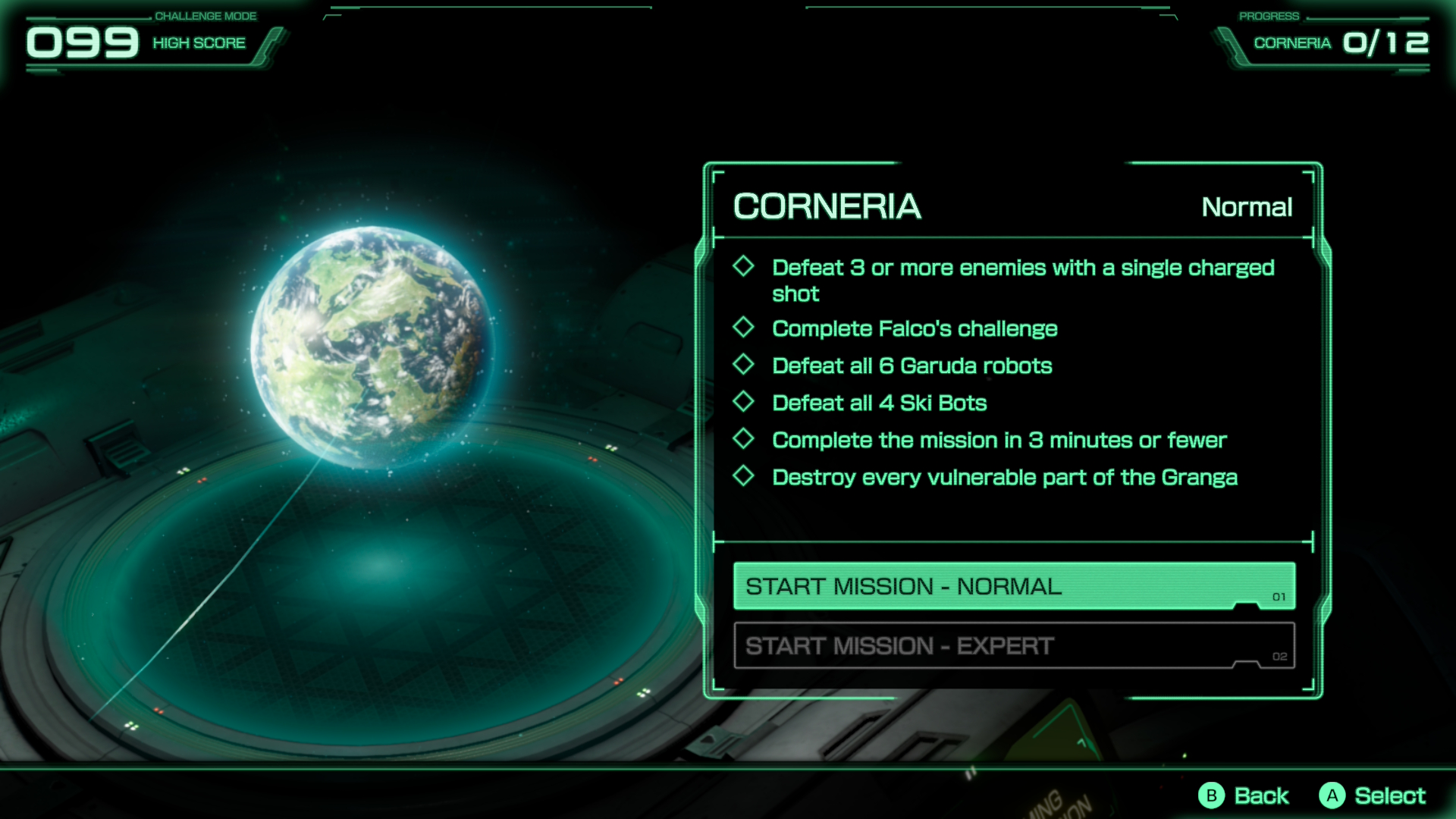
The success of the "Challenge Mode"—which tasks players with completing stages under specific, difficult conditions—proves that the core mechanics remain addictive. There is a clear appetite for high-skill, arcade-style shooters. If Nintendo were to build a new, original game using the engine and polish of this remake, it would likely be a massive success. The current title serves as a proof-of-concept for the hardware, but it is ultimately a stopgap.
The Verdict on Value
For a newcomer who has never touched a Star Fox title, this is objectively the best version to start with. It is refined, visually beautiful, and perfectly balanced. But for the veteran player, the value is tied entirely to the novelty of the new graphics.
If you are a completionist who enjoys mastering high-score tables and unlocking lore badges, you may find the hours of replayability necessary to justify the cost. For the average player, however, waiting for a significant sale is the recommended path.
The Star Fox franchise is at a crossroads. It remains one of Nintendo’s most iconic and beloved series, yet it is currently trapped in a loop of its own history. The next installment must break free from the gravity of the Lylat Wars if it ever hopes to reach the heights of its past.
Accessibility Features
As is often the case with Nintendo’s first-party titles, the accessibility suite is somewhat limited. While the game provides essential features such as axis inversion and the ability to toggle controller rumble, it lacks more robust options. Subtitles are present throughout, but they are static and cannot be customized in size or font, which is a missed opportunity for a modern release.
Final Thoughts
Star Fox is a beautiful, nostalgic, and well-executed project that ultimately suffers from a lack of ambition. It is a testament to the strength of the 1997 original that the game is still fun to play in 2026, but the gaming industry has moved on. For the franchise to survive and thrive, it must eventually move on as well. Until then, we are left with another excellent, albeit redundant, trip through the stars.


 Muslim
 Evan Lee Salim