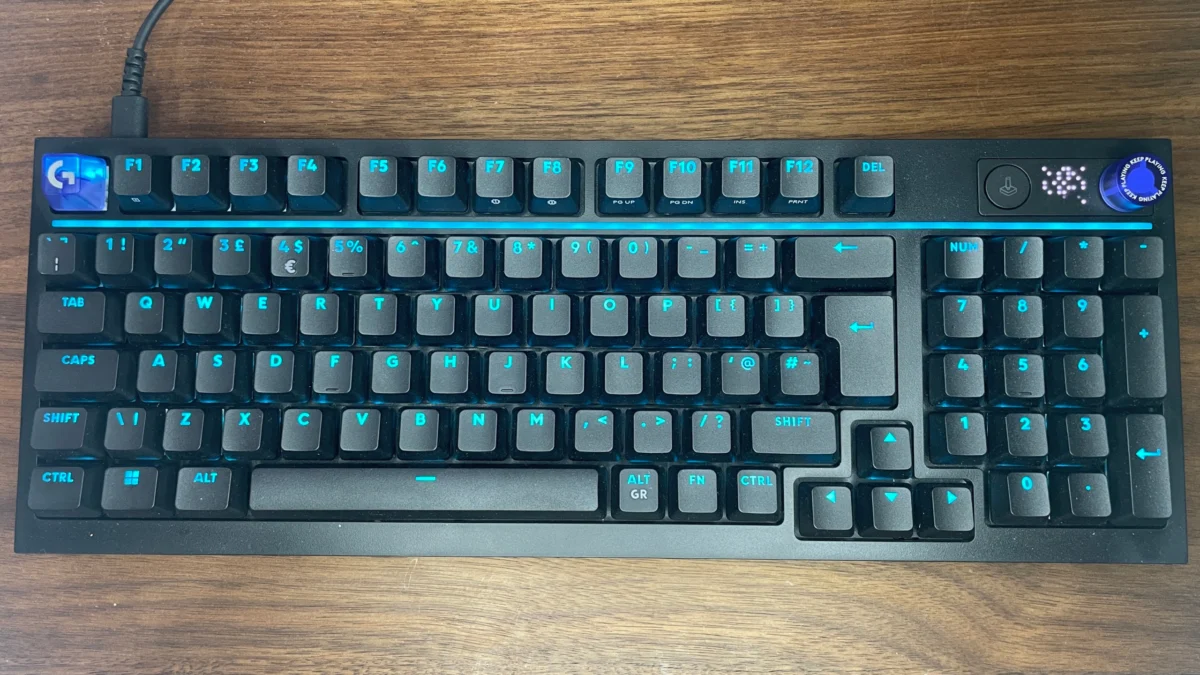
Logitech’s "G3" series was designed with a specific mission: to bridge the gap between entry-level budget gear and the company’s flagship, high-performance peripherals. In an economic climate where consumers are increasingly selective about where they drop their hard-earned cash, the promise of a "quality-but-affordable" gaming keyboard is an enticing proposition. Enter the G316 X, a peripheral that checks all the superficial boxes—sleek design, customizable RGB, and a mid-range price tag—but ultimately falls flat where it matters most: the actual typing and gaming experience.
The Core Conflict: When "Tactile" Loses Its Meaning
At the heart of any mechanical keyboard is the switch. The G316 X unit provided for this review came equipped with white "tactile" switches. In the world of mechanical keyboards, "tactile" is a term with a specific, well-understood definition: it implies a physical bump or resistance partway through a keypress that signals the exact moment of actuation. This feedback is invaluable for gamers and typists alike, allowing for precise control and the ability to "feather" keys without bottoming out.
Unfortunately, the G316 X fails to deliver this experience. The keys on this board do not provide the expected tactile bump. Instead, they behave like linear switches that have been burdened with an excessive amount of initial actuation force. The result is a switch that feels agonizingly stiff, forcing the user to slam the keys into the keybed just to register an input.
For a product marketed as a "gaming keyboard," this is a fundamental design failure. The lack of a true tactile response makes the board feel more like a high-end membrane keyboard than a modern mechanical offering. While the sound profile is arguably "clacky"—a trait some enthusiasts might appreciate—it lacks the depth and satisfaction of a true "thocky" mechanical board.
Chronology of a Disappointment: From Unboxing to Frustration
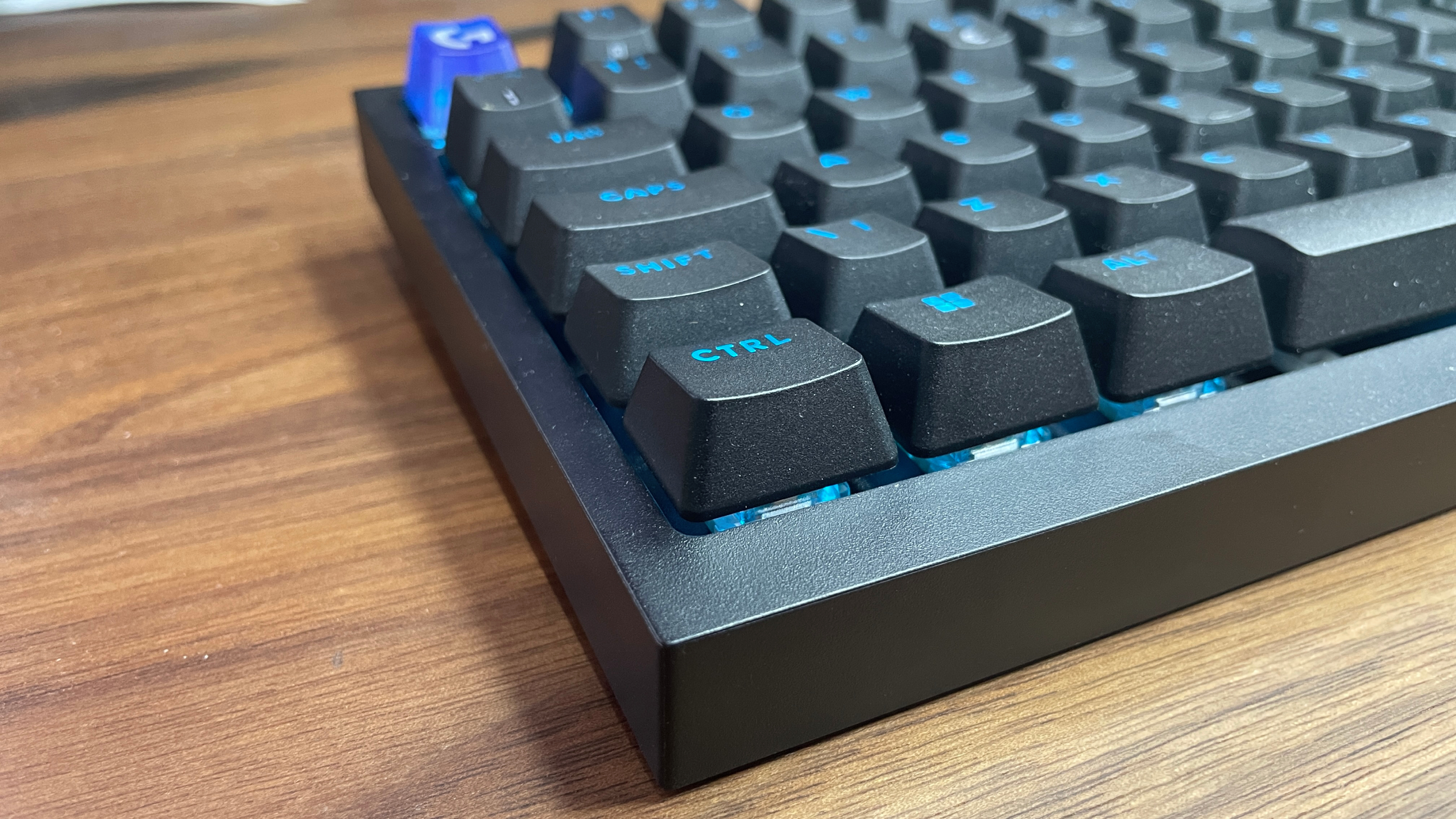
The decline of the G316 X experience began shortly after it was placed on the desk. Initially, the keyboard presents well. The double-shot PBT keycaps feel sturdy, and the build quality of the chassis, while primarily plastic, feels durable enough to handle standard desk wear and tear.
However, the "honeymoon phase" ended within the first day of use. During a standard eight-hour workday, the excessive stiffness of the switches began to take its toll. By the afternoon, the physical fatigue in my fingers was palpable. It became clear that this keyboard was not designed for extended typing sessions, nor was it tuned for the nuance required in competitive gaming.
The situation turned from merely annoying to performance-hindering during testing in Counter-Strike 2. In high-stakes tactical shooters, the ability to counter-strafe—a maneuver requiring precise, rhythmic key inputs—is the difference between a round win and a loss. On the G316 X, the initial resistance of the switches, combined with the lack of a clear actuation point, made fluid movement impossible. I found myself miscalculating the tension required to hold a key, leading to accidental inputs and, in one instance, a botched clutch situation where I unintentionally jumped during a critical re-take. My teammates’ suggestion to "uninstall" was, in the moment, a sentiment I found difficult to argue with.
Technical Specifications and Design Features
Despite the failure of its primary input method, the G316 X does boast a list of features that might appeal to a niche audience:
- Switch Type: "Tactile" (with no discernible mid-press bump).
- Keycaps: High-quality double-shot PBT.
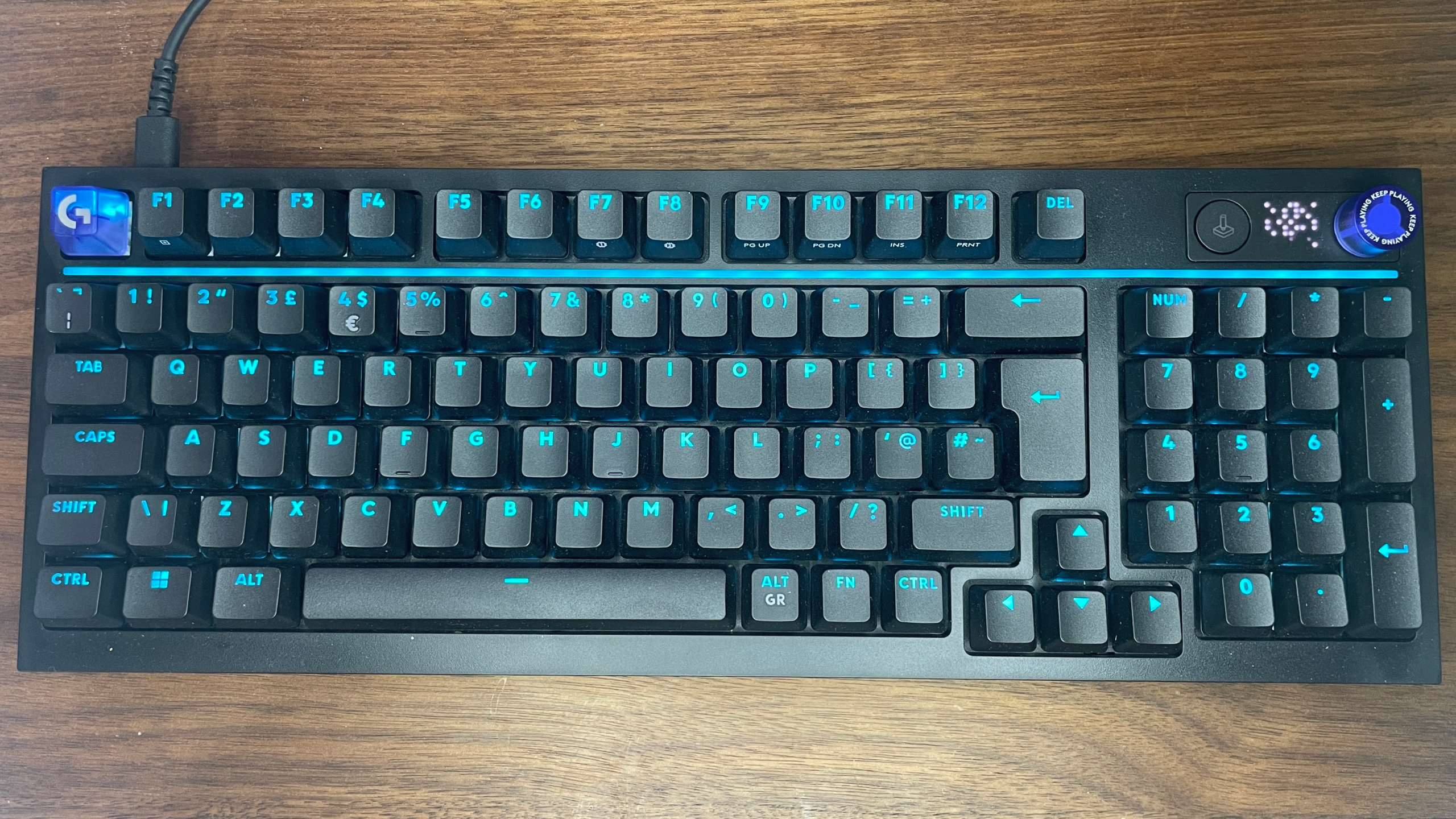
- Lighting: Per-key RGB with a 30-zone light bar.
- Connectivity: Detachable USB-C to USB-A cable.
- Polling Rate: Adjustable 1–8 kHz.
- Build: 880g (1.94 lb) chassis.
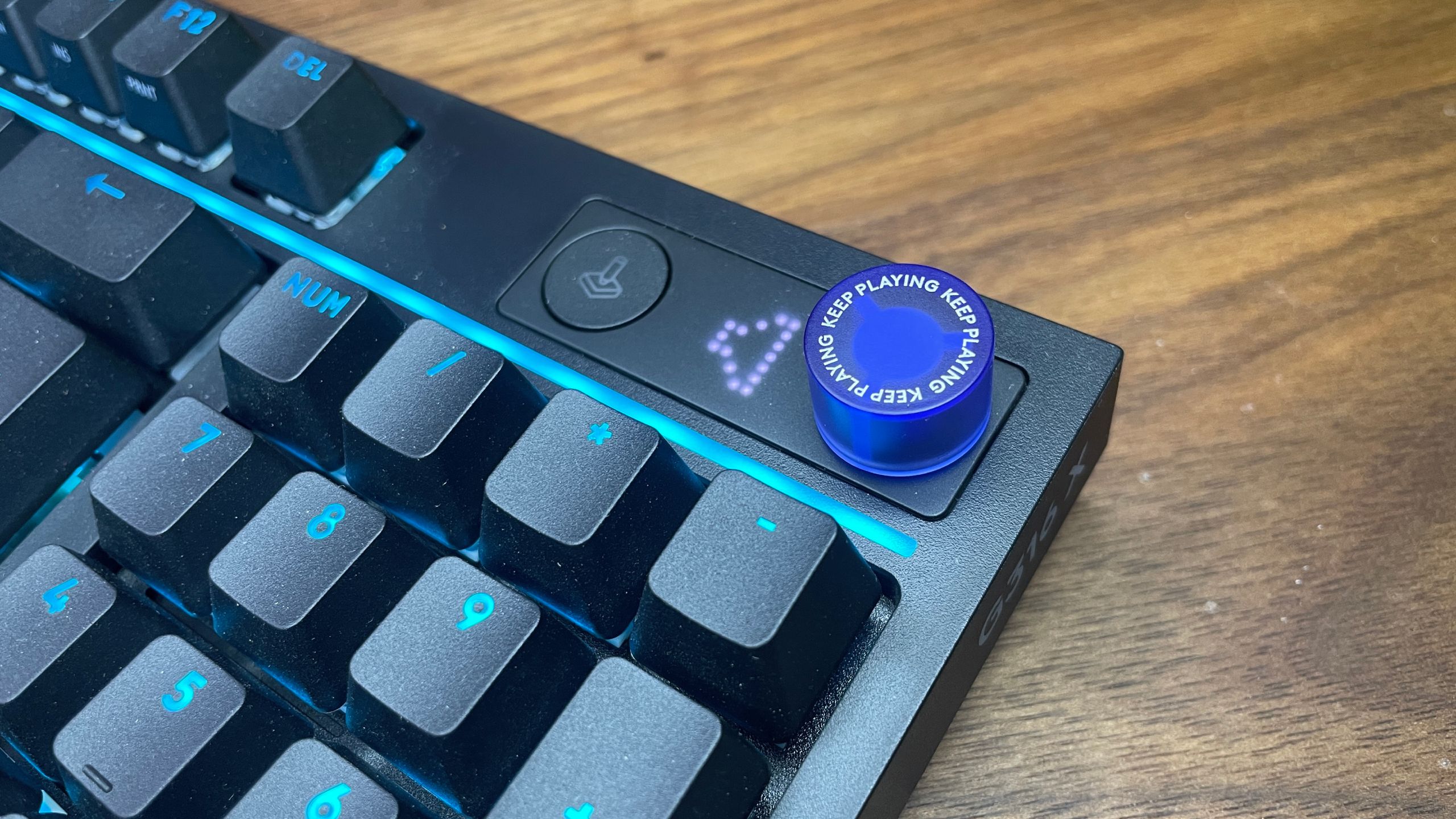
The aesthetic flourishes, specifically the 30-zone light bar, do provide a certain "cyberpunk" flair that looks excellent on a modern desk setup. The inclusion of a dedicated volume knob—which doubles as a control for track skipping, RGB brightness, and polling rate adjustment—is a welcome quality-of-life feature. Additionally, a dedicated "Game Mode" button allows for the quick disabling of the Windows key and other macros, a feature that feels logically placed.
However, these features are hampered by software that feels sluggish. Animating the RGB bar or selecting specific colors via the desktop client can be laggy, often resulting in a frustrating trial-and-error process. Users are better off inputting RGB or hex values directly to avoid the UI’s responsiveness issues.
Implications for the Mid-Range Market
The most significant issue with the G316 X is its pricing relative to the current competitive landscape. At $120, the keyboard is firmly in the "mid-range" bracket, but it competes against products that offer significantly more value.
Today’s market is flooded with keyboards featuring Hall Effect (HE) magnetic switches, which offer adjustable actuation points and "Rapid Trigger" technology. These boards often outperform the G316 X in gaming scenarios by a wide margin, and in some cases, they are available for a third of the price. Even among traditional mechanical keyboards, many entry-level boards using standard Cherry or Gateron switches offer a more consistent and comfortable typing experience than the G316 X.
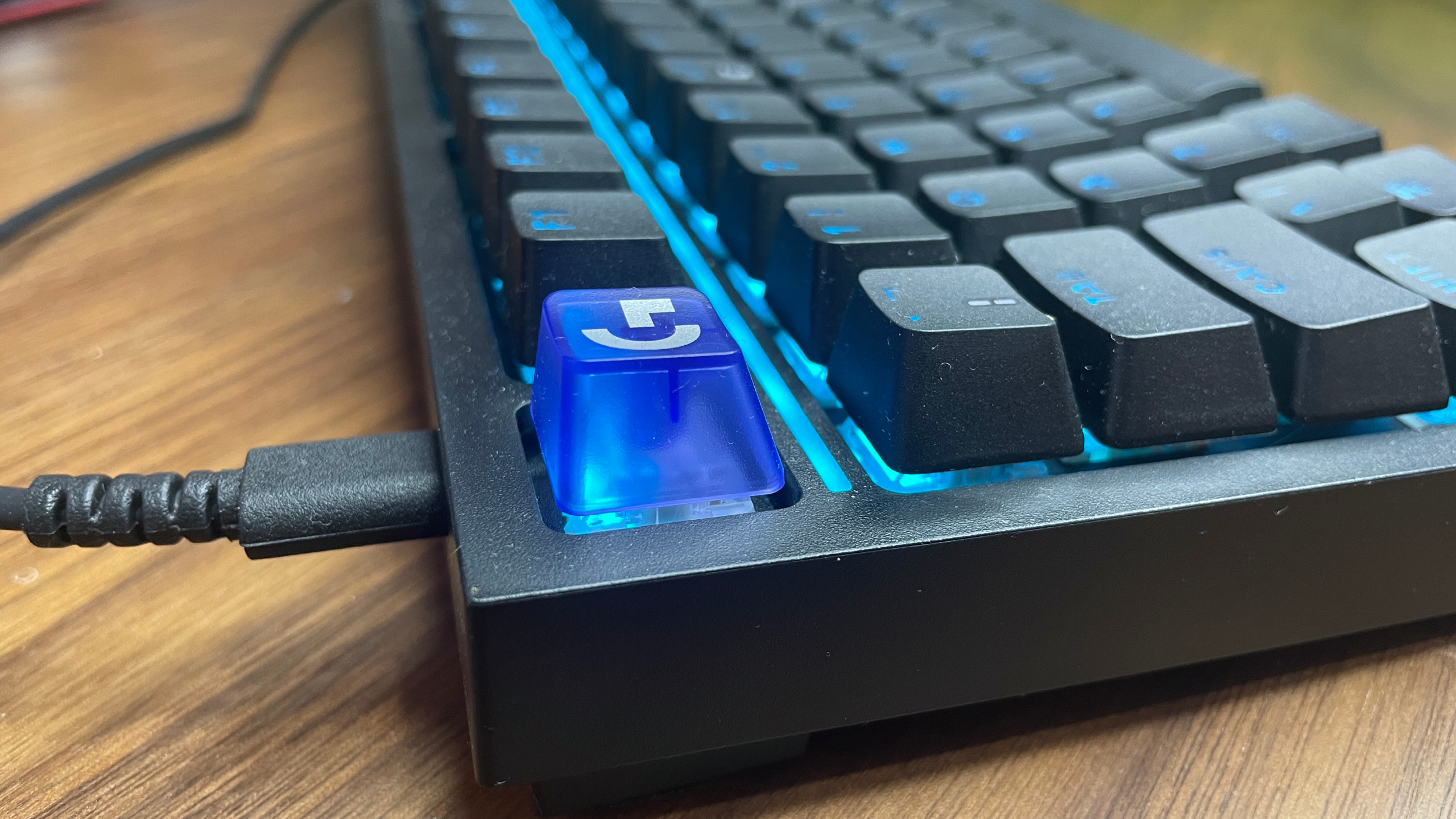
The only saving grace for this board is that the switches are hot-swappable. If a user falls in love with the look of the chassis and the utility of the light bar, they can theoretically purchase a set of superior, third-party switches and replace the stock ones. However, at a $120 entry price, expecting a consumer to immediately invest in additional parts just to make the product usable is a difficult sell.
The Verdict: Who is this for?
The G316 X occupies an uncomfortable middle ground. It is too expensive to be a "budget" choice and too underwhelming in its mechanical performance to satisfy enthusiasts.
- Buy it if: You are primarily drawn to the aesthetics. If the 30-zone RGB light bar and the dedicated media controls are your absolute priority, and you are willing to spend the extra time and money to hot-swap the switches for something more tactile and less fatiguing, you might find a home for this board on your desk.
- Avoid it if: You are a heavy typist or a competitive gamer. The physical fatigue caused by the stiff, unresponsive switches is a genuine drawback, and the performance penalty in fast-paced games is non-negotiable.
Conclusion
Logitech has undoubtedly created a product that looks the part of a premium gaming accessory. The sturdy PBT keycaps and the inclusion of a versatile volume knob show that there is potential for a great board here. However, by failing to deliver a consistent, high-quality switch experience, the G316 X undermines its own identity.
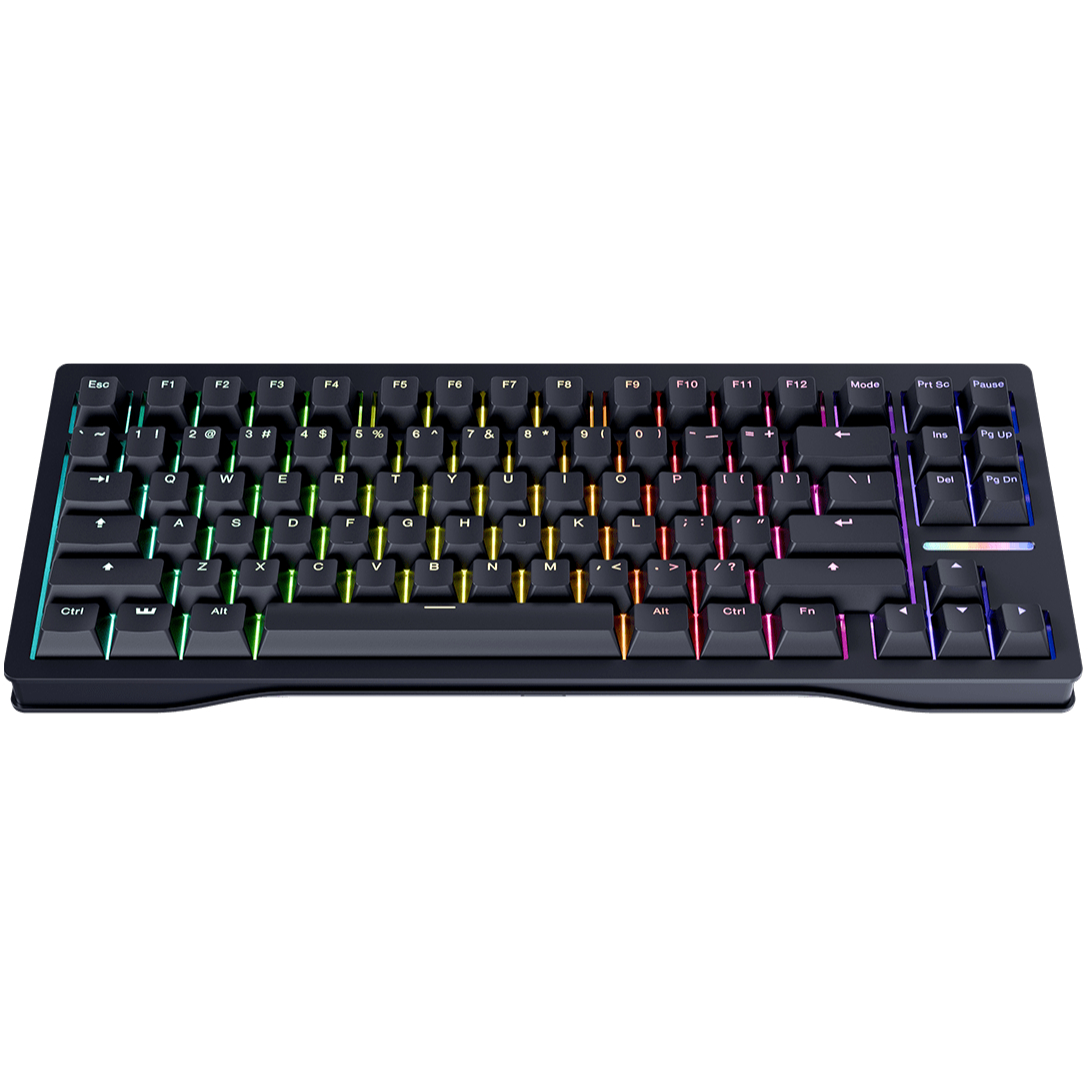
In a market where companies like Keychron and Wooting are redefining what consumers should expect at the $100–$150 price point, the G316 X feels like a relic of a previous generation of gaming hardware. It is a reminder that in the peripheral industry, "affordable" should never come at the expense of the fundamental tactile feedback that makes a mechanical keyboard worth using in the first place. For now, there are simply too many better options on the market to recommend this unit to the average gamer.
If you are looking for a new keyboard, I would suggest looking elsewhere. Whether you prioritize the speed of Hall Effect switches or the comfort of a well-tuned mechanical board, the current landscape offers far more value than what the G316 X provides.