In an era defined by the fleeting nature of viral content and the intrusive algorithms of modern social media, one veteran platform stands as a testament to the endurance of digital artistry. DeviantArt, which predates the rise of the modern "social networking" giants, is celebrating its 25th anniversary this year. What began as a digital gallery for enthusiasts has evolved into a robust, comprehensive ecosystem that now supports over 108 million members, proving that a community-first approach remains the most viable path for the modern creator.
A Legacy of Connection: The Main Facts
At its core, DeviantArt is more than just a repository for images; it is a holistic infrastructure for the creative class. While platforms like Instagram or X (formerly Twitter) prioritize engagement through opaque algorithmic feeds, DeviantArt has pivoted toward a "creative home" model. This ecosystem allows artists to publish, curate, and monetize their work in a single, unified environment.
The platform’s growth is driven by its versatility. It accommodates an expansive array of disciplines—ranging from traditional painting and photography to digital design, animation, and web-based comics. By consolidating the artist’s workflow into a centralized dashboard known as "Studio," the platform removes the friction of jumping between third-party apps, invoicing software, and social media promotion.
From Digital Gallery to Global Marketplace: A Chronology
To understand the current state of DeviantArt, one must look at its trajectory over the last quarter-century.
The Early Years (2000–2010)
Launched in the infancy of the social web, DeviantArt quickly became the primary destination for digital artists. In this era, the platform was defined by its "critique culture," where users provided feedback on everything from Photoshop manipulation to hand-drawn sketches. It was a digital "hangout" for creators who were often marginalized by traditional art institutions.
The Era of Professionalization (2010–2020)
As the internet matured, so did the needs of its creators. DeviantArt began integrating more sophisticated tools for licensing and copyright protection. It became clear that artists were not just seeking a place to show their work; they were seeking a place to build a business.
The Monetization Revolution (2020–Present)
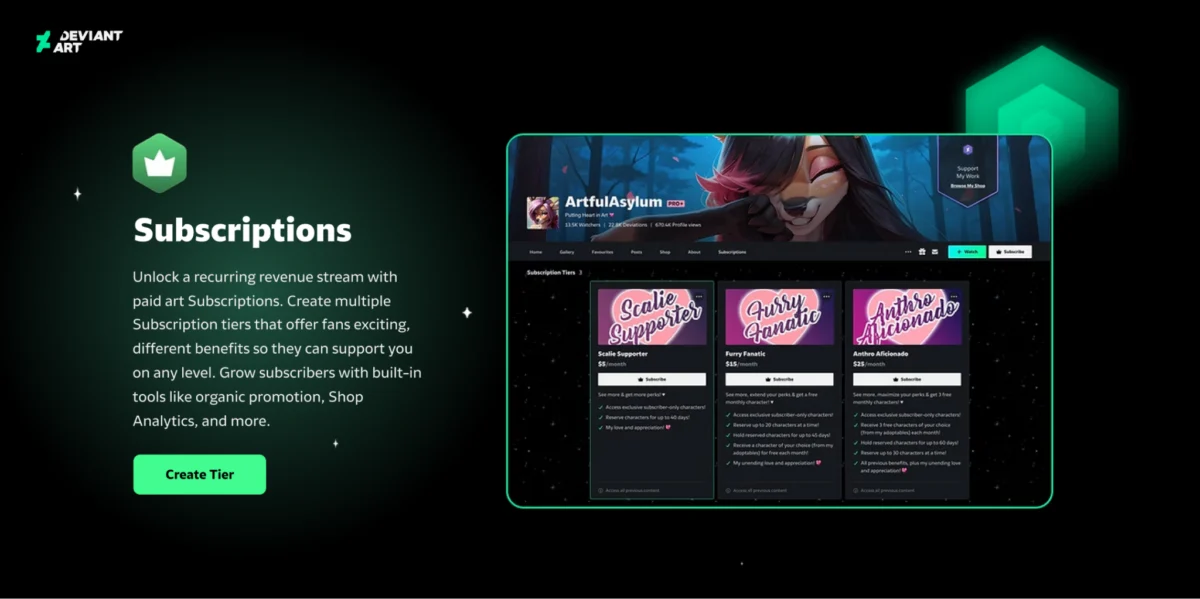
The last five years have marked a radical shift. Recognizing the necessity of a sustainable creator economy, the platform introduced advanced tools like Shop, integrated subscription models, and comprehensive analytics. This shift transformed the site from a portfolio-sharing tool into a powerhouse of independent commerce.
Supporting Data: The Surge in Creator Revenue
The shift toward creator-centric monetization has yielded record-breaking results. According to official data provided by the company, the platform has reached a tipping point in its financial viability for its users.

In 2025 alone, the DeviantArt community generated over $23 million in sales. This figure is not merely a statistical milestone; it represents a cultural pivot. Perhaps most impressively, the total creator sales achieved in 2025 exceeded the collective total of the previous five years combined. This exponential growth suggests that the "all-in-one" ecosystem is successfully converting casual browsers into loyal customers, and creators into professional entrepreneurs.
Official Responses: The Philosophy of the "Creative Home"
Liat Karpel Gurwicz, Chief Revenue Officer at DeviantArt, emphasizes that the platform’s longevity is rooted in its refusal to compromise its mission for the sake of ad-driven growth.
"At its heart, DeviantArt is an art community," Gurwicz notes. "Today, DeviantArt is a complete creative home, where artists can publish work, grow their audience, and earn, while collectors and art lovers can discover, curate, and directly support the creators they care about. Every tool they need is all in one place, built around the community that’s been here for 25 years."
The internal strategy of the company is distinct from its competitors: DeviantArt rejects the third-party advertisement model. In a traditional social media ecosystem, users are often the product, sold to advertisers. On DeviantArt, the model is reversed. The platform aligns its financial interests with the artist; it only thrives when the artist thrives.
"Staying true to what makes the platform special guides every decision we make," Gurwicz adds. "For artists, we provide the tools and infrastructure to connect, grow, and earn. For art lovers, it means offering a home to discover, browse, and collect art, while enabling meaningful, direct support for creators they care about."
The Implications: Why the "All-in-One" Model Matters
The implications of DeviantArt’s success are significant for the broader tech and creative sectors.
1. The Death of the "Link-in-Bio" Struggle
For years, creators have struggled with fragmented workflows. A typical artist might have their portfolio on one site, their store on another, and their community on a third. DeviantArt’s "Shop" and "Studio" features eliminate the need for this fragmentation. When a creator can manage inventory, analyze customer demographics, and interact with their community on one platform, they spend less time managing software and more time creating.
2. Community vs. Audience
There is a fundamental difference between an "audience"—which is passive and susceptible to algorithm changes—and a "community," which is active and engaged. DeviantArt’s emphasis on community-building tools fosters a deeper level of loyalty. When collectors feel connected to the artist, they are more likely to support them through subscriptions and direct purchases.

3. Sustainability in a Post-Ad World
By eschewing third-party ads, DeviantArt avoids the "race to the bottom" that often plagues content platforms. In an ad-driven model, the platform is incentivized to prioritize clickbait and sensationalism. By making money only when the artists themselves succeed, DeviantArt incentivizes high-quality work and professional development. This aligns the interests of the platform with the long-term career health of the user.
Looking Toward the Future
As DeviantArt enters its second quarter-century, the challenge will be to maintain the intimacy of a community while managing a global scale of over 100 million members. However, the data suggests the platform is on the right track. By providing a stable, reliable, and professional-grade environment, it has successfully transitioned from a "social network" to a "creative economy."
For the aspiring digital artist, the message is clear: the most successful path to a long-term career is not necessarily to chase the widest audience on the loudest platform, but to find a home that provides the infrastructure to sustain a creative practice.
Whether you are a painter looking to sell prints, a digital designer managing commissions, or a collector seeking to support emerging talent, the architecture of DeviantArt is designed to facilitate these interactions. The platform’s 25-year history is not just a record of the past, but a blueprint for the future of digital artistry—a future where creators, not algorithms, dictate the value of their work.
For those looking to grow their practice and make meaningful connections within this diverse group, the tools are already waiting. In a digital world that often feels disposable, DeviantArt offers something increasingly rare: a place to build, a place to stay, and a place to grow.
Join the movement and start building your creative future today at DeviantArt.