By Craig Robinson, Senior Editor | Last Updated: July 7, 2026
In an era where digital entertainment is often scrutinized for its screen-time implications, a heartening development has emerged from Scotland. The Glasgow Children’s Hospital Charity (GCHC) has officially moved to expand its innovative "Gamer-in-Residence" initiative, seeking a new specialist to join its ranks. This move marks a significant milestone in the integration of therapeutic gaming within clinical settings, underscoring the growing recognition of video games as a vital tool for pediatric patient care.
The Core Mandate: Gaming as a Healing Tool
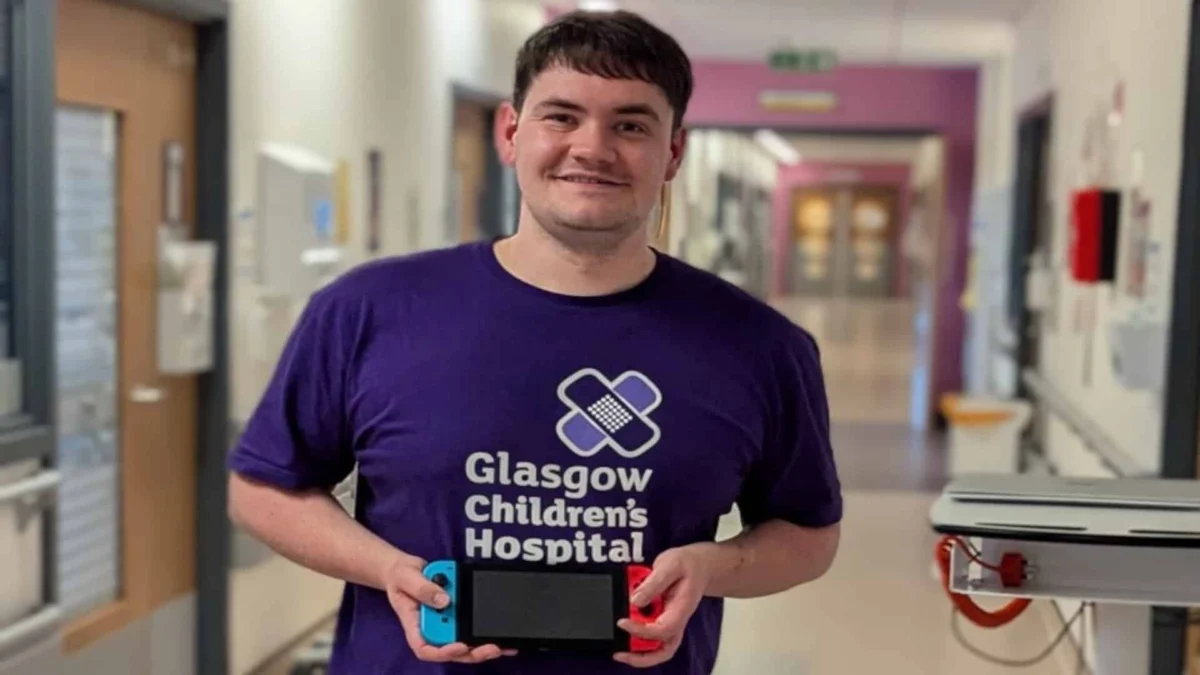
The GCHC has launched a recruitment drive for a Gamer-in-Residence, offering a one-year contract with a salary of £24,500. This position is not merely about providing entertainment; it is a specialized role designed to support the more than 500 children and young people treated at the Royal Hospital for Children in Glasgow every day.
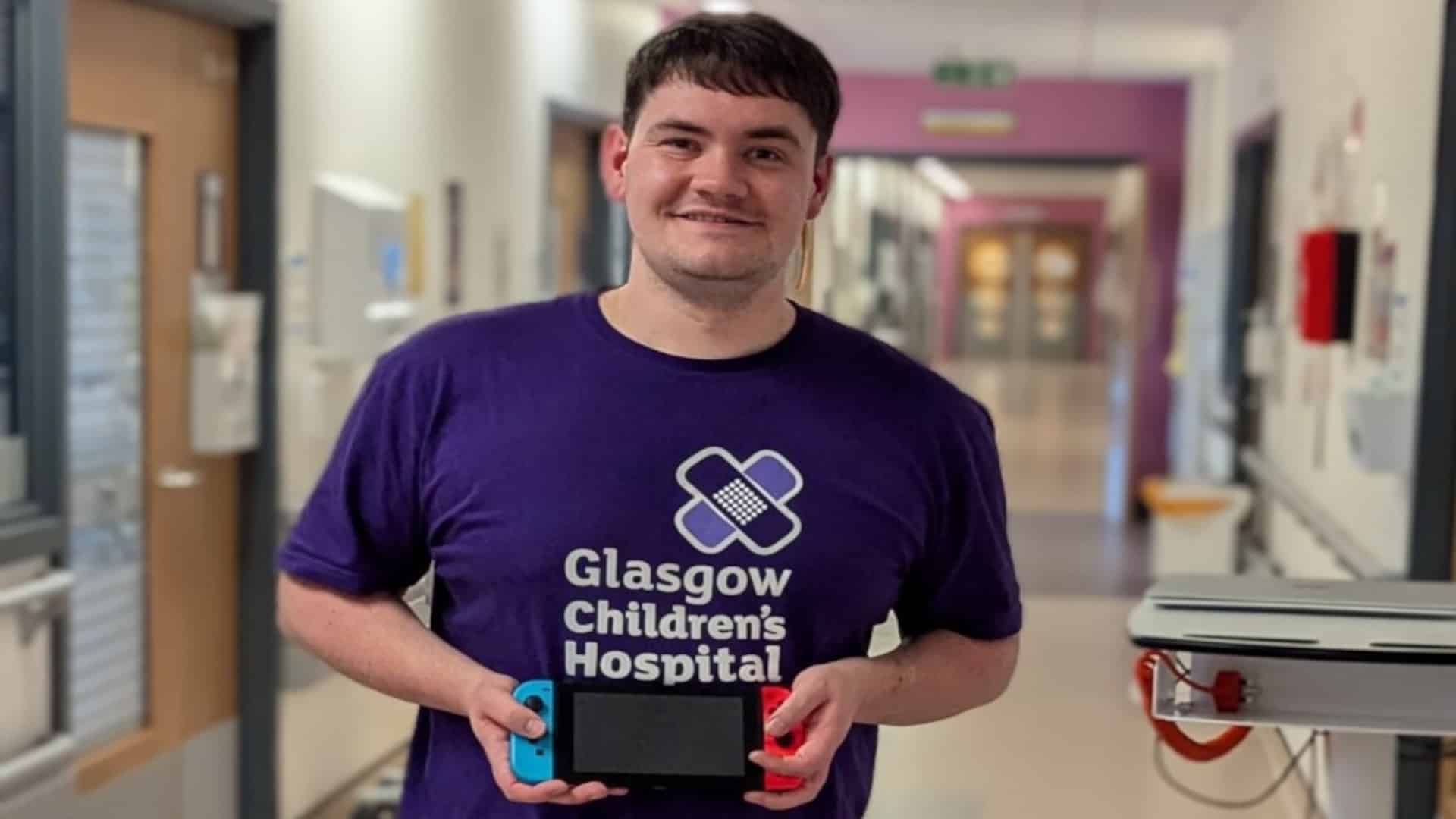
The role, which has generated significant interest—evidenced by the job listing being pulled from LinkedIn shortly after posting—is being spearheaded by the inaugural Gamer-in-Residence hired in 2024. Having successfully navigated the pilot phase of the program, the incumbent is now stepping into a managerial capacity to oversee the department’s growth.
The successful candidate will be tasked with:
- Curating Immersive Experiences: Delivering tailored gaming sessions using consoles, handhelds, and emerging technologies.
- Technological Integration: Introducing patients to Augmented Reality (AR) and Virtual Reality (VR) to provide escapism and cognitive stimulation.
- Event Coordination: Organizing hospital-wide gaming tournaments and play-focused social events to foster community among patients.
- Strategic Innovation: Collaborating with medical staff to develop new, evidence-based approaches to play therapy.
A Legacy of Compassion: 25 Years of Support
The Royal Hospital for Children has long been a beacon of pediatric care, supported for over two decades by the GCHC. For 25 years, the charity has sought to alleviate the stress of hospitalization through play, art, and emotional support. The Gamer-in-Residence program represents the latest evolution of this mission.
Modern healthcare environments can be intimidating and isolating for children. The introduction of a dedicated gaming specialist allows the hospital to meet children in their own "digital language." By leveraging the interactivity of gaming, the hospital provides a sense of agency to patients who often feel they have little control over their medical circumstances.
The Chronology of Digital Therapy in Healthcare
The concept of "gaming for good" has been simmering in the background of the tech industry for years, but it is only recently that it has gained formal clinical legitimacy.
Early Foundations (2010–2020)
The groundwork for this role was laid by organizations like SpecialEffect, a UK-based charity that has spent years customizing gaming controllers and interfaces for patients with physical disabilities. Their work proved that gaming was not a luxury, but an accessible form of communication and rehabilitation. Simultaneously, the Make-a-Wish Foundation began facilitating gaming-related wishes, highlighting the profound emotional impact that digital worlds have on children facing life-limiting illnesses.
The Pilot Phase (2024)
In 2024, the GCHC took the bold step of creating the first Gamer-in-Residence position. The goal was to move beyond simply placing a console in a playroom. By hiring a professional to manage the hardware, curate the software, and interact with the children, the charity transformed gaming from a passive distraction into an active therapeutic engagement.
The Expansion (2026)
Following the success of the 2024 pilot, the program has proven its worth. The transition of the initial hire into a managerial role indicates that the GCHC views this not as a temporary experiment, but as a permanent fixture of their care strategy.
Supporting Data: Why Gaming Matters
The efficacy of gaming in pediatric care is supported by a growing body of anecdotal and clinical observation. Research into "distraction therapy" suggests that the immersive nature of gaming can significantly reduce a patient’s perception of pain and anxiety during uncomfortable procedures.
- Cognitive Distraction: Video games require focus, hand-eye coordination, and problem-solving, which occupy the brain’s processing power, leaving less room for the perception of anxiety or pain.
- Social Connectivity: For children confined to wards, gaming serves as a social bridge. Multiplayer sessions allow them to connect with peers, reducing the feelings of isolation that often accompany long-term hospital stays.
- Sense of Mastery: In a clinical setting, a child is often the recipient of care, not the actor. Gaming allows them to be the protagonist, to win, and to overcome challenges—a psychological boost that is invaluable during recovery.
The Broader Implications: A New Professional Standard
The hiring of a Gamer-in-Residence is a signal to the wider healthcare sector. It suggests that the role of a "Play Specialist" is evolving to include digital literacy. As Generation Alpha and beyond grow up with gaming as a primary mode of social interaction, hospitals that fail to incorporate these tools may find themselves disconnected from the emotional needs of their youngest patients.
Moreover, the role highlights a massive opportunity for the esports and gaming industry to give back. By partnering with organizations like GCHC, developers and hardware manufacturers can ensure their products are used to improve quality of life. The fact that the position is funded and supported within a hospital budget implies a shift in institutional priority—from viewing gaming as a "time-waster" to recognizing it as a "therapeutic intervention."
Challenges and Future Outlook
Despite the optimism, the road ahead is not without challenges. Maintaining a high-quality gaming suite in a hospital environment requires rigorous infection control, constant hardware maintenance, and a diverse library of games that are age-appropriate and sensitive to the conditions of the patients.
There is also the question of sustainability. While the GCHC has committed to a one-year contract, the long-term goal is clearly to secure permanent funding to ensure that no child has to face their hospital stay without access to these resources. The hope, as noted by the program’s architects, is that this role eventually becomes a standard, funded position in hospitals across the United Kingdom.
Conclusion: A Wholesome Way Forward
In a world often dominated by headlines of geopolitical strife and economic uncertainty, the news from Glasgow serves as a reminder of the power of community-driven innovation. A dedicated care worker, armed with a controller and a headset, provides more than just gameplay—they provide a bridge back to childhood.
As the Glasgow Children’s Hospital Charity continues its search for the next Gamer-in-Residence, the excitement surrounding the role is palpable. It is a testament to the fact that when we use technology with empathy and intent, we can turn even the most sterile environments into spaces of joy, discovery, and healing.
For the lucky individual who secures the role, the next 12 months will be defined by small victories: a high score achieved, a new friend made in a virtual lobby, and the smiles of children who, for a few hours, were able to forget the hospital walls and embark on an adventure. Here’s hoping the program finds its next champion, and that this vital work receives the long-term investment it deserves.
Stay tuned to Esports News UK for further updates on the expansion of the Gamer-in-Residence program and other stories where technology meets human kindness.