Nila Kartika Wati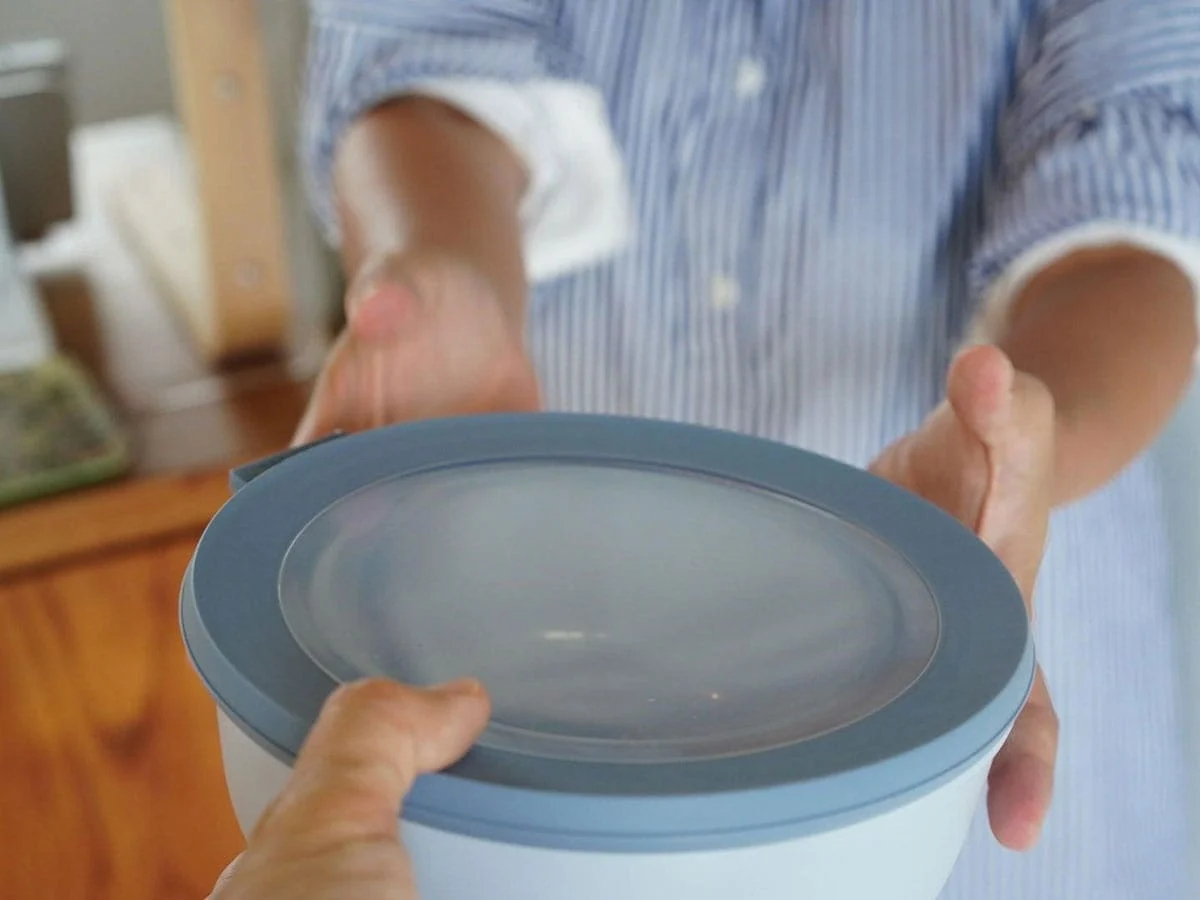
Shibuya, Tokyo, is globally synonymous with neon-lit energy, the frenetic pace of the Scramble Crossing, and an unparalleled youth-centric nightlife. As the district continues to evolve as a global tourism hub, it is also increasingly becoming a testing ground for urban sustainability. Faced with the mounting challenge of single-use plastic waste—a persistent issue in Japan’s convenience-driven food culture—local stakeholders have launched an innovative pilot program designed to revolutionize the way residents and tourists consume takeout.
The initiative, known as "Megloo," seeks to replace the transient convenience of disposable containers with a robust, multi-use packaging infrastructure. By integrating seamless return systems into the daily habits of urban dwellers, the project aspires to turn Shibuya into a model for circular urban living.
Main Facts: The Mechanics of the Megloo Pilot
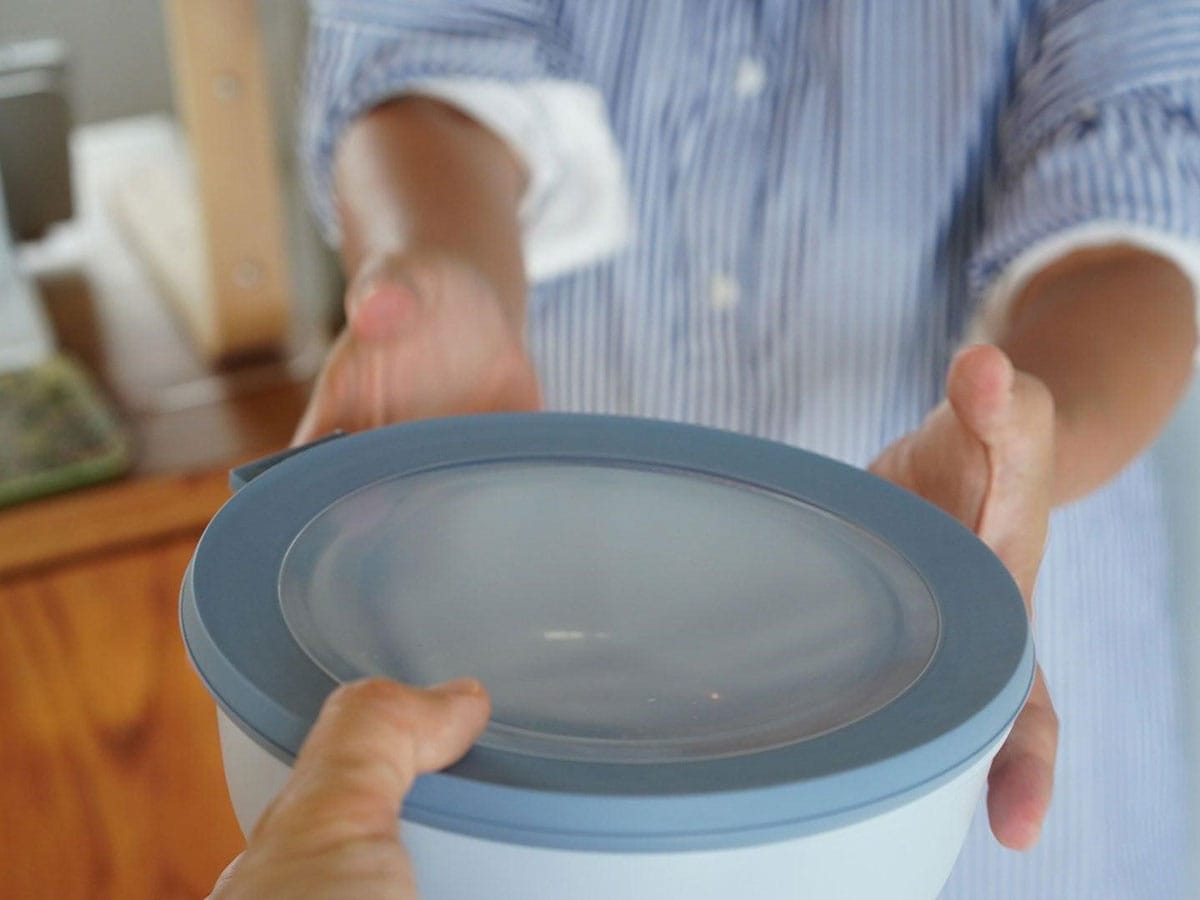
The Megloo service, operated by Kaman Co., Ltd., is not merely a recycling program; it is a fundamental shift in food logistics. The core premise is simple yet transformative: rather than discarding plastic containers after a single meal, customers receive their food in durable, reusable vessels. Once the meal is finished, the user performs a light rinse, deposits the container into a designated collection box, and returns to their day.
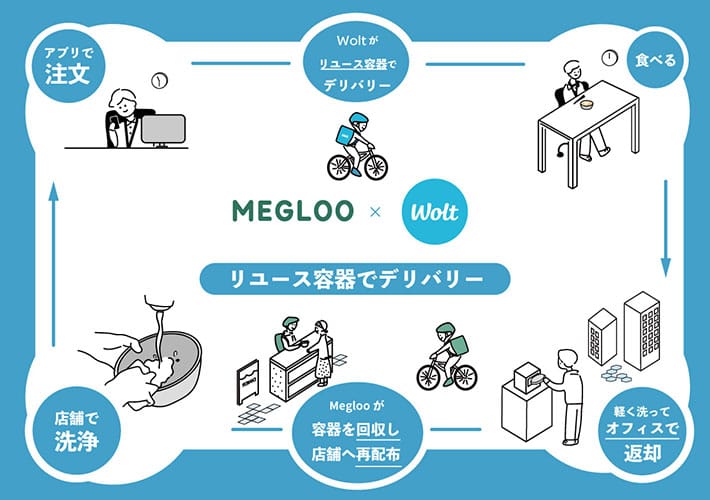
The service operates on a closed-loop system:
- Distribution: Partner eateries and food trucks serve meals in Megloo-certified containers.
- Consumption: The diner enjoys the meal, typically in an office, park, or residence.
- Recovery: The diner deposits the container at a strategically placed Megloo return station.
- Sanitization: Kaman Co., Ltd. collects the used inventory, subjects the containers to industrial-grade sterilization, and redistributes the clean stock back to participating vendors.
This pilot program, which ran from January 24th to February 23rd, 2023, involved 19 brick-and-mortar restaurants and five food trucks. By focusing on the high-traffic corridor near the Shibuya Cast building and stretching into the Harajuku, Omotesando, and Yoyogi areas, the project aimed to measure the scalability of reusable packaging in a high-density, fast-paced environment.
Chronology: The Evolution of the Trial
The road to the Megloo pilot was paved by a growing recognition of Japan’s "plastic problem." Despite Japan’s world-class waste sorting and recycling infrastructure, the sheer volume of single-use packaging generated by the food delivery sector—which saw an unprecedented surge during the COVID-19 pandemic—remained an environmental bottleneck.
- Pre-Trial (Late 2022): Kaman Co., Ltd. initiated discussions with key stakeholders, including the food truck aggregator Workstore Tokyo Do and the delivery giant Wolt Japan, to bridge the gap between sustainability and convenience.
- January 24, 2023: The official launch of the pilot program. Participating restaurants began offering the Megloo option, and return boxes were installed at key locations to ensure ease of access for users.
- Early-to-Mid February 2023: Mid-trial assessment. During this phase, organizers monitored return rates and consumer engagement. By tracking how many containers were successfully returned versus those that remained in circulation, Kaman gathered critical data on user behavior and the logistics of container redistribution.
- February 23, 2023: The conclusion of the official testing window. This period served as the primary data-gathering phase, providing the quantitative evidence needed to determine the feasibility of a permanent, ward-wide rollout.
Supporting Data: Understanding the Impact
The success of the Megloo initiative hinges on the "return rate"—the percentage of containers that find their way back into the cleaning cycle. In similar urban sustainability experiments globally, the "friction" of returning an item is the greatest barrier to entry. To combat this, the Megloo team strategically placed return boxes at high-traffic hubs, such as the Shibuya Cast complex and various transit-adjacent points, to ensure that the return process was as convenient as grabbing a morning coffee.
Participating entities represented a diverse cross-section of the Shibuya culinary scene:
- Takeout Partners: Establishments like Contrail Shibuya and Marked Shibuya offered a premium, eco-conscious takeout experience. In the Harajuku/Omotesando corridor, Marusei and the Alishan Park Cafe provided health-conscious, sustainable dining options.
- Delivery Integration: Through the Wolt platform, users could specifically request Megloo containers for deliveries from vendors like ABURA NOODLE TOKYO RAIJIN, Torisoba Juban 156, and Itadaki Malatang.
The inclusion of food trucks—notably those operating out of the Shibuya Cast Garden—provided a vital "on-the-go" testing ground. Because food truck patrons are often mobile, the proximity of return stations was essential for the project’s viability.
Official Responses and Strategic Vision
Kaman Co., Ltd. has framed the Megloo initiative as an infrastructure project rather than a marketing campaign. "The goal is to make the reusable option the path of least resistance," noted a project representative during the launch. By partnering with Wolt, a major player in the delivery space, Kaman signaled that they were not looking to compete with existing convenience models, but to modernize them.
The response from the business community has been cautiously optimistic. For restaurant owners, the primary concern remains the labor costs associated with washing and inventory management. However, as environmental, social, and governance (ESG) criteria become increasingly important for Japanese businesses, many restaurateurs view the Megloo partnership as a vital step in aligning their operations with the shifting values of the younger demographic, who are significantly more likely to choose a brand based on its environmental credentials.
Implications: A Sustainable Future for Tokyo
The implications of the Megloo pilot extend far beyond the borders of Shibuya Ward. Japan is currently grappling with a societal shift in how it views "disposability." For decades, the culture of omotenashi (hospitality) and convenience resulted in a default preference for individually wrapped, single-use items. However, the rise of conscious consumerism is forcing a reassessment of this model.
1. Scaling the Circular Economy
The data gathered from the Shibuya pilot will serve as a blueprint for other urban centers. If Kaman can demonstrate that the cost of sanitizing and redistributing containers is lower than the long-term environmental and financial costs of purchasing single-use plastic, the Megloo model could be franchised to other wards in Tokyo, and eventually, other major cities across Japan.
2. Behavioral Shifts in Tourists
For the international tourist, the Shibuya experience often involves consuming meals in public spaces, leading to overflowing trash bins and litter. By providing a clear, simple way to participate in a circular economy, the Megloo initiative empowers visitors to contribute positively to the city they are exploring, transforming them from passive consumers into active participants in Tokyo’s environmental goals.
3. Policy and Regulatory Potential
The success of such a pilot often acts as a precursor to municipal legislation. Should the return rates prove high, the Shibuya Ward government may eventually consider incentivizing, or even mandating, the use of reusable containers for large-scale delivery services. This could trigger a wave of investment in localized "washing hubs," effectively creating a new green-tech sector within the city’s economy.
Conclusion: Looking Beyond the Pilot
While the official trial period concluded in February 2023, the legacy of the Megloo project remains a focal point for Tokyo’s urban planners. As the city prepares for an increasingly green future, the integration of technology—such as the Megloo app and real-time tracking of container availability—will be crucial.
For those visiting Shibuya, the lesson is clear: sustainability in a metropolis is a collaborative effort. By supporting establishments that prioritize multi-use packaging, consumers hold the power to influence the market. As Shibuya continues to lead Japan into the future of urban living, initiatives like Megloo prove that even in the world’s most fast-paced, high-tech environments, there is always room to slow down, reuse, and protect the world we inhabit.
Whether this model becomes the standard for Tokyo’s delivery landscape remains to be seen, but one thing is certain: the era of "takeout and trash" is being challenged by a more thoughtful, circular, and sustainable vision for the city. Travelers and residents alike are encouraged to stay updated via the Megloo social media channels, as the initiative continues to test and refine its systems for a permanent, greener footprint in the heart of Tokyo.


 Neng Nana
 Asro
Asro