Suro Senen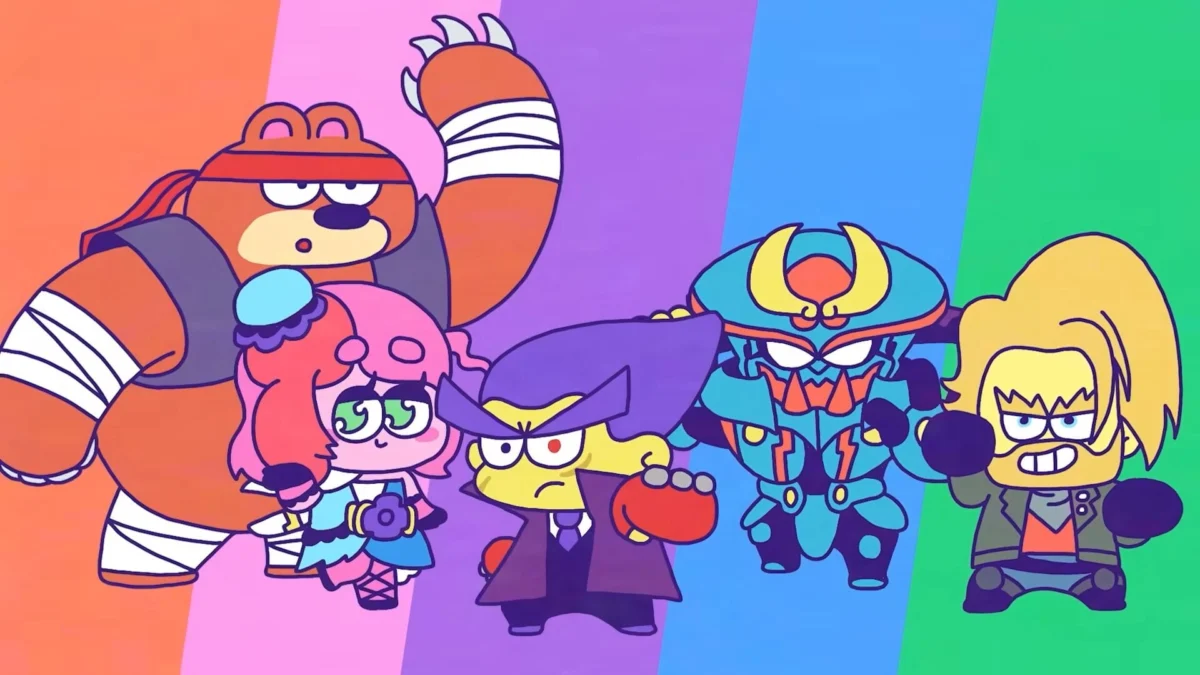
TOKYO, Japan – [Current Date, e.g., October 26, 2023] – Bandai Namco Entertainment, a global leader in video game development and publishing, has officially announced Tekken! Cartoon, an upcoming series of short animated features that will bring the iconic characters of the beloved Tekken fighting game franchise to a new, animated format. The revelation, accompanied by a concise teaser and a call for fans to monitor official social channels for further updates, signals a significant expansion of the Tekken universe beyond its traditional interactive roots and recent cinematic endeavors.
The announcement positions Tekken! Cartoon as a collection of brief, episodic narratives designed to showcase the popular roster of the "King of Iron Fist Tournament" in a fresh, potentially more lighthearted context. While specific details regarding the series’ animation style, target audience, release platform, or exact premiere date remain under wraps, the initial teaser text, "Will this fight end in a draw? Your favorite Tekken characters are coming out of the ring and into the cartoon world! Keep an eye on our socials for more news about the Tekken! Cartoon," hints at a departure from the franchise’s often gritty, dramatic lore in favor of a more accessible, possibly comedic, exploration of its rich character tapestry. This move underscores Bandai Namco’s continued strategy to leverage its most cherished intellectual properties across diverse entertainment mediums, aiming to captivate both long-standing enthusiasts and a new generation of potential fans.
Main Facts: A New Chapter for the King of Iron Fist
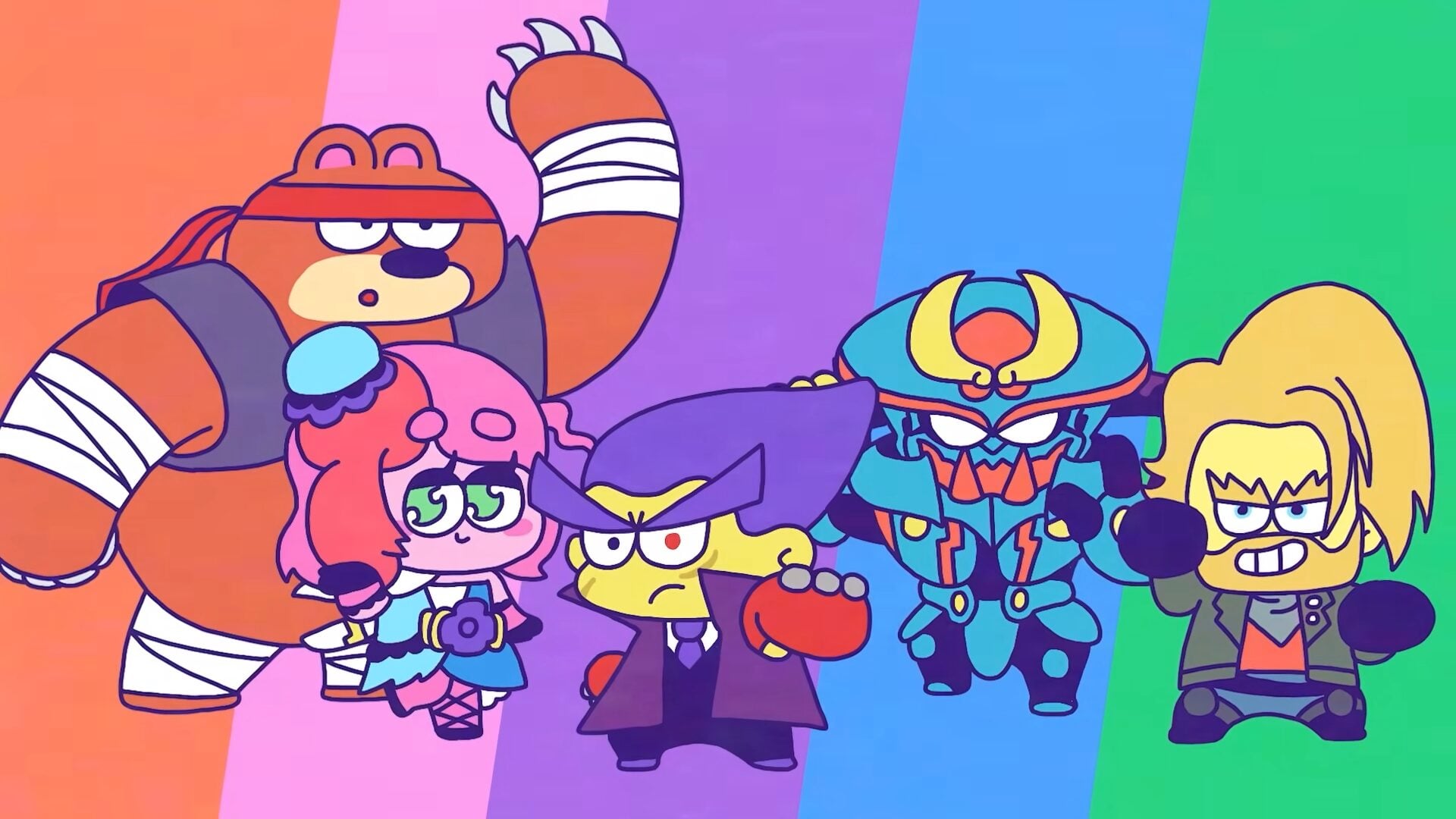
The recent announcement of Tekken! Cartoon marks an exciting new venture for Bandai Namco Entertainment and the globally recognized Tekken franchise. At its core, the initiative is a series of short animated cartoons featuring the popular and diverse cast of characters that have defined the Tekken universe for nearly three decades. This initiative was unveiled through a minimalist but intriguing teaser, disseminated across Bandai Namco’s official channels, which included a promotional image depicting several familiar Tekken fighters in what appears to be a stylized, animated setting.
The official title, Tekken! Cartoon, distinctly suggests a shift in tone from the franchise’s more serious, narrative-driven mainline games and previous animated projects. The exclamation mark, often used to denote excitement or a lighter mood, coupled with the explicit "Cartoon" descriptor, implies an approach that may lean into humor, episodic antics, or character-focused vignettes rather than adhering strictly to the intricate, often dark, canonical lore of the Mishima Zaibatsu saga. This strategic naming could be a deliberate attempt to broaden the franchise’s appeal, potentially targeting younger audiences or those who appreciate the Tekken characters for their distinct personalities and visual flair, even outside the competitive fighting game arena.
Crucially, the initial announcement provided very few concrete details. While an accompanying image and a brief teaser trailer (available in both English and Japanese) offered a glimpse into the visual direction, there was no information regarding the animation studio responsible, the voice cast involved, the specific characters slated to appear (beyond "popular Tekken characters"), the intended streaming platform, the total number of episodes, or an estimated release window. Furthermore, the typical "staff" listing in a journalistic announcement was left conspicuously empty, reinforcing the notion that this is a preliminary reveal designed to generate buzz and gauge initial fan interest. The explicit instruction to "Keep an eye on our socials for more news" strongly indicates that Bandai Namco plans a phased rollout of information, building anticipation as the project develops. This drip-feed approach is common in the entertainment industry, allowing companies to maintain engagement over an extended period leading up to a full reveal or launch.
The Tekken! Cartoon project represents Bandai Namco’s latest effort to diversify its content offerings for one of its flagship brands. By venturing into short-form animation, the company is tapping into a growing trend of game developers adapting their IPs into bite-sized, accessible entertainment experiences, often designed for digital platforms. This strategy not only serves to re-engage existing fans but also acts as an onboarding mechanism for new audiences who might be introduced to the vibrant world of Tekken through a less intimidating format than a complex fighting game. The concept of "coming out of the ring and into the cartoon world" suggests a playful reinterpretation, promising narratives that explore the characters’ lives, interactions, and possibly even their humorous side beyond the confines of intense, high-stakes combat.
Chronology: Tekken’s Journey Beyond the Console
The announcement of Tekken! Cartoon is not an isolated event but rather the latest chapter in a long history of the Tekken franchise expanding its reach beyond its arcade and console origins. From its debut in 1994, Tekken quickly established itself as a cornerstone of the fighting game genre, renowned for its intricate 3D combat, compelling character designs, and a sprawling, often convoluted, narrative centered around the Mishima family’s cursed lineage. However, Bandai Namco (and its predecessor, Namco) recognized early on the potential for Tekken to transcend the gaming medium.
The first significant foray into visual media was Tekken: The Motion Picture, an anime film released in 1998. This OVA (Original Video Animation) served as an early attempt to translate the game’s dramatic narrative and character relationships into a linear storytelling format. While it captured the essence of early Tekken lore, its reception was mixed, highlighting the challenges of adapting interactive experiences into passive viewing.
Years later, with the advent of CG animation becoming more sophisticated, Bandai Namco revisited the cinematic adaptation with Tekken: Blood Vengeance in 2011. This CG-animated film, released in conjunction with Tekken Tag Tournament 2, offered a visually stunning, albeit non-canonical, story that delved deeper into characters like Ling Xiaoyu, Alisa Bosconovitch, and the eternal conflict between the Mishima family members. It showcased the technical prowess available for translating the games’ detailed character models and explosive fight sequences to the big screen, albeit with a focus on a more mature audience.
Perhaps the most ambitious and widely distributed animated adaptation prior to Tekken! Cartoon was Tekken: Bloodline, which premiered globally on Netflix in August 2022. This anime series garnered significant attention for its focus on Jin Kazama’s origin story, directly adapting elements from Tekken 3. Its release on a major streaming platform like Netflix underscored Bandai Namco’s commitment to reaching a broad, international audience and signaled a successful contemporary model for video game adaptations. Bloodline maintained a serious tone, mirroring the games’ lore, and utilized a distinct blend of traditional animation and CG to bring its characters and fights to life. Its success likely paved the way for further experimentation, including the current Tekken! Cartoon.
Beyond animation, the franchise has also seen a live-action film adaptation simply titled Tekken in 2010. However, this production faced widespread criticism from fans and critics alike for its significant departures from the source material and its perceived lack of understanding of the franchise’s core appeal. Such experiences highlight the complexities and risks involved in translating beloved video game IPs across different media, emphasizing the importance of creative direction and fidelity to the original spirit.
The evolution of Tekken‘s media presence mirrors a broader industry trend where game publishers are increasingly leveraging their established IPs across multiple platforms. Companies like Nintendo with The Super Mario Bros. Movie, Riot Games with Arcane, and CD Projekt Red with Cyberpunk: Edgerunners have demonstrated the immense potential of successful video game adaptations to expand fanbases, generate new revenue streams, and reinforce brand loyalty. Bandai Namco itself has a rich history of multi-media projects, particularly with franchises like Gundam and Dragon Ball, which have seen countless anime series, movies, and merchandise lines. The announcement of Tekken! Cartoon therefore fits squarely within this larger corporate strategy, suggesting a calculated effort to diversify the franchise’s appeal and tap into the growing global appetite for animated content. This latest venture signals a readiness to explore different narrative tones and formats, indicating a dynamic and adaptive approach to brand management in the ever-evolving entertainment landscape.
Supporting Data: The Enduring Appeal of Tekken and the Rise of Game Adaptations
The decision to launch Tekken! Cartoon is firmly rooted in the enduring global appeal of the Tekken franchise and the current booming trend of video game adaptations across various media. Tekken has consistently ranked among the most successful and critically acclaimed fighting game series since its inception. With multiple mainline entries, spin-offs, and a dedicated esports scene, the franchise boasts a massive, loyal fanbase spanning generations and continents. Games like Tekken 7 (which sold over 11 million copies worldwide) and the recently released Tekken 8 have solidified its position as a powerhouse in the competitive gaming landscape, demonstrating its continued relevance and commercial viability. This strong foundation provides a fertile ground for expanding the brand into new entertainment formats.
A key factor in Tekken‘s longevity and appeal lies in its diverse and memorable roster of characters. From the stoic martial artist Jin Kazama to the flamboyant professional wrestler King, the cybernetically enhanced ninja Yoshimitsu, the mysterious assassin Nina Williams, and the iconic patriarch Heihachi Mishima, each character possesses a unique fighting style, compelling backstory, and distinctive personality. These characteristics make them ideal candidates for episodic storytelling, allowing creators to explore their quirks, rivalries, and unexpected alliances in scenarios that might not fit within the main tournament narrative of the games. The teaser’s promise of characters "coming out of the ring" suggests a focus on these personalities in more varied, perhaps slice-of-life or comedic, situations, which can be highly engaging for audiences.
Furthermore, the timing of Tekken! Cartoon aligns perfectly with what many industry observers are calling a "golden age" for video game adaptations. Recent years have seen an unprecedented number of successful and critically acclaimed adaptations, from animated series like Netflix’s Arcane (based on League of Legends), Castlevania, and Cyberpunk: Edgerunners, to live-action behemoths such as HBO’s The Last of Us and Amazon Prime Video’s Fallout. These successes have demonstrated that when handled with care, respect for the source material, and a clear creative vision, video game IPs can translate into immensely popular and profitable television and film productions. This climate has fostered an environment where studios are more willing to invest in such projects, and audiences are more receptive to them.
The choice of a "short cartoon" format for Tekken! Cartoon is particularly astute in this landscape. Short-form animation offers several strategic advantages:
- Lower Barrier to Entry: Episodes can be consumed quickly, making them ideal for casual viewing and attracting audiences who might not commit to a full-length series or feature film.
- Experimentation: The format allows for greater creative freedom to experiment with different animation styles, narrative tones (e.g., comedy, parody, character studies), and non-canonical storylines without impacting the main game lore.
- Cost-Effectiveness: Generally, short-form animation can be produced more efficiently than feature films or extensive series, allowing for faster iteration and market response.
- Digital Platform Suitability: Short cartoons are perfectly suited for distribution on social media, YouTube, or as bonus content on streaming services, catering to modern viewing habits.
Regarding the target audience, the "cartoon" designation strongly suggests a lighter, possibly more family-friendly approach compared to the often violent and mature themes of the mainline Tekken games or previous adaptations like Tekken: Bloodline. While Tekken has always had a broad appeal, a cartoon could specifically aim to introduce the franchise to younger viewers, potentially creating a new generation of fans. Alternatively, it could cater to existing fans who appreciate the characters’ comedic potential or desire a less intense, more whimsical take on the Tekken universe. The specific animation style hinted at in the teaser – which appears to be a vibrant, possibly simplified or chibi-esque aesthetic – further supports the idea of a broad or younger demographic. This contrasts sharply with the more realistic or gritty animation styles seen in Blood Vengeance or Bloodline, underscoring a deliberate shift in creative direction.
Official Responses: Decoding the Cryptic Announcement
Bandai Namco’s official announcement for Tekken! Cartoon has been notably concise, relying heavily on a teaser image, a brief textual statement, and two short video trailers (English and Japanese versions) to convey its message. The scarcity of detailed information in this initial reveal can be interpreted in several ways, reflecting strategic communication from the publisher.
The core of Bandai Namco’s official "response" comes directly from the teaser text: "Will this fight end in a draw? Your favorite Tekken characters are coming out of the ring and into the cartoon world! Keep an eye on our socials for more news about the Tekken! Cartoon." Each phrase within this brief statement carries significant weight.
The opening question, "Will this fight end in a draw?", immediately sets a tone that deviates from the high-stakes, decisive battles characteristic of the Tekken tournaments. In the games, fights rarely end in a draw, emphasizing clear victors and losers. This rhetorical question in the teaser suggests that the Tekken! Cartoon might explore scenarios where traditional combat outcomes are not the primary focus, or perhaps where conflicts are resolved through non-violent means, humor, or unexpected compromises. It hints at a narrative structure that could be less about ultimate victory and more about character interactions, situational comedy, or even slice-of-life vignettes. This ambiguity provides fertile ground for fan speculation and differentiates the cartoon from its more serious predecessors.
The declaration that "Your favorite Tekken characters are coming out of the ring and into the cartoon world!" is a direct statement of intent. It confirms that the beloved roster will be central to the series but also explicitly states a transition from the fighting arena to a broader, animated environment. This implies that the series will explore aspects of these characters’ lives, personalities, and relationships that extend beyond their martial prowess or tournament ambitions. It opens the door for stories that might delve into their daily routines, their interactions in non-combat settings, or even lighthearted parodies of their iconic rivalries. The use of "cartoon world" further emphasizes a potentially stylized, exaggerated, or fantastical setting, separate from the more grounded (albeit supernaturally charged) reality of the main games.
The concluding directive, "Keep an eye on our socials for more news about the Tekken! Cartoon," serves as a clear call to action and a strategic element of Bandai Namco’s marketing plan. By directing fans to social media, the company ensures that it maintains direct engagement with its community, controls the narrative around the announcement, and can leverage social platforms for future information dissemination, viral marketing, and gathering fan feedback. This phased release of information is a common industry practice, designed to build sustained excitement and anticipation over time, rather than revealing all details at once.
The notable absence of a detailed staff list, an animation studio announcement, or specific release platforms in this initial reveal further underscores that this is a very early-stage announcement. It suggests that production might still be in its nascent phases, or that Bandai Namco is strategically holding back these details for a more substantial reveal at a later date, perhaps at a major industry event or a dedicated live stream. This approach allows them to gauge initial public reaction before committing to more specific production details or marketing pushes.
While no direct quotes from Bandai Namco executives were provided beyond the teaser text, one can infer the strategic thinking behind this move. It likely stems from a desire to:
- Expand Brand Reach: Introduce Tekken to new demographics, particularly younger audiences or casual viewers who may not engage with fighting games.
- Diversify Content Offerings: Provide fresh content for existing fans that offers a different perspective on their favorite characters.
- Capitalize on IP Value: Leverage the significant cultural capital of the Tekken franchise in the lucrative market of animated adaptations.
- Test New Formats: Explore the viability of short-form, potentially comedic, animation for future IP extensions.
In essence, Bandai Namco’s official response, though sparse, communicates a clear vision for Tekken! Cartoon as a fun, accessible, and character-driven expansion of the Tekken universe, strategically positioned to engage a wide audience and maintain brand relevance in a dynamic entertainment landscape. The anticipation built by the cryptic nature of the announcement itself is part of the strategy, ensuring that the Tekken community remains attentive for future updates.
Implications: Shaping the Future of the Tekken Universe
The announcement of Tekken! Cartoon carries significant implications for the future trajectory of the Tekken franchise, Bandai Namco’s broader multi-media strategy, and the evolving landscape of video game adaptations. This venture into short-form animation is more than just a supplementary content offering; it represents a strategic pivot that could redefine how audiences interact with the Tekken universe.
Impact on the Tekken Franchise:
- Brand Expansion and New Demographics: The most immediate implication is the potential for massive brand expansion. By adopting a "cartoon" format, Bandai Namco is likely aiming to attract a younger, broader audience that may not be familiar with the complex lore or competitive nature of the fighting games. This could serve as an accessible entry point, creating a new generation of Tekken fans who might eventually migrate to the games. It also allows the franchise to penetrate households and demographics that might not typically consume fighting game content, positioning Tekken as a more universally recognized entertainment brand.
- Character Exploration and Development: Tekken! Cartoon offers an unparalleled opportunity to delve into the personalities, quirks, and non-combat interactions of its diverse cast. The games, by necessity, focus on fighting and the overarching narrative. A cartoon format, especially short episodes, can explore slice-of-life scenarios, comedic rivalries, unexpected team-ups, or even lighthearted parodies that flesh out characters like Paul Phoenix’s hair obsession, King’s altruism, or Hwoarang’s rivalry with Jin in a way that the main games cannot. This could significantly deepen fan appreciation for the characters beyond their fighting styles.
- Canon vs. Non-Canon Experimentation: The "cartoon" descriptor and the teaser’s lighthearted tone strongly suggest that Tekken! Cartoon will exist outside the main Tekken canon. This non-canonical status provides immense creative freedom. Writers and animators won’t be constrained by existing lore or the need to maintain continuity with the main story, allowing for more experimental storytelling, comedic exaggerations, and even character pairings that would be impossible in the game’s narrative. This freedom can lead to highly engaging and surprising content for fans.
- Rejuvenation of Interest: For long-time fans, a fresh, lighthearted take on Tekken can rejuvenate interest in the franchise, especially between major game releases. It provides new content to discuss and enjoy, keeping the brand active in the public consciousness.
Broader Industry Implications:
- Validation of Short-Form Animation: Tekken! Cartoon reinforces the growing trend of short-form animation as a viable and effective medium for video game adaptations. Following the success of similar projects (e.g., character shorts for Overwatch or League of Legends), this venture could further validate the format as a powerful tool for brand engagement, character development, and audience acquisition in the gaming industry.
- Convergence of Gaming and Entertainment: This announcement is another testament to the increasing convergence of the gaming and traditional entertainment industries. Game developers are no longer just creating games; they are becoming full-fledged entertainment studios, leveraging their IPs across films, TV series, comics, and now short-form digital content. This trend blurs the lines between different media, creating a more integrated and expansive entertainment ecosystem.
- Market Positioning for Bandai Namco: By consistently expanding its major IPs into various media (e.g., Dragon Ball, Gundam, Pac-Man, and now Tekken), Bandai Namco solidifies its position as a multi-media entertainment powerhouse. This strategy allows them to compete more effectively with other major players in both the gaming and traditional entertainment sectors.
Fan Reception and Potential Challenges:
- Anticipation and Speculation: The cryptic nature of the announcement has already ignited considerable speculation among the Tekken fanbase regarding characters, animation style, and potential storylines. This buzz is crucial for building initial momentum.
- Concerns about Quality and Authenticity: While excitement is high, some fans may harbor concerns about the quality of animation, the voice acting, or whether a "cartoon" can truly capture the essence of Tekken without trivializing its characters. Maintaining a balance between accessibility and respect for the source material will be critical. The success of Tekken: Bloodline set a high bar for animated adaptations, and fans will naturally compare Tekken! Cartoon to its predecessor.
- Merchandise and Licensing Opportunities: A successful cartoon series naturally opens doors for extensive merchandise opportunities, including toys, apparel, collectibles, and other licensed products, potentially generating significant additional revenue streams for Bandai Namco.
In conclusion, Tekken! Cartoon represents a bold and calculated step for Bandai Namco. It signifies a strategic move to broaden the appeal of one of its most valuable IPs, explore its rich character tapestry in new ways, and capitalize on the current boom in video game adaptations. While details remain scarce, the implications point towards a future where the King of Iron Fist Tournament extends far beyond the confines of the fighting ring, embracing a vibrant, animated world designed to entertain and engage a global audience, both new and old. The fight for attention in the entertainment world is fierce, and Tekken! Cartoon is Bandai Namco’s latest contender, poised to enter the fray with a fresh, animated punch.


 Lina Irawan
 Sagoh
Sagoh