

The Japanese speculative fiction community has officially unveiled the winners of the 57th Seiun Awards, an annual tradition that serves as the premier barometer for excellence in science fiction, fantasy, and horror across Japan. Often referred to as the "Japanese Hugo Awards," the Seiun (which translates to "Nebula") represents the highest honor bestowed upon authors, artists, and creators who have pushed the boundaries of the imagination within the previous calendar year.
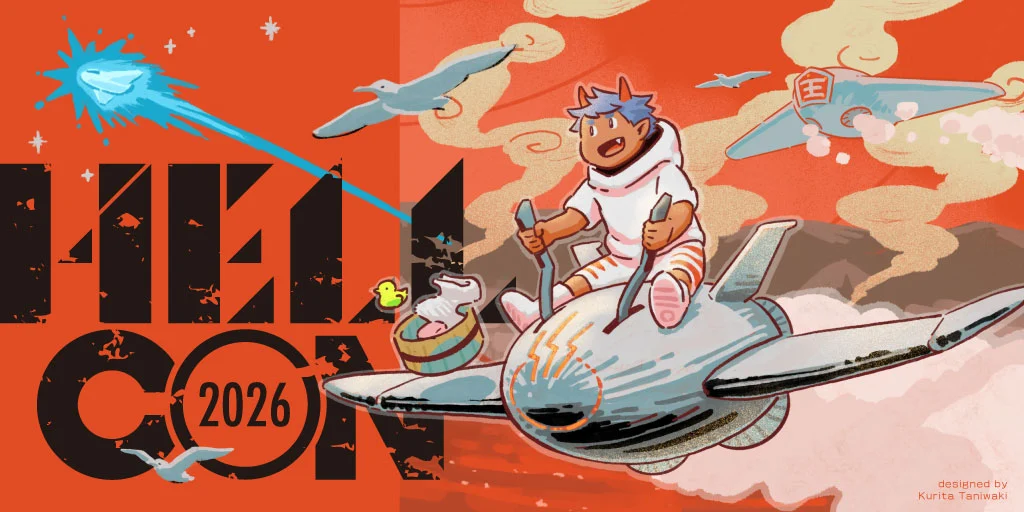
The announcement of this year’s victors has sent a wave of excitement through the genre community, highlighting a robust fusion of domestic talent and significant international reach. The winners were formally declared in anticipation of the 64th Japan Science Fiction Convention, known as HELLCON 2026, which is scheduled to take place in the historic and scenic Oita Prefecture from July 11–12, 2026.
A Legacy of Excellence: The Seiun Awards Defined
For over half a century, the Seiun Awards have been organized by the Science Fiction and Fantasy Writers of Japan (SFWJ). The award is distinct in its structure, being voted upon by the attendees of the annual Japan Science Fiction Convention (Nihon SF Taikai). This democratic process ensures that the awards reflect the genuine preferences of the most dedicated fans and practitioners of the genre.
Categories range from Best Japanese Long Story to Best Translated works, and even include broader classifications like "Best Media" and the unique "Non-Category," which honors works that evoke a profound "Sense of Wonder"—a cornerstone concept in Japanese fandom that celebrates the awe-inspiring nature of speculative narratives.
The 2026 Roll of Honor: A Breakdown of Winners
The 57th Seiun Awards featured a competitive field this year, with a notable emphasis on the global dialogue between Japanese domestic fiction and major international works.
Best Japanese Long and Short Fiction
The award for Best Japanese Long Story went to Labeled Human by Ningen Rokudo, published by Hayakawa Publishing Corporation. The novel has been praised for its intricate world-building and psychological depth. In the short story category, the honor of Best Japanese Short Story was awarded to "Tokitoki Channel: How to Make Nonexistent Weather" by Iori Miyazawa, published by Tokyo Sogensha. Miyazawa’s work, known for its whimsical yet poignant take on the genre, continues to solidify the author’s reputation as a vital voice in contemporary Japanese speculative fiction.
The International Connection: Translated Works
The Seiun Awards have long served as a bridge between the Anglophone literary market and Japanese readers. This year, the category of Best Translated Long Story resulted in a rare and prestigious tie between two titans of modern science fiction and fantasy:
- Alistair Reynolds’ Eversion, translated by Naoya Nakahara.
- R. F. Kuang’s Babel: Or the Necessity of Violence: An Arcane History of the Oxford Translators’ Revolution, translated by Yoshimichi Furusawa.
Both novels have been massive successes internationally, and their recognition in Japan highlights the universal appeal of their thematic explorations—Reynolds’ hard-SF sensibilities and Kuang’s scathing, historically-rooted critique of colonialism and linguistics.
Furthermore, Best Translated Short Story was awarded to the legendary Greg Egan for his piece "After Zero," translated by Makoto Yamagishi. Egan remains a staple of the Japanese sci-fi scene, where his mathematically rigorous and philosophically challenging narratives are held in the highest regard.

Beyond the Printed Page: Media and Artistry
The Seiun Awards are unique for their comprehensive approach to the genre, acknowledging that speculative fiction is not confined to the page.
- Best Media: The award went to "Apocalypse Hotel," directed by Kana Shundo. This category covers a broad spectrum, including theater, cinema, television, and video games, showcasing the collaborative nature of visual storytelling in Japan.
- Best Comic: The award was granted to "APOCALYPSE HOTEL PUSUPUSU" by the veteran creator Izumi Takemoto. Takemoto’s work is celebrated for its distinctive aesthetic and narrative charm, marking another milestone in a storied career.
- Best Artist: The title was awarded to Ikuto Yamashita, a name synonymous with high-concept design and visual impact in the Japanese sci-fi landscape.
- Best Non-Fiction (Related Work): Norio Itoh’s Encyclopedia Fantastica by Norio Itoh took the honors, providing a scholarly yet passionate look at the history and breadth of the fantastic.
- Non-Category: In perhaps the most eclectic win of the year, "MYAKU-MYAKU," designed by mountain mountain for the Japan Association for the 2025 World Exposition, took home the prize. This designation reflects the award’s commitment to rewarding any project that evokes the elusive "Sense of Wonder."
Implications for the Global Speculative Community
The inclusion of international authors like Kuang, Reynolds, and Egan in the Seiun Awards serves as a powerful testament to the globalization of speculative fiction. As translation technologies improve and cultural barriers diminish, the dialogue between authors in London, New York, and Tokyo has become more fluid.
For Anglophone readers, the Seiun results act as a "must-read" list. When a work wins a Seiun, it signifies that the Japanese audience—a group with a long history of high-literacy and specific genre expectations—has found the work to be of exceptional quality. It validates the cross-cultural appeal of stories that deal with the human condition in the face of the unknown.
Furthermore, the win for "MYAKU-MYAKU" suggests that the Japanese speculative community is increasingly looking outside traditional literary silos, embracing design and civic projects that capture the public imagination through surrealist or futuristic aesthetics.
Looking Ahead: HELLCON 2026
The upcoming 64th Japan Science Fiction Convention in Oita Prefecture is poised to be a landmark event. With the winners of the 57th Seiun Awards being honored on stage, the convention will serve as a hub for both domestic and international attendees to discuss the future of the genre.
HELLCON, known for its unique atmosphere and focus on community building, will provide a platform for the winners to engage directly with their readership. Panels are expected to cover the challenges of translating complex hard-SF concepts into Japanese, the intersection of traditional Japanese folklore with modern sci-fi tropes, and the future of "Sense of Wonder" in an increasingly digital world.
Conclusion: The Enduring Power of the Seiun
As the 57th cycle concludes, the Seiun Awards remain as vital as ever. By honoring both the giants of international science fiction and the rising stars of the Japanese domestic scene, the awards foster an environment where innovation is rewarded and the spirit of discovery is paramount.
Whether through the complex linguistic battles in Babel or the whimsical weather-making of Tokitoki Channel, these works invite readers to step outside the mundane and into the infinite possibilities of the future. As fans prepare for HELLCON 2026, the sentiment is clear: speculative fiction continues to thrive as a global language, one that transcends borders to find the common threads of human experience in every corner of the galaxy.
Quick Reference: 57th Seiun Award Winners
| Category | Winner |
|---|---|
| Best Japanese Long Story | Labeled Human (Ningen Rokudo) |
| Best Japanese Short Story | "Tokitoki Channel: How to Make Nonexistent Weather" (Iori Miyazawa) |
| Best Translated Long Story | Eversion (Alastair Reynolds) & Babel (R. F. Kuang) |
| Best Translated Short Story | "After Zero" (Greg Egan) |
| Best Media | "Apocalypse Hotel" (Dir. Kana Shundo) |
| Best Comic | "APOCALYPSE HOTEL PUSUPUSU" (Izumi Takemoto) |
| Best Artist | Ikuto Yamashita |
| Best Non-Fiction | Norio Itoh’s Encyclopedia Fantastica |
| Non-Category | MYAKU-MYAKU (mountain mountain) |
For more information on the awards and upcoming convention details, readers are encouraged to visit the official Seiun Awards website and the HELLCON 2026 portal.










No comments yet. Be the first to join the conversation!