Basiran
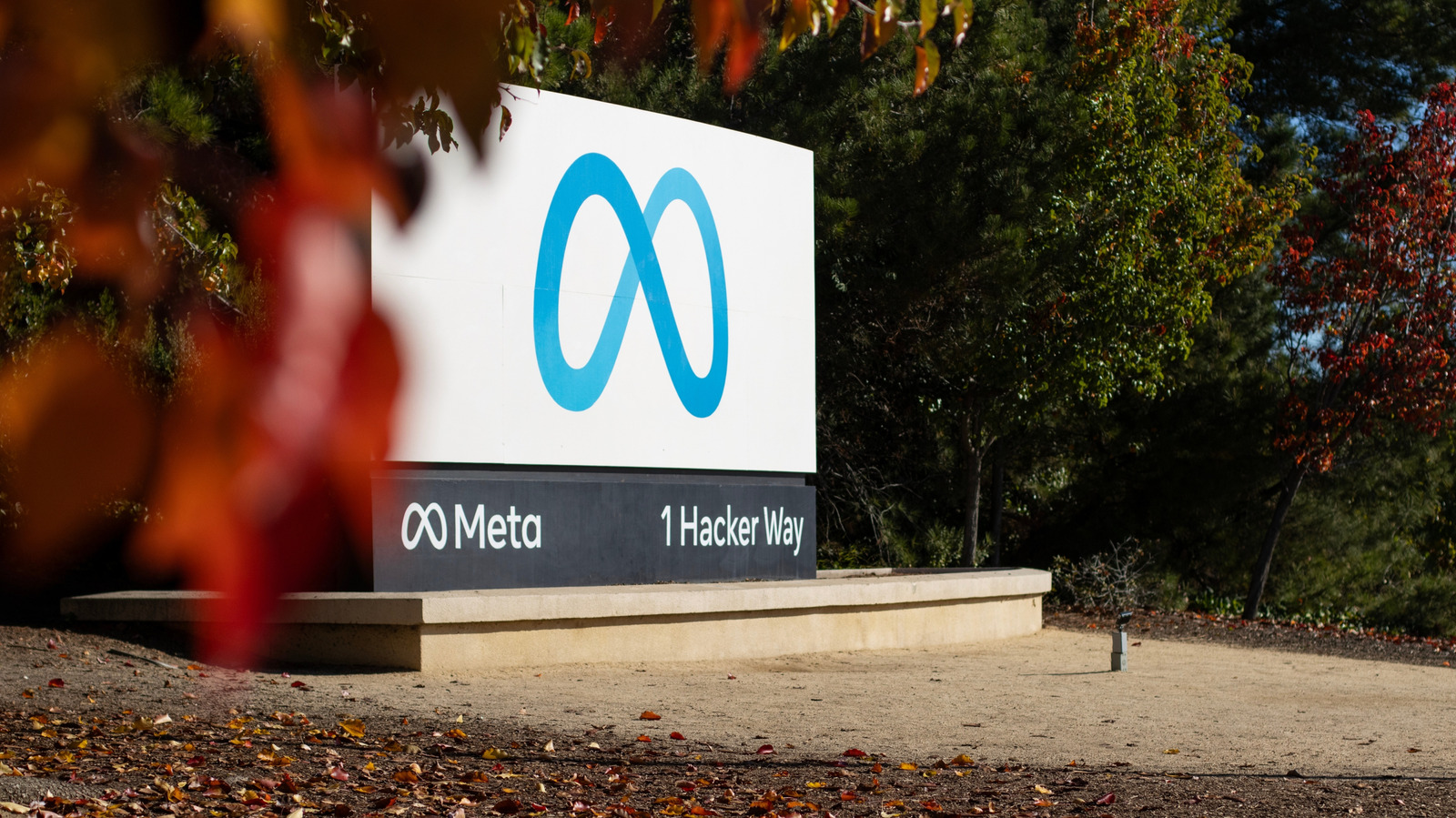
In a significant departure from its decade-long environmental branding, Meta—the parent company of Facebook, Instagram, and WhatsApp—has officially withdrawn from the RE100, a prestigious global initiative dedicated to transitioning large-scale corporations to 100% renewable electricity. This move, first reported by the industry publication Recharge, marks a pivotal moment in the intersection of artificial intelligence (AI) development and corporate climate responsibility.
As Meta accelerates its multi-billion dollar investment into the infrastructure required to power its massive AI models, the company has pivoted toward a strategy that relies increasingly on natural gas. This strategic realignment has rendered the company’s membership in the Climate Group’s RE100 initiative incompatible with its operational reality, highlighting a growing tension between the soaring energy demands of generative AI and global decarbonization targets.
A Chronology of Commitments and Pivot Points
To understand the gravity of Meta’s exit, one must look at the timeline of its environmental evolution.
- 2016: Meta joins the RE100 coalition, joining giants like Google, Apple, and Microsoft. At the time, the company set an ambitious 2020 deadline to source 100% of its electricity from renewable sources.
- 2020–2022: Meta maintains its status as one of the world’s largest corporate purchasers of renewable energy, relying heavily on long-term power purchase agreements (PPAs) with wind and solar farms to offset its growing data center footprint.
- 2023: As the generative AI arms race intensifies, Meta begins to reassess its energy security. The realization dawns that intermittent renewable energy sources, while vital, may not provide the "baseload" power required for the 24/7 reliability needed by advanced AI training clusters.
- 2024: Meta announces funding for seven new natural gas power plants. This marks a radical departure from its previous reliance on market-based renewable offsets.
- 2025: The commitment to fossil fuel infrastructure expands. Reports confirm that Meta has now committed to a total of 10 natural gas projects since last year.
- Late 2025/Early 2026: Following a review of its technical criteria, the Climate Group determines that Meta’s investments in new gas power are fundamentally at odds with the RE100 mandate. Meta officially withdraws from the initiative.
The AI Infrastructure Burden: Why Natural Gas?
The fundamental challenge facing Meta—and its peers in Big Tech—is the "AI Energy Paradox." While wind and solar power are increasingly inexpensive, they are variable. AI data centers, by contrast, require constant, high-density power. When a server farm is training a large language model (LLM), it cannot afford a drop in voltage.
Data center operators are increasingly wary of the "duck curve"—the mismatch between peak solar generation and the peak demand of data centers. To solve this, Meta has turned to natural gas. Natural gas plants act as "peaker" plants or baseload providers that can ramp up instantly when the sun goes down or the wind dies, ensuring the company’s multi-billion dollar AI chips never go idle.
However, the scale of this investment is staggering. According to recent analysis, the combined output of the 10 natural gas plants Meta is backing could theoretically power the entire state of South Dakota. By prioritizing this level of fossil fuel reliance, the company has effectively traded its "100% renewable" status for grid reliability.
Official Responses and Corporate Justification
The separation between Meta and the Climate Group was described by both parties as a "mutual" decision, though the underlying reasons reveal a distinct gap in corporate philosophy.
The Climate Group’s Perspective
The Climate Group, which oversees the RE100, maintains a strict set of technical criteria. Their stance is clear: if a company is actively building or funding new fossil fuel-based generation, it is no longer moving toward a renewable future. A representative from the group confirmed that Meta was "no longer able to meet the technical criteria" due to its explicit investments in new gas-fired power generation.
Meta’s Perspective
Meta continues to frame its energy strategy as a nuanced approach to sustainability. In a statement provided to TechCrunch, a spokesperson insisted that the company remains "committed to 100% clean and renewable energy." Meta argues that it still invests heavily in renewable energy procurement through attribute certificates and direct PPAs.
The company’s internal logic appears to be that by building new energy infrastructure—even if it is powered by gas—they are contributing to the overall stability of the regional power grids. From Meta’s viewpoint, the "mutual" withdrawal is merely a formal recognition that their current infrastructure path is no longer a perfect match for the specific metrics required by the RE100.
The Role of Renewable Energy Credits (RECs)
One of the most contentious aspects of this debate is the reliance on Energy Attribute Certificates (EACs) or Renewable Energy Credits (RECs). For years, Big Tech companies have achieved "100% renewable" status by purchasing these certificates. These instruments allow a company to claim credit for renewable energy generated elsewhere, even if the actual electrons powering their data centers come from a coal or gas plant on the local grid.
Critics argue that this is a "paper" solution. If Meta is burning natural gas at a data center in a region that is not fully green, buying a credit from a wind farm in another state does not necessarily displace the emissions being created at the point of use. As Meta’s demand for high-density, reliable power grows, the volume of credits required to "offset" the fossil fuel emissions of its 10 new plants becomes so high that the credibility of the offset strategy begins to erode. As one industry analyst noted to Recharge, "a 100 percent renewable claim becomes harder to defend when your physical infrastructure is actively pumping carbon into the atmosphere."
Broader Implications for the Tech Industry
Meta’s exit from the RE100 is not just an isolated corporate move; it is a canary in the coal mine for the entire technology sector.
1. The Death of the "Renewable Only" Goal
Meta is likely the first of many to face this reckoning. As Google, Microsoft, and Amazon expand their AI footprints, they too are finding that their original sustainability targets are crashing into the reality of grid constraints. We may see a broader trend of companies abandoning formal climate pledges in favor of "net-zero by 2040" or other, more flexible terminology that allows for the use of natural gas as a "transition fuel."
2. The Return of Fossil Fuels
The AI boom is effectively reversing a decade of progress in corporate green energy procurement. While these companies are still the largest buyers of renewable energy in the world, they are now also becoming significant financiers of the very fossil fuel infrastructure that climate scientists say must be retired.
3. Increased Regulatory Scrutiny
With the withdrawal from such a high-profile initiative, Meta will likely face increased scrutiny from environmental, social, and governance (ESG) investors. The company will be required to be much more transparent about its Scope 1, 2, and 3 emissions. Investors are increasingly wary of "greenwashing," and the move away from a verifiable, third-party verified standard like RE100 puts the onus on Meta to prove that its new energy projects are as sustainable as it claims.
Conclusion: A Turning Point for Sustainability
The withdrawal of Meta from the RE100 is a sobering reflection of the current state of the technology industry. The sheer energy requirements of training and running advanced AI models are so immense that they are forcing companies to prioritize reliability and cost over the environmental idealism that defined the last decade of the tech boom.
While Meta maintains that its goals remain intact, the loss of its RE100 membership is a symbolic defeat for the coalition and a signal that the AI revolution may come at a much higher environmental cost than previously anticipated. As the world moves toward an AI-integrated future, the energy source powering that future will remain a central point of contention, pitting the necessity of technological progress against the existential imperative of a warming planet. The question now is not whether companies will use fossil fuels, but how they will justify the carbon footprint of the digital world they are building.


 Ali Ikhwan
 Asep Darmawan