

If April 2026 was the month AI entered the creative workflow, May was the month it became the workflow. The industry has shifted from treating Artificial Intelligence as an experimental "bolt-on" to integrating it as the foundational architecture for content creation, search, and monetization.
As we move toward June, the landscape is fundamentally different. Platforms are no longer just fighting for time-spent-on-app; they are fighting for the efficiency of the creator economy. For marketers, agency leads, and small business owners, this month’s updates require more than just a cursory glance—they demand a structural shift in how we measure performance and interact with audiences.
The Paradigm Shift: AI as the Default
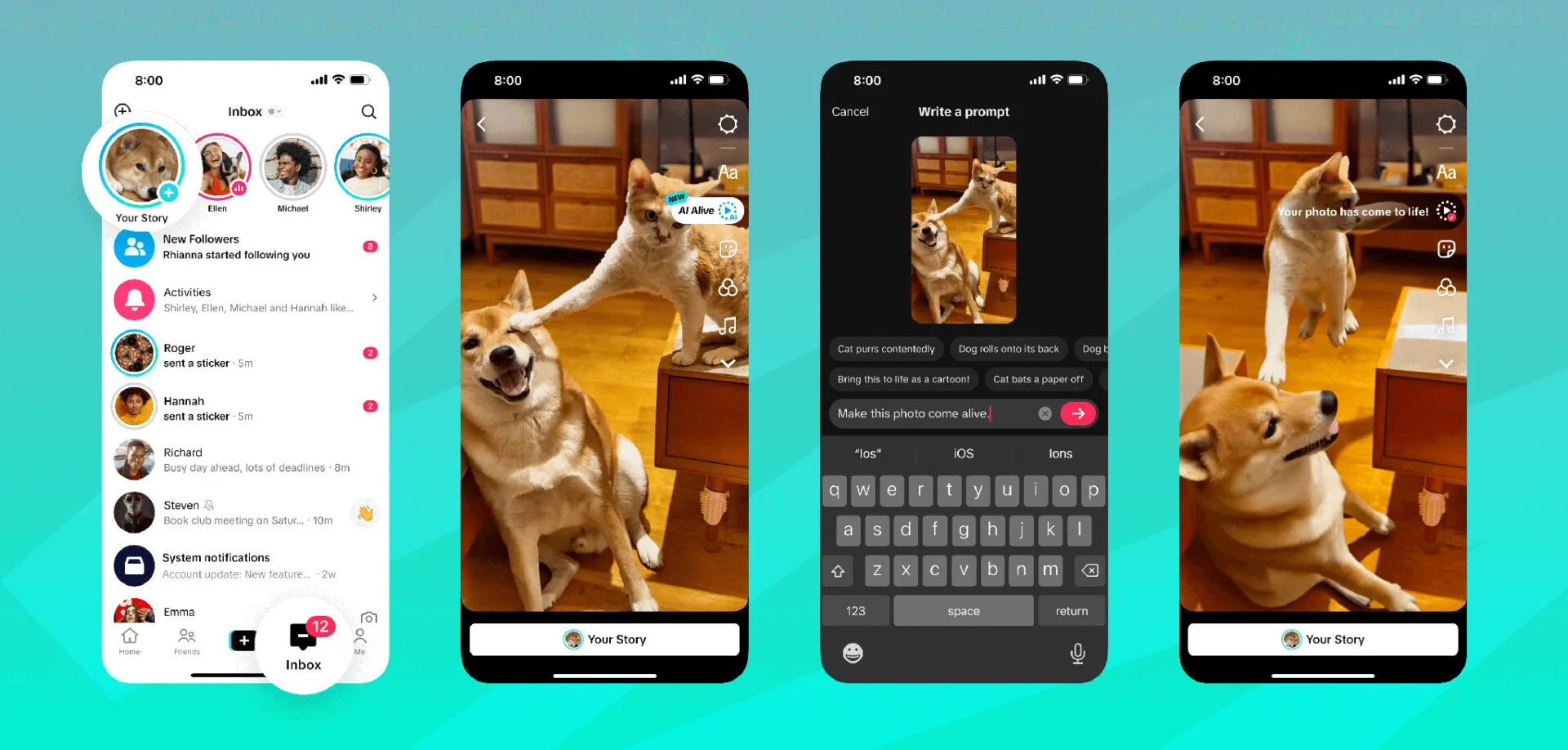
Every major social platform rolled out AI-native tools in May 2026, signaling the end of the "early adopter" phase. YouTube has integrated Gemini Omni for seamless remixing, Meta AI now features real-time voice and visual recognition, and TikTok has democratized high-end editing with one-tap AI transitions.
This is not a trend; it is a baseline. If your content strategy does not incorporate AI-assisted workflows, you are likely operating at a significant competitive disadvantage. The barrier to production quality has been lowered, which means the "wow factor" of high-fidelity video is fading. Going forward, your competitive edge will be defined by unique voice, brand strategy, and human-centric storytelling.
Chronology of Major Platform Updates
Instagram: The Push for Authenticity and Utility
Instagram has taken a bifurcated approach this month: leaning into raw, unpolished social connection while simultaneously applying rigorous transparency to AI-generated content.
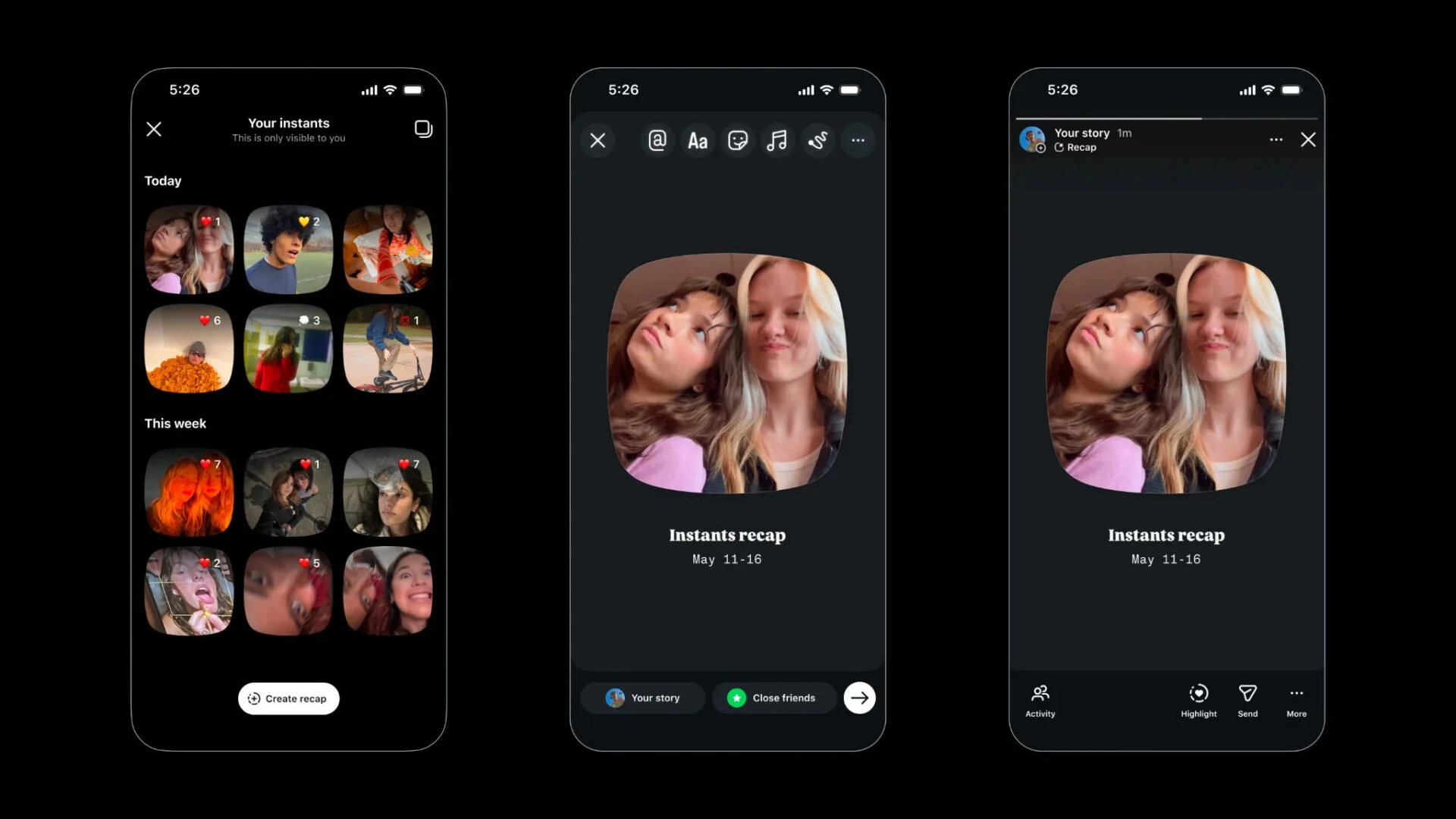
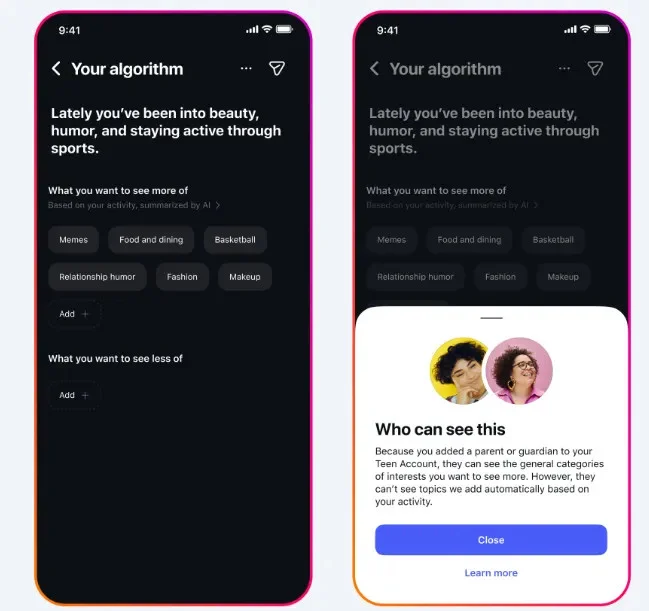
- Instagram Instants: The launch of a standalone app dedicated to "low-pressure, raw photo sharing" marks a strategic pivot to reclaim the casual social space. By separating this from the main, highly curated Instagram feed, the platform aims to capture the market share of users who have migrated toward more private, fleeting interaction.
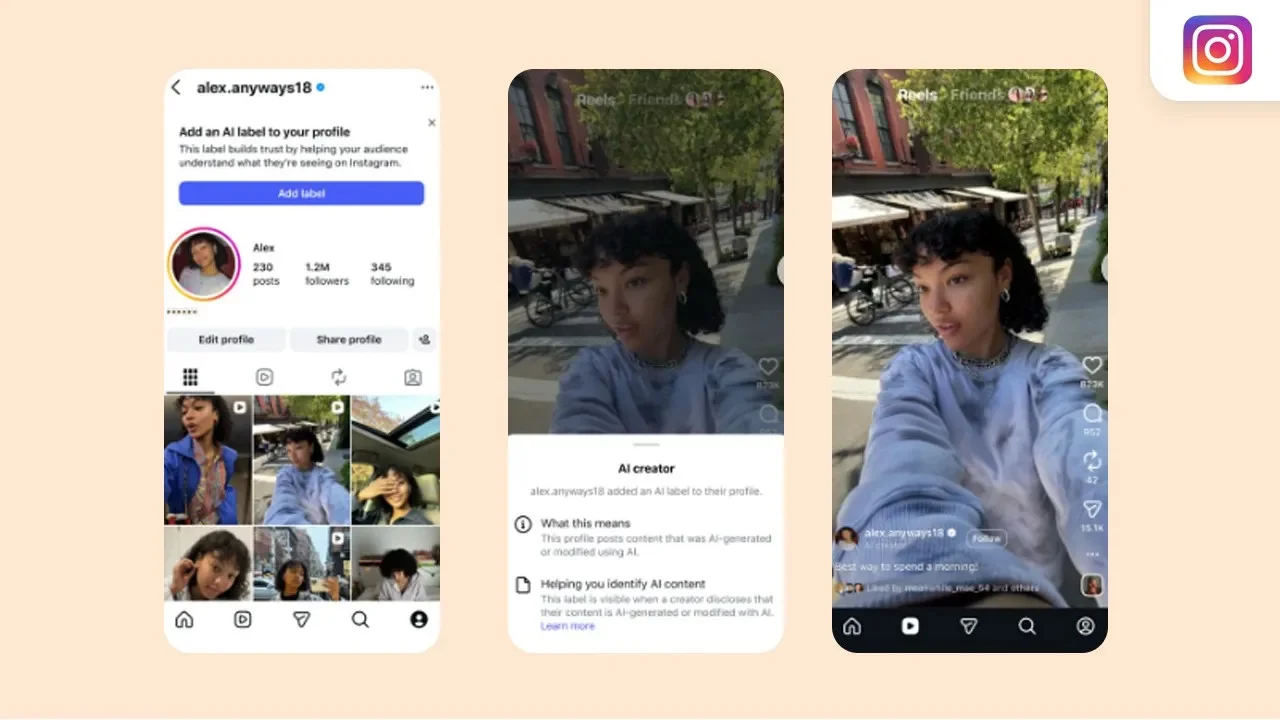
- AI Transparency: A mandatory "AI Creator" label has been introduced at the account level. This is not a per-post toggle; it is a permanent signal that flags your profile if your content is consistently AI-assisted.
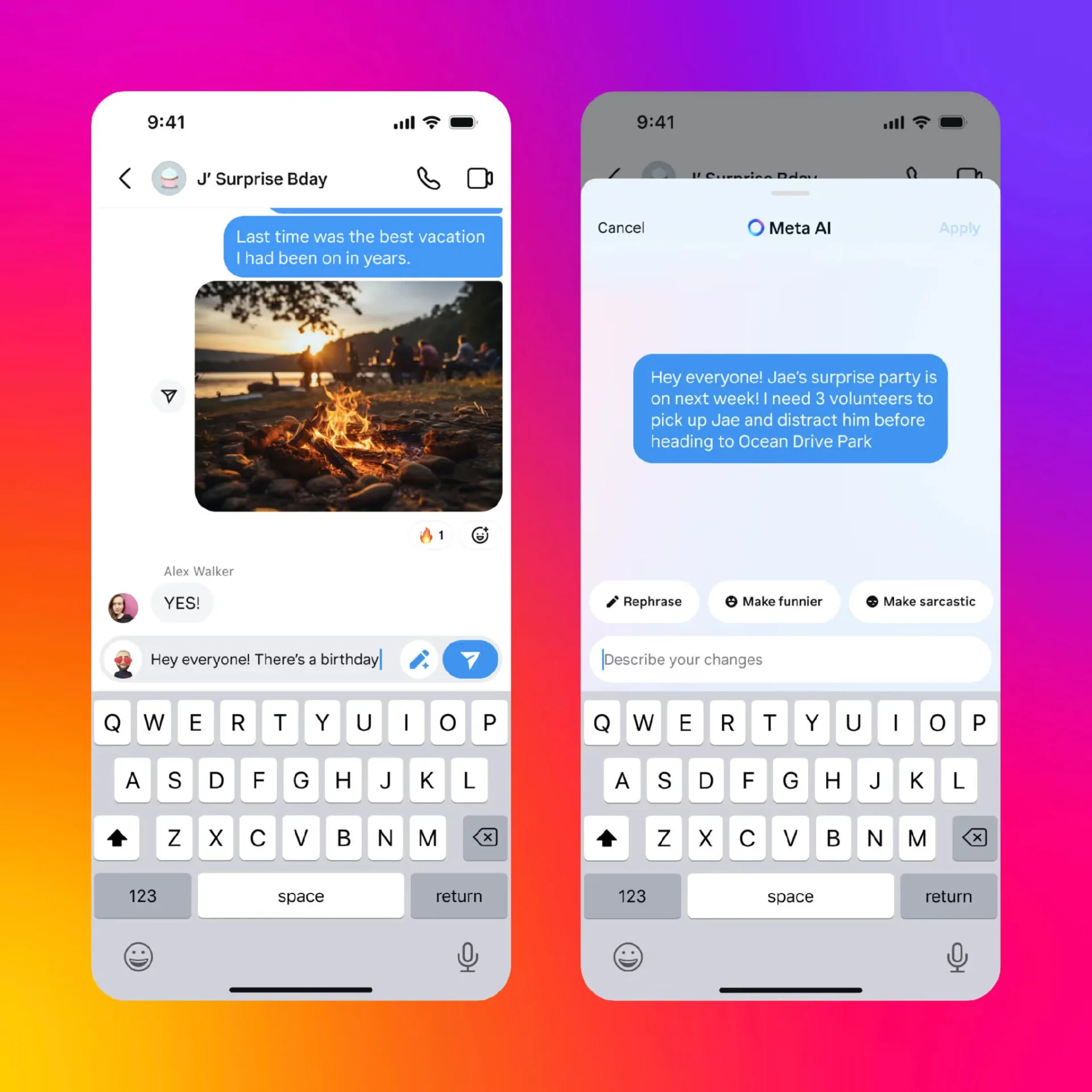
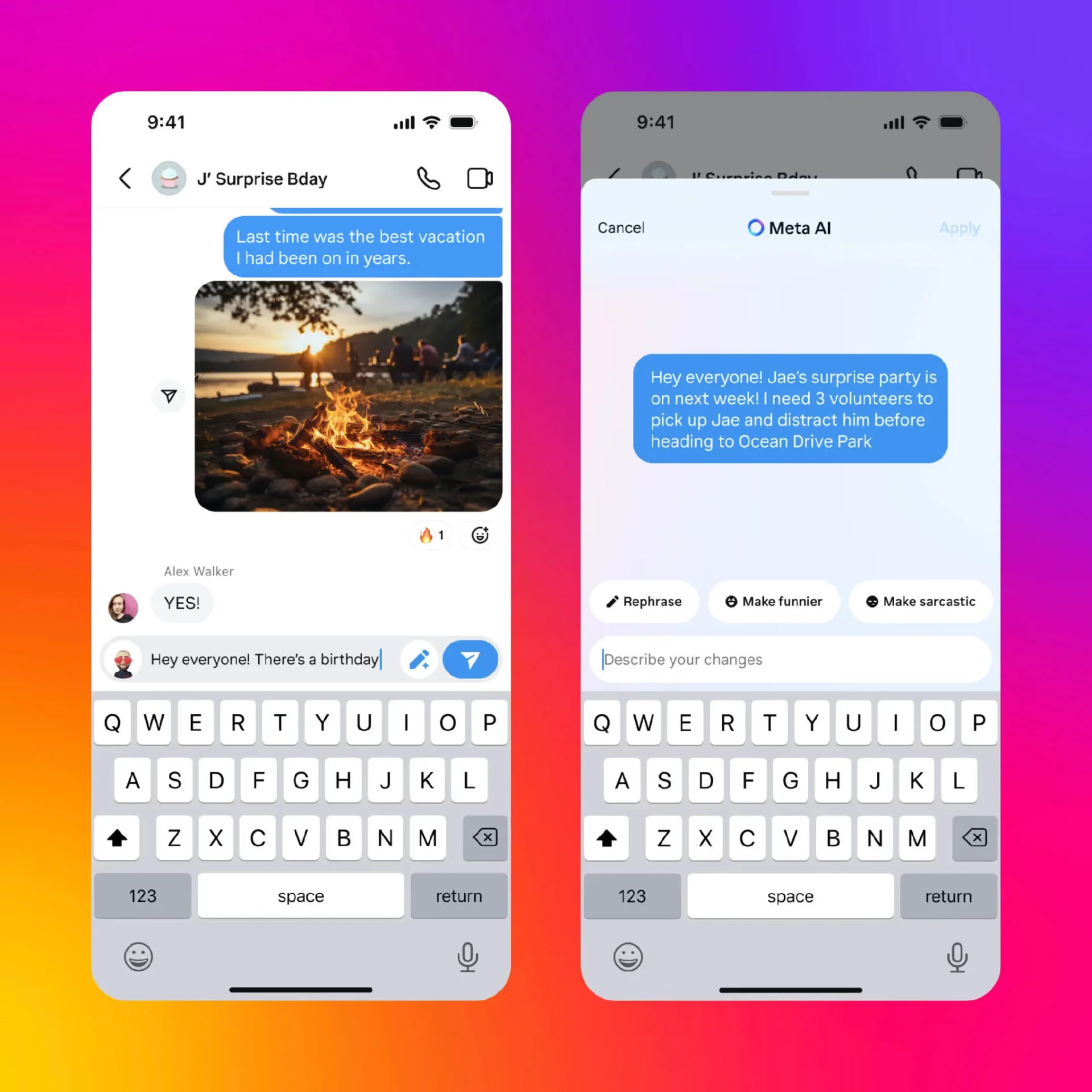
- Conversational Efficiency: Meta AI-powered message summaries are rolling out, enabling creators and businesses to digest high-volume DMs instantly.
YouTube: Search, Remodeling, and Revenue
YouTube’s announcements during the May Brandcast event were heavily focused on the intersection of search intent and monetization.
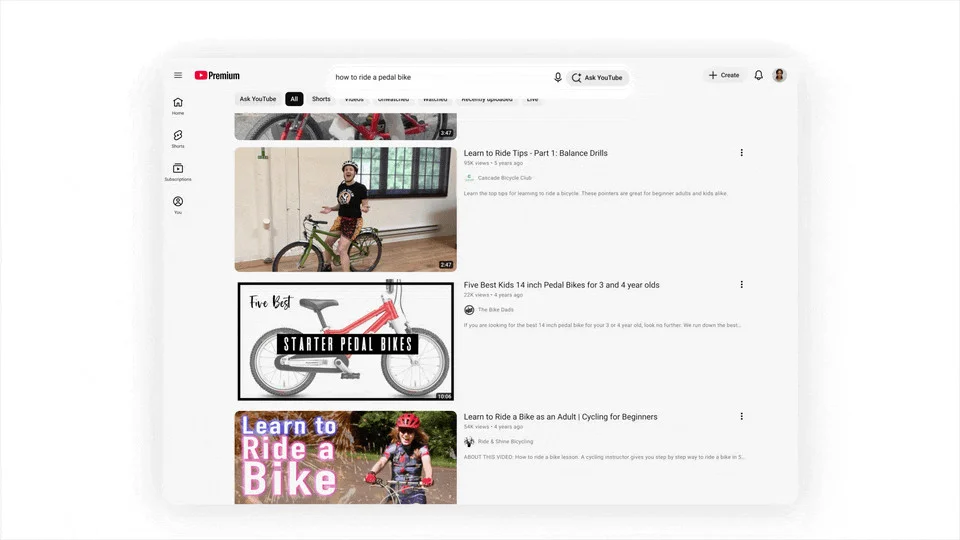
- Ask YouTube: This conversational search experience, currently available to US Premium users, moves beyond keyword matching. It allows users to ask complex, multi-part questions, pulling structured answers from long-form content and Shorts.
- Creative Friction Removal: YouTube Studio now offers AI-generated, royalty-free instrumental music, effectively solving the "copyright claim" headache that has plagued creators for years.
- New Revenue Streams: The introduction of affiliate boost ads and AI-powered sponsorship matching aims to bridge the gap between brand marketing and creator content, allowing for more seamless integration of products into the YouTube ecosystem.
X (Twitter): Accessibility and Audience Control
X’s updates this month have focused on tightening the loop between user engagement and content discovery.
- Automatic Captions: All video uploads now feature auto-generated captions, a critical move for accessibility and engagement, given that the vast majority of social video is consumed without audio.
- Custom Timelines: X Premium users can now build curated, topic-specific feeds, allowing for a more bespoke experience that bypasses the algorithmic "For You" noise.
- The End of Communities: A major structural change, the X Communities feature will be officially retired on May 30, 2026. Brands must act now to export their member lists and migrate audiences to alternative platforms.
TikTok: Geographic and Demographic Specialization
TikTok’s updates in May reflect a maturation of the platform’s commerce and educational capabilities.
- TikTok GO: A new travel-focused affiliate program allows US-based creators to earn commissions on travel experiences without needing to reach traditional follower thresholds.
- Campus Hub: Designed specifically for university students, this feature creates a localized discovery feed, offering brands a highly targeted demographic segment.
- Ad-Free Expansion: Following successful tests, the ad-free subscription tier has officially launched in the UK, signaling a potential shift in how platforms view the balance between ad revenue and user experience.
Supporting Data and Metrics
The shift in platform dynamics is being mirrored in the data. With the retirement of legacy metrics, marketers are entering a period of recalibration.
The "Engagement" to "Interactions" Transition:
Meta has officially moved from reporting "Engagement" to "Interactions." Crucially, this new metric excludes clicks. If your internal reporting dashboards are not updated, you will see a sudden, artificial "drop" in engagement performance. It is imperative to adjust your benchmarks now to ensure year-over-year data remains comparable.
The 730-Day Retargeting Window:
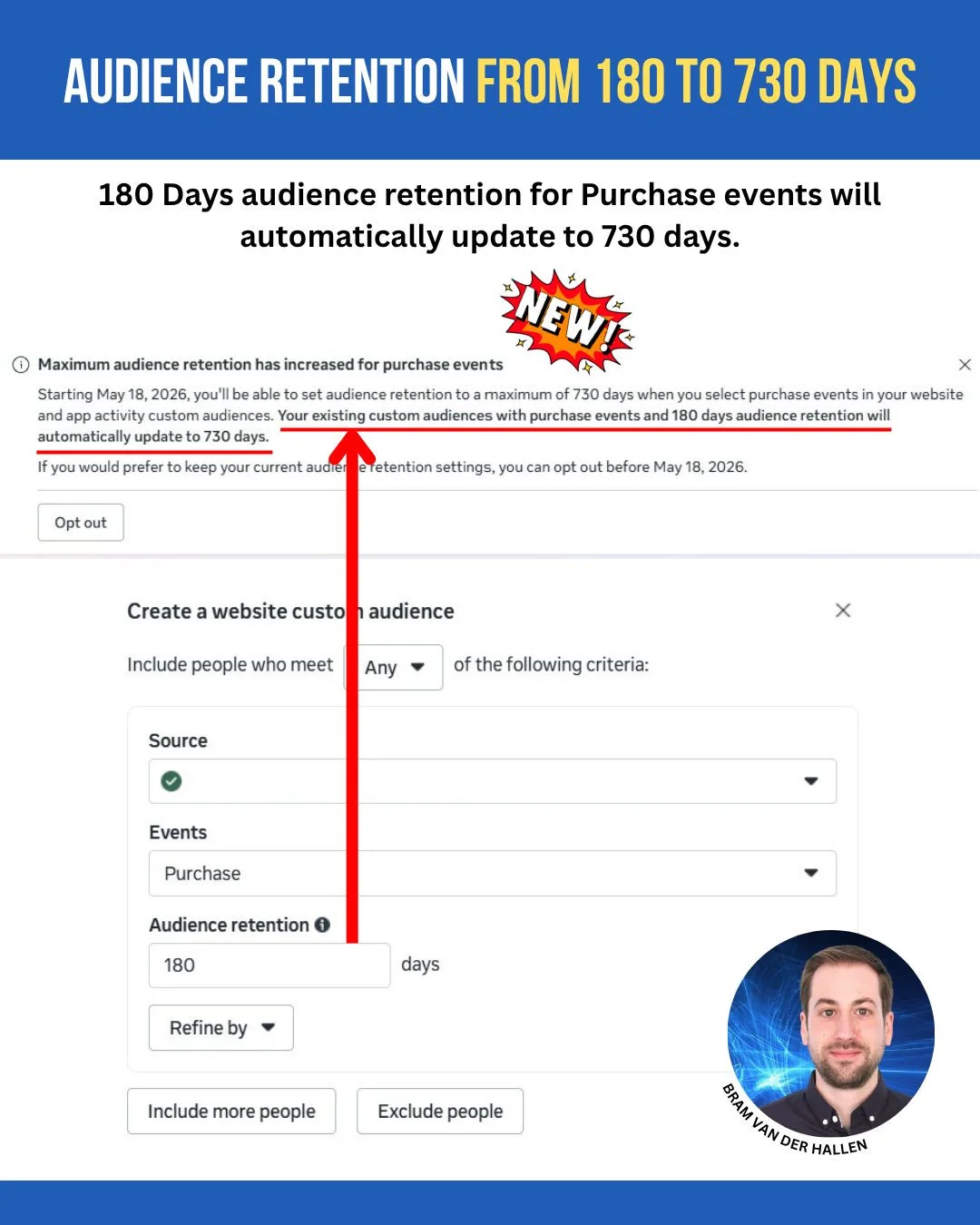
Meta’s extension of the Purchase event retargeting window from 180 to 730 days is a massive boon for e-commerce. Businesses can now build custom audiences based on purchasing behavior from the past two years, allowing for more sophisticated long-tail marketing strategies.
Official Responses and Strategic Implications
For Agencies: Performance over Pedigree
LinkedIn’s new Agency Certification is a departure from traditional "exam-based" credentials. It is performance-based, meaning it is earned through demonstrated campaign results. This is a clear move by LinkedIn to professionalize its ad ecosystem and provide brands with a more reliable directory of partners. Agencies should prioritize this certification to maintain credibility in the enterprise space.
For Small Businesses: Efficiency at Scale
The "Get advice from me" button on LinkedIn Premium Business profiles is an immediate, low-cost lead capture tool. By streamlining the path from "profile visitor" to "inbound inquiry," small business owners can effectively turn their LinkedIn presence into a landing page.
For Multi-Location Managers: Contextual Moderation
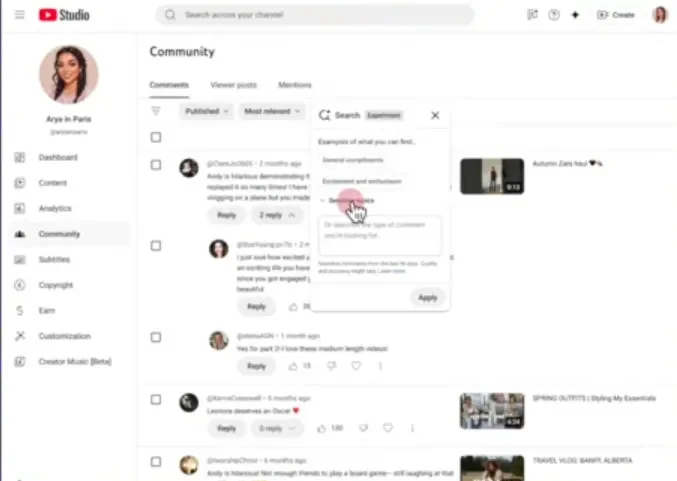
The new YouTube bulk comment moderation tool is a game-changer. By using context-based filtering rather than keyword matching, it effectively cleans up high-volume comment sections with minimal manual effort. This allows brand managers to focus on high-value community interaction rather than spam removal.
The Road Ahead: June and Beyond
As we transition into June, the overarching theme remains: Adaptability is the only sustainable strategy.
The platforms are building "walled gardens" of AI-driven content. Whether it is TikTok’s move toward connection-first navigation in the EU or YouTube’s AI-powered search, the common thread is that platforms are doing more of the "heavy lifting" for the user.
Key Action Items for the Next 30 Days:
- Audit Your Metrics: Update all Meta reporting dashboards to reflect the change from "Engagement" to "Interactions."
- Migrate Your Communities: If you manage an X Community, the May 30 deadline is non-negotiable. Export your data immediately.
- Test Conversational Search: Use the "Ask YouTube" feature to perform market research. See how your brand is represented in the structured answers provided by the AI.
- Adopt AI-First Production: Start using in-app AI tools (transitions, remixing, captioning) to maintain content velocity. The platforms are prioritizing content that utilizes their native AI suite.
Social media is no longer about simply posting content; it is about managing a sophisticated, AI-enhanced presence that interacts with complex platform algorithms. The tools provided by platforms like SocialPilot are more essential than ever to maintain consistency and analytical rigor in this rapidly evolving environment.
As June approaches, don’t just react to the updates—leverage them to build a more resilient and efficient social strategy. The platforms have shifted gears; it is time for your brand to do the same.












No comments yet. Be the first to join the conversation!