

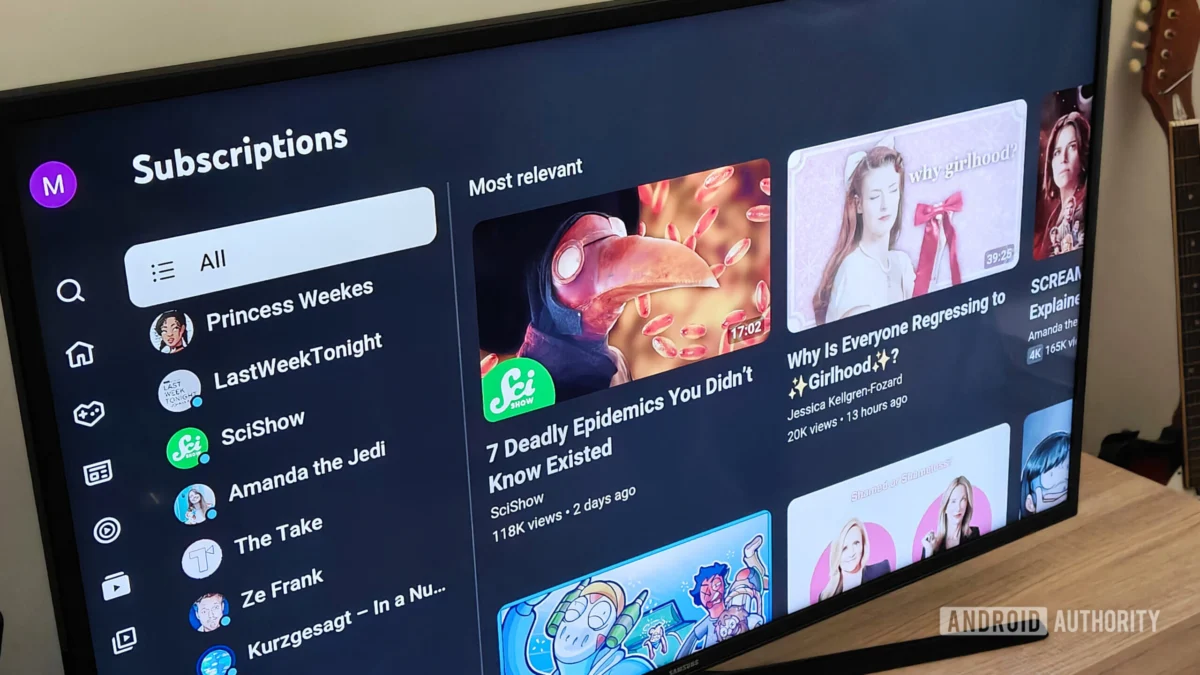
For nearly two decades, YouTube has evolved from a repository for niche home videos into the world’s most influential digital media ecosystem. With hundreds of millions of videos hosted on its servers, the platform’s primary challenge is no longer content acquisition, but content curation. As users increasingly rely on the platform as a primary source of entertainment, the "recommendation engine"—the mysterious set of algorithms that decides what you watch next—has become a focal point of intense user scrutiny.
In recent weeks, an influx of user reports across social media and tech forums has highlighted a growing dissatisfaction with the platform’s suggestions. Users are reporting a "stagnation" of their feeds, characterized by the endless re-recommendation of videos they have already watched, suggestions that bear no resemblance to their subscription history, or, perhaps most frustratingly, a feed filled with "slop"—low-effort, clickbait, or AI-generated content that offers little value.
This disconnect between user intent and algorithmic output has sparked a broader conversation about the autonomy of the viewer versus the optimization goals of the platform.
The Evolution of the Recommendation Engine: A Chronology
To understand why your YouTube feed feels broken, one must understand how it arrived at its current state.
- The Early Years (2005–2010): In its infancy, YouTube recommendations were rudimentary, relying heavily on metadata such as tags, view counts, and simple "related video" links. The system prioritized what was popular rather than what was personalized.
- The Deep Learning Shift (2011–2016): With the introduction of sophisticated deep learning models, YouTube shifted toward a "watch time" optimization model. The algorithm began to analyze dwell time, click-through rates (CTR), and session length to predict what would keep a user glued to the screen.
- The "Filter Bubble" Era (2017–2021): As personalization became hyper-accurate, concerns regarding echo chambers and radicalization grew. YouTube began adjusting its algorithms to prioritize "authoritative" news sources and diverse viewpoints, sometimes at the expense of pure user preference.
- The Modern Era (2022–Present): Today, the algorithm is a multi-layered neural network. It weighs thousands of signals, including search history, cross-device usage, and external site activity (via Google account tracking). However, as the platform has pushed features like "Shorts" to compete with TikTok, the recommendation engine has become increasingly aggressive, often sacrificing the "slow-burn" quality of long-form content for high-engagement, short-burst media.
Supporting Data: The User Sentiment Gap
While Google does not release granular data on user satisfaction regarding its discovery features, independent sentiment analysis of platform forums and social media threads suggests a notable decline in trust.
A recent poll conducted among frequent users indicated that over 65% of respondents feel their recommendation feed has become "less relevant" over the past 12 months. Common grievances include:
- The "Loop" Effect: Users being shown the same three videos from a subscribed channel, even after watching them.
- Contextual Blindness: Being served content that contradicts the user’s explicit search history or stated interests.
- Content Pollution: The prevalence of low-effort, AI-voiced commentary videos that crowd out high-quality, long-form journalism or hobbyist content.
These data points suggest that while the algorithm is "smarter" than ever in terms of engagement metrics, it is failing the "humanity test"—the ability to understand that a user’s interests are multifaceted and often evolve in ways that past clicks cannot predict.
Official Responses and Platform Transparency
YouTube’s official stance, often articulated in developer blogs and creator updates, maintains that the goal is to "help viewers find the content they love." The company frequently emphasizes that the algorithm is not a static monolith but a living system that learns from millions of daily interactions.
Google representatives have noted that the "Not Interested" button is a critical feedback loop, though they acknowledge that the system requires significant data points to adjust its weights. There is, however, a notable lack of transparency regarding how "engagement" is prioritized over "satisfaction." While a user might click a provocative thumbnail (engagement), they may feel dissatisfied after watching the video. YouTube’s internal metrics often struggle to differentiate between a click driven by curiosity and a click driven by genuine interest.
Strategies for Algorithmic Hygiene
If you find your YouTube feed has lost its way, the responsibility for "sanitizing" the experience often falls on the user. Based on best practices for data management, here are the core guidelines for regaining control:
1. The Principle of Account Segregation
The most effective way to clean your feed is to prevent "cross-contamination." If you are curious about a trending topic that falls outside your typical viewing habits—such as a political debate or a niche hobby you aren’t sure you want to commit to—do not use your main account. Use Incognito Mode or a secondary "burner" account. This ensures that a one-off curiosity doesn’t permanently skew your recommendation profile.
2. Strategic Search as a Signal
Search terms are among the strongest signals for the algorithm. If you want to see more content about a specific subject, don’t just watch a video—actively search for specific, long-tail terms. For example, rather than just clicking a video on "gardening," search for "urban balcony vegetable garden setup." This tells the algorithm that you are interested in a specific sub-niche, which will refine the quality of future suggestions.
3. Subscription Management: The "Revival" Technique
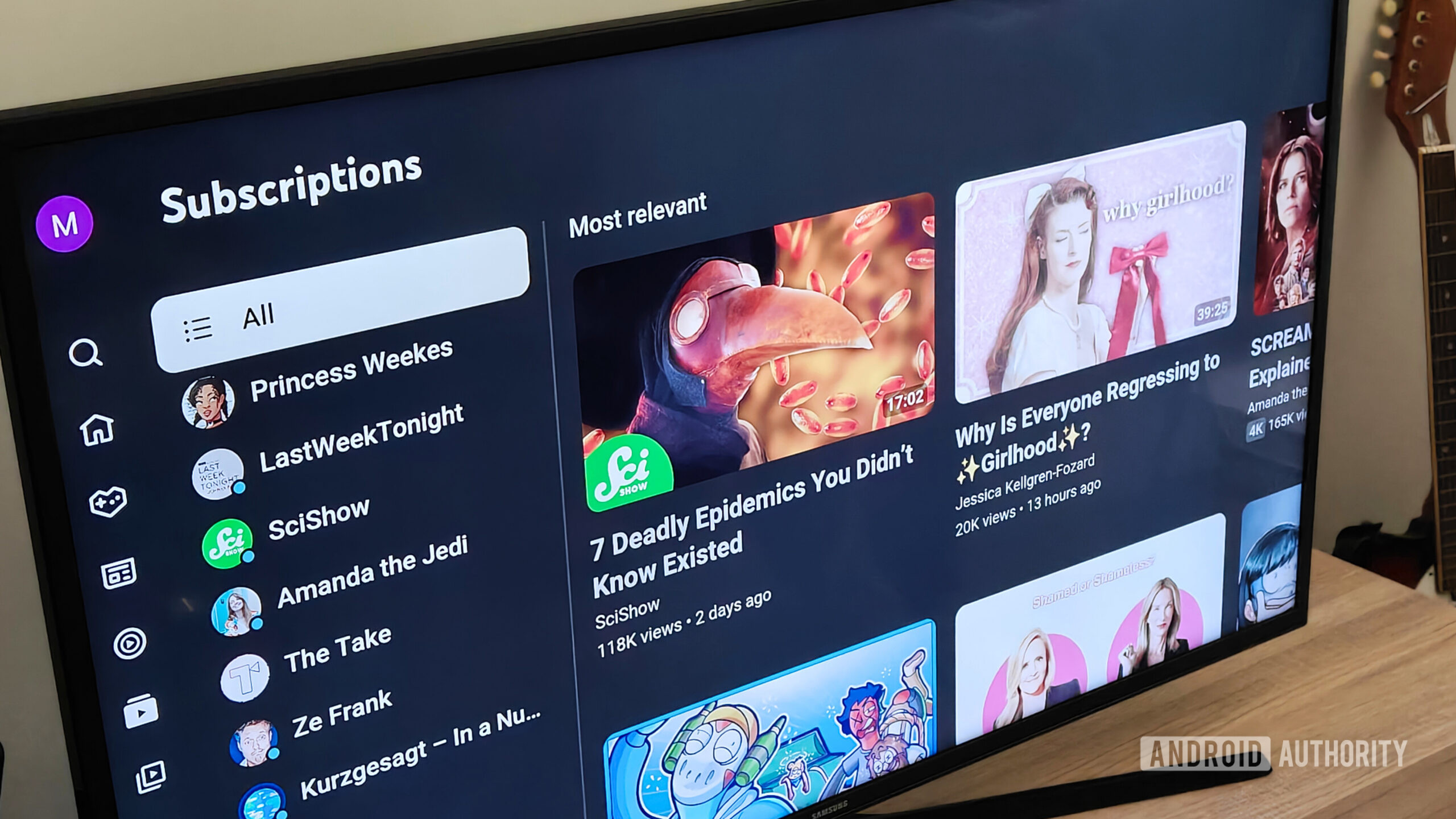
Subscriptions are not static. A channel you loved three years ago may have changed its content strategy. Every quarter, conduct a "subscription audit." Unsubscribe from channels that no longer resonate with you. Conversely, if you feel your feed is stale, visit the channels you are subscribed to but haven’t watched in months and engage with their newer content. This "kicks" the algorithm into recognizing that these subscriptions are still active and relevant to your current tastes.
4. Interaction Over Avoidance
Many users default to clicking "Not interested" or "Don’t recommend channel." While these buttons work, they are often reactive. A more proactive approach is "positive reinforcement." By actively liking videos that hit the mark, you provide the algorithm with a "north star." The algorithm is better at identifying what you do like than it is at interpreting why you don’t like something.
5. The "Nuclear" Option: Clearing Watch History
If your recommendations have become irredeemably cluttered with irrelevant content, the most effective solution is a reset. Clearing your YouTube watch history essentially wipes the slate clean. While this will lead to a period of generic recommendations, it provides a blank canvas to build a more curated, focused feed from scratch.
Implications for the Future of Content
The current state of YouTube recommendations reflects a broader crisis in the attention economy. As platforms compete for every spare second of a user’s day, the algorithms are optimized for short-term retention. However, this model carries long-term risks for creators and users alike.
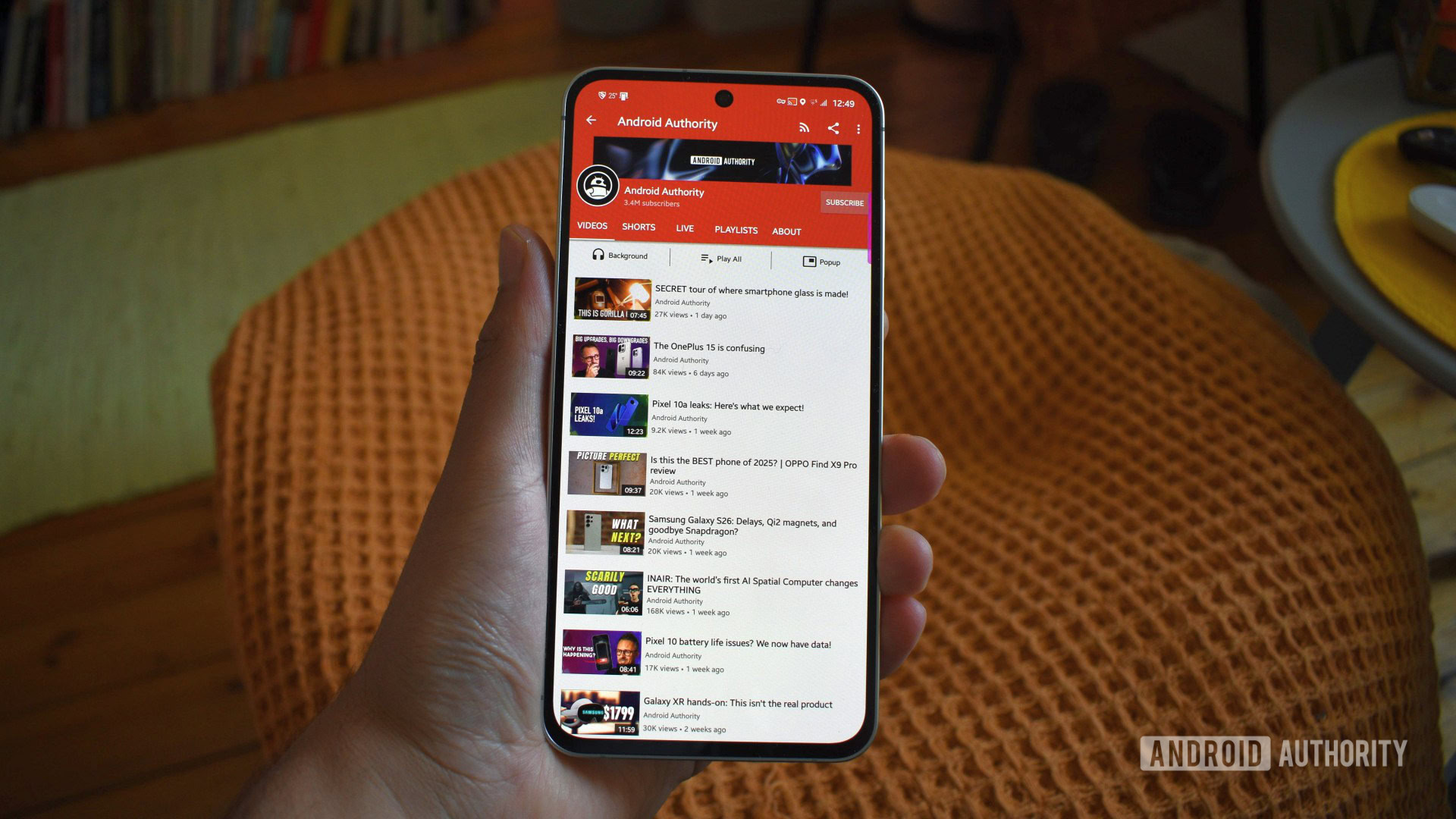
For creators, the volatility of the algorithm creates a "treadmill" effect, where they feel forced to cater to changing algorithmic whims rather than their own creative vision. For users, the result is a homogenized viewing experience that lacks the serendipity of discovery.
As we look toward the future, the integration of generative AI into the YouTube interface may offer a solution. Imagine an interface where you can explicitly tell the system, "I want to watch something educational about space, but no AI-generated content." If YouTube can pivot from a purely behavioral model to an intent-based model, it may finally solve the recommendation fatigue that currently plagues the platform.
Until then, the power of the "curated feed" remains firmly in the hands of the user. By practicing digital hygiene and being intentional about your engagement, you can ensure that YouTube remains a library of your interests rather than a feed of noise.












No comments yet. Be the first to join the conversation!