Ali Ikhwan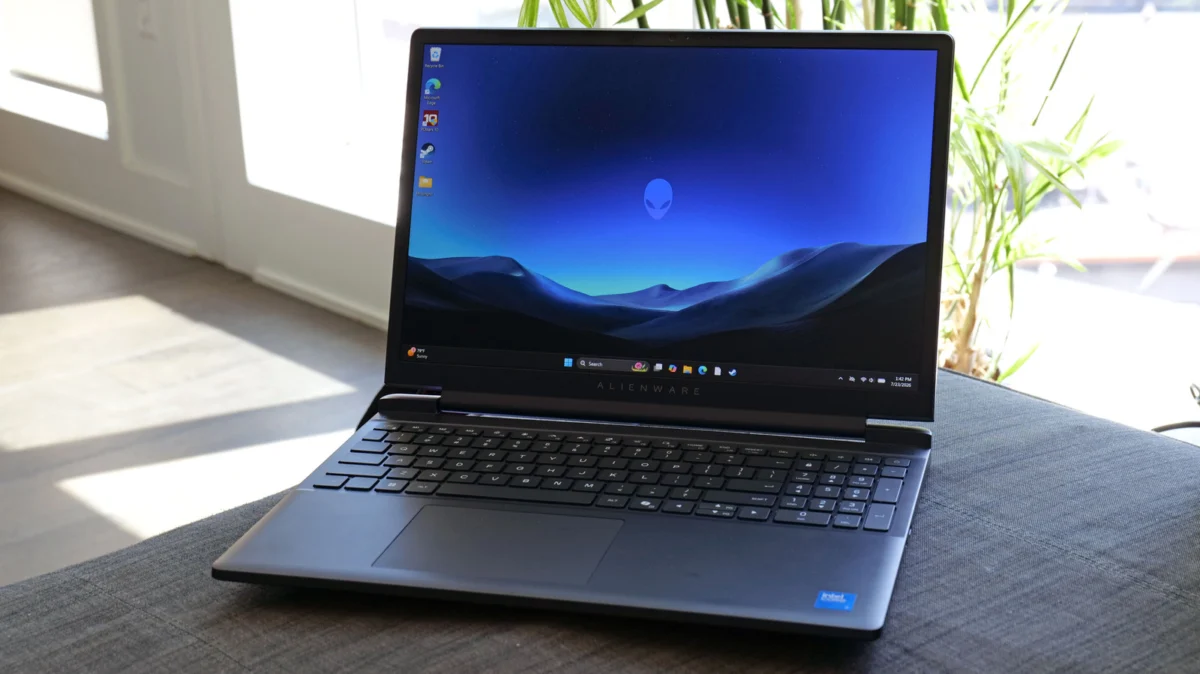
For three decades, the name "Alienware" has been synonymous with high-end, uncompromising, and often exorbitantly priced gaming hardware. The brand—a subsidiary of Dell—has long occupied the enthusiast tier, catering to users who prioritize top-of-the-line aesthetics, premium materials, and maximum thermal headroom. However, the landscape of personal computing has shifted dramatically in the last year. With the global supply chain for RAM and silicon facing unprecedented volatility, and the "AI boom" driving up component costs, the barrier to entry for PC gaming has risen sharply.
Into this difficult market arrives the Alienware 15, the company’s first legitimate attempt at a "budget" gaming laptop. Starting at $1,000, it represents a departure from the brand’s traditional philosophy. While it lacks the futuristic flair of its more expensive siblings, it offers a pragmatic solution for gamers looking to enter the ecosystem without the "Alienware tax."
Main Facts: Stripping Away the Excess
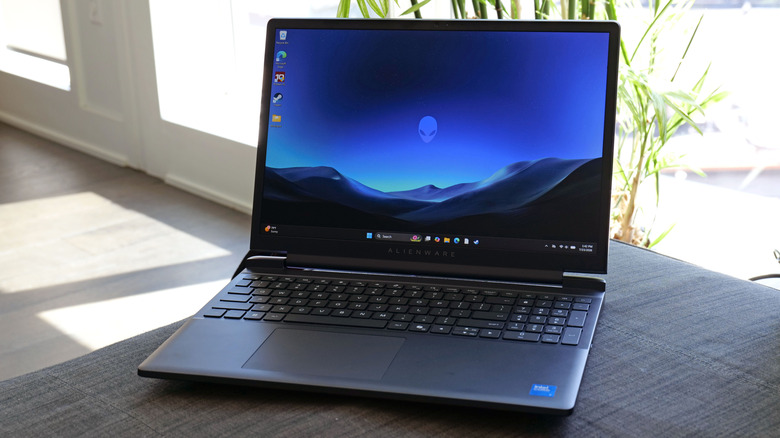
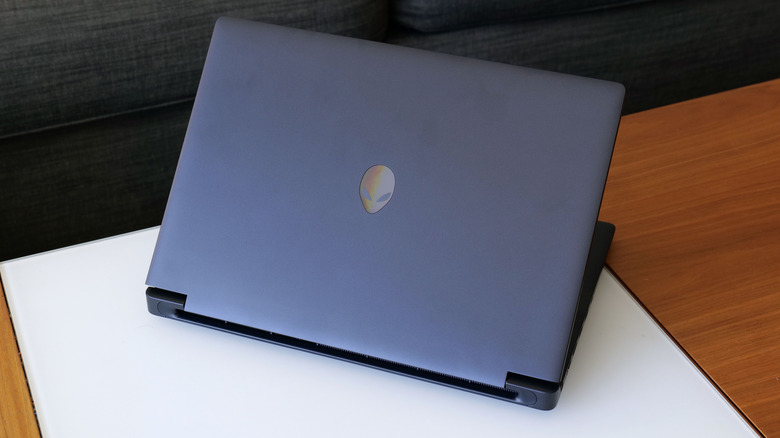
The Alienware 15 is built on a foundation of utilitarian efficiency. Eschewing the aluminum chassis and complex RGB light shows found in the Aurora series, the Alienware 15 opts for a matte-black plastic construction. It is a "stealth" design—functional, understated, and refreshingly devoid of the "disco ball" aesthetic that often plagues gaming hardware.
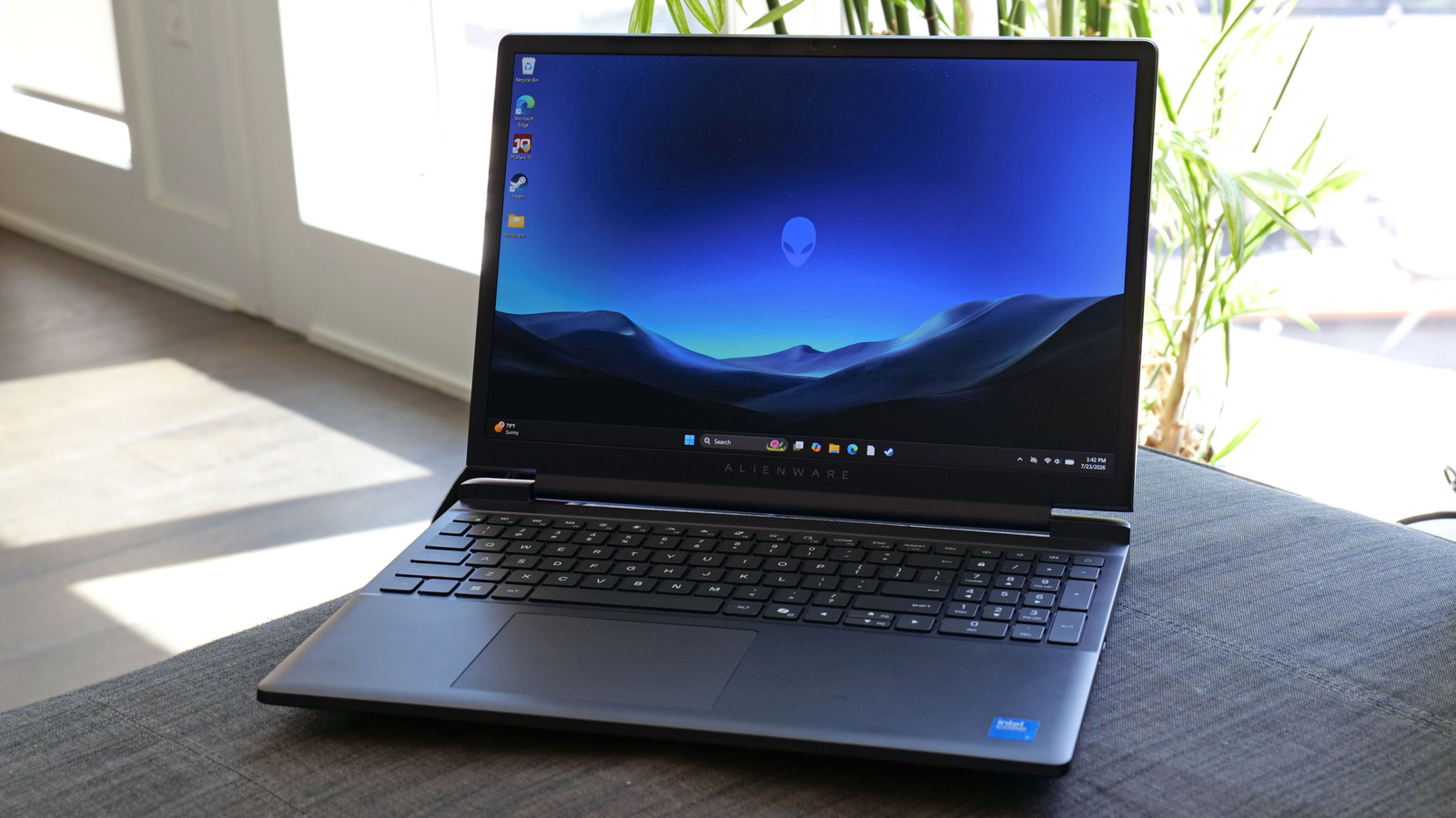
Key Specifications of the Reviewed Model:
- Processor: Intel Core 7 240H
- Graphics: NVIDIA RTX 5050
- Memory: 16GB RAM
- Storage: 512GB NVMe SSD
- Display: 15.3-inch 1,920 x 1,200 LCD (165Hz)
- Weight: ~5 lbs
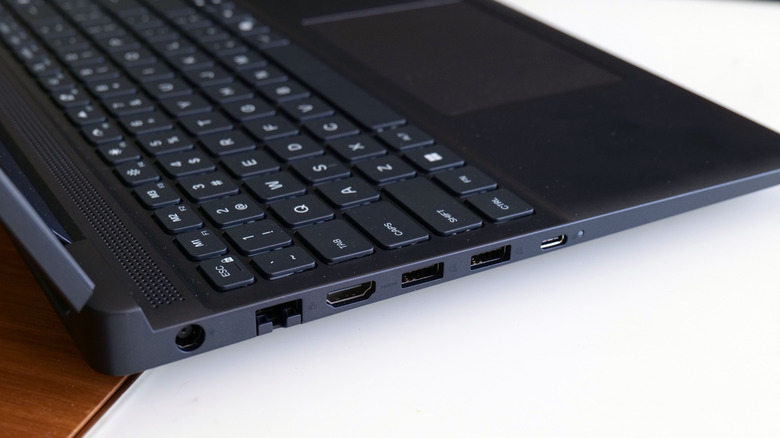
The device is positioned as a workhorse. It features a full-sized keyboard with a dedicated numpad, which, while feeling slightly "mushy" compared to mechanical alternatives, provides a tactile, reliable experience for both typing and gaming. Its port selection is surprisingly robust for a budget machine: two USB-A 3.2 slots, two USB-C ports (with power delivery and DisplayPort 1.4 support), HDMI 2.1, a 3.5mm audio jack, and dedicated 1Gb Ethernet.
Chronology: The Evolution of a Brand Strategy
Alienware’s transition to the budget sector did not happen overnight. Historically, the company maintained its premium status by iterating on high-performance flagships like the Alienware 13. The 13-inch model was designed for portability but remained a "premium PC" in every sense, including its price tag.
The realization that a sub-$1,200 market segment was being neglected by major boutique brands likely solidified during the 2024 supply chain crisis. As manufacturers struggled to combat the rising cost of memory modules—a direct result of the global surge in AI-related hardware production—consumers were forced to pay a premium even for entry-level components.
By the summer of 2024, the necessity for a budget-friendly option became critical. Alienware’s release of the 15-inch model was strategically timed to compete with the rising prices of consoles—such as the PlayStation 5 and the rumored price hike for the Nintendo Switch 2—and the increasingly exorbitant costs of handheld gaming PCs like the MSI Claw 8 AI+. The Alienware 15 acts as a "rebound" for the brand, attempting to recapture the mid-market consumer who feels alienated by the current pricing climate.
Supporting Data: Performance and Limitations
In our testing, the Alienware 15 proved to be a capable performer, provided the user is willing to manage expectations.
Gaming Benchmarks
- Cyberpunk 2077 (1080p, Ultra RT): 45 fps.
- Cyberpunk 2077 (1080p, Ultra, no RT): 78 fps.
- Control (1080p, Epic settings): 96 fps.
These figures demonstrate that the RTX 5050 GPU, when paired with the Intel Core 7 240H, is highly proficient for 1080p gaming. The ability to toggle ray tracing and adjust graphic presets allows for a smooth, high-refresh-rate experience. However, the machine’s cooling system is a point of contention. Under heavy load, the fans reach audible levels, and the bottom-venting design makes lap-based gaming ill-advised due to thermal heat dissipation.
The Display Dilemma
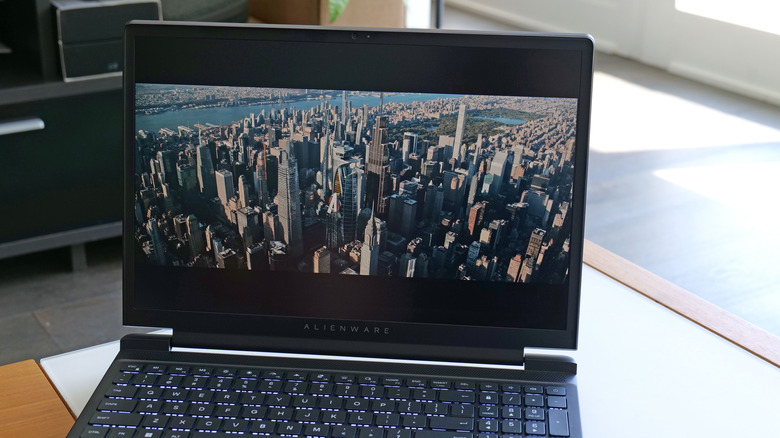
The most significant compromise is the screen. The 15.3-inch 1,920 x 1,200 LCD panel covers only 62.5 percent of the sRGB spectrum. Colors appear muted and slightly washed out, lacking the vibrancy found in higher-end IPS or OLED panels. While the 165Hz refresh rate is a welcome inclusion, the color accuracy makes the device less than ideal for creative professionals or photo/video editors.
Battery Life
The model reviewed, which features the upgraded 70Whr battery, lasted 8 hours and 4 minutes on the PCMark 10 "Modern Office" test. This is respectable for a gaming notebook, though it pales in comparison to Dell’s ultraportable XPS line. It is sufficient for casual tasks, but users should carry the power adapter for any serious gaming session.
Official Responses and Industry Context
While Dell/Alienware has not issued a formal statement regarding the "budget" nature of the build, the product itself serves as a response to the current economic environment. By removing expensive materials like aluminum and excessive lighting, the company has managed to maintain a competitive price point without sacrificing internal performance.
Industry analysts note that this shift is part of a larger trend. As console manufacturers hike prices to compensate for component costs, PC gaming—which has historically been more expensive to start—is becoming a more stable "value" proposition. Alienware’s pivot suggests that the company is no longer content with being an "enthusiast-only" brand, acknowledging that the future of PC gaming relies on the acquisition of new, budget-conscious users.
Implications: The Future of Budget Gaming
The Alienware 15 is not a perfect machine. Its display is its primary weakness, and its plastic chassis lacks the tactile prestige of the Aurora series. However, its existence is a massive win for the consumer.
The Implications for the Market:
- Normalization of "Budget" Premium: By branding a lower-cost machine with the Alienware name, the company is validating the "budget-gaming" segment, effectively telling consumers that they don’t have to sacrifice performance to get a reliable brand name.
- Pressure on Competitors: The $1,000–$1,200 price point for a machine with this level of utility forces other manufacturers to reconsider their own pricing models. If a prestige brand like Alienware can hit these margins, the "gaming tax" on entry-level laptops may begin to evaporate.
- The "AI-Supply" Hedge: The success of the Alienware 15 proves that despite the global crunch on RAM and silicon, there is still room for innovation at the lower end of the market if manufacturers are willing to make surgical cuts to non-essential features like design and panel gamut.
In conclusion, the Alienware 15 is a breath of fresh air. It is a device built for the person who wants to play Cyberpunk 2077 at 78 fps without having to take out a second mortgage. While it may not win any beauty pageants, it succeeds where it matters most: delivering reliable, accessible power in an era when such things are becoming increasingly rare. For the gamer who values function over fashion, the Alienware 15 is not just a budget laptop—it is the right machine for the right time.


 Asep Darmawan
 Laily UPN