Iffa Jayyana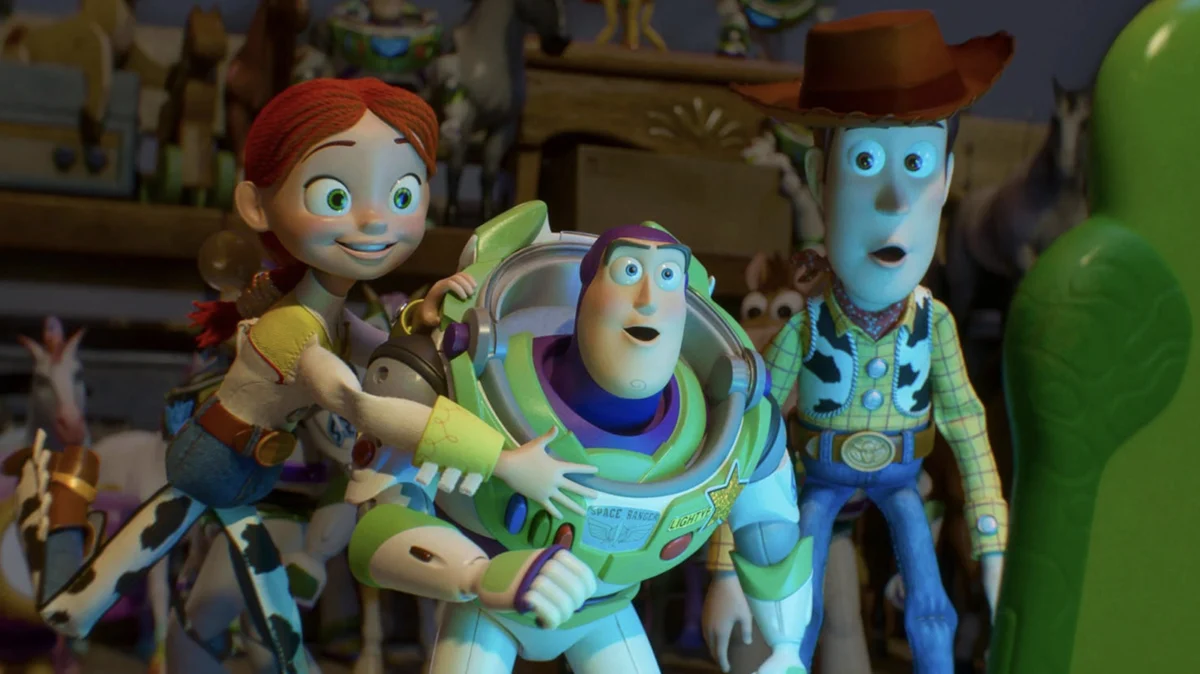
For three decades, Pixar’s Toy Story franchise has served as the bedrock of modern animation. It is the series that defined the theatrical experience for generations, turning the simple concept of play into a profound meditation on growth, abandonment, and the sanctity of human connection. With the arrival of Toy Story 5, premiering in theaters on June 19, 2026, the studio faces its greatest challenge yet: justifying a return to a story that many believed had reached its perfect, tear-jerking conclusion with the third and fourth installments.
While the film struggles with pacing issues and a slightly crowded narrative in its opening acts, Toy Story 5 ultimately succeeds as a poignant, relevant, and deeply moving chapter. It manages to evolve alongside its audience, addressing the existential shift of a digital-first generation while keeping the soul of its classic characters intact.
The Premise: Toys vs. The Digital Age
The narrative returns us to the home of Bonnie, the young girl who inherited Andy’s beloved collection. As the toys adjust to their new life, a new conflict emerges. Bonnie, now growing older and struggling with social isolation, finds herself increasingly drawn to a tablet device named "Lilypad," voiced by Greta Lee.
The film shifts the perspective of the Toy Story universe from the "toys vs. the world" trope to a more subtle, biting critique of the "iPad kid" phenomenon. Unlike previous films, where the antagonist was usually a misguided toy or a cruel child, the villain here is the creeping indifference of modern technology. Jessie (Joan Cusack), having stepped into the role of the group’s de facto leader, realizes that Bonnie is not just playing less; she is losing her capacity for imagination.
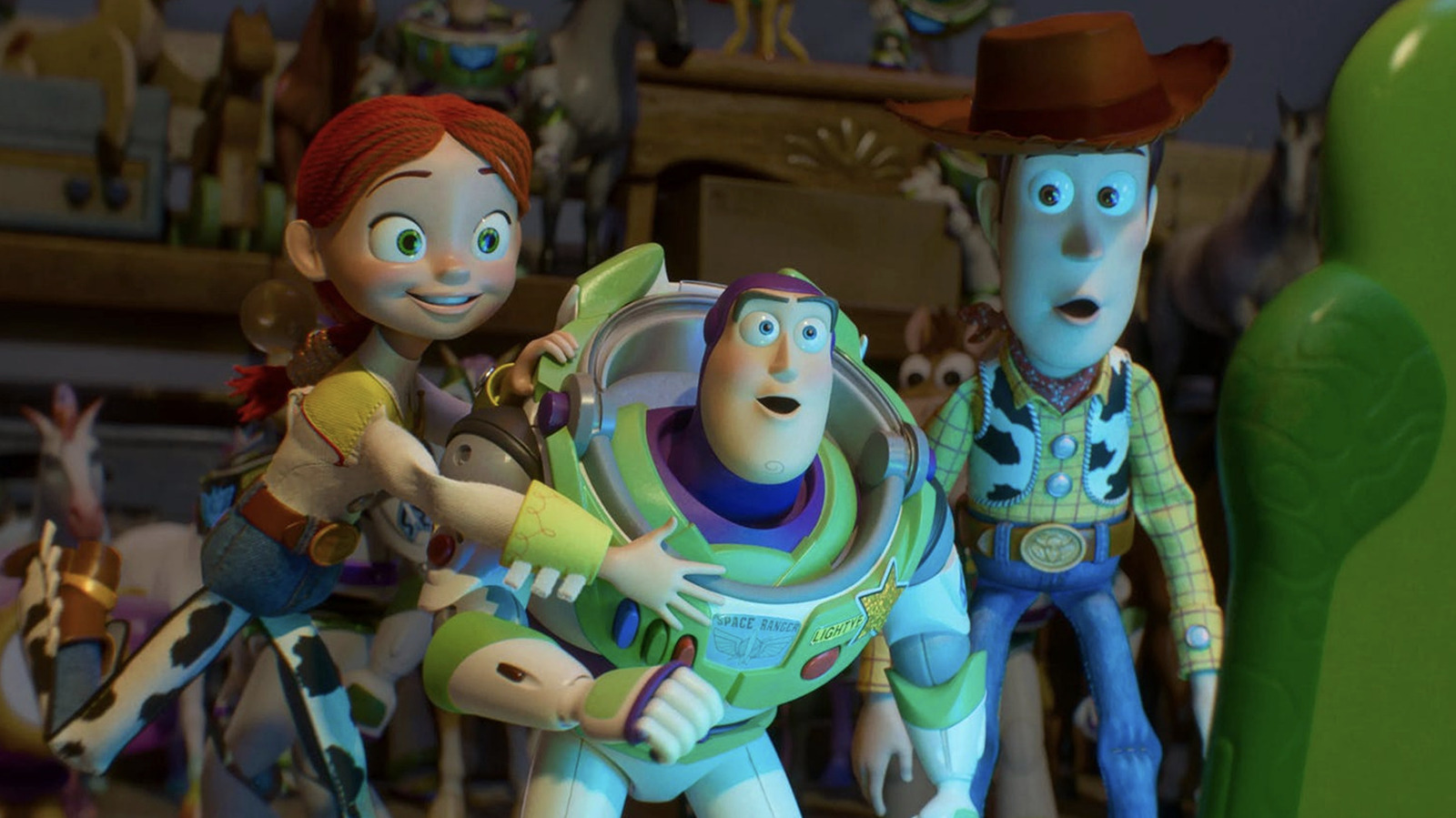
Chronology of a Franchise: From Andy’s Room to the Digital Void
To understand the gravity of Toy Story 5, one must look at the trajectory of the series:
- 1995: Toy Story introduces us to the dynamic between the classic Woody and the high-tech Buzz Lightyear, establishing the central theme of toys as vessels for human imagination.
- 1999: Toy Story 2 expands the emotional stakes, introducing the tragedy of abandonment through Jessie’s heartbreaking backstory.
- 2010: Toy Story 3 provides a definitive, emotional closing chapter as Andy leaves for college, passing the baton to the next generation.
- 2019: Toy Story 4 subverts expectations, focusing on Woody’s internal journey toward self-actualization and independence.
- 2026: Toy Story 5 arrives as a modern mirror, reflecting how our relationship with play has been fundamentally altered by the ubiquitous presence of tablets and algorithm-driven entertainment.
Supporting Data: The Evolution of Play
The film’s central conceit—that technology is replacing traditional play—is grounded in the reality of the 2020s. The introduction of "Lilypad" as a character is a stroke of narrative genius. Where the original Buzz Lightyear was a toy that encouraged play, the Lilypad tablet is a device that consumes the user’s attention, effectively sidelining the toys.
Furthermore, the character dynamics in this film highlight the "wear and tear" of our protagonists. The voice acting across the board feels noticeably aged, a creative choice that adds a layer of realism to the characters. As these toys have been passed down, they have become physically and metaphorically "worn." This mirrors the audience’s own aging process, reinforcing the franchise’s core philosophy: To be loved is to be changed.
New Characters and the Challenge of Expansion
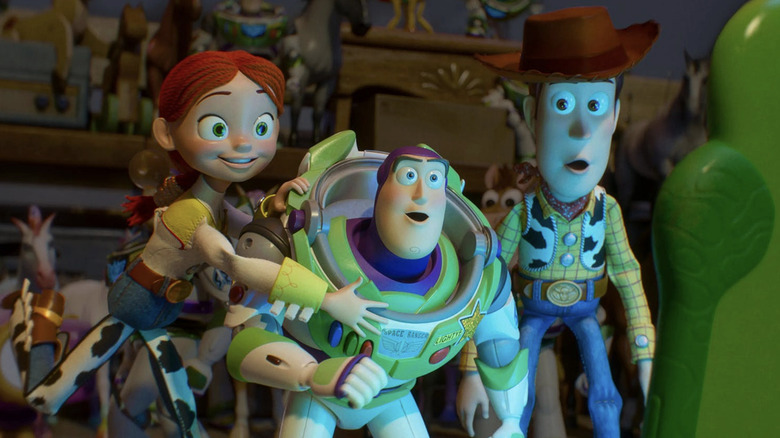
Toy Story 5 introduces a trio of "obsolete" tech toys that serve as a bridge between the analog past and the digital present:
- Snappy: A toy digital camera that captures the world through a literal lens.
- Atlas: A GPS-integrated hippo head voiced by Craig Robinson, representing the early days of "smart" toys.
- Smarty Pants: A toilet-training device voiced by Conan O’Brien, providing the film’s most unexpected and raucous comic relief.
These characters are found by Jessie and Bullseye after they end up with a young girl named Blaze. While their introduction feels a bit jarring in the first act, they provide the necessary emotional catalyst for Jessie’s arc. Her journey in this film is one of the most compelling in the franchise, as she shifts from a leader worried about her own relevance to a mentor trying to save her child’s ability to dream.
Official Responses and Industry Context
Pixar’s creative team has been transparent about the pressure of producing a fifth installment. In early promotional materials, director and production staff noted that the goal was never to replicate the "definitive ending" of Toy Story 3, but to explore the "transitional anxiety" felt by modern children.
Early footage, which gained significant traction after a test screening earlier this year, highlighted a side plot involving an army of "Demo Mode" Buzz Lightyear figures. These characters, stuck in a loop of programmed catchphrases, provide a hilarious yet chilling commentary on the sterility of modern mass-produced toys. The industry response has been one of cautious optimism; while the franchise is a gold mine for Disney, the film is clearly aiming for the emotional depth that elevated Toy Story 2 and 4 above standard sequels.
Implications: Is This the End?
The most significant implication of Toy Story 5 is its refusal to condemn technology outright. It does not frame the Lilypad tablet as an "evil" force, nor does it shame Bonnie’s parents. Instead, it argues for balance. The climax of the film—which we will not spoil here—is arguably one of the most sophisticated sequences Pixar has ever animated. It manages to bridge the gap between the chaotic, messy, tactile joy of the 90s and the structured, hyper-connected reality of the 2020s.
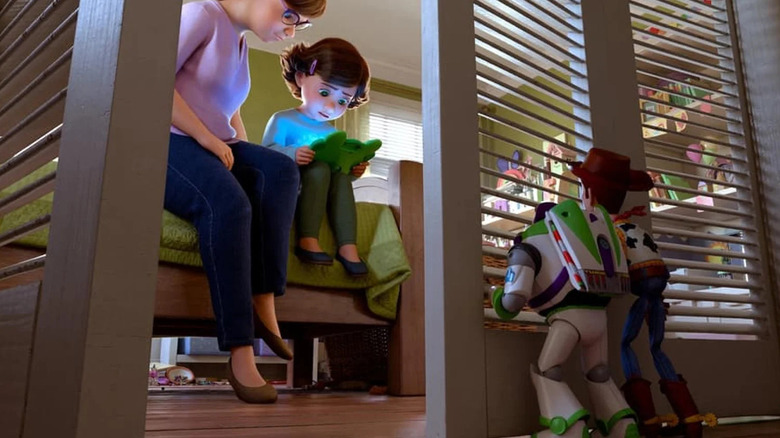
For long-time fans, the experience of watching this film is akin to checking in on old friends who have aged along with you. It is not perfect—the middle act suffers from a slight identity crisis as it juggles the high-tech Buzz army plot with Jessie’s personal quest—but the landing is remarkably steady.
Final Verdict
Toy Story 5 is a testament to the fact that even after 30 years, there is still something left to say about the relationship between children and their possessions. It is a film that asks us to consider what we lose when we trade imaginative play for passive consumption.
While it lacks the pristine, singular vision of the first film, it compensates with an emotional complexity that only a decades-spanning franchise could achieve. It is a heartfelt, occasionally uneven, but ultimately essential watch. For those who grew up with Andy, this film offers a final, gentle reminder that even as the world digitizes, the need for a "real" friend remains the most human experience of all.
Rating: 7.5/10
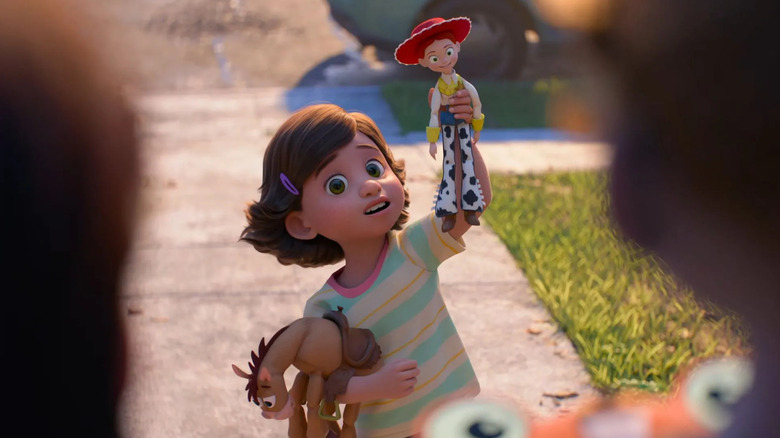
Toy Story 5 hits theaters nationwide on June 19, 2026. Whether you are a parent, a lifelong fan, or simply a student of animation, it is a journey worth taking.


 Lina Hope