Siti Muinah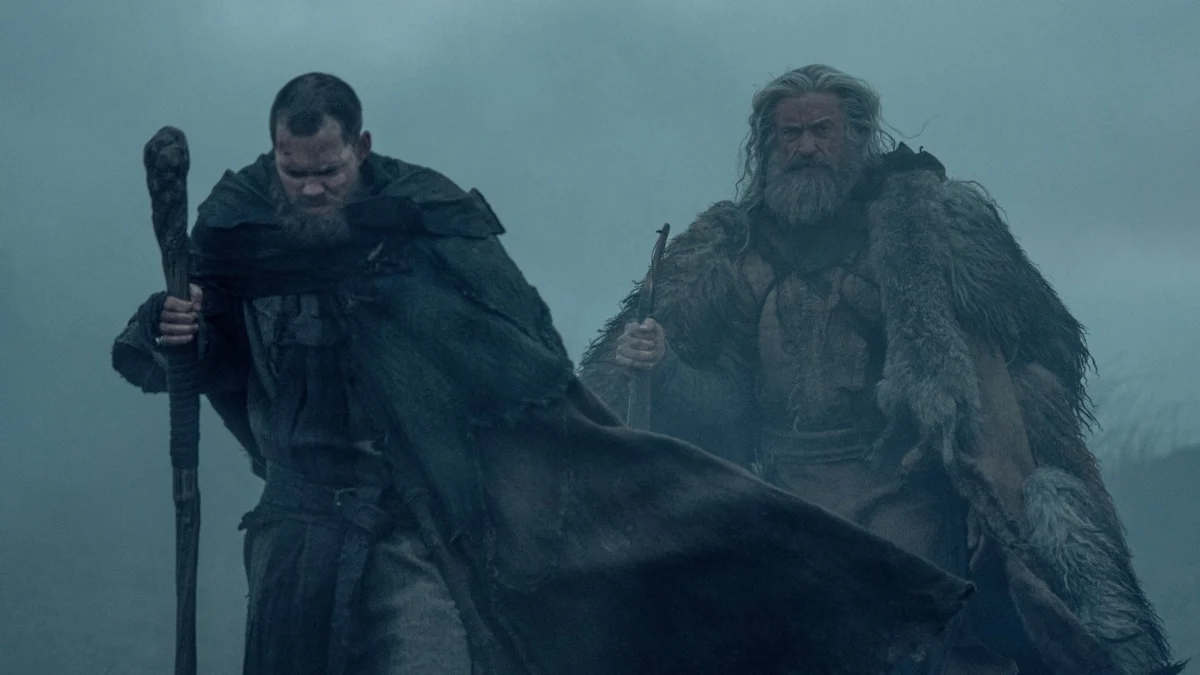
The legend of Robin Hood is one of the most resilient archetypes in Western folklore. From the swashbuckling heroics of Errol Flynn to the grittier, more grounded interpretations of the 21st century, the outlaw of Sherwood Forest has been reinvented countless times. Yet, director Michael Sarnoski—fresh off the critically acclaimed Pig and currently helming the highly anticipated Death Stranding adaptation—has delivered something entirely different with The Death of Robin Hood.
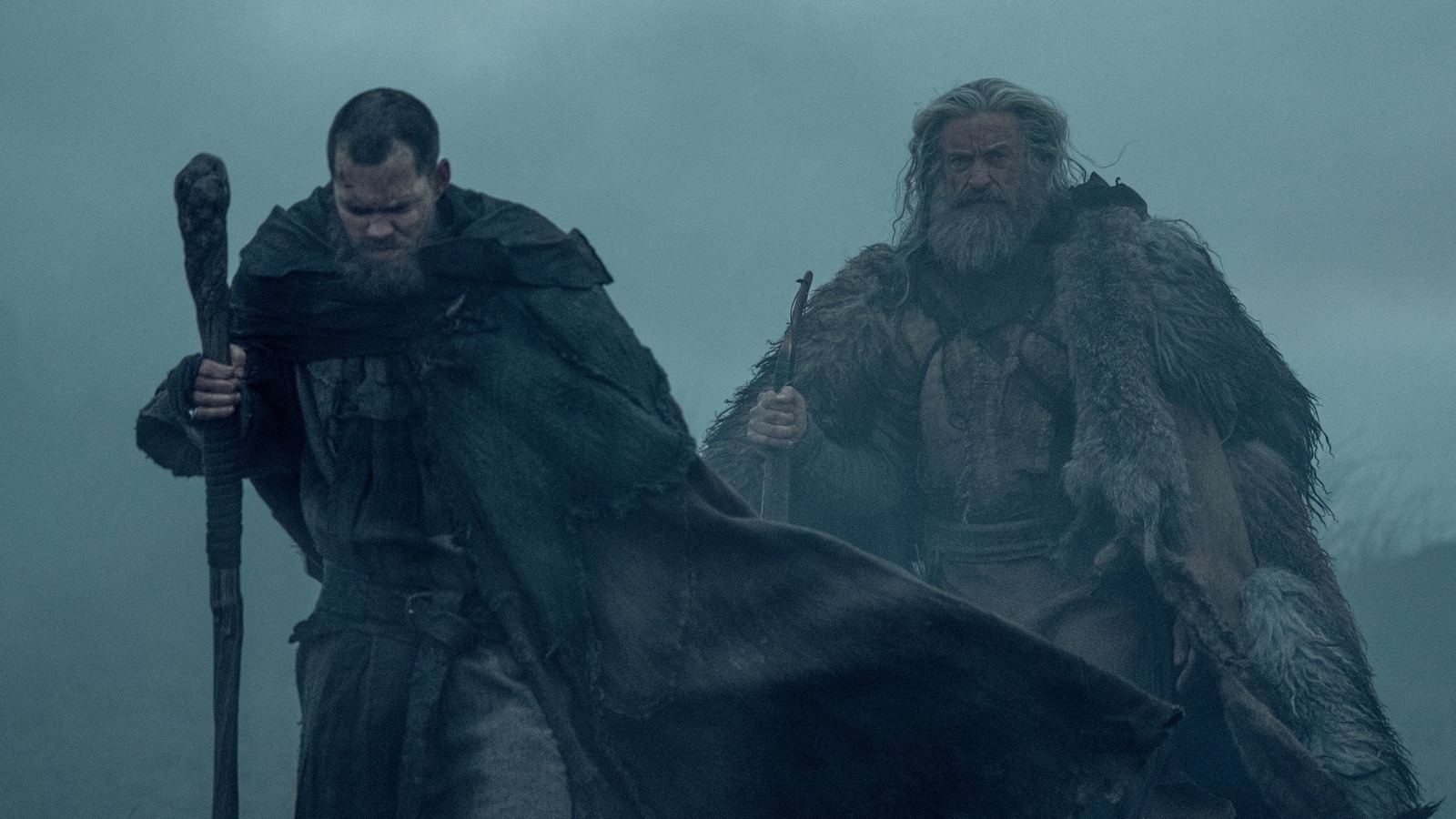
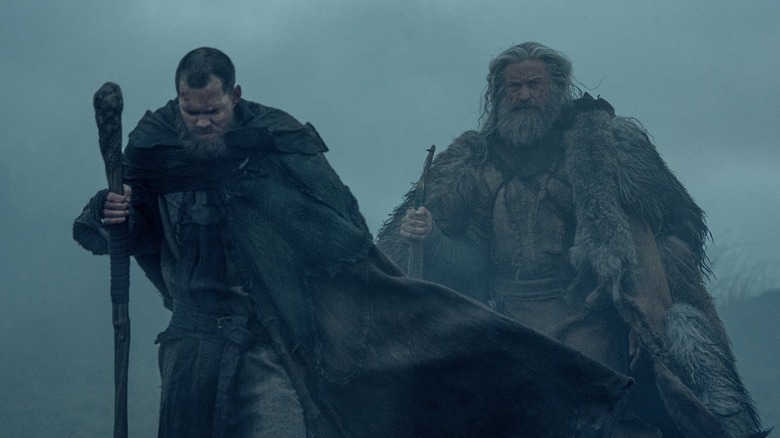
Starring Hugh Jackman in a deconstructionist turn as an aging, battle-worn Robin, the film strips away the romanticism of the folklore to explore themes of mortality, regret, and the weight of a violent legacy. However, amidst the gravitas of Jackman’s performance, there is a secondary anchor that has left audiences intrigued: the mysterious, rugged, and remarkably familiar figure of Little John. Played by the chameleonic Bill Skarsgård, the character is a masterclass in physical transformation, leading many viewers to wonder where they have seen this performer before.
The Core Narrative: A Myth in Twilight
In The Death of Robin Hood, the narrative eschews the classic "stealing from the rich" tropes in favor of a melancholic character study. The film follows an older Robin (Jackman) who is grappling with the accumulated trauma of a lifetime spent in the shadows. Following a brutal, near-fatal encounter—a battle he believed would be his swan song—Robin is thrust into an unexpected journey of healing under the care of a mysterious woman.
Crucially, Sarnoski does not clutter the screen with the entire ensemble of Merry Men. Instead, he focuses the spotlight on Robin’s long-time companion, Little John. Throughout much of the film, he operates under the moniker "Edward," a choice that reinforces the film’s theme of identity and the shedding of one’s past. For the audience, this provides a dual layer of mystery: who is this man, and why does he feel so familiar beneath the layers of cinematic artifice?
Chronology of a Chameleonic Career: From Horror to Hollywood Royalty
To understand why Bill Skarsgård’s performance in The Death of Robin Hood feels so distinct yet familiar, one must look at his trajectory over the last decade. Skarsgård has spent the better part of ten years curating a filmography defined by physical and tonal reinvention.
The Breakthrough: Pennywise and the Horror Iconography
Skarsgård’s mainstream ascent began in 2017 with Andy Muschietti’s adaptation of Stephen King’s It. As Pennywise the Dancing Clown, he didn’t just wear a costume; he contorted his facial muscles and body language to create a creature that felt fundamentally inhuman. This role cemented his reputation as an actor who could disappear entirely into his craft. Whether he is "in character" or stripped of the prosthetics, Skarsgård possesses an unsettling intensity that translates across genres.
Early Foundations and Rising Stardom
Long before he was terrorizing the children of Derry, Skarsgård was cutting his teeth on television and indie features. His turn as Roman Godfrey in Netflix’s Hemlock Grove introduced him to a cult audience, showcasing his ability to play complex, morally grey figures. Following this, he transitioned into high-profile studio projects, including The Divergent Series: Allegiant and the stylish action thriller Atomic Blonde.
The Mid-Career Pivot: From Blockbusters to A24
As his profile grew, so did the diversity of his choices. In 2018, he appeared as the ill-fated Zeitgeist in the blockbuster Deadpool 2, a role that showcased his flair for dark comedy. This was followed by a foray into the Marvel Cinematic Universe as the voice of the villainous Kro in Eternals. However, it was his performance in the 2022 horror sensation Barbarian that truly recalibrated his status as a leading man. Playing a character who initially appears to be a standard, likable guy before the film descends into madness, Skarsgård proved he could subvert audience expectations with ease.
Recent years have seen him tackling even more prestigious projects, including a supporting role in the juggernaut John Wick: Chapter 4, the action-heavy Boy Kills World, and the highly anticipated, transformative title role in Robert Eggers’ Nosferatu.
Supporting Data: Why "Little John" Resonates
The effectiveness of Skarsgård’s performance as Little John stems from his commitment to the "submerged" acting style. In The Death of Robin Hood, he is obscured by a thick, unkempt beard, layered grime, and the physical exhaustion of a man who has lived a violent life.
- Vocal Transformation: Skarsgård adopts a heavy, regionalized accent that grounds the character in a specific, gritty reality, distancing the audience from the actor’s actual Swedish roots.
- Physicality: Having worked with movement coaches in past roles (most notably for It), Skarsgård carries himself with a "slumped" intensity. He plays Little John as a man who is physically tired of the legend he helped create.
- Ancillary Recognition: Because the audience has seen him in such wildly disparate roles—from the monstrous Pennywise to the dapper villain of John Wick—their brains register the "familiarity" of his eyes and his intensity, even when the rest of his features are completely masked by his character’s rugged aesthetic.
Official Responses and Creative Intent
Director Michael Sarnoski has been vocal about his desire to move away from the "costume drama" aesthetic of past Robin Hood adaptations. In various interviews, Sarnoski has emphasized that he wanted his cast to feel like they had lived through decades of pain.
"I didn’t want the Merry Men to feel like characters out of a storybook," Sarnoski noted during the film’s press tour. "I wanted them to feel like soldiers who had survived a long war. Bill brought an inherent sadness to the character of Little John that wasn’t necessarily on the page. He turned what could have been a sidekick role into a mirror for Robin’s own regrets."
Bill Skarsgård himself has largely remained enigmatic regarding his process, preferring to let the work speak for itself. In previous discussions regarding his approach to heavy character acting, he has noted: "I don’t find comfort in playing myself. The most rewarding part of this job is the moment the makeup goes on, or the accent clicks in, and I stop being Bill and start being the person the script requires."
Implications: The Future of the "Robin Hood" Myth
The success of The Death of Robin Hood signals a broader shift in how major studios are approaching classic IP. By hiring directors like Sarnoski and casting actors like Skarsgård, studios are proving that there is still life in public domain legends, provided they are treated with thematic ambition rather than nostalgic reverence.
For Skarsgård, this role serves as another pillar in a career defined by the refusal to be typecast. As he moves toward more central, transformative roles, his ability to disappear into characters like Little John will likely keep him in high demand for prestige projects that require not just a movie star, but a genuine character actor with the box-office draw of an A-lister.
Ultimately, The Death of Robin Hood is not just about the titular hero. It is a story about the men who stood beside him, the burdens they carried, and the quiet, often overlooked strength of actors like Skarsgård, who can hold the screen while remaining completely unrecognizable. For those still scratching their heads in the theater, the answer is simple: you didn’t recognize him because you weren’t meant to. You were meant to see Little John, and in that, Skarsgård succeeded completely.

 Nana Muazin
 Nana
Nana