

Published: May 28, 2026
By: Branson Garza, Senior Writer
Hunter x Hunter stands as a titan of the shonen medium, a series that transcends the traditional boundaries of its genre to offer a masterclass in character development, world-building, and thematic subversion. Since its inception, Yoshihiro Togashi’s magnum opus has challenged the conventions of heroism and villainy, proving that the most compelling narratives are those that dare to explore the moral grey areas of the human (and superhuman) condition.
The Foundation of a Masterpiece: Main Facts
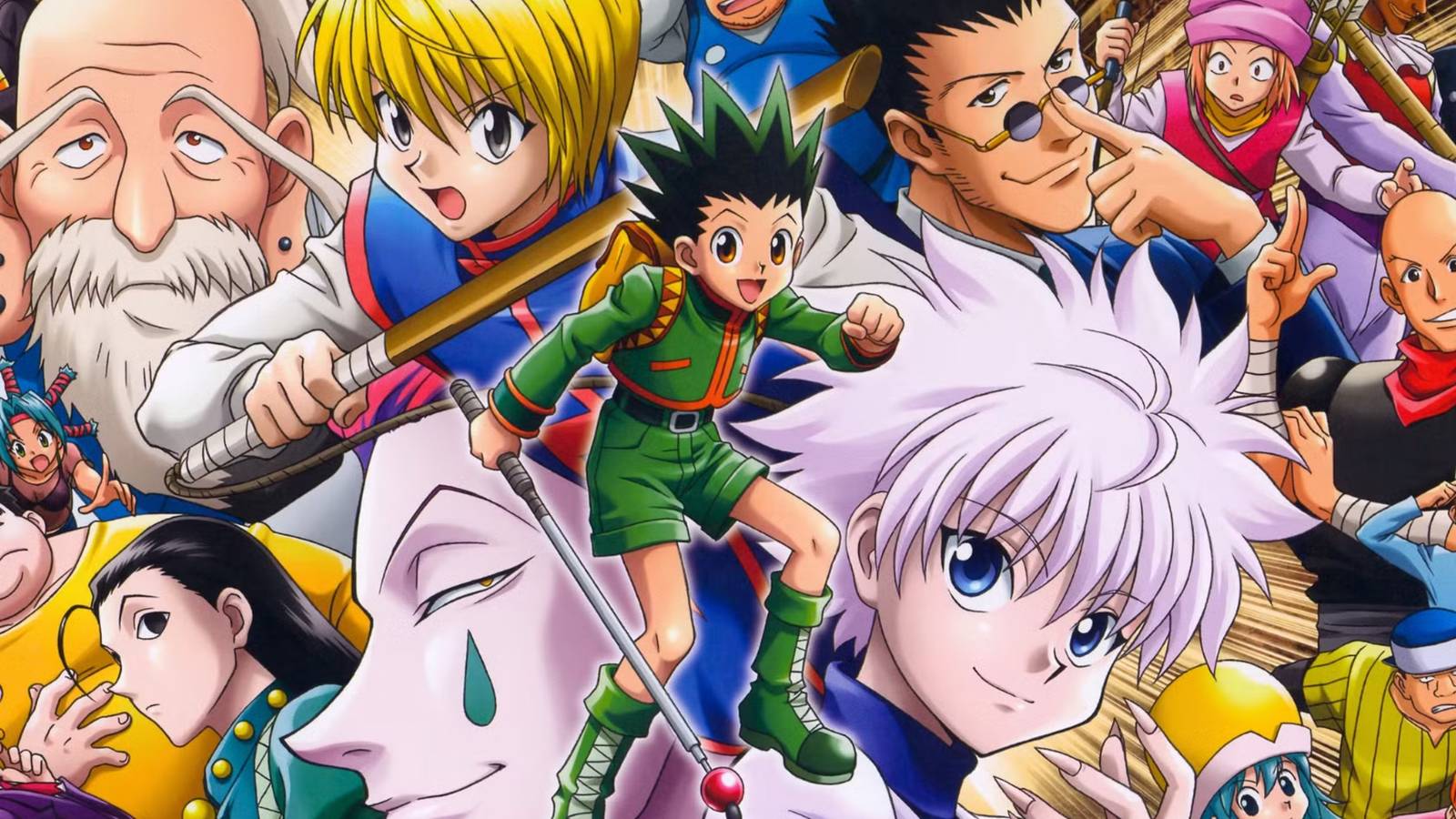
At its core, Hunter x Hunter follows the journey of Gon Freecss, a young boy from Whale Island who discovers that his father, Ging, is a world-renowned "Hunter"—a licensed professional specializing in tracking down secret treasures, rare beasts, and even other individuals. To find his father, Gon must embark on a perilous path to become a Hunter himself.
However, the series is far more than a simple coming-of-age story. Through its complex Nen power system and its willingness to let protagonists suffer genuine, lasting consequences, it distinguishes itself from its contemporaries. The series has spawned two distinct anime adaptations (1999 and 2011), multiple feature films, and the recent entry into the gaming space, Hunter x Hunter: Nen x Impact.

A Chronology of Conflict
The narrative structure of Hunter x Hunter is defined by distinct, escalating arcs that shift in tone from adventurous exploration to psychological thriller and existential war.
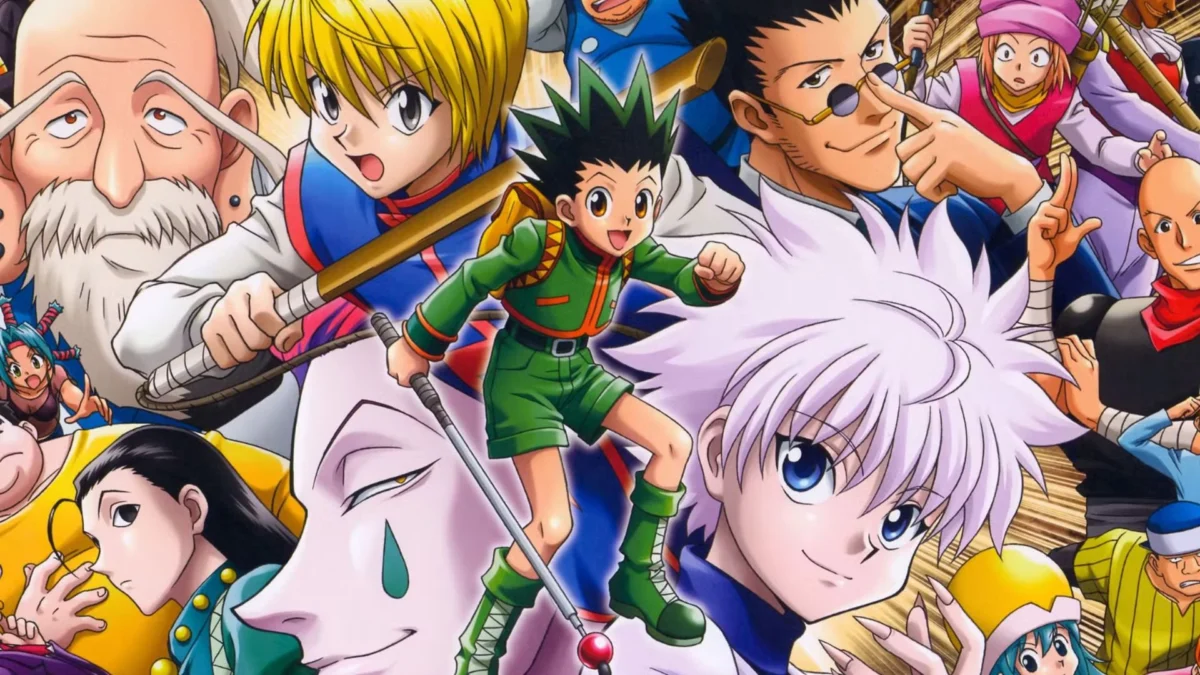
- The Hunter Exam Arc: The inciting incident. Here, we are introduced to the core quartet: the optimistic Gon, the disillusioned assassin-in-training Killua, the vengeance-driven Kurapika, and the aspiring doctor Leorio.
- The Heavens Arena Arc: A tournament-style arc that introduces the Nen power system, establishing the strategic depth that defines the series’ combat.
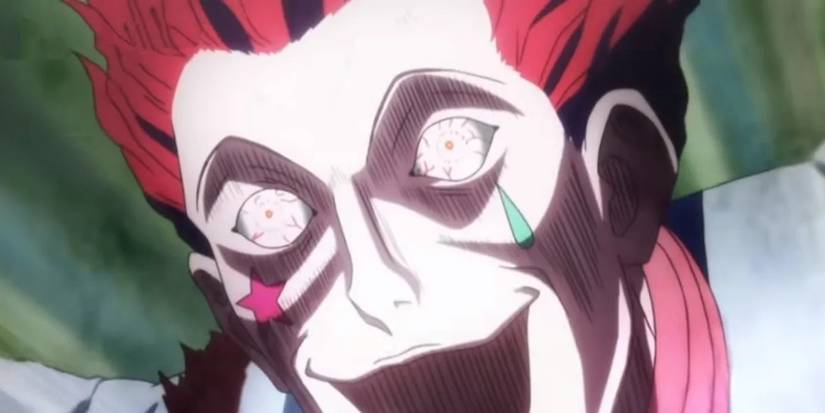
- The Phantom Troupe/Yorknew City Arc: A dark, gritty turning point where the morality of the protagonists is tested against the charismatic yet lethal Spider organization.
- The Chimera Ant Arc: Widely considered the pinnacle of the series, this arc forces the characters into an existential conflict against a species that challenges the very hierarchy of life on Earth.
- The Election/Dark Continent Arc: A shift toward political intrigue and world-building, expanding the scale of the Hunter x Hunter universe.
Character Analysis: The Heart of the Narrative
The brilliance of Togashi’s writing lies in his refusal to rely on archetypes. Even the most "villainous" characters are granted internal lives that make their actions chillingly logical.
The Complexity of the Antagonists
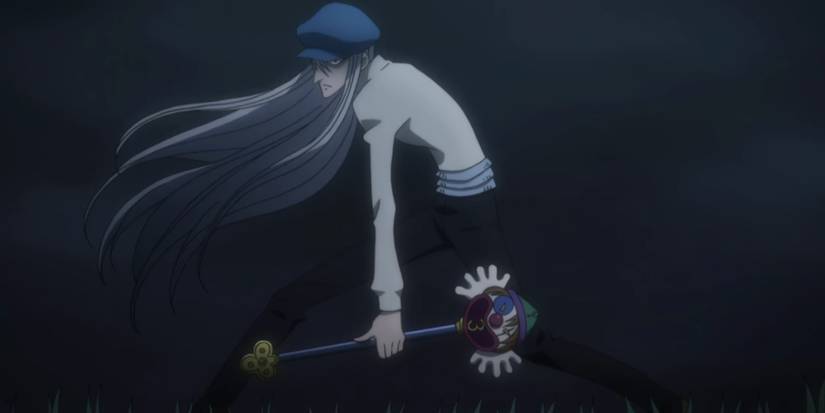
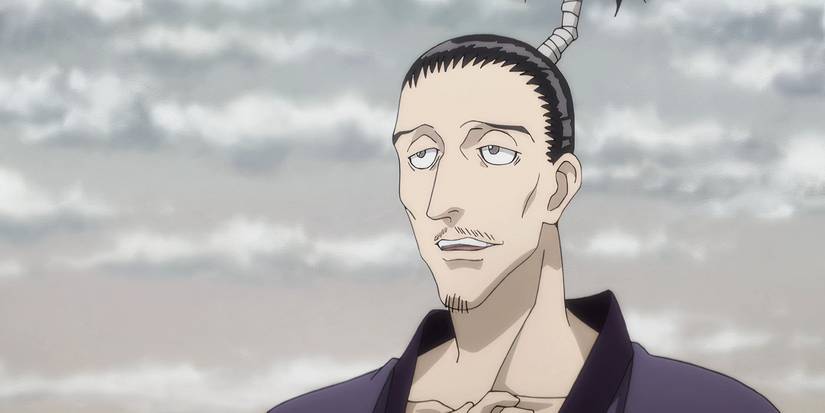
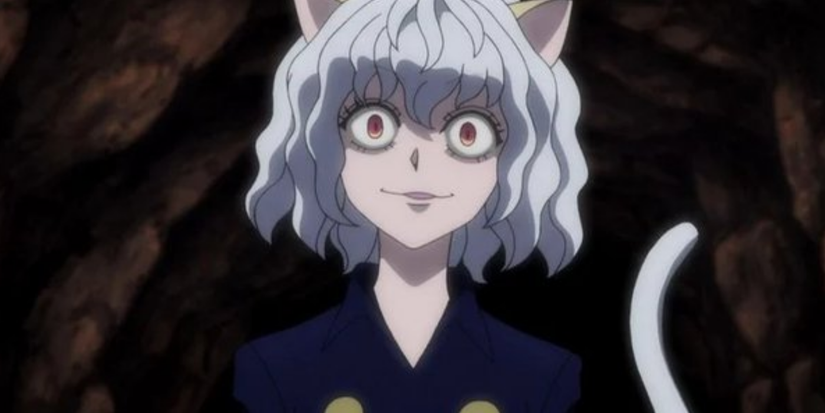
Unlike standard shonen, where villains are mere obstacles to be overcome, Hunter x Hunter treats them as complex entities. Nobunaga Hazama, for instance, is not just a member of the Phantom Troupe; he is a man of honor, loyalty, and deep grief, whose humanity makes his role as a criminal all the more disconcerting. Neferpitou represents a fascinating study in devotion; her transformation from a cold, predatory beast to a figure capable of genuine sacrifice for the King, Meruem, is one of the most jarring emotional shifts in the medium.
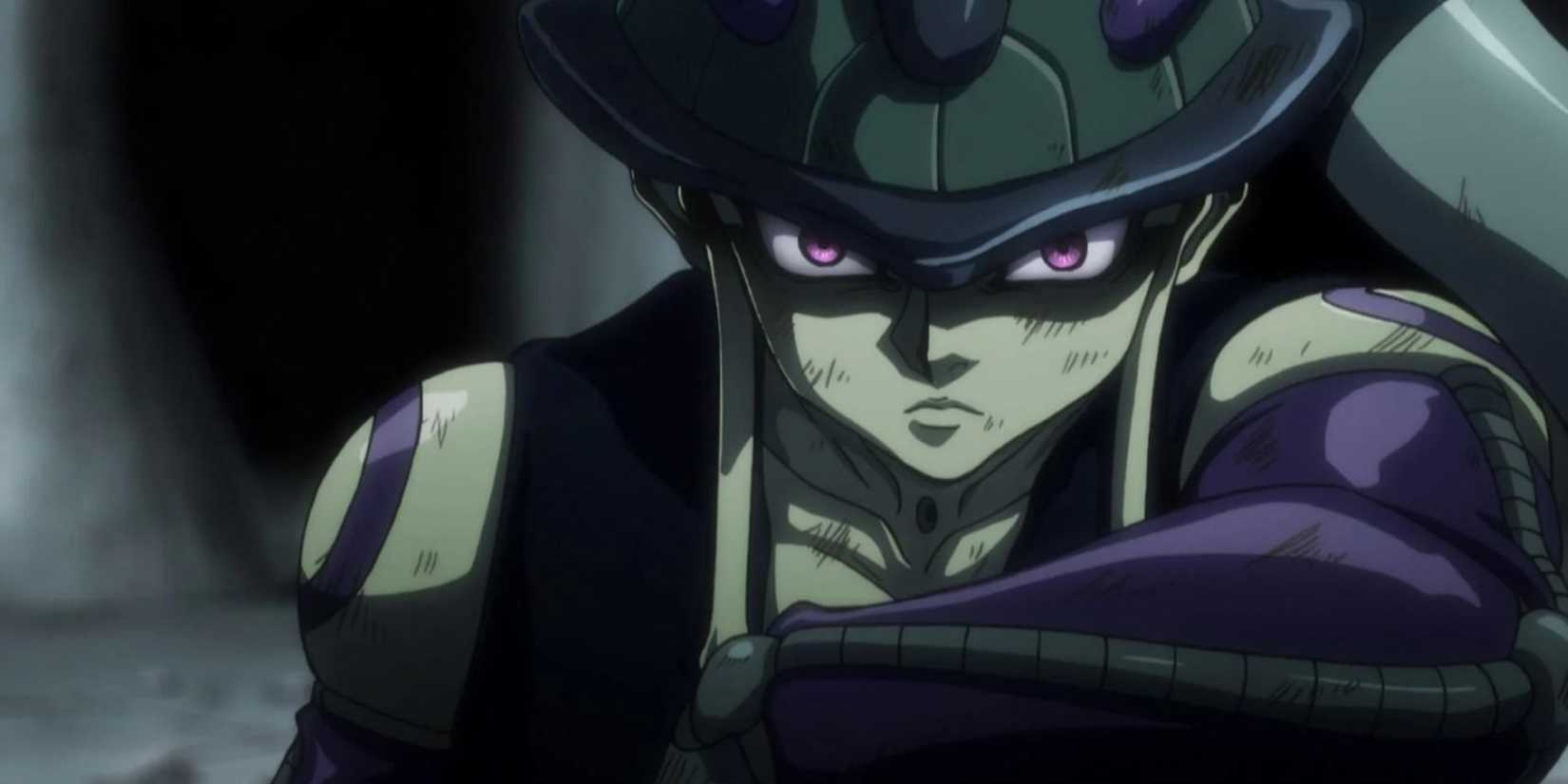
Meruem, the Ant King, serves as the ultimate foil to humanity. Born as the pinnacle of evolution, his journey from a detached, cruel tyrant to a being capable of appreciating the beauty of life—through his interactions with Komugi—stands as a seminal moment in anime history.
The Protagonists: Beyond Traditional Heroism
Gon Freecss and Killua Zoldyck are often viewed as the "light" and "dark" of the series. However, as the story progresses, these labels blur. Gon’s descent into obsession during the Chimera Ant arc is a harrowing look at how the pursuit of justice can curdle into pure, unadulterated rage. Conversely, Killua’s struggle to shed his familial legacy of assassination serves as a poignant, grounded narrative of self-actualization.
Then there is Kurapika, whose quest for vengeance against the Phantom Troupe defines the tragic core of the show. He is a Shakespearean figure—brilliant, calculated, and ultimately doomed by the very hatred that fuels his power.
Supporting Data: Why It Matters
The cultural impact of Hunter x Hunter is undeniable. Its longevity, despite frequent hiatuses, is a testament to the quality of its writing. Unlike series that rely on "power creep" to maintain tension, Hunter x Hunter relies on tactical brilliance. Battles are rarely decided by who has the most energy, but rather by who can outthink, outmaneuver, and outlast their opponent in a specific, high-stakes context.
- Nen System: By tying power to the user’s personality and mental state, Togashi ensures that every ability is a reflection of the character’s soul.
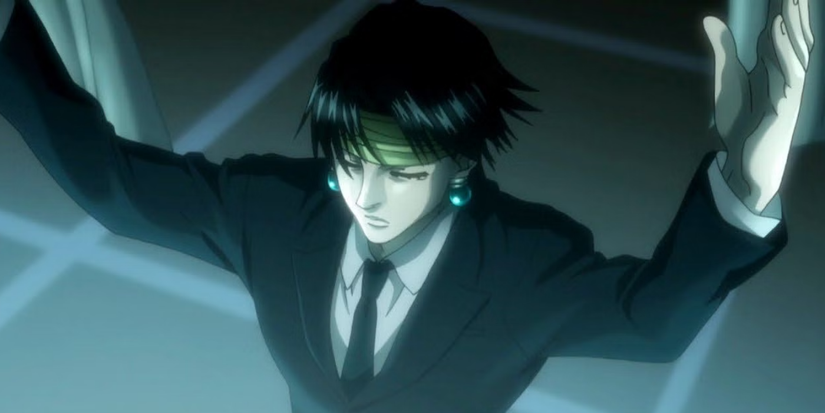
- The "Less is More" Approach: Characters like Chrollo Lucilfer are iconic because of their mystery. He is rarely on screen, yet his presence dictates the flow of entire arcs. This restraint forces the audience to pay closer attention, elevating the intellectual engagement of the viewer.
Official Responses and Industry Reception
Critics and fans alike have lauded the 2011 adaptation for its faithful and elevated presentation of the source material. Yoshihiro Togashi is frequently cited as one of the most innovative mangaka of his generation. His ability to subvert the expectations of the Shonen Jump demographic—a demographic usually hungry for straightforward triumph—has set a benchmark for the genre.
Industry analysts often point to Hunter x Hunter as the "gold standard" for serialized storytelling. It has influenced a new generation of creators, with many modern hits (such as the rising star Gachiakuta) drawing inspiration from its willingness to embrace dark, gritty themes while maintaining a core sense of camaraderie.
Implications: The Legacy of the Hunt
The implications of Hunter x Hunter on the future of anime are profound. It proved that audiences are more than willing to follow a series that prioritizes complex character arcs over constant action. It turned the "wise old master" trope on its head with Isaac Netero, whose final battle with Meruem remains a masterclass in animation and emotional payoff.
As we look toward the future of the series, the core lesson remains: the world is vast, dangerous, and uncaring. The strength of the characters doesn’t come from their ability to win every fight, but from their ability to remain true to themselves in a world that is constantly trying to change them.
Whether it is the moral ambiguity of the Phantom Troupe or the tragic descent of the protagonist, Hunter x Hunter continues to offer something that few other series can: a story that grows up with its audience. It is, and will likely remain, the quintessential shonen experience for anyone who values substance, strategy, and the raw, unvarnished truth of the human condition.
Quick Reference Guide: Franchise Facts
- Creator: Yoshihiro Togashi
- Key Adaptations: 1999 Anime Series, 2011 Anime Series
- Key Cast: Megumi Han (Gon), Mariya Ise (Killua), Miyuki Sawashiro (Kurapika)
- Defining Element: The "Nen" Power System
- Latest Entry: Hunter x Hunter: Nen x Impact (Video Game)
Hunter x Hunter remains a pillar of modern media, proving that the most enduring stories are those that dare to ask the hardest questions about the nature of power and the price of humanity.











No comments yet. Be the first to join the conversation!