Neng Nana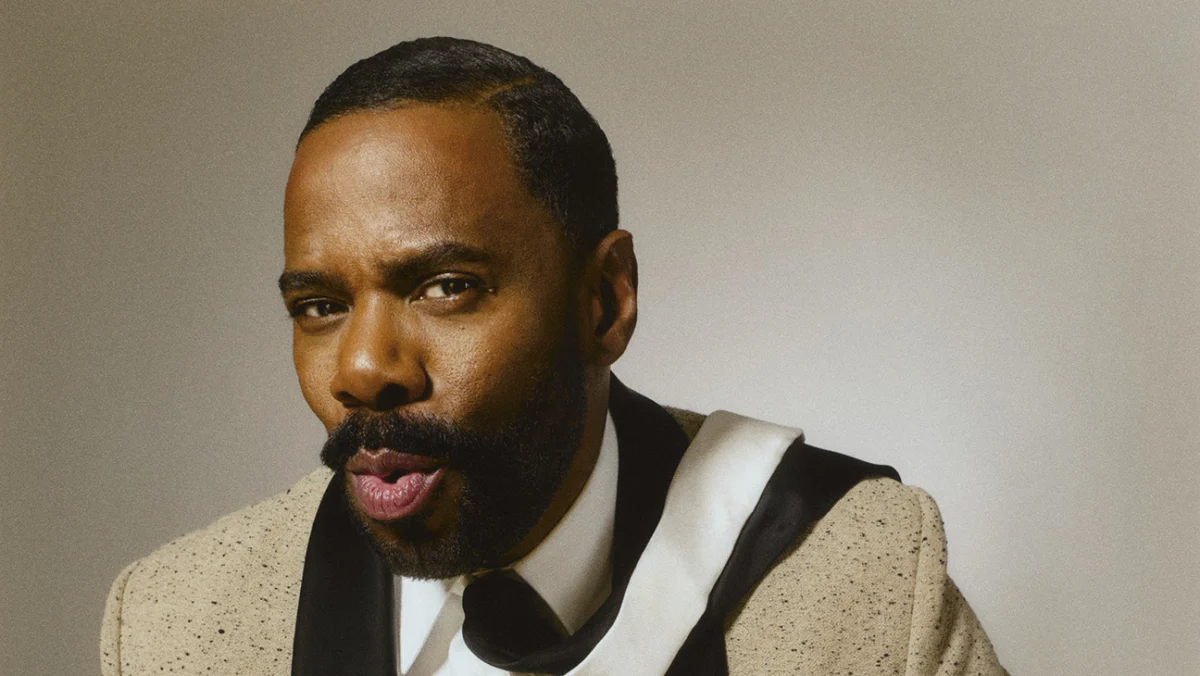
In the modern landscape of prestige television, few figures command as much narrative gravity as Colman Domingo. Having spent decades honing his craft under the tutelage of cinematic titans—ranging from the meticulous precision of Steven Spielberg and Steven Soderbergh to the visionary storytelling of Ava DuVernay and George Wolfe—Domingo has transitioned from a powerhouse performer into a formidable creative force behind the camera.
As he steps into the director’s chair for the second season of Netflix’s The Four Seasons, Domingo brings more than just technical acumen to the set; he brings a philosophy of radical trust. For Domingo, directing is not an exercise in autocracy, but an invitation to collaboration. "That’s what I want to do with my entire cast and crew," Domingo says. "I want people to make choices and come with ideas and decisions. I want to be the captain of the ship, but a captain who inspires everyone to bring their best."
The Origin of a Multi-Hyphenate
Domingo’s journey to the director’s chair was not born of ambition alone, but of necessity. His career, rooted in the trenches of theater, required him to wear many hats long before he was a household name. "I had to figure out how to get into the room when I had no access to being in a room, when people wouldn’t allow me to be in the room," he reflects. "Otherwise, I wouldn’t be a producer or director."
This DIY ethos propelled his early career and eventually led him to the director’s chair for episodes of AMC’s Fear the Walking Dead. It was there that he began to marry his deep understanding of acting with the logistical demands of television production. Now, his role on The Four Seasons—specifically the season two premiere, "Hiking"—represents a maturation of that approach.
The Dynamics of The Four Seasons
In the sophomore season of the comedy-drama, Domingo reunites with a powerhouse ensemble: show creator Tina Fey, Will Forte, Marco Calvani, and Kerri Kenney-Silver. The narrative picks up after a turbulent season one finale, where the revelation of Ginny’s (Erika Henningsen) pregnancy by the late Nick (Steve Carell) sent shockwaves through the group.
The season opener, directed by Domingo, centers on the friends’ attempt to scatter Nick’s ashes in upstate New York. It is a quintessential Domingo set piece: balancing the heavy, dark reality of grief with the sharp, observational humor that defines the show. A standout sequence features the group in a cramped, hole-in-the-wall barbecue joint. Through a sweeping circular camera movement—inspired by the domestic intimacy of Hannah and Her Sisters and the iconic framing of Roseanne—Domingo grounds the audience in the warmth of chosen family.
"Family is what you want to always get back to, no matter what complicated things may happen," Domingo explains. By focusing on the shared meal, he reinforces the emotional geography of the series.

A "Yes, And" Approach to Leadership
Domingo’s leadership style is heavily influenced by his improvisational training. He describes himself as a "yes, and" person, a mindset that he applies to everything from artistic blocking to budget management.
"I don’t like to hear the word ‘no’ that often," he notes. "I’m very pragmatic when it comes to budgets and to scope and scale, but I want people to start with that spirit of ‘yes’ before we’re bogged down with what we can’t do."
This collaborative spirit has earned him the respect of his peers, including Tina Fey. "He’s wonderful with the crew in their entirety," Fey says. "He really understands, having worked so long as an actor, how much everyone on set is doing."
Fey further highlights the rarity of his approach: "A lot of times in TV direction, you don’t really get to talk about the acting choices that you’re making because the days go so quickly. But he’s always, in that way, an actor first, making sure everyone feels like they’ve had enough takes."
From Diner Booths to Revenge Plots: The Euphoria Legacy
While The Four Seasons showcases Domingo’s light, ensemble-driven touch, his recent tenure on HBO’s Euphoria highlights his capacity for raw, psychological intensity. For three seasons, Domingo’s character, Ali, served as the moral anchor of the show, primarily confined to a diner booth where he acted as a sponsor to Rue (Zendaya).
However, the final two episodes of the series saw a seismic shift in the character’s arc. Flashbacks revealed a history of addiction, abuse, and moral failure, complicating the audience’s perception of the man who had become the show’s conscience.
"We wanted to unpack a little bit more about Ali and his survival mechanisms," Domingo told The Hollywood Reporter earlier this year. "Instead of him just being philosophical, he’s actually going to be more actionable."

That "actionable" turn culminated in a shocking finale where Ali, pushed to his breaking point by the death of his mentee, takes a dark, vigilante turn against the show’s antagonist, Alamo (Adewale Akinnuoye-Agbaje). It was a transformative moment that signaled the end of the Euphoria era. While HBO remained coy about the show’s conclusion during its broadcast, the finale served as a definitive closing chapter. For Domingo, the experience was about total commitment. "I know that I gave it my all," he says.
Chronology: The Evolution of a Career
- Early Career: Domingo cuts his teeth in regional and Broadway theater, self-producing and directing small-scale productions to circumvent lack of access.
- The AMC Years: He moves behind the camera for Fear the Walking Dead, earning his stripes in the high-pressure environment of genre television.
- The Euphoria Era: Domingo gains critical acclaim for his portrayal of Ali, a performance that bridges the gap between his acting and his growing interest in the mechanics of storytelling.
- Present Day: He assumes directorial duties for the second season of The Four Seasons, cementing his status as a dual-threat creator capable of managing both the creative and logistical demands of prestige TV.
Implications for the Industry
Domingo’s rise as a director-actor represents a growing trend in Hollywood: the "actor-auteur." By prioritizing the humanity of the crew and the collaborative agency of his cast, Domingo is challenging the traditional, often top-down hierarchy of television production.
His pragmatism regarding budgets and his refusal to be discouraged by "no" suggest that he is poised to take on larger, more ambitious projects. As the industry continues to value creators who can bridge the gap between performance and production, Domingo’s influence is likely to expand.
In his own words, his philosophy remains simple: "You’ve got to be the captain of the ship. You’ve got to inspire everyone to bring the best ideas into play." Whether he is capturing the laughter of friends around a table or the harrowing depths of a man seeking revenge, Colman Domingo is proving that the most powerful tool in a director’s kit is, ultimately, trust.
This story first appeared in a June stand-alone issue of The Hollywood Reporter magazine.

 Layla Zulfa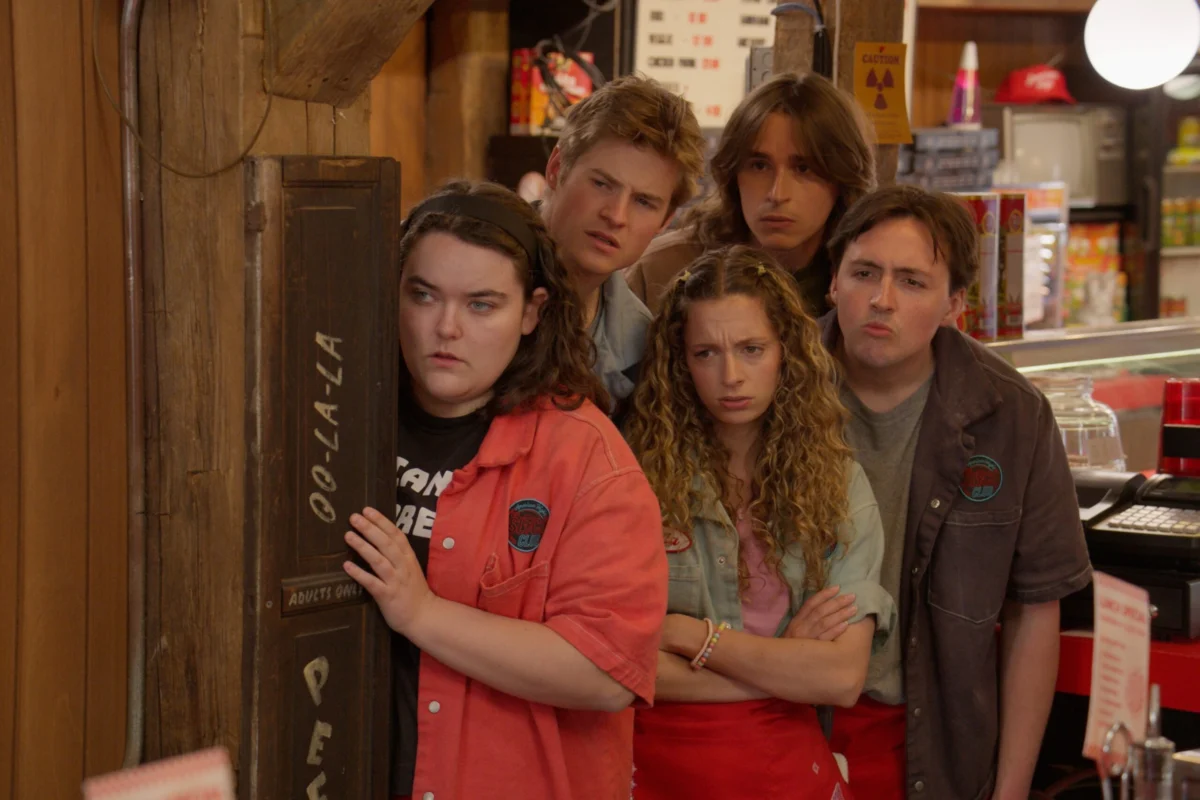
 Dwi Wanna