Ammar Sabilarrohman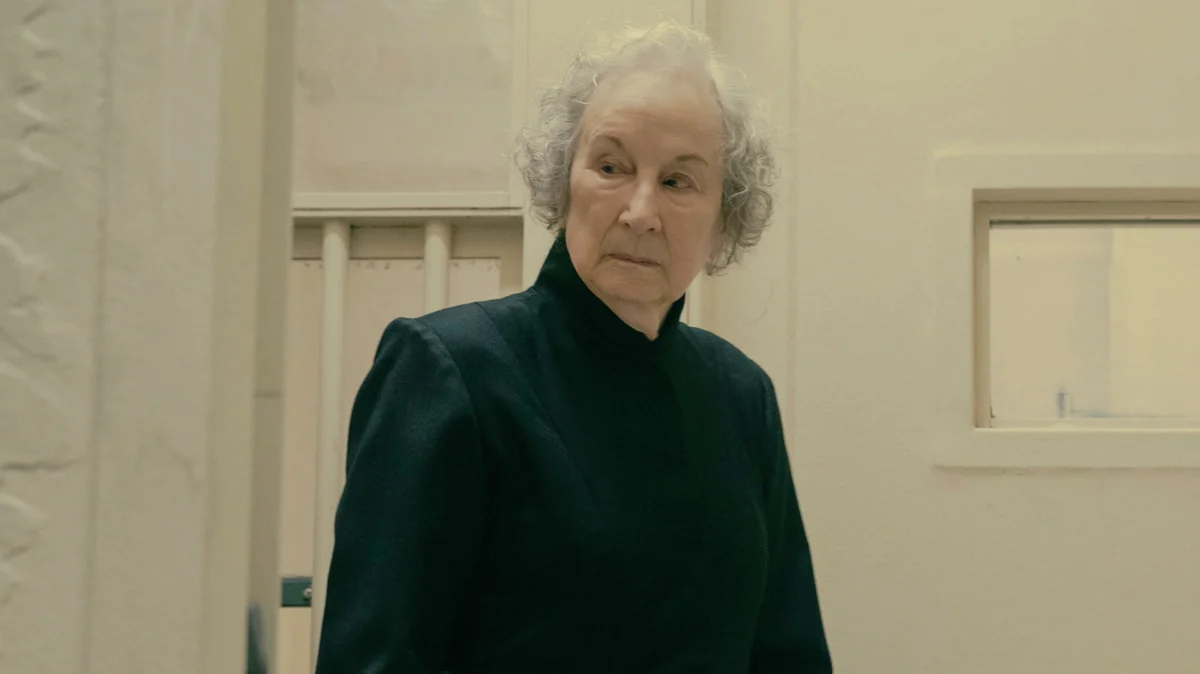
The sprawling, dystopian universe of Gilead continues to expand, and in a poetic closing to the debut season of The Testaments, its creator has officially stepped into the frame. Margaret Atwood, the literary icon whose 1985 novel The Handmaid’s Tale birthed a cultural phenomenon, made a fleeting but significant appearance in the Season 1 finale of the television adaptation, The Testaments.
As the series concludes its first chapter, the cameo serves as more than a simple "Easter egg"; it represents the intersection of the author’s original vision and the expanding narrative tapestry crafted by showrunner Bruce Miller. For fans of the franchise, this moment marks a transition from the foundational trauma of the original series to the revolutionary momentum building in this new spin-off.
The Cameo: A Silent Sentinel in Gilead
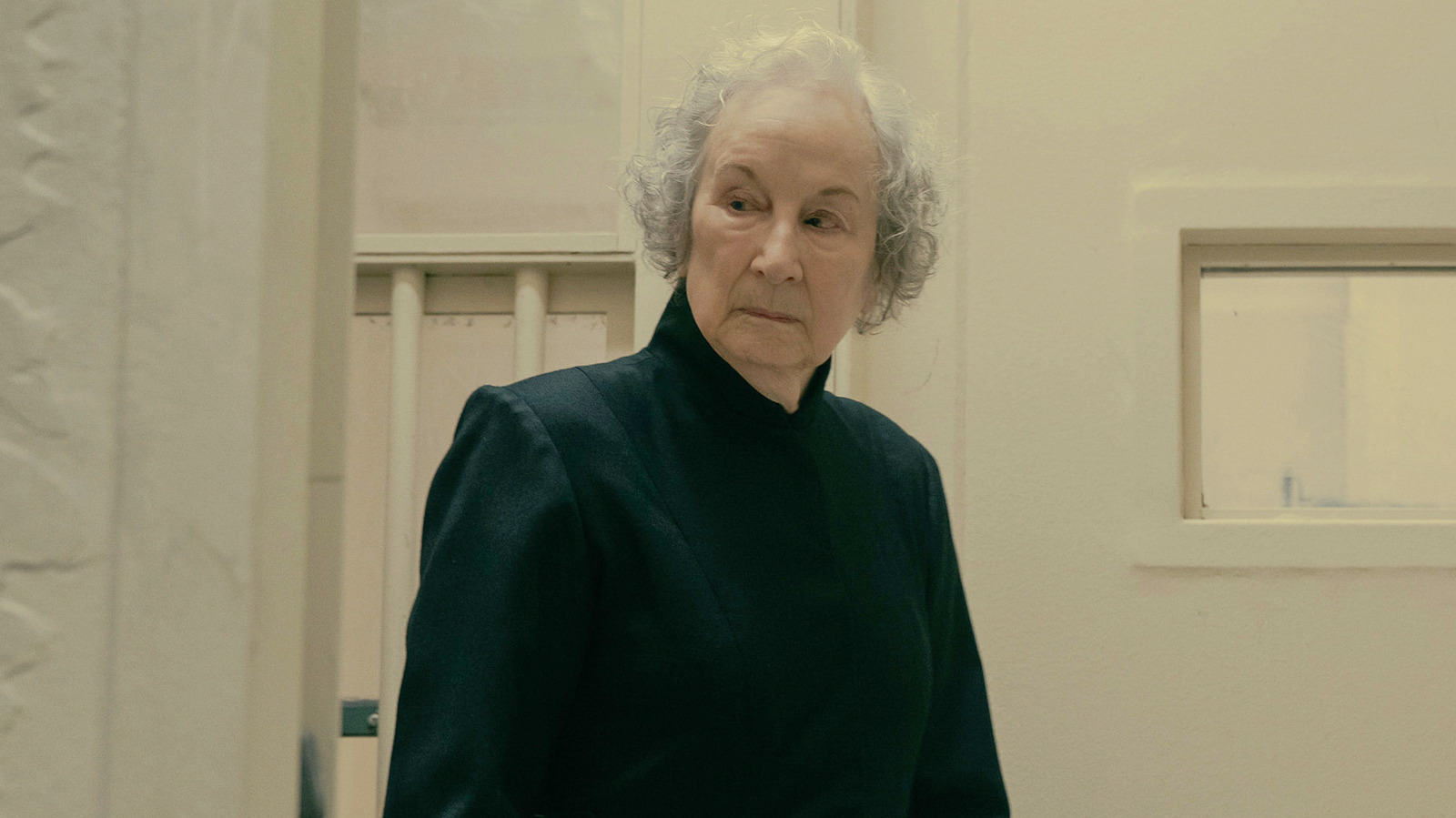
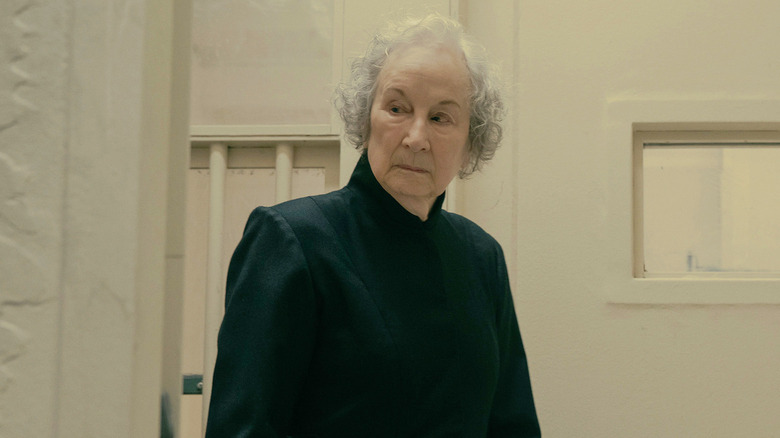
In the Season 1 finale, titled "Secateurs," Atwood appears briefly in the role of a prison matron. The scene is heavy with narrative consequence: she is seen guiding the formidable Aunt Lydia (played with chilling precision by Ann Dowd) through the sterile, claustrophobic halls of a detention center.
The purpose of this journey is for Lydia to visit Becka Grove, a character who has become a focal point of the season’s tension. Arrested for the brutal murder of her father, Dr. Grove, Becka’s storyline reflects the burgeoning rebellion among the younger generation in Gilead. Atwood’s appearance as a minor cog in the Gilead machine—a matron facilitating the movement of an oppressor—is a jarring, intentional visual. It places the author within the very system she famously deconstructed, acting as a silent observer to the chaos she unleashed decades ago.
Chronology of a Revolution: How We Arrived at the Finale
To understand the weight of the finale, one must look at the trajectory of the season. The Testaments picks up the threads of the Gilead narrative, moving beyond the immediate perspective of June Osborne (Elisabeth Moss) to focus on the next generation, including Agnes MacKenzie and her peers.
- The Catalyst: The season’s penultimate episode, "Marat Sade," set the stage for the finale’s explosive conclusion. Becka Grove, fueled by the realization that her friends—Agnes MacKenzie and Hulda Marie Edwardson—had been sexually assaulted by her father, took matters into her own hands. Using "secateurs" (gardening shears), she committed an act of visceral retribution, stabbing her father to death in his bathtub.
- The Detention: Following the murder, Becka was apprehended by the "Eyes," Gilead’s feared secret police. The finale begins with the fallout of this act, focusing on the shifting power dynamics within the detention center.
- The Revelation: The final moments of the season provide a seismic shift in the plot. Daisy, a teen from the free territories of Canada who infiltrated Gilead under the guise of a "Pearl Girl," reveals the truth to Agnes: her true identity is Hannah, the long-lost daughter of June Osborne.
- The Call to Arms: The season concludes with a bold maneuver. Daisy leaves a message for June in Canada, effectively declaring war. She proposes the formation of an army of teenage girls, including Agnes, to dismantle Gilead from the inside.
Supporting Data: The Expanding Scope of the Franchise
While The Testaments shares DNA with The Handmaid’s Tale, it occupies a distinct space. The inclusion of Elisabeth Moss—who reprised her role as June Osborne in the pilot and continues to loom over the narrative—ensures that the two shows are inextricably linked without being repetitive.
Data regarding audience engagement suggests that the shift toward a "coming-of-age" rebellion story has revitalized the interest of the Handmaid’s Tale fanbase. The performances of newcomers Chase Infiniti (Agnes) and Lucy Halliday (Daisy) have been cited as critical to the show’s success. Unlike previous seasons of the parent show, which often focused on the slow, grinding misery of survival, The Testaments pivots toward proactive, albeit dangerous, insurrection.
The production value and the integration of these new characters suggest that Hulu is investing heavily in the "Gilead-verse." By balancing the established legacy of June Osborne with the youthful, volatile energy of Agnes and Daisy, the show creators have effectively avoided the "cash-grab" critique that often plagues spin-offs.
Official Responses and Creative Direction
Margaret Atwood’s involvement in the series has been hands-on from the outset. In previous interviews, Atwood has expressed her deep fascination with how the television medium can amplify the themes of her novels. Showrunner Bruce Miller has frequently credited Atwood as a consultant, noting that her insights into the "why" of Gilead’s oppressive structures are indispensable.
When asked about the decision to include her in the finale, production sources noted that it was a nod to the "architect" of the world. While the cameo was brief, it underscored the collaborative nature of the project. The production team has maintained that while the show is a departure from the strict text of the 2019 novel, the thematic core—the endurance of the female spirit against totalitarianism—remains identical to Atwood’s original intent.
Implications: The High Stakes of Season 2
The conclusion of Season 1 is not merely a cliffhanger; it is a declaration of intent. As the show looks toward a confirmed second season, several major implications arise:
1. The Vulnerability of Agnes
Agnes’ decision to inform her fiancé, Commander Weston, of her father’s abuse backfired spectacularly. By breaking the engagement, Weston exposed Agnes to the wrath of her stepmother, Paula. This places Agnes in a precarious position where she has lost the protection of the patriarchal structure she was raised in, effectively forcing her to choose between survival and the revolution.
2. The Rise of the Teenage Resistance
The most compelling hook for Season 2 is the potential for an organized, underground rebellion led by teenagers. In a regime that prides itself on controlling the education and future of its youth, the threat of an uprising composed of the very girls the regime intends to exploit is the ultimate subversion.
3. June Osborne’s Role
With Daisy’s note reaching Canada, June is no longer a peripheral figure or a memory; she is an active commander of the insurgency. The bridge between the "old guard" of the resistance and the new, youthful firebrands in Gilead is the narrative engine for the next season.
4. The Moral Complexity of Revenge
The show continues to ask uncomfortable questions about the nature of justice. Is Becka a martyr or a murderer? Is the violence enacted by the teenage rebels justifiable in the face of systemic child abuse and sexual assault? These moral dilemmas will likely define the tone of the upcoming season.
Final Reflections
As The Testaments moves forward, it carries the heavy weight of the Handmaid’s Tale legacy while daring to walk a more aggressive path. Margaret Atwood’s cameo, while small, acts as a symbolic passing of the baton. The architect of the cage has watched her characters reach the threshold of breaking it down.
For viewers, the first season has been a masterclass in tension and world-building. With the promise of an organized revolution and the truth of Agnes’s lineage finally laid bare, the series has moved from a cautionary tale about the past into a high-octane thriller about the future. Whether the rebellion will succeed or be crushed under the weight of the regime remains the central mystery, but one thing is certain: the girls of Gilead are no longer waiting for salvation—they are preparing to take it.
If you or someone you know may be the victim of child abuse, please contact the Childhelp National Child Abuse Hotline at 1-800-4-A-Child (1-800-422-4453) or contact their live chat services.
If you or anyone you know has been a victim of sexual assault, help is available. Visit the RAINN website or contact RAINN’s National Helpline at 1-800-656-HOPE (4673).


 Sagoh
Sagoh
 Nana Wu