


The gaming industry is no stranger to the "veteran-led startup" narrative, but rarely does a new studio arrive with the pedigree of GPTRACK50. Led by industry titan Hiroyuki Kobayashi—a man whose fingerprints are all over the most iconic chapters of Capcom’s history, including Resident Evil, Devil May Cry, and Dragon’s Dogma—the newly formed studio has officially pulled back the curtain on its debut Stupid Never Dies.
Described as a "Blazing Fast" action experience, the game promises to marry the high-octane spectacle of the character-action genre with the strategic depth of modern RPG progression. As the studio prepares for a 2026 launch, the industry is watching closely to see if this blend of undead aesthetics and rapid-fire gameplay can carve out a new niche in a landscape currently dominated by "soulslike" high-difficulty titles.
The Core Concept: A Zombie with a Heart of Gold
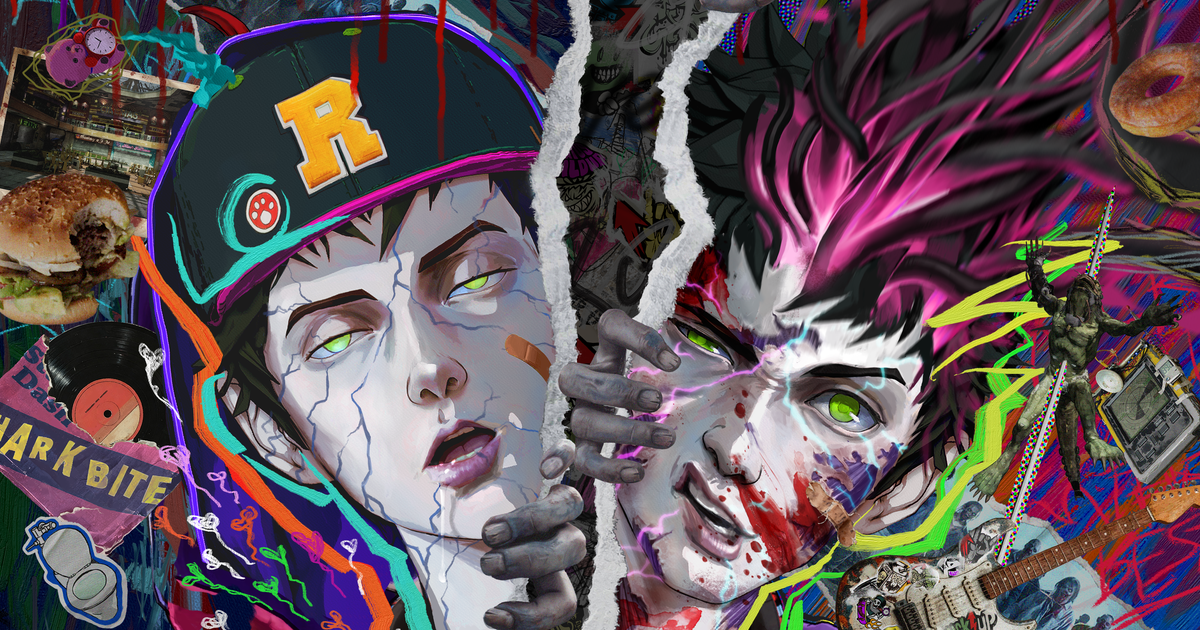
At its narrative heart, Stupid Never Dies is a tale of post-mortem devotion. Players step into the rotting shoes of Davy, a recently deceased soul who finds himself thrust into the deepest, most treacherous dungeons of hell. However, Davy isn’t interested in eternal rest; he is on a quest to recover "Over-Technology"—a powerful, otherworldly resource—to save both the human race and, more poignantly, the love of his life.
The game’s aesthetic is a deliberate, stylistic mash-up. While the protagonist is a literal zombie, the developers have been quick to clarify that this is not a horror game. Instead, it is a "fun, slightly spooky" romp. The enemies are a reimagined army of monsters that draw heavy inspiration from classic Universal horror icons, but they are filtered through a lens of twisted, mechanical sci-fi. From the flapping, aerial-focused Harpy to the gravity-manipulating Demon, the game’s cast is designed to be as visually distinct as they are lethal.
Chronology and Development Origins
GPTRACK50, a subsidiary studio under the NetEase Games umbrella, was founded with the explicit goal of creating original, high-quality action titles that defy current market trends. The studio’s inception brought together a veteran team of developers who cut their teeth on some of the most influential franchises of the last two decades.
The development cycle of Stupid Never Dies has been marked by a focus on "blazing fast" iteration. By focusing on a 2026 release window, the team is looking to establish a consistent, sustainable development pipeline that avoids the burnout common in AAA spaces. The recent release of the game’s first full trailer serves as a milestone, providing the public with their first look at the "combo-busting" combat that the team has been refining behind closed doors.
Mechanics: The "Blazing Fast" Combat Philosophy
Perhaps the most intriguing aspect of Stupid Never Dies is its rejection of the "mechanical mastery" requirement that has become the gold standard in the current action market.
"There have been many ‘high-difficulty’ games in recent years," Hiroyuki Kobayashi explained in an interview. "We wanted to differentiate ourselves from that trend. Rather than creating an action game where players overcome difficulty purely through technical skill, we felt it would be more accessible as a new title if players could tackle challenging situations through strategy and character progression."
The Style System
The combat revolves around a sophisticated "Style" system that allows players to switch between 11 different combat archetypes on the fly. This system is designed to reward creativity rather than rote memorization of inputs. Players can launch an enemy into the air as the Creature from the Black Lagoon, swap to a Vampire style to drain the foe’s health, and finish the combo by slamming them into the ground with the bone-crushing strength of a Skeleton.
This fluidity is bolstered by the "Over-Technology" equipment system. Davy can augment his limbs and even his head with various mechanical attachments, allowing for a level of build customization that feels more akin to an RPG than a traditional linear action game.

Strategic Depth vs. Mechanical Mastery
The core loop of the game is rooted in a roguelike-adjacent structure. Players are tasked with clearing floors within strict time limits. This creates a high-pressure environment where the goal is to grow stronger, faster. As players progress through the dungeons, they gather equipment and combat styles, evolving from a clumsy, newly-risen zombie into a juggernaut capable of clearing rooms in seconds.
Kobayashi emphasizes that this design choice is a direct response to the busy lives of modern gamers. "We wanted to create a format that can be enjoyed in short, well-defined play sessions," he noted. "We wanted players to experience the thrill and tension of enjoying action gameplay within a time limit—that sense of suspense and excitement."
The Industry Implications: A Shift in Market Trends?
The arrival of Stupid Never Dies represents a potential pivot point in the action genre. For years, the market has been saturated with games that prioritize punishing difficulty, often alienating players who enjoy the spectacle of high-action but lack the time or desire to spend hours mastering frame-perfect parries.
By pivoting toward an Action-RPG model where difficulty is mitigated by character growth and strategic loadout management, GPTRACK50 is effectively lowering the barrier to entry without sacrificing the "flashiness" that made games like Devil May Cry famous. If the studio succeeds, it could set a new precedent for how mid-to-large-scale studios approach game difficulty in the latter half of the decade.
Technical Scope and Platform Strategy
As of the current announcement, the game is being developed primarily for PlayStation and PC. The studio has expressed interest in Steam Deck compatibility, a move that aligns with their goal of making the game accessible for "on-the-go" play sessions. While versions for the Xbox and the Nintendo Switch have not been ruled out, they remain in the "possibility" phase, as the studio prioritizes its current development resources.

The use of a hard-rock soundtrack and high-fidelity, vibrant character models suggests that the team is leaning into a "premium" aesthetic. The key art, which features the monstrous yet stylish Davy, confirms that the game is aiming for a distinct visual identity—one that feels like a classic arcade brawler updated for the modern era.
Looking Toward 2026
As the 2026 release window approaches, the gaming community will be closely watching for further updates regarding the game’s meta-progression systems and the full list of monster styles. The challenge for GPTRACK50 will be to ensure that the "blazing fast" nature of the game doesn’t result in a lack of depth. However, given the pedigree of the team involved, there is a strong sense of optimism surrounding the project.
Stupid Never Dies is more than just a debut; it is a statement of intent. It is a declaration that the "golden age" of character action games hasn’t ended—it has simply evolved. By stripping away the frustration of artificial difficulty and replacing it with the empowering loop of constant, rapid progression, Hiroyuki Kobayashi and his team at GPTRACK50 may well have found the recipe for the next great action hit. Whether the final product can live up to the lofty expectations set by the studio’s heritage remains to be seen, but one thing is certain: in the world of Stupid Never Dies, death is only the beginning of the fun.











No comments yet. Be the first to join the conversation!