Ammar Sabilarrohman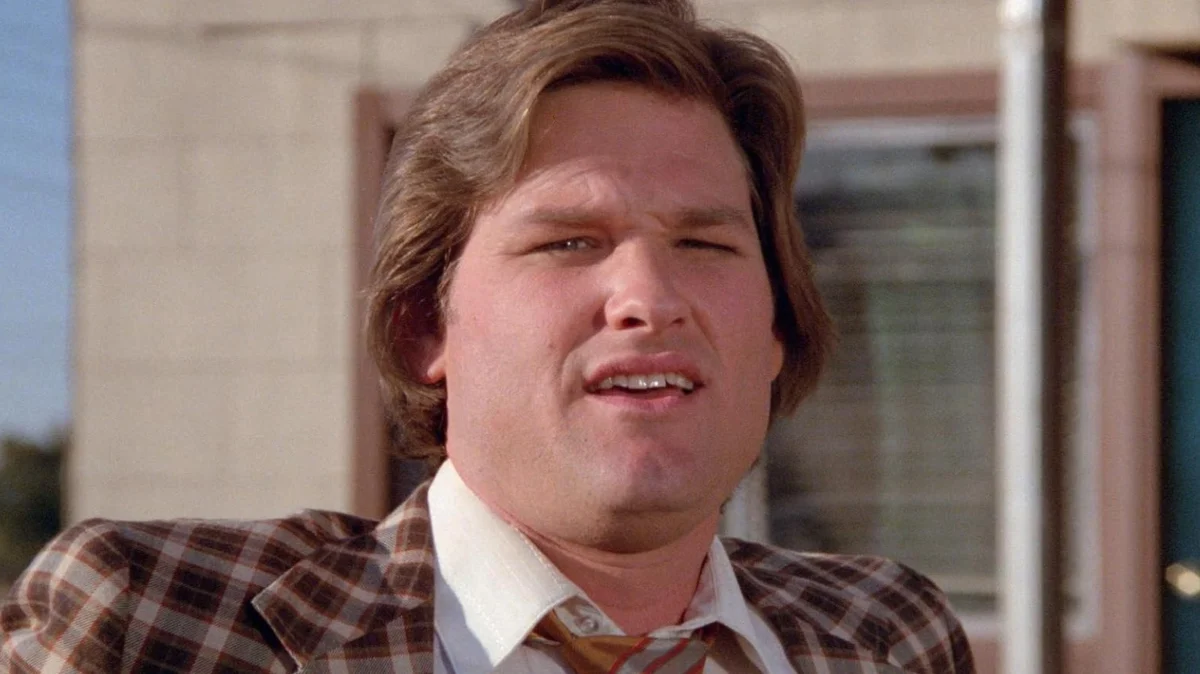
In the high-stakes ecosystem of 1980s Hollywood, the line between a cinematic masterpiece and a box-office failure was often drawn by the erratic whims of studio executives. Few films illustrate this volatile reality as poignantly as Robert Zemeckis’ 1980 dark comedy, Used Cars. Featuring a charismatic performance by Kurt Russell and sharp, cynical writing from Zemeckis and Bob Gale, the film had all the ingredients of a breakout hit. Instead, it became a cautionary tale of how administrative panic—driven by an unexpectedly successful test screening—can sabotage a film’s commercial potential before it even reaches the masses.
The Anatomy of a Forgotten Classic
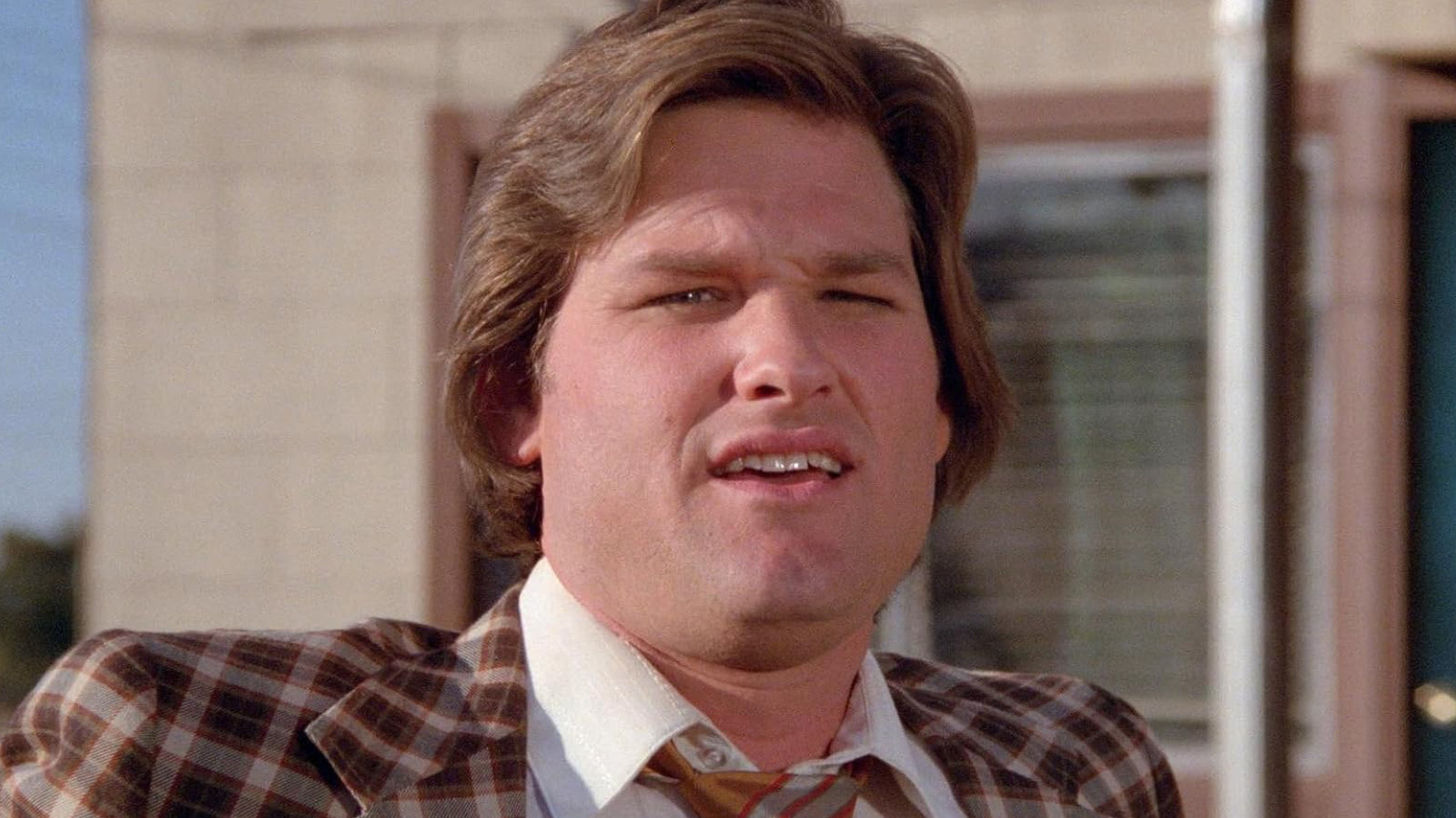
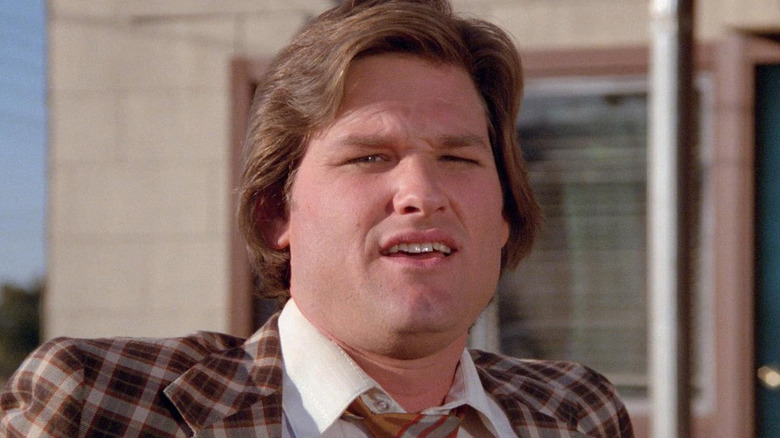
At its core, Used Cars is a biting satire of American capitalism, centered on the cutthroat world of vehicle sales. Kurt Russell stars as Rudy Russo, a slick, ambitious salesman with political aspirations who works for the earnest, aging Luke Fuchs (Jack Warden). The narrative takes a dark turn when Luke dies, prompting a bitter, high-stakes battle between Rudy and Luke’s twin brother, Roy L. Fuchs (also played by Warden), for control of the dealership. The ensuing rivalry, filled with elaborate, unethical, and zany promotions, provided a platform for Zemeckis to display the comedic timing and narrative structural integrity that would later define his massive successes with Back to the Future and Forrest Gump.
However, in 1980, Zemeckis was a filmmaker on the precipice. His earlier projects had been met with lukewarm industry support, and Used Cars was intended to be his breakthrough. Instead, the film became a structural victim of its own quality.
A Chronology of Mismanagement: From Triumph to Tarnish
The failure of Used Cars was not due to a lack of audience appeal, but rather a catastrophic failure of distribution and timing. The story begins in the heart of Texas, where the studio held a preliminary test screening.
The "Too Good" Problem
According to the film’s DVD commentary, the test screening in Dallas was a watershed moment. The audience response was record-breaking for Columbia Pictures at the time, garnering scores comparable to the runaway success of Smokey and the Bandit. In a rational world, this would have triggered a robust, well-funded marketing push. Instead, it triggered panic in the boardroom.
"They said, ‘Oh, we gotta get this out! These are like ‘Smokey and the Bandit’ numbers. We gotta get this movie out as quick as possible,’" Bob Gale recalled. This sudden, uncalculated rush to capitalize on the hype resulted in the film being bumped from its original August release date to July 11, 1980. This shift proved to be the kiss of death.
The Collision with ‘Airplane!’
The accelerated release date placed Used Cars directly in the crosshairs of the cultural juggernaut Airplane!. While Used Cars was a sharp, subversive comedy, Airplane! was a populist, word-of-mouth phenomenon that would go on to be scientifically recognized as one of the funniest films ever made.
Columbia Pictures had failed to develop a cohesive marketing strategy or a viable release schedule. While Airplane! commanded the public consciousness, Used Cars was relegated to a limited release, appearing in only half of the domestic market. Because the film struggled to find an audience in the markets where it was initially dumped, the remaining theater chains across the country opted not to carry it at all. The result was a box-office total of just $12 million against an $8 million budget—a figure that, after accounting for marketing and distribution costs, represented a significant loss for the studio.
Supporting Data: The Cost of Studio Negligence
The financial failure of Used Cars was emblematic of a broader trend in Kurt Russell’s early career. During a five-year window in the early 1980s, the actor faced a series of box-office disappointments that, in hindsight, appear to be the result of poor timing rather than poor performance.
- The "E.T." Effect: Much like Used Cars was cannibalized by Airplane!, John Carpenter’s The Thing (1982), also starring Russell, was famously buried by the release of Steven Spielberg’s E.T. the Extra-Terrestrial.
- Budgetary Constraints: With a production budget of $8 million, Used Cars was not a low-budget project. The studio had invested significantly in the production, yet they treated the release as an afterthought, failing to provide the promotional capital necessary to compete with the major summer releases of 1980.
- The Cult Longevity: Despite the theatrical failure, the film’s legacy has only grown. The home media market allowed audiences to discover the film in the decades that followed, leading to a critical reappraisal that favors the film’s subversive tone and Russell’s electric performance.
Official Perspectives: The Creatives Speak Out
Robert Zemeckis and Bob Gale have been remarkably candid about the experience. Their testimony serves as a masterclass in how studio mismanagement can derail the careers of talented individuals. Zemeckis has noted in various interviews that the film "never really had a chance" because it was never properly released nationwide.
The sentiment from the creative team is one of frustrated resignation. When a studio executive sees a film as a commodity to be dumped rather than a work of art to be nurtured, the artists are left to bear the professional consequences. Gale’s recollection of the "botched" release highlights a disconnect between the data the studio received—the glowing test scores—and the actual logistical execution of the rollout. They had the evidence that the product was strong, but they lacked the competence to bring that product to the consumer effectively.
The Broader Implications for Hollywood
The case of Used Cars serves as a perennial lesson for the film industry regarding the necessity of a calculated release strategy. It demonstrates that "success" in a vacuum—such as a single successful test screening—does not guarantee success in the marketplace.
1. The Dangers of Reactive Scheduling
Studios that pivot their release dates in response to isolated metrics often sacrifice the long-term health of a project. A film’s release is a complex maneuver that requires alignment with seasonal trends, competitor analysis, and marketing saturation. By rushing Used Cars into theaters, Columbia Pictures essentially threw the film into a meat grinder.
2. The Cultural Value of Cult Cinema
The fact that Used Cars is now held in high regard—cited by industry figures such as Wyatt Russell as a favorite film—suggests that the "flop" label is often a temporary designation. It highlights a recurring theme in film history: the distinction between a film’s immediate commercial reception and its enduring cultural value. Many films that were "ruined" by studio interference have since found their rightful place in the pantheon of classic cinema.
3. Protecting the Creative Vision
The "blood, sweat, and tears" of the filmmakers are frequently subject to the whims of corporate bureaucracy. The Used Cars debacle underscores the need for creative control and robust marketing partnerships between directors and studios. When the studio acts as an antagonist to the film’s distribution, the entire industry suffers, as it suppresses the potential for new, experimental comedies to find their audience.
Conclusion
The failure of Used Cars is not a reflection of its quality, but a testament to the fragility of a film’s launch. Kurt Russell’s turn as the fast-talking Rudy Russo remains a highlight of his career, and Zemeckis’ direction stands as a precursor to the legendary career he would eventually carve out. While the studio may have successfully "killed" the film’s initial theatrical run, they failed to kill its legacy.
In the modern era, where films are easily accessible on 4K, Blu-ray, and streaming platforms, the sting of a 1980 box-office flop has softened. However, the story remains a vital piece of Hollywood history—a reminder that in the business of show business, the most important work often happens after the cameras stop rolling, in the boardrooms where the fate of the art is truly decided. For fans of 1980s cinema, Used Cars stands as a reminder that sometimes, the best movies are the ones that had to fight the hardest just to be seen.

 Sagoh
Sagoh
 Suro Senen