Reynand Wu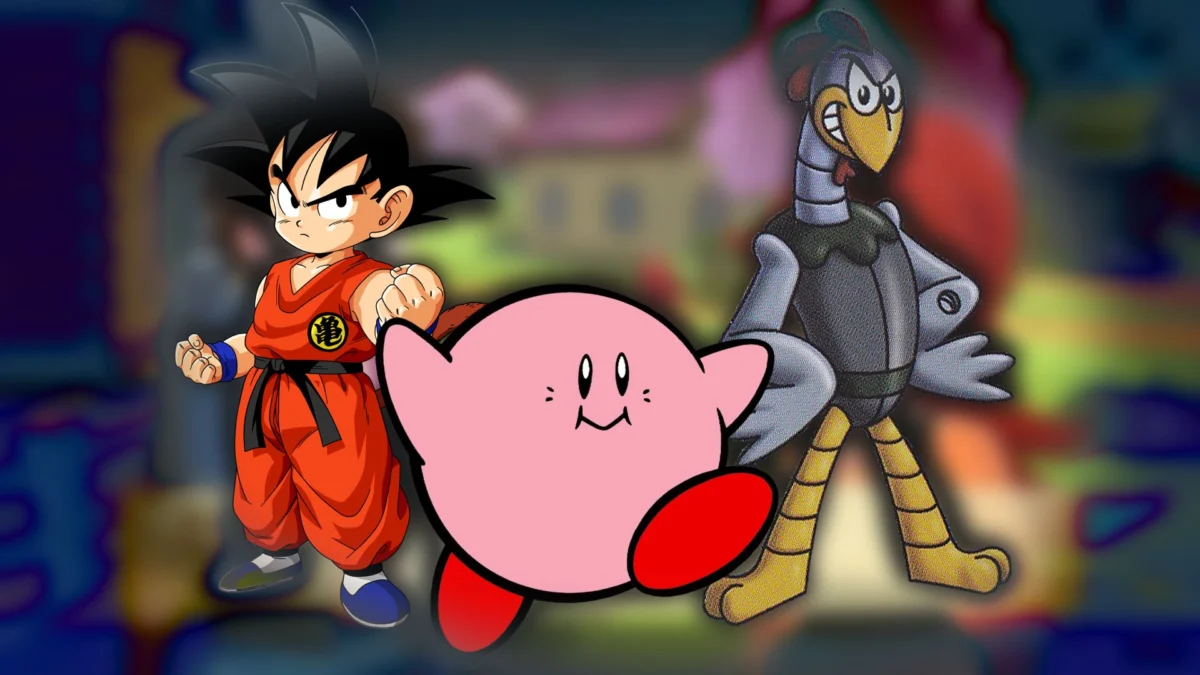
In the early days of the gaming industry, the global landscape was a fragmented mosaic of regional preferences, strict licensing laws, and vastly different cultural sensibilities. Before the advent of high-speed internet and global digital storefronts, the path a game took from its Japanese development studio to a living room in North America was often fraught with bureaucratic hurdles.
For publishers, the objective was simple: maximize profitability by making a product palatable for an international audience. This frequently resulted in the practice of "re-skinning" or entirely rebranding titles. Sometimes, this was a matter of simple localization—changing a rice ball to a jelly-filled donut—but other times, the transformation was total. Below, we explore ten instances where video games were fundamentally disguised as different products to capture markets that might have otherwise rejected the source material.
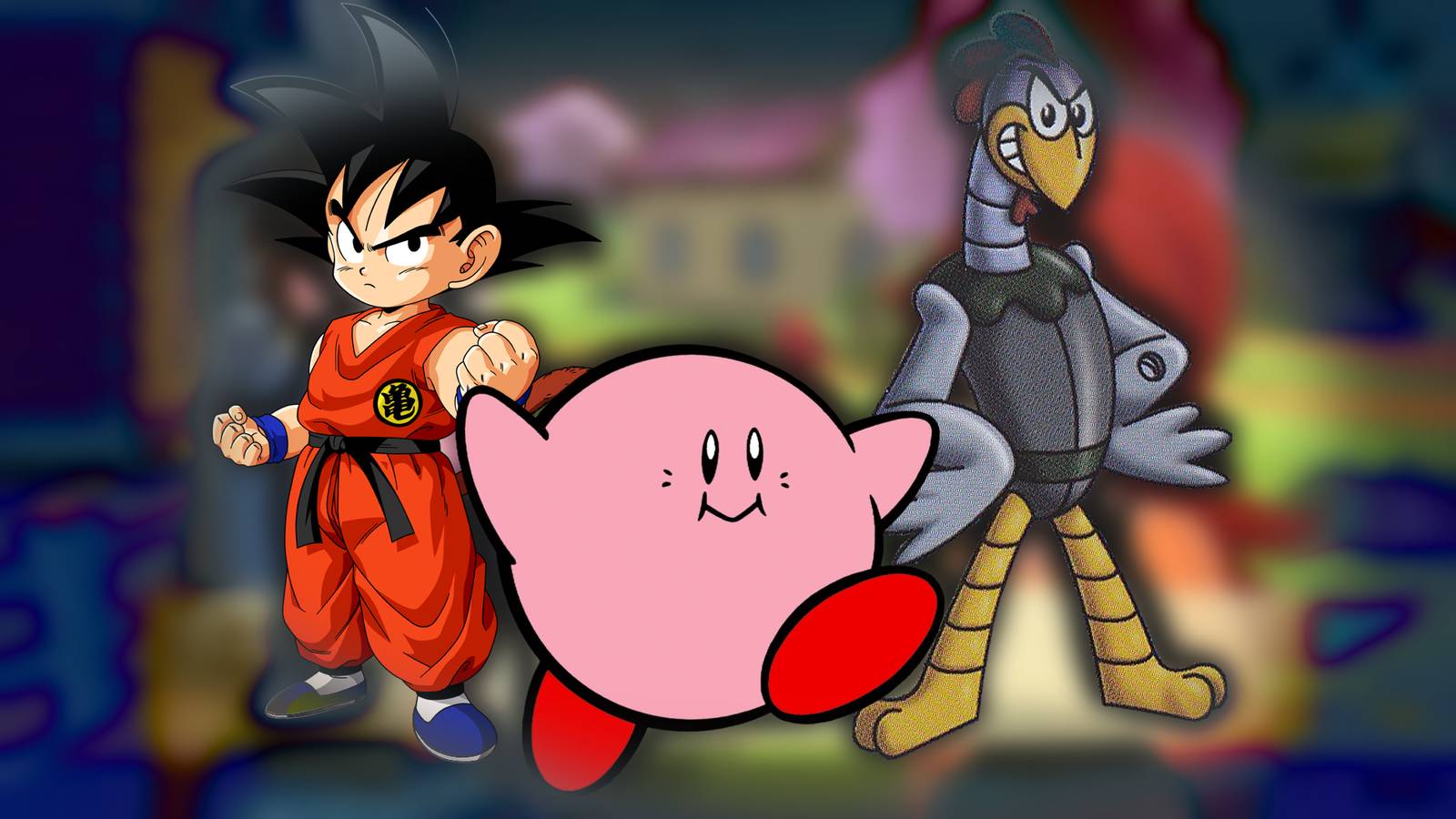
The Cultural Bridge: Why Localization Often Meant Transformation
Before the cultural barriers of the late 20th century were dismantled by the information age, American branches of companies like Nintendo and Sega acted as gatekeepers. Their mandate was to adapt Japanese products to suit Western tastes. This process, known as localization, occasionally crossed the line from translation into wholesale reinvention.
These decisions were rarely made for artistic reasons. Instead, they were driven by market research, fears of licensing conflicts, or the belief that the original Japanese IP was too niche to resonate with a mainstream Western audience. While some of these changes are now viewed as historical oddities, they played a massive role in shaping the childhoods of millions of gamers.

10. Dragon Power (Dragon Ball: Shenron no Nazo)
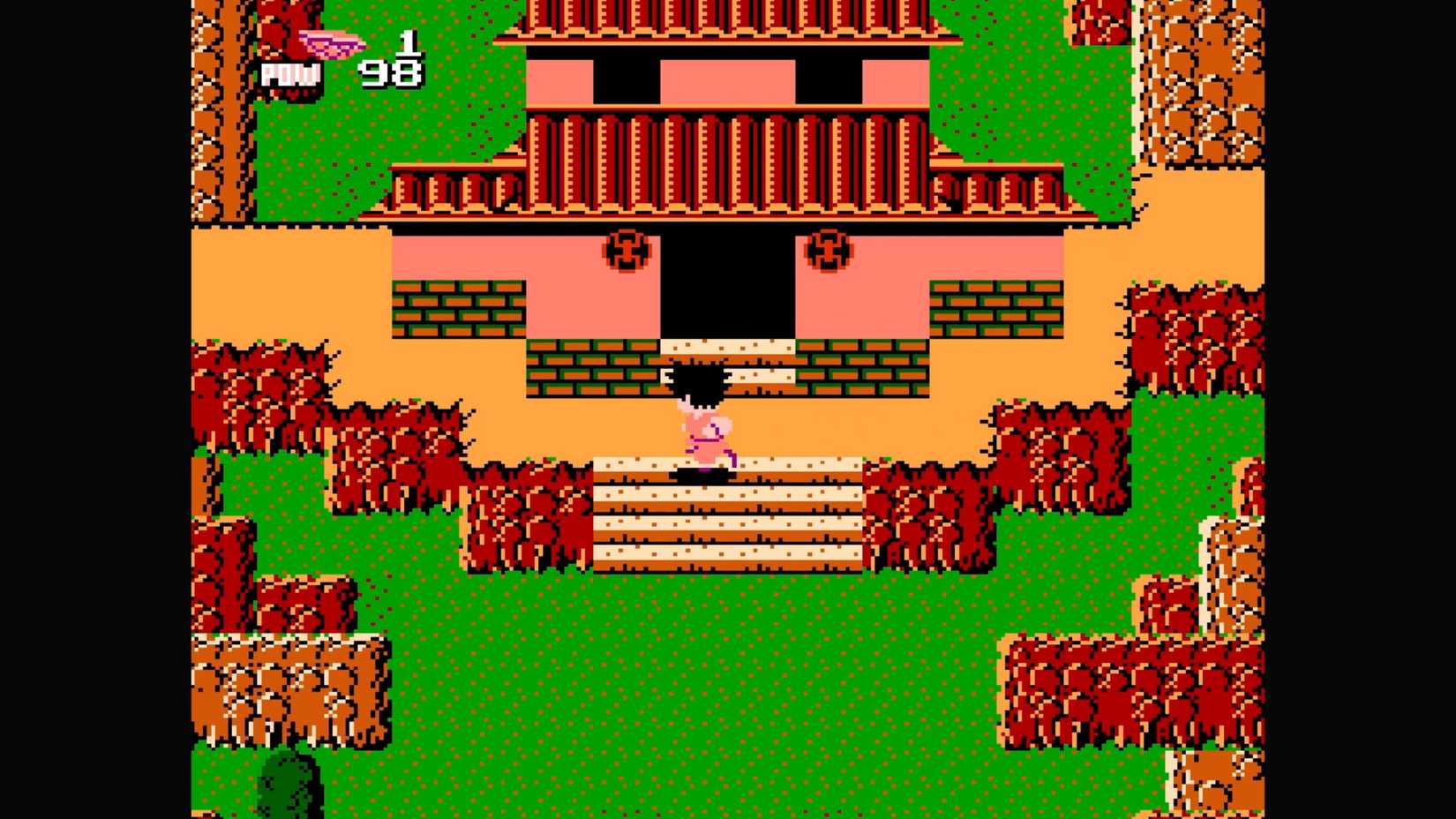
In the pantheon of anime-based games, the NES title Dragon Ball: Shenron’s Mystery (known in the West as Dragon Power) remains a fascinating case study in complete IP erasure. The original Japanese game was a faithful adaptation of the early Dragon Ball narrative, featuring Goku and his quest to gather the legendary Dragon Balls.
When it arrived in the U.S., every vestige of Akira Toriyama’s iconic franchise was stripped away. Goku became an anonymous, generic boy, and the "Dragon Balls" were renamed "Crystal Balls." This level of sanitization suggests that the publisher feared the Dragon Ball brand would be unrecognized or unmarketable in the American market of the late 80s, choosing instead to market it as a generic fantasy action title.
9. Last Battle: Legend of the Final Hero (Fist of the North Star)
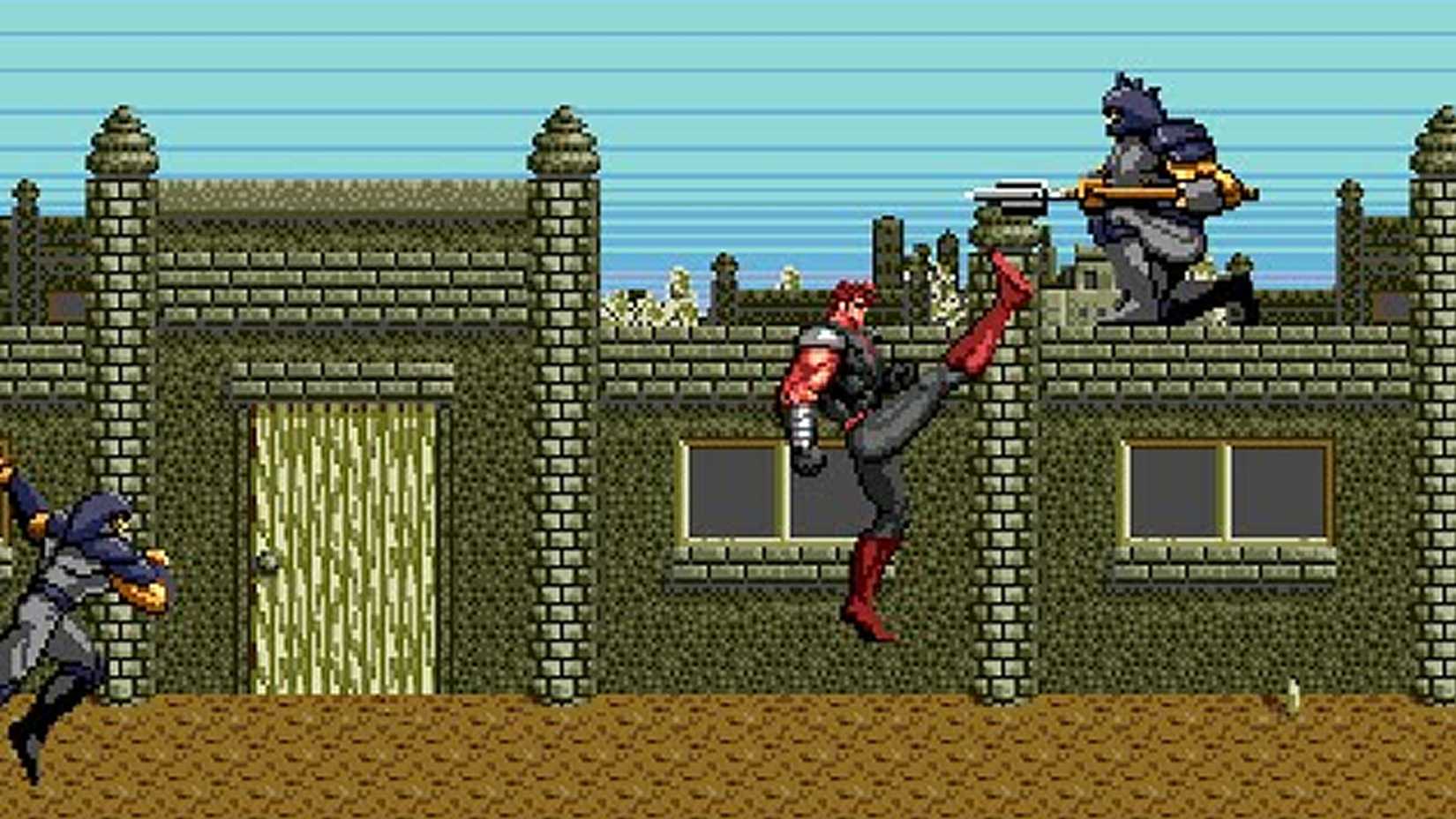
Fist of the North Star is legendary for its hyper-violence and post-apocalyptic aesthetic. When Sega brought the game to the Genesis in 1989, the company faced a dilemma: how to keep the game profitable while adhering to Western standards regarding gore.
The resulting product, Last Battle, saw every character renamed and all blood effects removed. Where gore could not be simply deleted, developers turned human enemies into "mutants." It was a classic example of "sanitization," where the core gameplay remained intact, but the narrative soul of the work was surgically removed to avoid controversy and rating issues.
8. Harvest Moon (Story of Seasons)
The Harvest Moon saga represents a unique case of a "brand divorce." For decades, Natsume Inc. handled the localization of the Japanese farming simulation series Bokujō Monogatari. When the developer, Marvelous Inc., decided to switch to its own subsidiary for global distribution, a legal standoff ensued.
Natsume retained the rights to the Harvest Moon name, forcing Marvelous to release their subsequent titles under the new brand Story of Seasons. This led to a bifurcated market where consumers were often confused by the name change, leading some to inadvertently purchase lower-quality titles that retained the legacy name, while the "true" series continued under a different banner.
7. Barver Battle Saga: Tai Kong Zhan Shi (Final Fantasy)
In the 1990s, the "bootleg" market was rampant, particularly in regions with loose copyright enforcement. Barver Battle Saga is a legitimately developed Taiwanese RPG that was, for all intents and purposes, a functional game. However, when it reached the Russian market, it was repackaged and sold as a Final Fantasy title—specifically, an unnumbered Final Fantasy X.
This was a cynical attempt to hijack the brand equity of Square’s massive RPG series to sell a lesser-known product. The translation was notoriously poor, likely machine-generated, and represents one of the most egregious examples of brand identity theft in the history of the medium.
6. Super Mario Bros. 2 (Doki Doki Panic)
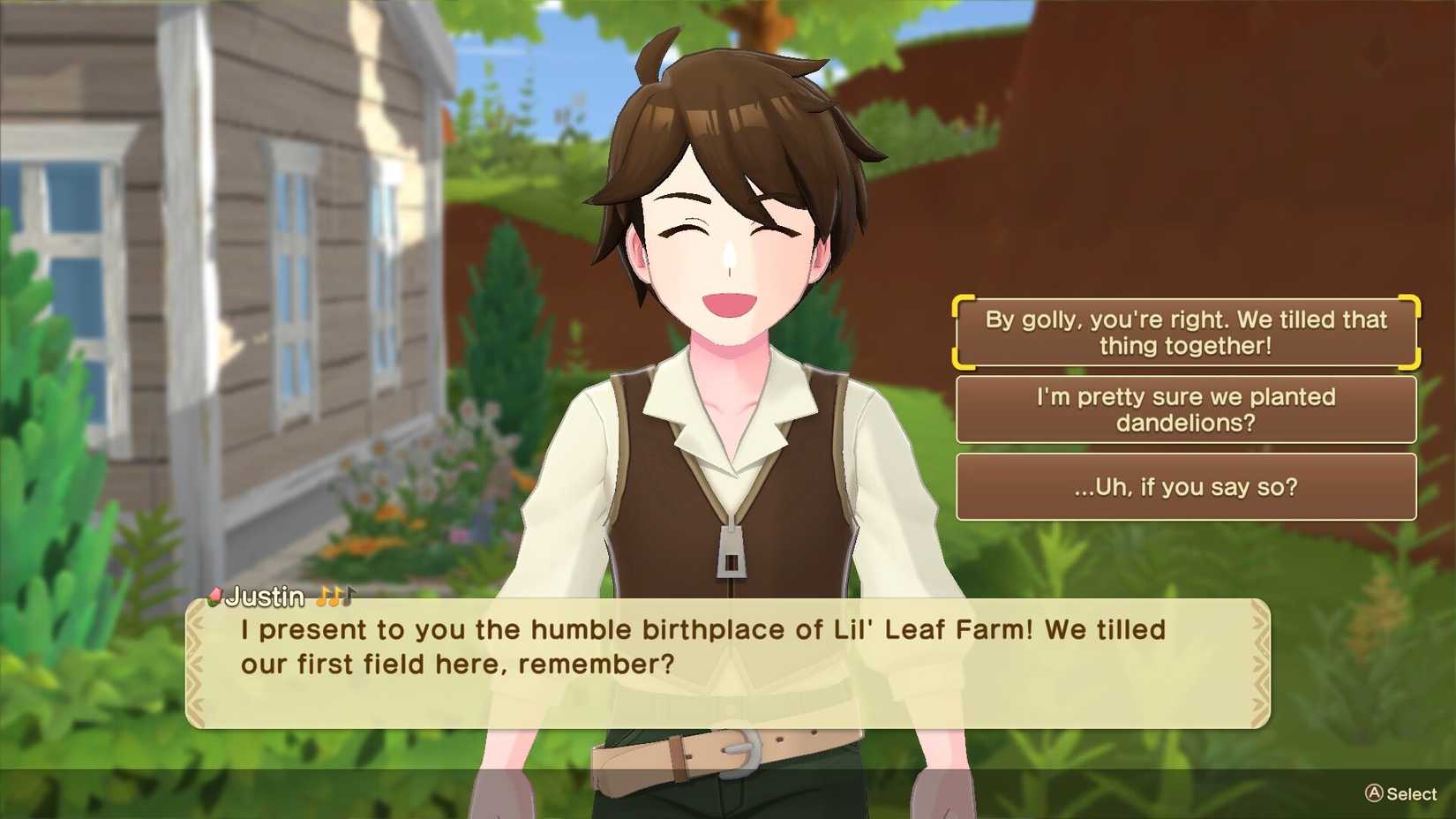
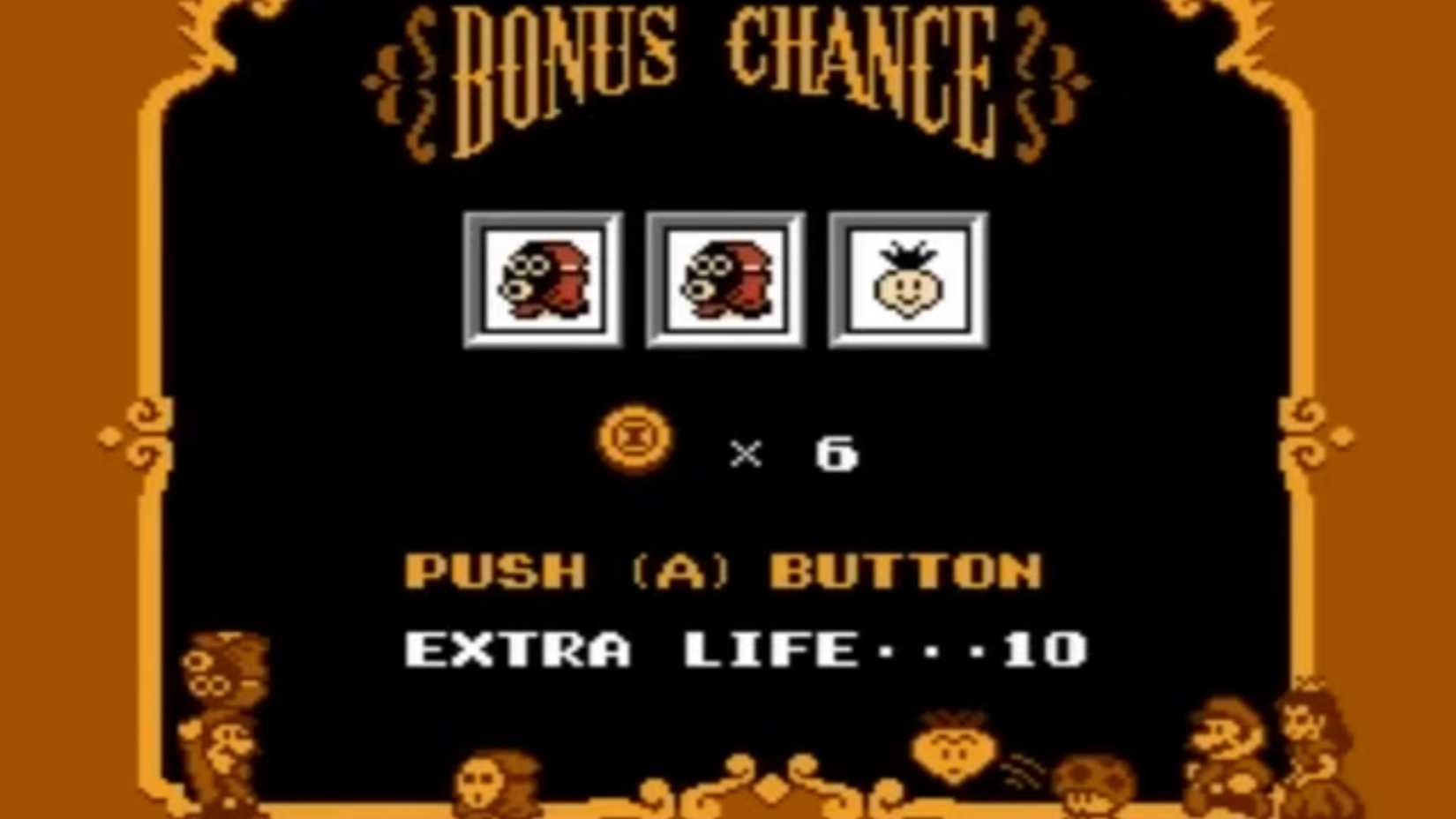
Perhaps the most famous example of a total rebrand, the North American Super Mario Bros. 2 is not a Mario game at all. It is a modified version of the Japanese game Yume Kōjō: Doki Doki Panic.
Nintendo of America deemed the actual Japanese sequel, Super Mario Bros.: The Lost Levels, too difficult for Western audiences. Rather than delay a release, they took Doki Doki Panic, swapped the sprites for Mario, Luigi, Peach, and Toad, and shipped it as the legitimate sequel. The move was so successful that characters like Birdo became permanent fixtures in the Mario canon, proving that a successful rebrand can eventually redefine a franchise’s identity.
5. Dr. Robotnik’s Mean Bean Machine (Puyo Puyo)
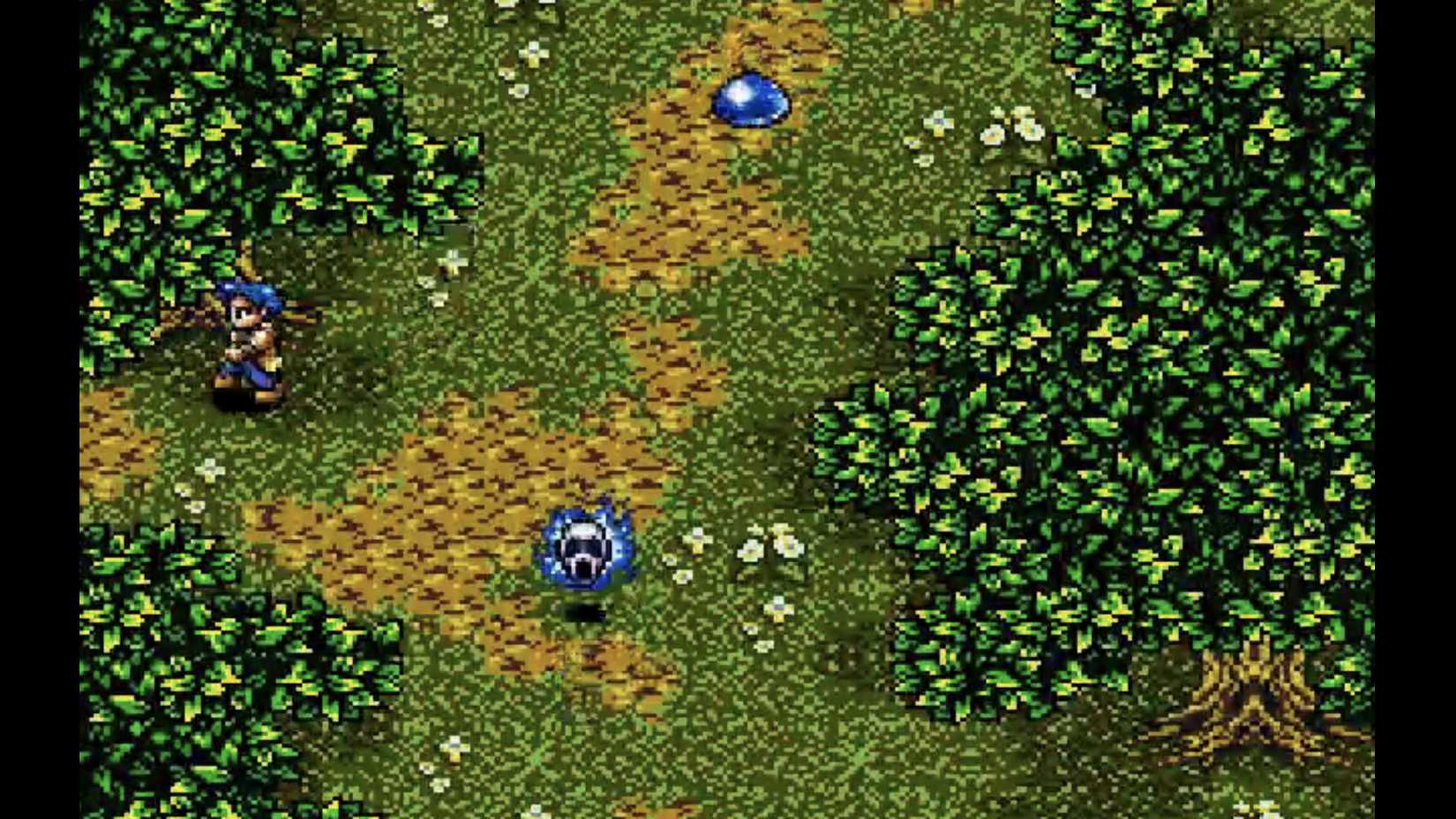
In the early 90s, Sega of America was hyper-focused on the Sonic the Hedgehog brand. When they wanted to bring the puzzle game Puyo Puyo to the West, they didn’t believe the cute, Japanese-centric aesthetic would appeal to the "cool" image they were building for the Sega Genesis.
The result was Dr. Robotnik’s Mean Bean Machine, which replaced the Puyo characters with the cast of the Adventures of Sonic the Hedgehog cartoon. It worked so well that the game is now considered a cult classic in the Sonic library, showcasing how a well-placed skin can successfully pivot a genre-niche game into a broader market.
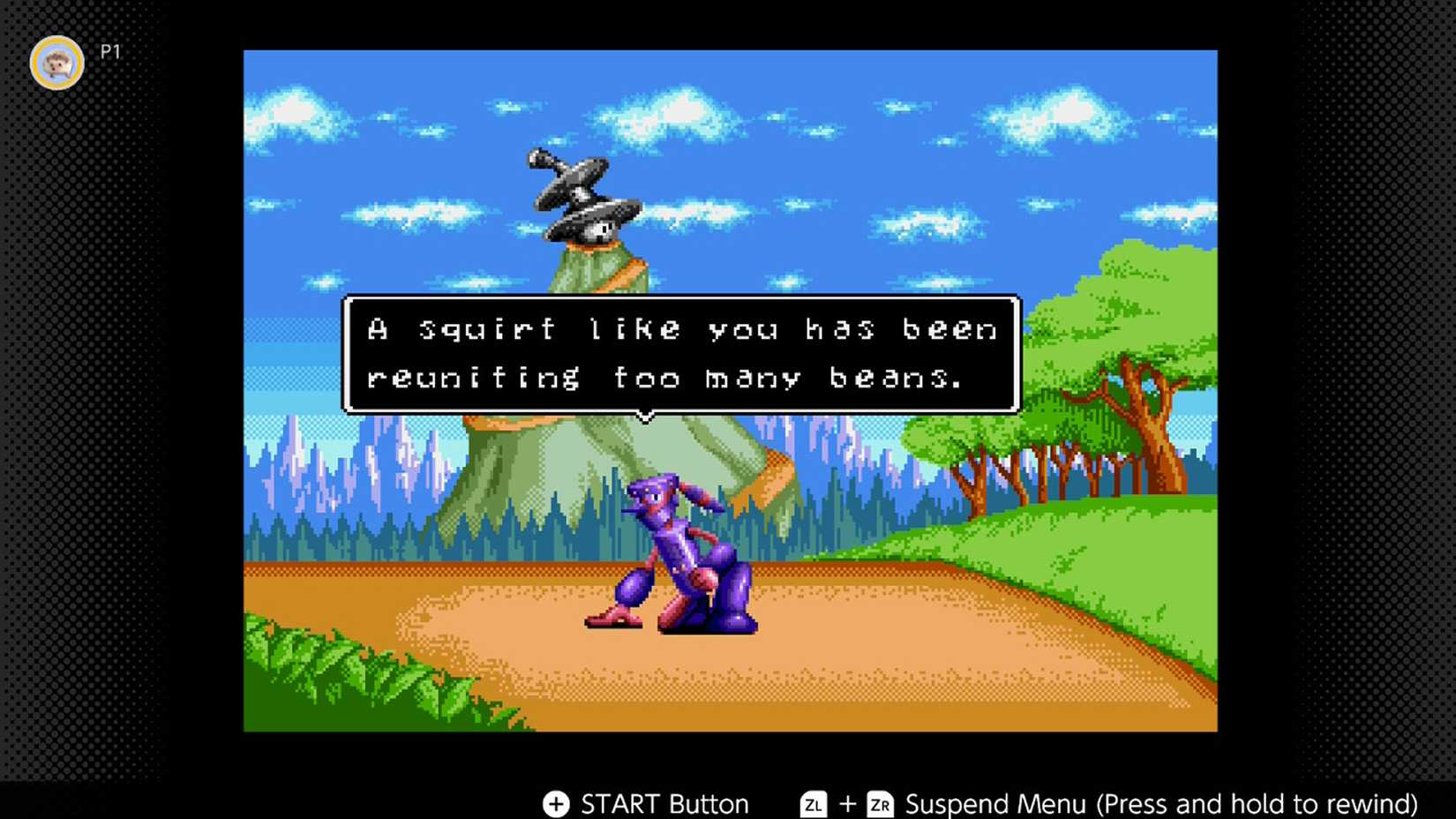
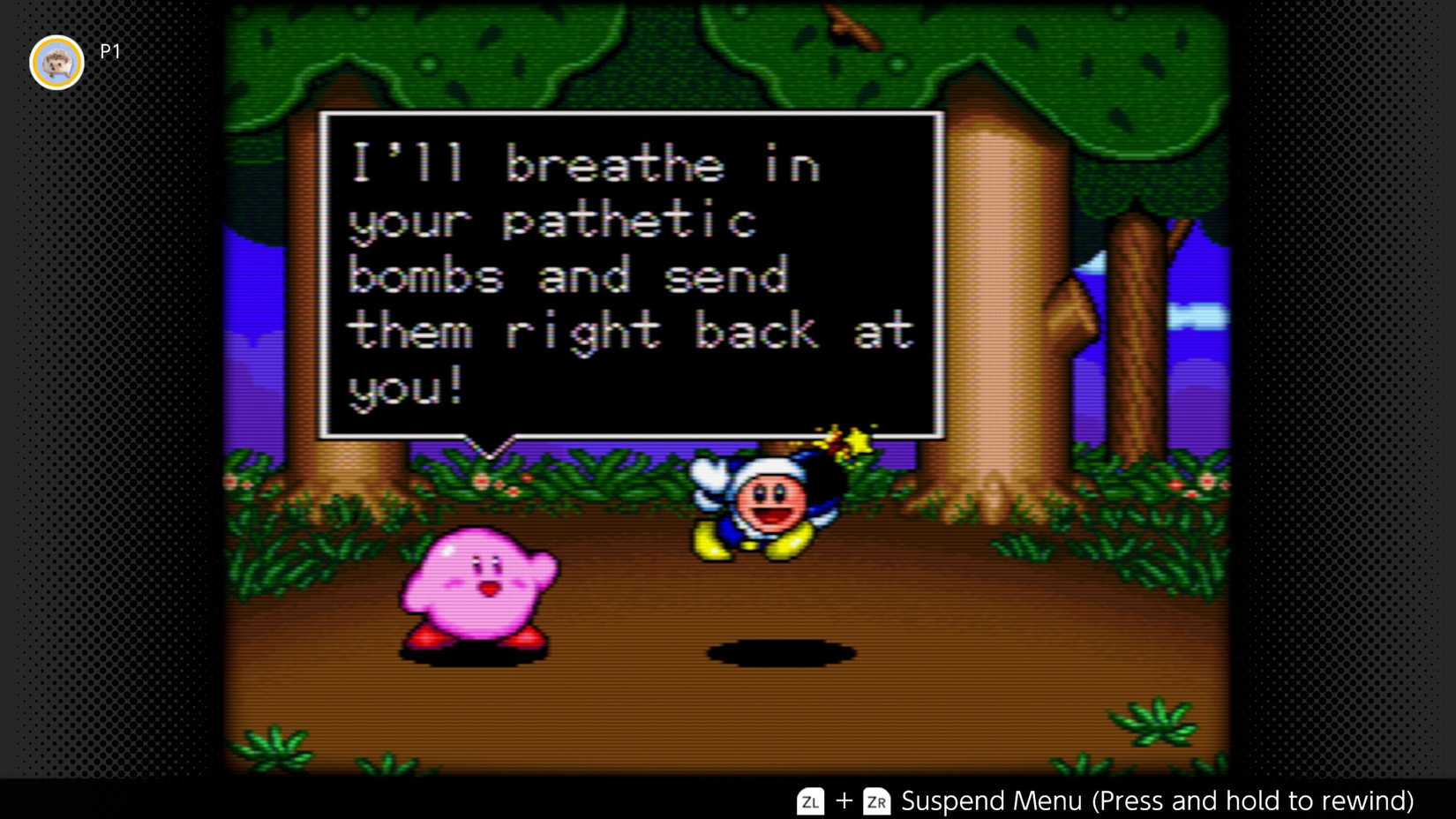
4. Kirby’s Avalanche (Super Puyo Puyo)
Following the success of the Sonic rebrand, Nintendo and Compile tried a similar strategy with the SNES version of Puyo Puyo. By injecting the Kirby franchise into the puzzle engine, they created Kirby’s Avalanche.
This title is particularly memorable for the bizarrely aggressive personality shift of the protagonist. While Kirby is traditionally known for his gentle demeanor, the localization team injected him with a heavy dose of sarcasm and trash-talking. It serves as a reminder that localization teams often took creative liberties that fundamentally altered the characterizations of the games they were adapting.
3. Tetris Attack (Panel de Pon)
Panel de Pon was a brilliant, magical-girl-themed puzzle game. Nintendo of America, convinced that the aesthetic would not appeal to American boys, decided to replace the cast with characters from the Yoshi universe.
The move was disastrously paired with the name Tetris Attack. Because the game had nothing to do with the actual Tetris franchise, the move drew the ire of The Tetris Company and confused consumers. It remains a cautionary tale of how licensing greed and marketing meddling can tarnish a perfectly good product.
2. The Final Fantasy Legend (Makai Toushi SaGa)
When the first SaGa game was released on the Game Boy, the publisher decided that the SaGa name meant nothing to Americans, but the Final Fantasy name meant everything. They rebranded the title as The Final Fantasy Legend.
While the game was a technical marvel for the handheld system, the move created a generation of players who were confused as to why this "Final Fantasy" game felt so different from the console installments. Despite this, the game was a critical hit, and it eventually spawned its own sub-series, proving that quality can often survive a clumsy marketing decision.
1. The New Adventures of Mary-Kate & Ashley (South Park)
The most jarring example of a rebrand involves a canceled South Park game. Development was nearly complete on a Game Boy Color South Park title, but the creators realized that marketing a show intended for adults to children via a handheld console was a public relations nightmare.
Rather than scrap the code, the publisher repurposed the entire engine and assets, slapping a generic Mary-Kate & Ashley license onto the product. The resulting game is a bizarre relic where the underlying mechanics remain, but the aesthetic is entirely incongruent with the source material, serving as a dark, humorous final entry in the history of desperate publishing pivots.

Implications for Modern Gaming
The era of the "disguised game" has largely passed. Today, a global audience expects to play the original, intended vision of a developer. However, the history of these ten titles highlights a pivotal time when the lines between art, licensing, and marketing were incredibly blurred. These games were not just products; they were experiments in cultural adaptation that forever changed the way we perceive global game development.

 Raul Delapena Setiawan
 Asro
Asro