

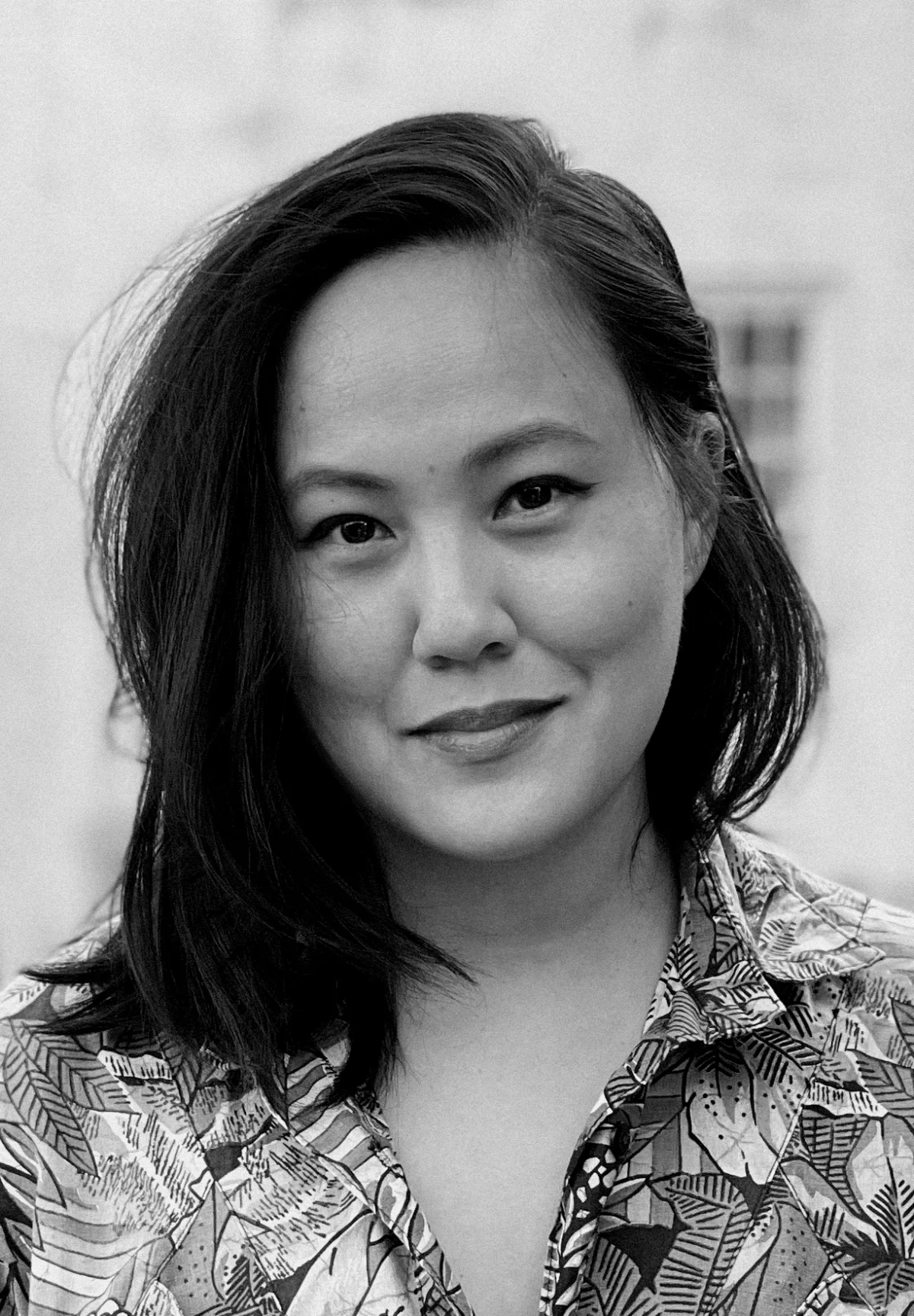
By Editorial Staff
May 20, 2026
In the landscape of contemporary children’s literature, few works capture the visceral intensity of childhood emotion quite like X. Fang’s latest triumph, Broken. Recently crowned the winner of the 2026 Children’s & YA Book Awards, the picture book has been lauded by critics and educators alike for its tender, nuanced exploration of guilt, honesty, and the transformative power of forgiveness. As the book earns its place on shelves and in the hearts of families worldwide, the author provides an exclusive glimpse into the philosophy that fueled this poignant narrative.
Main Facts: A Story of Fragility and Connection
Broken tells the deceptively simple story of a young girl named Mei Mei who accidentally shatters her ama’s (grandmother’s) favorite cup. What begins as a common domestic mishap evolves into a profound emotional journey. The narrative avoids the typical moralizing pitfalls of children’s literature; instead, it invites young readers to sit with the discomfort of a mistake and navigate the complex path toward restitution.
The book has already achieved significant critical acclaim, including being named a New York Times/New York Public Library Best Illustrated Children’s Book. The story is not merely about an object; it is a meditation on the concept of kintsugi—the Japanese art of repairing broken pottery with gold, treating breakage and repair as part of the history of an object rather than something to disguise. Through Mei Mei’s journey, readers learn that relationships, like porcelain, can be mended and become stronger for having been broken.
Chronology: From Frugal Roots to Award-Winning Fiction
The genesis of Broken lies deep in X. Fang’s own upbringing. The author recalls a childhood defined by the resourcefulness of her grandparents.
"Growing up, I watched my grandparents patch, repair, and reuse all sorts of things—even items that you would instinctually want to throw away," Fang explains. Her grandparents were not necessarily aware of the aesthetic philosophy of kintsugi; they were simply practical survivors of war and poverty. Their home was a gallery of "wonky-looking objects," each held together by humble, determined hands.
For years, these memories simmered in the back of Fang’s mind. The transition from memory to manuscript began with a single, clear premise: a girl breaks a cup, the grandmother and girl repair it, and the story concludes. However, as Fang began to draft the narrative, she found herself reconnecting with the "big feelings" of her own childhood. She recounted a specific memory of breaking her mother’s flower vase at age five—a moment that served as a catalyst for her exploration of the first time a child encounters the weight of consequences.

By 2025, the manuscript had taken its final shape, balancing the lighthearted humor of a clumsy child with the gravity of emotional growth. In early 2026, the book’s release was met with immediate enthusiasm, culminating in its prestigious win at the Children’s & YA Book Awards in May.
Supporting Data: The Impact of Narrative Emotional Intelligence
The success of Broken is reflective of a growing trend in children’s publishing: the "Emotional Intelligence Shift." Data from the past three years of children’s book sales indicates that titles focusing on social-emotional learning (SEL) and psychological development are outperforming traditional fables.
- Market Reception: Broken currently holds a top-tier sales ranking at major retailers, including Barnes & Noble.
- Critical Consensus: Educators have praised the book’s dialogue-driven approach, noting that it encourages children to verbalize feelings of shame—an emotion often overlooked in early childhood curriculum.
- Illustrative Excellence: The visual language of the book, which utilizes the aforementioned kintsugi aesthetic, has been cited by the New York Public Library as a masterclass in using negative space and visual metaphor to convey psychological states.
For young readers, the book provides a safe container to explore the feeling of "guilt"—a complex emotion that many children experience for the first time without having the vocabulary to address it.
Official Responses: Insights from the Author
In an exclusive essay accompanying the book’s victory, X. Fang reflected on the necessity of writing for a younger audience. "For grown-ups, life is somewhat predictable; we know what we should do, and for the most part, we know the outcomes of certain actions," Fang writes. "Kids, on the other hand, walk through the world with a newness and a genuine belief that things can go any which way. This is why I love writing for children—it challenges me to see the world as they see it."
Fang’s approach is deliberately humanizing. She does not paint the grandmother as a distant, perfect figure, nor the child as a villain. Instead, she presents them as collaborators in the act of healing. When asked about the importance of repairing rather than replacing, Fang noted, "In a time when it’s easier to replace rather than repair, I think we can all learn something from the fixers and surround ourselves with imperfect objects that have stories to tell."
Her work has been compared favorably to her previous hit, We Are Definitely Human, which similarly challenged the boundaries of perspective and empathy. Critics note that Fang’s voice has matured, moving from whimsical observation to a deeper, more philosophical inquiry into the nature of human error.
Implications: The Legacy of "Broken"
The implications of Broken extend beyond the bookshelf. By normalizing the "brokenness" of life, Fang provides a template for parents and caregivers to discuss difficult topics with children.

Teaching Honesty and Communication
The core lesson of the book—that honesty is the first step toward mending a broken bond—is particularly salient in modern parenting. In an age of digital distraction, the slow, intentional act of gluing a cup back together serves as a powerful metaphor for repairing trust.
A Shift in Aesthetic Values
Furthermore, the book is influencing the way children perceive beauty. By celebrating the gold-filled cracks of the cup, Fang is introducing a generation to the idea that trauma and mistakes are not flaws to be hidden, but essential components of an individual’s narrative.
Future Prospects
With the award win, Broken is expected to be adopted into various school library systems and early-education programs across the country. Publishers have already noted an uptick in interest for similar "slow-paced, high-emotion" picture books, suggesting that Fang’s influence will be felt in the industry for years to come.
As X. Fang concludes, the goal of the book is simple yet ambitious: "I hope Broken makes kids laugh, but I also hope it gives them an opportunity to talk about the big feelings brewing within their little selves. I hope Broken reminds grown-ups of their own childhood experiences grappling with inner conflict, and helps them see the kids in their life in a renewed light."
Ultimately, Broken is more than a story about a shattered cup. It is an invitation to embrace the cracks in our own lives, to own our mistakes, and to recognize that the process of repair is, in itself, a beautiful and necessary act of love. Whether you are a parent, an educator, or simply a reader looking for a story that resonates with the complexities of the human condition, Broken offers a rare, golden-filled perspective that reminds us that we are all, in our own ways, works in progress.











No comments yet. Be the first to join the conversation!