Siti Muinah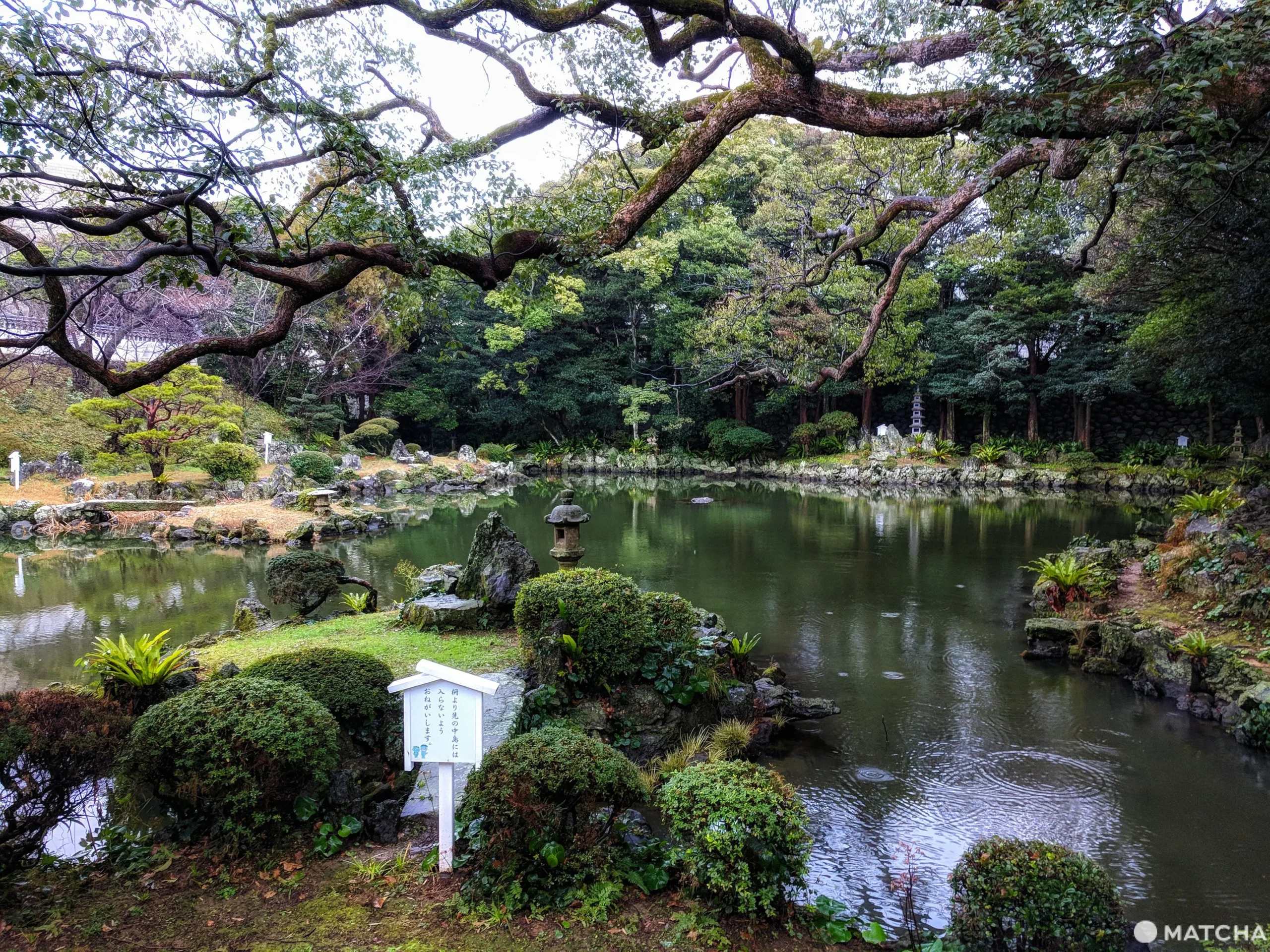
In the far western reaches of the East China Sea, where the rugged coastline of Kyushu yields to the vast Pacific, lies the Goto archipelago. Comprised of approximately 152 islands, with the five major hubs of Fukue, Nakadori, Naru, Wakamatsu, and Kuga forming its heart, Goto City represents a destination of profound contradictions. It is a place where volcanic cliffs meet emerald waters, and where the silence of hidden Christian history resonates louder than the hum of Japan’s urban centers. For the modern traveler, the Goto Islands offer more than just a getaway; they offer a return to a slower, more deliberate pace of life.
Main Facts: The Geography and Soul of the Archipelago
The Goto Islands are geographically isolated, situated roughly 100 kilometers west of Nagasaki City. This isolation has acted as a time capsule, preserving landscapes and cultural practices that have largely vanished from the mainland. The islands are characterized by a dramatic topography shaped by ancient volcanic activity, featuring sweeping cliffs, hidden coves, and pristine, turquoise-hued beaches.
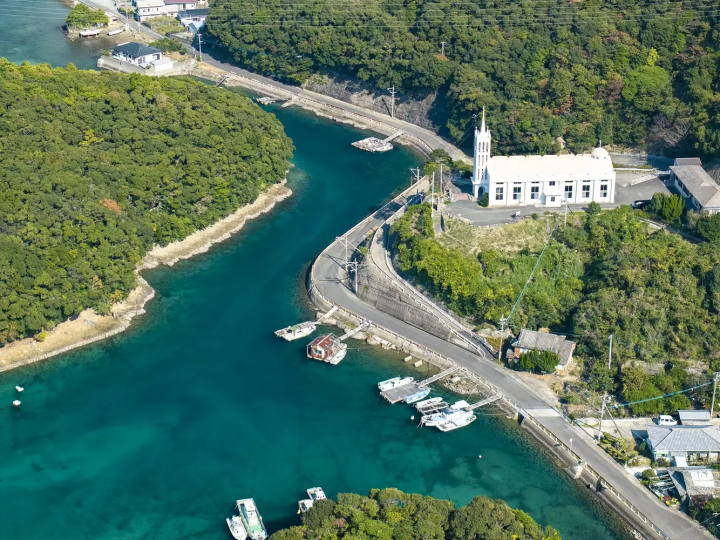
The climate is temperate, influenced heavily by the surrounding warm currents of the East China Sea. This environment has fostered a unique culinary culture, with the islands being particularly famous for "Goto Udon"—silky, hand-stretched noodles seasoned with local camellia oil—and the highly prized, marbling-rich Goto Beef. Perhaps most significantly, the islands served as a sanctuary for "Hidden Christians" (Kakure Kirishitan) during the centuries when the religion was strictly prohibited in Japan. Today, these sites are recognized by UNESCO, weaving a tapestry of faith and architecture that draws pilgrims and history enthusiasts from across the globe.
A Chronological Journey Through Goto’s History
To understand the Goto Islands is to understand the layers of history that define them.

- 16th Century: Christianity is introduced to the region by Jesuit missionaries.
- 1603–1868 (Edo Period): The Tokugawa Shogunate enforces a total ban on Christianity. The Goto Islands become a primary refuge for converts who practice their faith in secret, developing unique syncretic traditions.
- 1873: The ban on Christianity is officially lifted, allowing for the public construction of churches.
- 1908: The construction of the iconic Dozaki Catholic Church is completed, marking a new era of religious freedom.
- 1991: The Former Goto Lord’s Residence and Garden is designated a National Place of Scenic Beauty, recognizing the significance of the samurai-era architecture.
- 2018: Several "Hidden Christian" sites within the archipelago are inscribed as UNESCO World Heritage sites, cementing Goto’s place on the global cultural map.
Supporting Data: Why Goto is a Must-Visit Destination
For those prioritizing aesthetics and nature, the archipelago offers world-class sites that remain remarkably uncrowded compared to Japan’s mainland tourist traps.
1. Osezaki Lighthouse: The Western Frontier
Standing within the boundaries of Saikai National Park, the Osezaki Lighthouse is more than a navigational tool; it is a symbol of Japan’s westernmost boundary. Since its reconstruction in 1971, the stark white tower has served as a contrast to the jagged, dark volcanic rock of the cliffs. It is widely regarded as one of the most spectacular sunset spots in the country, where the light hits the water at the last possible moment in the region.

2. Takahama Beach: A Natural Masterpiece
Takahama Beach is consistently ranked among the top 100 beaches in Japan. Its 800-meter stretch of silver-white sand is pristine, owing to strict local preservation efforts. The water undergoes a visual transformation throughout the day, shifting from a brilliant light blue to a deep, mesmerizing indigo. It serves as a testament to the archipelago’s commitment to maintaining its natural ecosystem.
3. The Former Goto Lord’s Residence and Garden
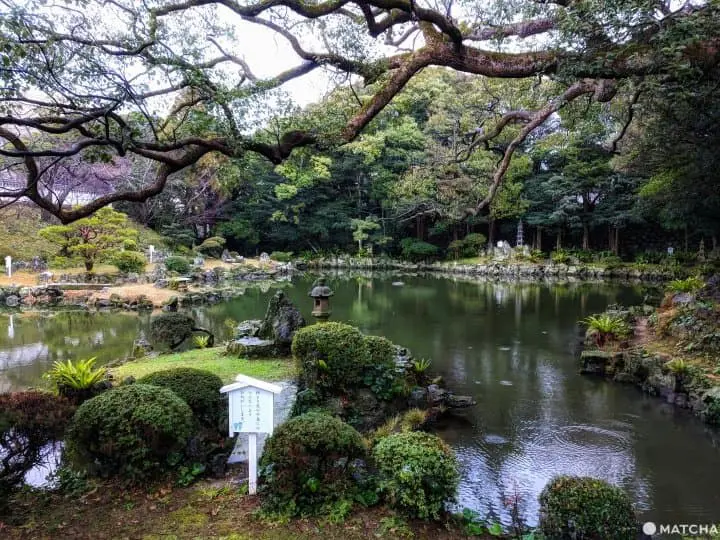
This site provides a glimpse into the life of the Goto clan, who ruled the region for generations. The garden is centered on a "heart-shaped" pond (Shinji ga Pond) and features an 800-year-old camphor tree. The garden is intentionally designed with 36 stones shaped like turtles, a clever aesthetic flourish that reflects the sophistication of samurai-era landscape architecture.

4. Nizo Yamamoto Comic Art Museum
Located in the historic Matsuzono-tei (a samurai residence from 1863), this museum celebrates the work of Nizo Yamamoto, the art director for Studio Ghibli classics such as Princess Mononoke and Grave of the Fireflies. The museum effectively bridges the gap between historical preservation and modern pop culture, showcasing the influence of Goto’s natural scenery on world-renowned animation.
5. Dozaki Catholic Church
This church is the physical manifestation of the end of the prohibition era. Built with Italian materials in 1908, it is a testament to the resilience of the community. Today, it functions as a museum, preserving the documents and artifacts of a people who clung to their beliefs through centuries of persecution.

6. Nordisk Village Goto Islands
Representing the new wave of tourism, this glamping site is the first of its kind in Asia operated by the Scandinavian brand Nordisk. By renovating old school buildings and pairing them with high-end luxury tents, the village provides a model for sustainable, low-impact tourism that respects the island’s heritage while catering to modern comfort seekers.
Official Responses and Strategic Initiatives
The Nagasaki Prefectural Tourism Federation has been instrumental in promoting the Goto Islands as a "slow tourism" destination. Official statements from the local government emphasize a balance between economic development and environmental stewardship. "We are not looking for mass tourism," says a spokesperson from the Goto City Tourism Association. "Our goal is to attract visitors who appreciate the depth of our history, the quality of our local produce, and the fragility of our natural environment."

The promotion of the UNESCO World Heritage sites has been paired with infrastructure improvements, such as the 85-minute high-speed jetfoil service from Nagasaki City. However, officials maintain that the "slow living" philosophy remains the primary draw. The government is actively encouraging "workation" (work-vacation) models, where digital nomads can rent out traditional houses, further integrating new arrivals into the local community.
The Implications: A Model for Sustainable Tourism
The Goto Islands offer a compelling case study for the future of travel in Japan. As the mainland faces the pressures of "over-tourism," remote regions like Goto provide an alternative that is economically sustainable and culturally enriching.
Economic Impact
The shift toward high-value, low-impact tourism—exemplified by luxury glamping and curated historical tours—has created new revenue streams for local farmers, fishermen, and artisans. By focusing on premium products like Goto Beef and local camellia oil, the islanders are able to maintain a standard of living that does not rely on the degradation of their environment.
Cultural Preservation
The integration of anime art, samurai history, and Christian heritage creates a multidimensional identity. This protects the local culture from being hollowed out; instead of becoming a "theme park" version of itself, Goto remains a living community where the residents are the primary stewards of the heritage on display.

Recommendations for the Modern Traveler
To truly experience the archipelago, one must shed the frantic pace of urban life. Renting a car is essential, as the islands are expansive and public transport is infrequent. Visitors should prioritize a minimum stay of three days: one day for the historical churches and museums, one day for the coastal nature and beaches, and one day dedicated purely to culinary exploration.
As Japan looks toward the future, the Goto Islands stand as a beacon of what is possible when a region chooses to honor its past while thoughtfully embracing the future. Whether you are seeking the solace of a centuries-old church, the thrill of a sunset over a volcanic cliff, or the quiet comfort of a luxury tent beneath the stars, the Goto Islands are ready to welcome you to their shore.

For more information on planning your trip, visit the Goto City Tourism Association.


 Neng Nana
 Asro
Asro