Asep Darmawan
Since its highly anticipated launch on October 30, 2025, ARC Raiders has stood as a formidable contender in the competitive landscape of extraction shooters. Developed by Embark Studios, the title promised a visceral, high-stakes experience set against a backdrop of encroaching robotic threats. While the game has garnered a dedicated player base and positive critical reception, the post-launch period has been defined by a grueling, behind-the-scenes struggle. Despite overcoming initial technical hurdles, the development team is currently locked in an escalating conflict with two persistent adversaries: sophisticated hackers and systemic item duplicators.
The State of the Game: A Community Under Siege
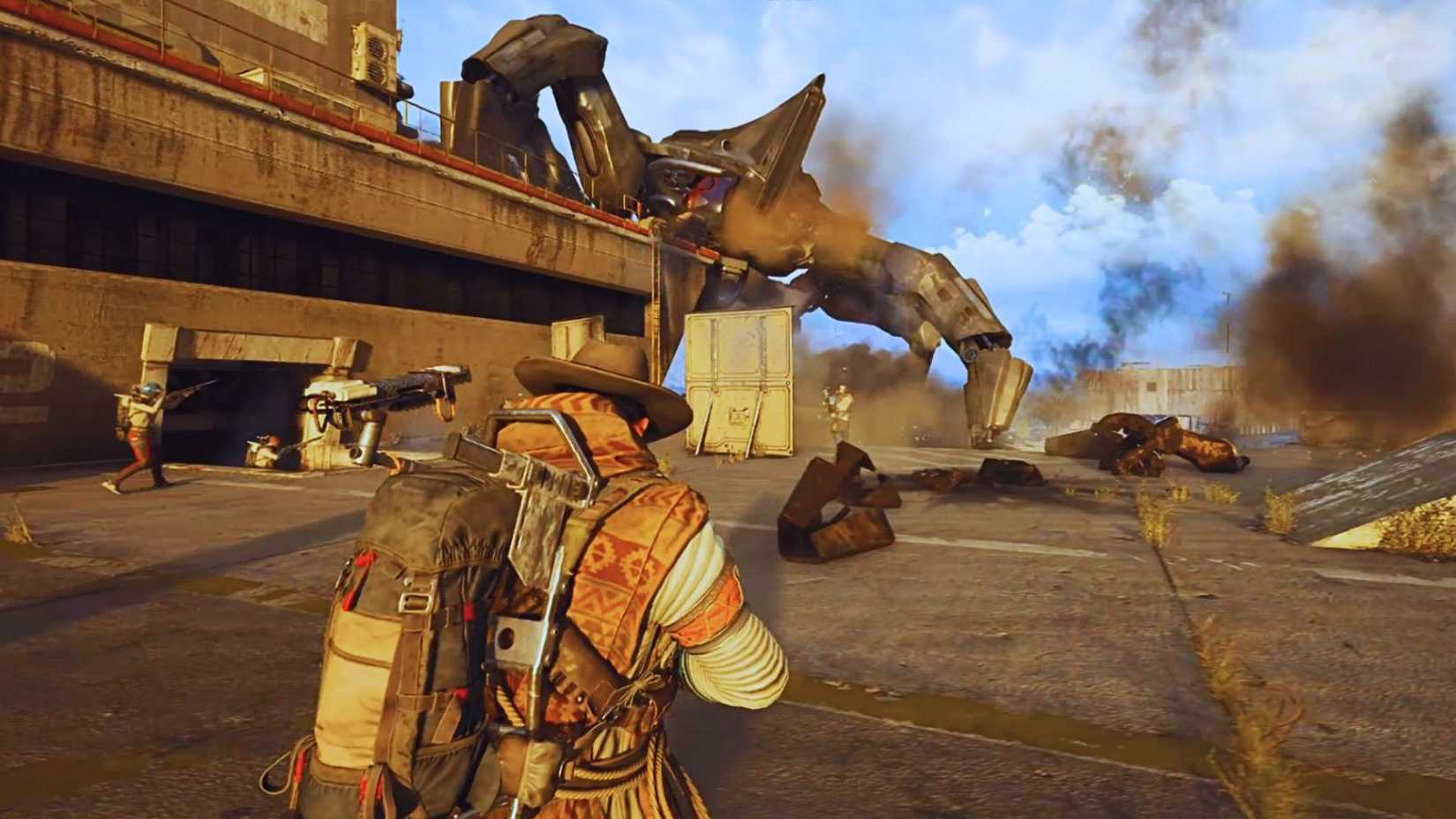
The core appeal of ARC Raiders lies in its high-risk, high-reward extraction mechanics. Players venture "topside" to scrounge for resources, battling both AI-controlled ARCs and rival human scavengers. However, this delicate ecosystem is currently being destabilized by malicious actors.
Item duplication exploits have allowed unscrupulous players to replicate the most powerful gear in the game—including rare weapons and essential explosives—with near-total ease. This has created a flooded "black market" economy where high-tier equipment, which is intended to be earned through grit and tactical skill, is being sold for real-world currency. For the average player, this undermines the game’s sense of progression. When a player spends hours carefully curating a loadout only to be wiped out by someone wielding cheap, duplicated, or illicitly obtained hardware, the frustration is palpable.
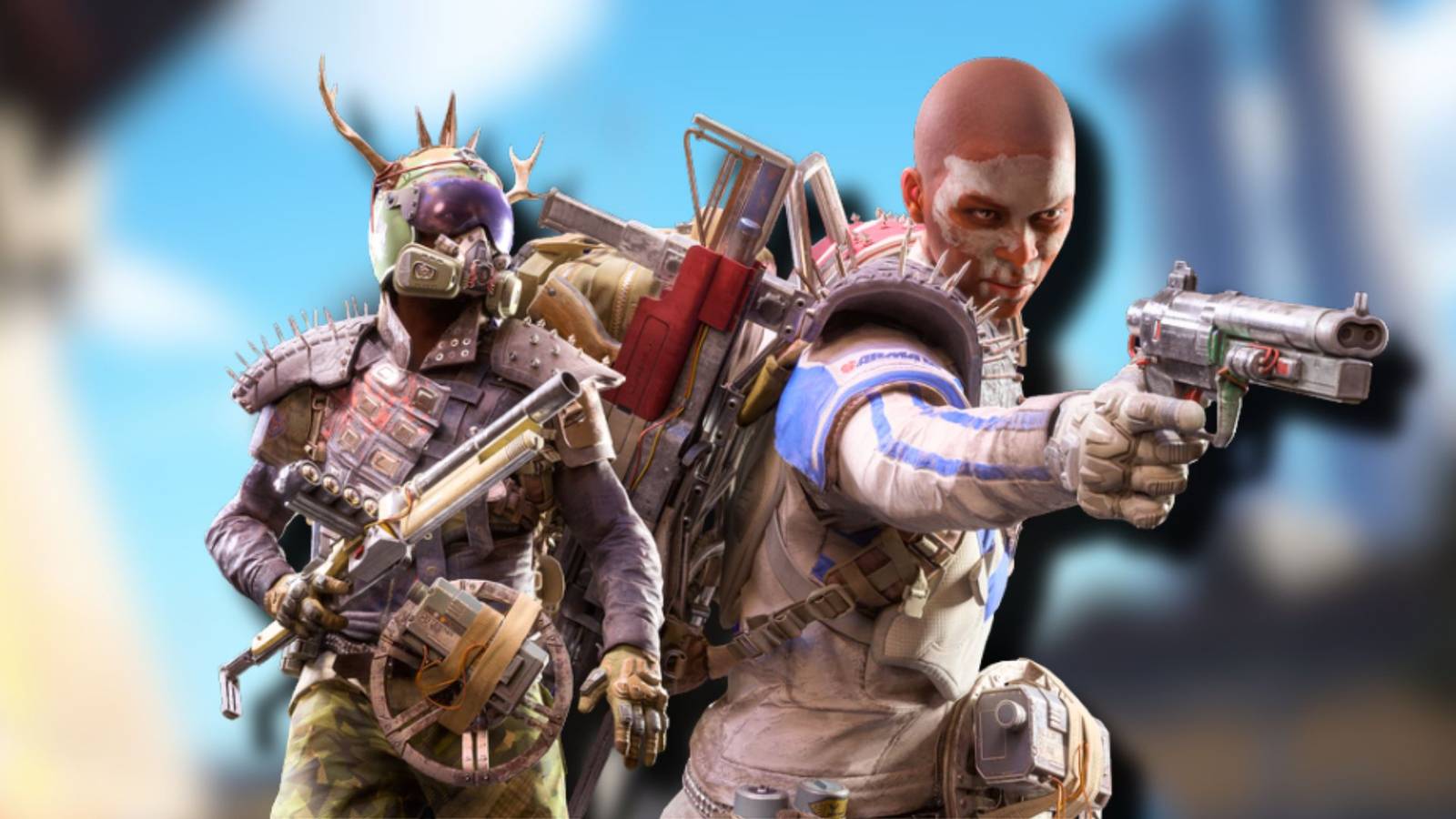
Simultaneously, the game’s competitive integrity is being challenged by third-party cheat software. These tools, which provide unfair advantages such as aimbots and wall-hacks, have forced Embark Studios to take drastic, often controversial, measures to protect the sanctity of the experience.
Chronology: From Launch to Update 1.33.0
The timeline of ARC Raiders since its late 2025 debut has been a whirlwind of rapid iteration. Following the initial launch, the developers focused on server stability and basic bug-fixing. By early 2026, it became clear that the game’s infrastructure was being targeted by more than just standard bugs.
- Q4 2025: ARC Raiders launches. Players quickly discover the first wave of minor exploits, though the severity is initially manageable.
- Q1 2026: Reports of systemic item duplication begin to surface. Community forums and social media channels become inundated with complaints regarding "infinite resource" glitches.
- May 2026: Embark Studios announces the integration of Denuvo Anti-Cheat, a move that draws a polarized response from the community due to concerns regarding system performance and privacy.
- June 16, 2026: Update 1.33.0 is deployed. This patch represents the most significant shift in game philosophy yet, introducing "No Free Loadout" restrictions for specific game modes.
The "No Free Loadout" Paradigm Shift
With the release of Update 1.33.0, Embark Studios has introduced a tactical pivot designed to preserve the integrity of high-value game modes. The "No Free Loadout" requirement—currently active for the "Night Raid" and "Close Scrutiny" map conditions—forces players to bring their own hard-earned gear into the field.

This change serves a dual purpose. Primarily, it acts as a gatekeeping mechanism that prevents "leeching." Previously, players would drop into high-stakes PvE scenarios with free, default loadouts, effectively contributing nothing to the co-operative effort. These players often acted as "vultures," waiting for more equipped teammates to fall in battle before swooping in to steal their high-tier weaponry. By mandating a gear requirement, Embark ensures that every participant has "skin in the game."
The developers have indicated that this experiment may be expanded to include the "Matriarch" and "Queen" event modes in the coming weeks. If successful, this could pave the way for a more robust "gear-score" matchmaking system, effectively segmenting the player base to ensure that encounters remain challenging and fair.
Official Responses and Tactical Adjustments
The discourse surrounding these changes is heavily influenced by the candid communication from Embark Studios. Regarding the ongoing battle against item duplication, the development team has issued a stern message to the community:

"We’ve been focusing on addressing item duplication and taking strict measures against those involved. This means carefully detecting incidents, addressing them directly, and building safeguards to prevent them from happening in the future. It’s detailed, methodical work, and we truly appreciate your patience while we see it through."
This methodical approach is mirrored in their stance on anti-cheat. While acknowledging that Denuvo Anti-Cheat is not a silver bullet, Embark has confirmed that they are scaling up their implementation. They maintain that the inclusion of such software is strictly for the purpose of ensuring competitive fairness, rather than as a form of invasive digital rights management (DRM).
The team also recognizes that the transition to a slower content cadence—shifting from monthly updates to major biannual content drops—has been difficult for the player base to adjust to. "We know that this quieter period is taking some getting used to," the developers noted in their latest patch briefing. "The balance for us is providing content in the short term through Projects and Events, and building something truly substantial for October, and then every six months beyond."

The Implications: What This Means for the Future of ARC Raiders
The decision to limit free loadouts and tighten anti-cheat measures has profound implications for the long-term health of ARC Raiders. By prioritizing the "hardcore" extraction experience over casual accessibility in specific modes, Embark is signaling a clear vision: they want ARC Raiders to be a game defined by player agency and consequence.
The Economic Impact
The crackdown on item duplication is not just a technical necessity; it is an economic one. An extraction shooter relies on the scarcity of its items to maintain player motivation. If the market is flooded with duplicated, cheap gear, the incentive to participate in high-risk runs diminishes. By cleaning up the game’s economy, Embark is attempting to restore the "value" of the player’s time.
The Community Sentiment
There is a clear divide in the community. On one side are the veterans who support the increased barrier to entry, arguing that it removes the "tourists" who ruin the experience for serious squads. On the other are newer or more casual players who worry that these changes make the game too punishing. The upcoming weeks, as the "No Free Loadout" restriction undergoes its trial period, will be critical. If the player count remains stable or grows, it will validate the developer’s move toward a more gated, high-skill environment.
The "Forgotten Relics" and Beyond
To offset the intensity of these changes, the 1.33.0 update also launched the "Forgotten Relics" event. This content-focused addition allows players to hunt for unique tokens and gameplay items, while the "Converging Paths" project provides a cosmetic outlet for players to showcase their achievements. These additions are vital; they provide a "carrot" to the "stick" of the new gear requirements, giving players tangible goals to work toward as they navigate the game’s more restrictive modes.
Conclusion
ARC Raiders finds itself at a defining crossroads. The technical challenges posed by cheaters and dupers have tested the resolve of both the development team and the community. However, the proactive, albeit firm, stance taken by Embark Studios in Update 1.33.0 suggests a commitment to the long-term vision of the project.
By forcing players to bring their own equipment to the most challenging encounters, Embark is effectively raising the stakes and rewarding those who invest time into the game’s progression loop. While the transition to a six-month major update cycle may feel like a cooling-off period, the developer’s focus on "building something truly substantial" indicates that they are playing the long game.

For the dedicated Raider, the path ahead is clear: the surface is dangerous, the stakes are higher than ever, and only those who adapt to the new, stricter rules of engagement will survive the encroaching robotic apocalypse. Whether this strategy will lead to a surge in player retention remains to be seen, but for now, the war for the integrity of ARC Raiders is being waged with more precision and resolve than ever before.


 Raul Delapena Setiawan
 Asro
Asro