Basiran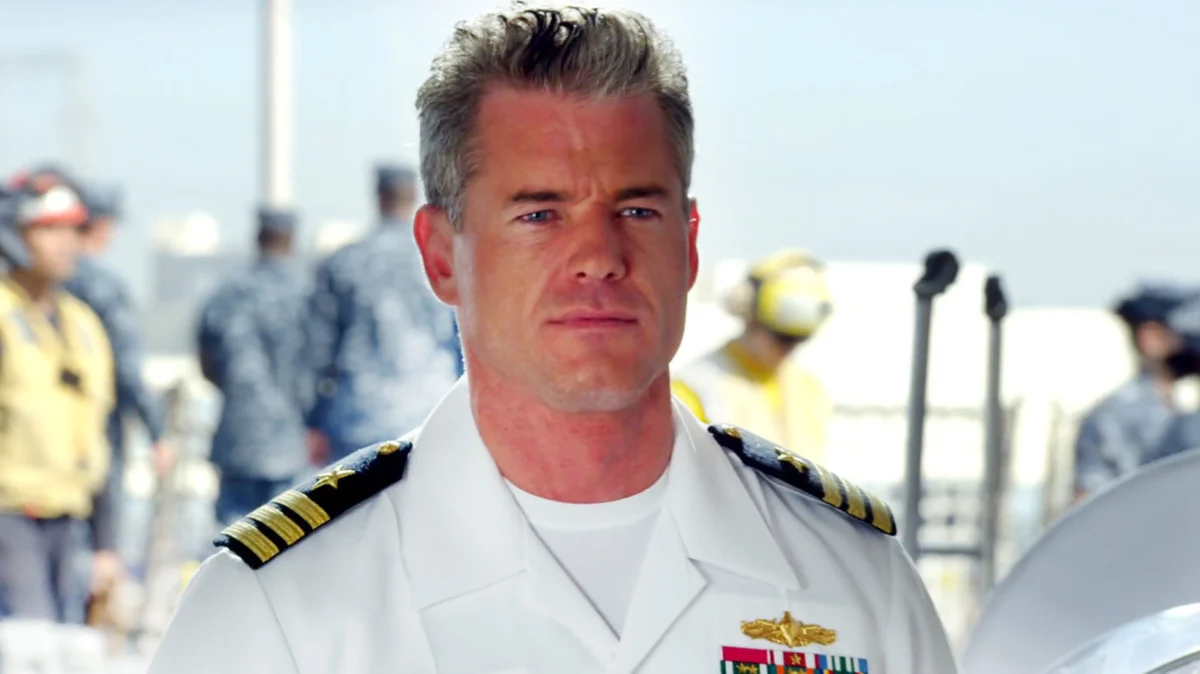
In an era defined by the “tyranny of choice”—where streaming platforms offer a bottomless abyss of content—it is easy for even the most high-octane dramas to vanish into the digital ether. Yet, every so often, a hidden gem is dredged up from the depths of the streaming archive, finding a massive new audience years after its original broadcast. This is precisely the case for the military action-drama The Last Ship, which has recently staged an impressive comeback, dominating Netflix’s top charts and reminding audiences of the visceral, high-stakes storytelling that once made it a cable powerhouse.
Main Facts: A Global Phenomenon Reborn
The Last Ship, which originally aired on TNT from 2014 to 2018, follows the crew of the USS Nathan James, a fictional Arleigh Burke-class guided-missile destroyer. The premise is as chilling as it is compelling: following a global pandemic that obliterates over 80% of the human population, the ship’s 218 crew members find themselves among the few remaining bastions of hope.
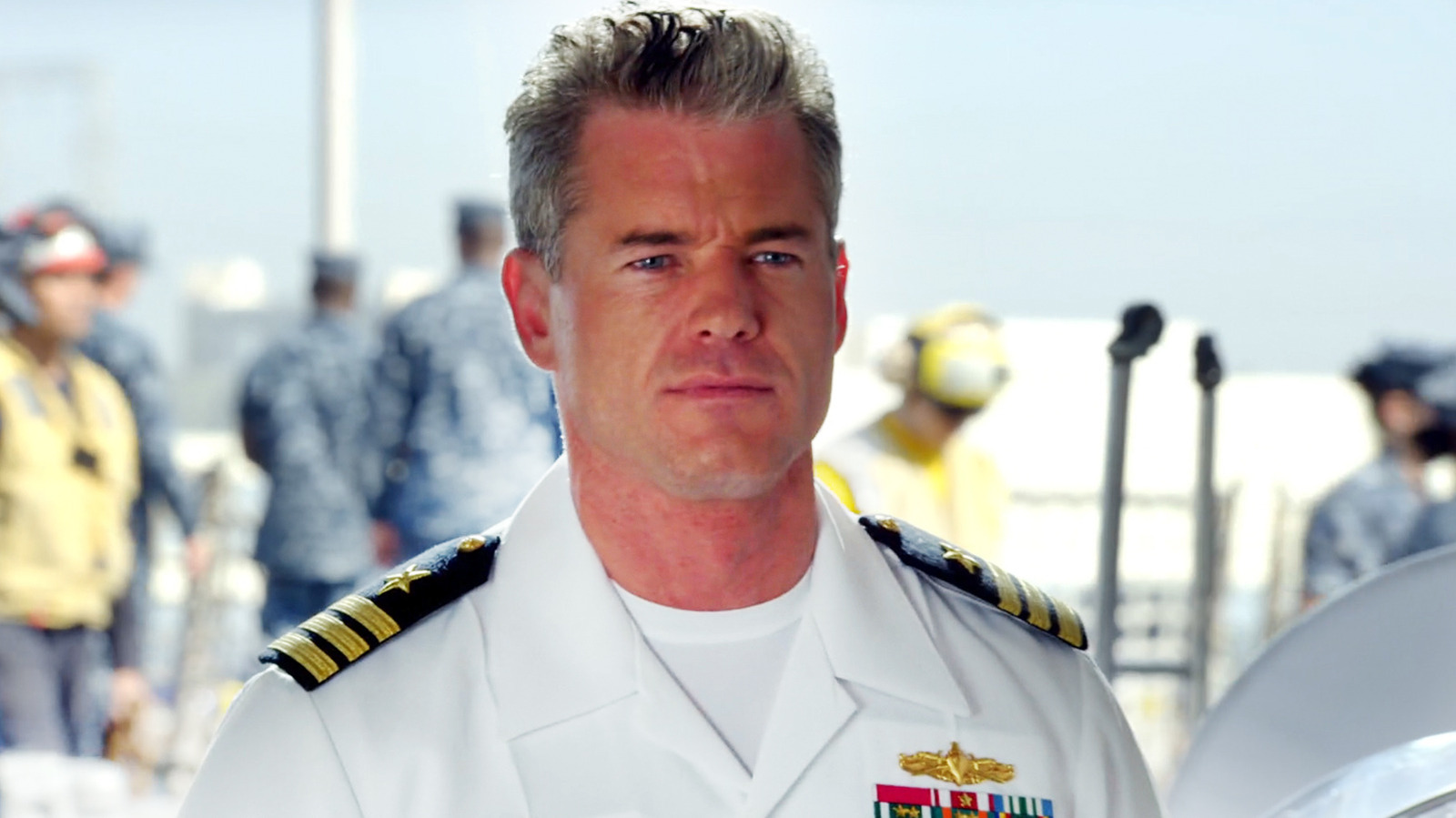
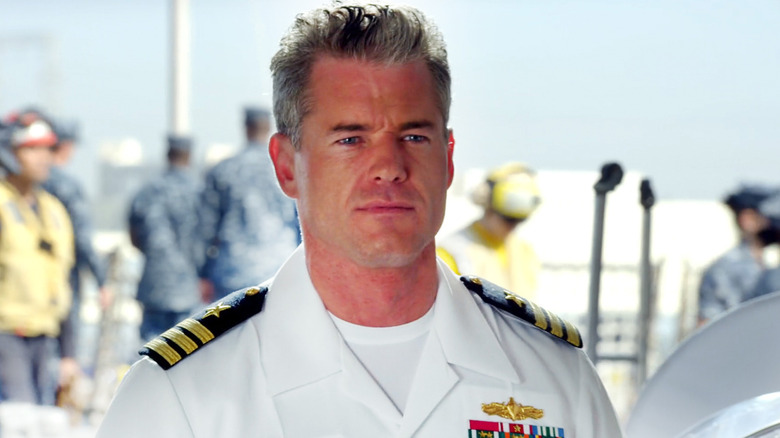
Led by the stoic and determined Captain Tom Chandler, played with gravitas by Eric Dane, the crew must navigate a world without governance, infrastructure, or safety. Tasked with protecting the brilliant virologist Dr. Rachel Scott (Rhona Mitra), who carries the only viable path to a vaccine, the Nathan James becomes a floating laboratory and a warship simultaneously.
The series debuted on Netflix on June 22, 2026, and within 24 hours, it secured the number three spot on the platform’s daily viewership charts in the United States. As of the latest tracking, the show has climbed to the number two position, trailing only the Harlan Coben-led thriller I Will Find You. Its rapid ascent suggests that the hunger for large-scale, character-driven military action remains as potent as ever.
Chronology: From Cable Hit to Streaming Discovery
The trajectory of The Last Ship is a masterclass in how mid-decade television is being re-evaluated by modern audiences.
The Original Run (2014–2018)
When the show first premiered in 2014, it arrived at the height of the post-apocalyptic trend, sharing the cultural landscape with giants like The Walking Dead and HBO’s The Leftovers. Despite this, it carved out a distinct niche. Executive produced by Michael Bay, the series brought a cinematic, "explosive" quality to the small screen that set it apart from its contemporaries. Over its five-season run, it maintained a consistent, loyal audience, proving to be a "blockbuster hit" in its freshman year according to early industry analysis by TV By The Numbers.
The "Submerged" Years
Following the series finale in November 2018, The Last Ship largely retreated from the cultural conversation. In the transition to the streaming-first landscape, it lacked the immediate visibility of Netflix Originals or massive licensed hits like Suits or The Office. It existed in the shadow of its own success, known to fans of military procedurals but largely overlooked by the wider mainstream audience.
The Netflix Renaissance (2026)
The recent licensing agreement that brought the series to Netflix has acted as a second life. By placing the show in front of millions of subscribers who may have missed the TNT era, the algorithm has successfully resurfaced the show. Its current performance proves that high-quality action storytelling possesses a long shelf life, capable of captivating modern viewers who are increasingly disillusioned by lower-stakes, "filler" content.
Supporting Data: Why Critics and Fans Aligned
The enduring appeal of The Last Ship isn’t merely a byproduct of good timing; it is rooted in its technical execution. The series holds an 86% approval rating for its second season on Rotten Tomatoes, a testament to its ability to balance intense tactical realism with character-driven drama.
Expert Analysis and Critical Reception
Critics at the time were quick to praise the show’s production value. Alessandra Stanley, writing for The New York Times, lauded the "expertly rendered combat scenes and vivid depictions of danger," noting that the series provided "excitement and suspense" that was often lacking in other dramas of the time.
Nick Venable of CinemaBlend went even further, suggesting that the show was "more worthy of your time than lots of recent big-screen offerings." This comparison to cinema is crucial. Michael Bay’s influence meant that the action sequences were not merely background filler; they were the heartbeat of the show. Whether it was the claustrophobic tension of a submarine battle or the desperate tactical maneuvers on land to secure a vaccine, the series consistently punched above its weight class.
The "Call of Duty" Effect
One of the most frequently cited aspects of the show’s success is its engagement with the "gamer generation." In an age where Call of Duty and other military simulations dominate the interactive space, The Last Ship provided a narrative equivalent. The tactical realism—the jargon, the ship operations, and the strategic planning—felt authentic to a generation of viewers familiar with military-grade thrillers.
Official Responses and Industry Context
While the cast and crew have long since moved on to other projects, the sudden resurgence has prompted renewed interest from industry analysts. The success of the series has served as a case study for "content recycling."
For Netflix, the strategy is clear: acquire proven, high-performing legacy content to bolster the library during gaps in original programming. The fact that The Last Ship is currently challenging I Will Find You—a fresh, buzz-worthy miniseries—highlights the strength of the show’s original production.
"It’s not just about the action," says one industry analyst. "It’s about the stakes. The ‘world-ending’ scenario is a classic trope, but The Last Ship grounded it in the brotherhood and sacrifice of the military. That resonates in any decade."
Implications: What This Means for Future Programming
The success of The Last Ship carries significant implications for the future of the streaming landscape.
- The Value of Mid-Tier Hits: Platforms are learning that they don’t always need a $200 million original to capture the top spot. A well-reviewed, five-season series with a established fan base can provide just as much engagement, if not more, than a short-lived, high-budget original.
- Genre Longevity: The military thriller remains a goldmine. As other genres suffer from "superhero fatigue" or "franchise exhaustion," grounded, high-stakes military dramas offer a refreshing alternative.
- The "Archive Discovery" Trend: This resurgence validates the strategy of "re-discovering" older cable series. Expect to see more streamers bidding for licenses of completed, high-quality cable dramas from the 2010s to fill the void left by delayed production schedules.
Conclusion: All Aboard the Nathan James
As the USS Nathan James continues to hold its ground against newer, glitzier competitors, it serves as a reminder of the power of well-executed television. The Last Ship was never meant to be a forgotten relic of the cable era; it was simply waiting for the right tide to bring it back to the shore.
For those who have yet to watch, the series offers a compelling blend of high-octane spectacle and human resilience. Whether you are a fan of military history, disaster movies, or simply looking for a show that doesn’t waste your time, the crew of the Nathan James is ready for duty. If they could save humanity from an extinction-level virus, surely they can handle the competition on the Netflix Top 10 list.


 Ali Ikhwan
 Muslim