

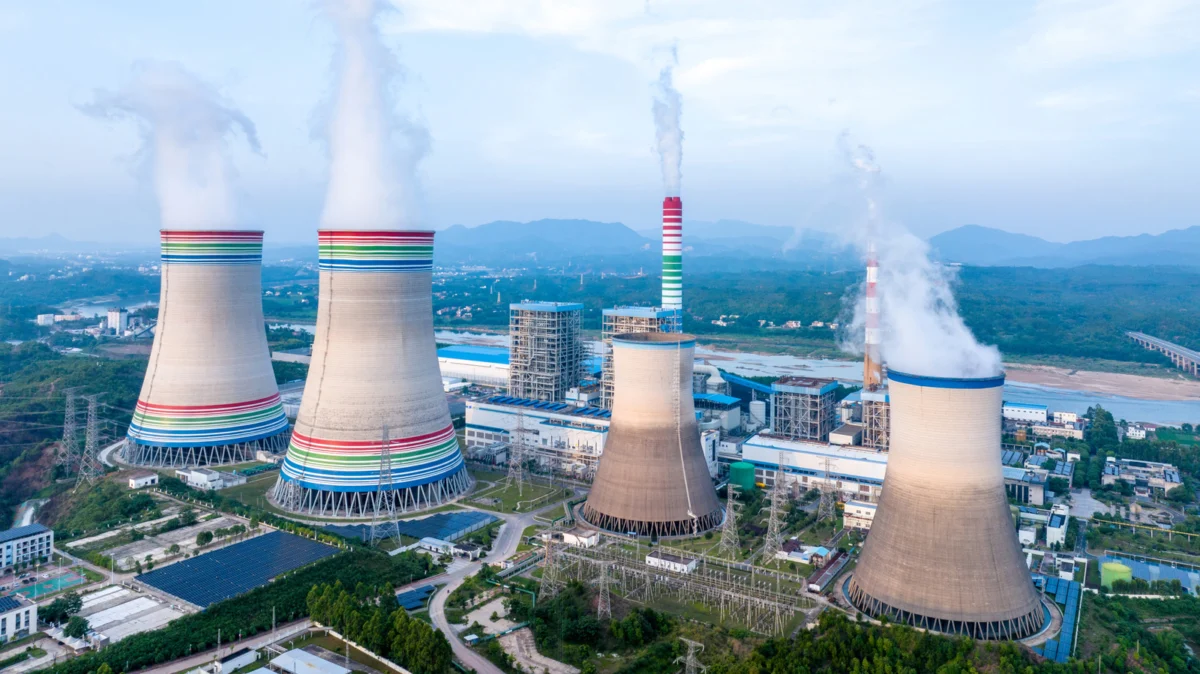
For over a century, coal has served as the backbone of industrial civilization. From powering the steam engines of the Industrial Revolution to generating roughly 36% of the world’s electricity today, its role in human progress is undeniable. Yet, this reliance comes with a heavy price: the environmental degradation caused by the combustion of fossil fuels. As the world pivots toward net-zero emissions, coal has become the primary target of environmental policy. However, a groundbreaking development from researchers at Shenzhen University and the Chinese Academy of Engineering suggests that we may not need to abandon coal entirely—we may simply need to change how we use it.
The Paradigm Shift: Introducing the Zero-Carbon-Emission Direct Coal Fuel Cell (ZC-DCFC)
The scientific community is currently scrutinizing a nascent, yet potentially transformative, technology known as the Zero-Carbon-Emission Direct Coal Fuel Cell (ZC-DCFC). Unlike traditional thermal power plants that rely on the inefficient and polluting process of burning coal to generate heat, the ZC-DCFC utilizes electrochemical reactions to extract energy.
In a conventional plant, coal is incinerated to boil water, which creates high-pressure steam to spin a turbine, which then drives a generator. This Rube Goldberg-esque chain of energy conversion—chemical to thermal, thermal to mechanical, and mechanical to electrical—is inherently wasteful. A significant portion of the coal’s potential energy is lost as waste heat at every transition point.
The ZC-DCFC bypasses these cumbersome stages. By feeding coal directly into a fuel cell, the system facilitates an electrochemical process that strips electrons from the carbon atoms in the coal. These electrons flow through an external circuit to create a steady electric current. By eliminating the combustion step, the system avoids the standard chimney-stack pollutants, theoretically offering a path toward clean energy generation using one of the most abundant fuel sources on Earth.
Chronology of Energy Conversion: From Fire to Electrochemistry
To understand the magnitude of this innovation, one must look at the evolution of coal-based energy production:
- The 19th and 20th Century (The Combustion Era): The dominant model for coal energy was established early on. The focus was on optimizing the combustion process—making boilers hotter and turbines more efficient. Despite these gains, the fundamental "burn and boil" methodology remained the same for over 150 years.
- The Mid-2000s (The Search for Alternatives): As carbon awareness grew, researchers began investigating "Clean Coal" technologies, such as Carbon Capture and Storage (CCS). While effective at sequestering emissions, these methods were costly and added massive complexity to existing power plant infrastructure.
- The 2020s (The ZC-DCFC Breakthrough): Researchers at Shenzhen University began publishing findings on direct electrochemical conversion. By treating coal as a chemical reactant rather than a fuel for a furnace, they opened a new frontier. The focus shifted from "how do we clean the smoke?" to "how do we prevent the smoke from being created in the first place?"
- The Present Day: The technology is currently in the laboratory and pilot-testing phase. While it has demonstrated proof-of-concept success, the challenge remains in scaling the electrochemical reaction to industrial levels suitable for municipal power grids.
Supporting Data: Efficiency and Environmental Impact
The primary argument for ZC-DCFC is thermodynamic efficiency. Traditional coal plants rarely exceed 40% thermal efficiency, meaning that 60% of the energy stored in the coal is lost. Fuel cells, by contrast, are not constrained by the Carnot limit—the physical law that restricts the efficiency of heat engines.
Data from early trials suggests that ZC-DCFC systems could eventually reach efficiencies significantly higher than current coal plants. Furthermore, because the carbon is processed within a closed electrochemical loop, the byproduct is not a cocktail of toxic flue gases (such as sulfur dioxide or nitrogen oxides) but rather concentrated carbon dioxide that can be captured and utilized or sequestered with far less difficulty than the dilute gas mixtures currently emitted by power plant smokestacks.
Official Responses and Scientific Skepticism
The scientific community’s response to ZC-DCFC has been a mixture of cautious optimism and rigorous skepticism. Proponents within the Chinese Academy of Engineering argue that this technology represents a "strategic bridge" for nations with high coal reserves. By converting coal into a "battery" medium, countries can maintain energy independence while meeting international emission standards.
However, critics point to the massive infrastructure hurdles. Critics argue that even if the chemistry works in a controlled environment, the engineering required to handle solid coal in a fuel cell—preventing electrode degradation and ensuring a consistent flow of raw material—is an immense challenge. Furthermore, some environmental organizations warn that "cleaner coal" might distract from the urgent need to transition to renewable sources like wind and solar, creating a moral hazard that keeps the world addicted to fossil fuels longer than necessary.
Global Implications: Energy Security and Geopolitics
The implications of a successful ZC-DCFC deployment extend far beyond the laboratory. Nations like China and India, which hold some of the world’s largest coal reserves, are currently in a delicate balancing act. They are expanding renewable capacity at a record pace, yet their grids remain tethered to the reliability and affordability of coal.
1. Reducing Reliance on Crude Oil
A major secondary benefit of the ZC-DCFC is its role in the electrification of the transport sector. By providing a stable, clean, and domestic source of electricity, nations can accelerate the adoption of Electric Vehicles (EVs) and hydrogen-powered transit. This would reduce dependence on imported crude oil, insulating these economies from the volatility of global oil markets, such as the price spikes caused by geopolitical instability in the Middle East or the Strait of Hormuz.
2. Economic Resilience
For emerging economies, energy price stability is the bedrock of growth. Coal is locally available, relatively inexpensive, and easily transported. If the ZC-DCFC can "de-pollute" coal, it transforms a liability into a sustainable asset. This could theoretically provide a roadmap for developing nations to industrialize without the catastrophic environmental footprint that accompanied the development of Western nations.
3. The Future of the Energy Mix
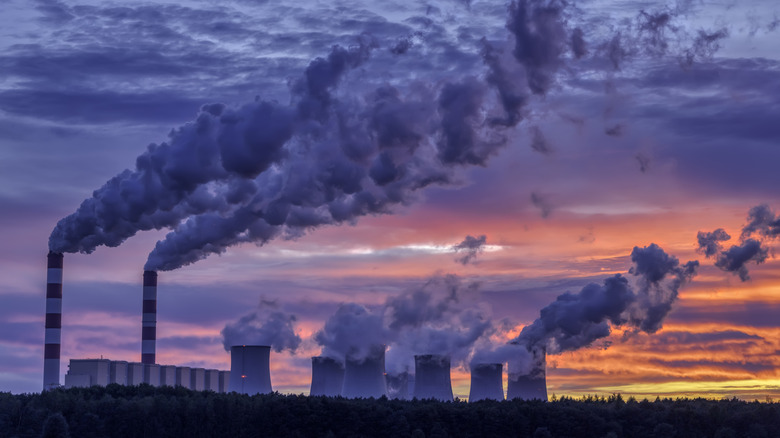
If the ZC-DCFC reaches maturity, the definition of a "battery" may change. We currently think of batteries as lithium-ion devices. However, if coal can be used as a chemical fuel source in an electrochemical cell, we may see a future where coal-fired plants are retrofitted into "coal-fuel cell" facilities. This would allow existing power plants to stay relevant in a low-carbon economy, preserving jobs and utilizing existing power transmission infrastructure.
The Path Forward: Challenges to Mass Adoption
Despite the promise, the technology remains in its infancy. Mass adoption is likely years, if not a decade, away. Key hurdles include:
- Materials Science: Finding electrodes that can withstand the chemical reactions of coal without degrading quickly is the current "holy grail" of this research.
- Scale: Moving from a small lab-scale fuel cell to a multi-megawatt facility involves engineering challenges related to heat management and material feed systems.
- Policy Support: Governments must decide whether to incentivize this technology or focus all funding on solar, wind, and battery storage.
Conclusion: A Pragmatic Vision for the Future
The ZC-DCFC represents a fascinating pivot in the narrative of fossil fuels. It challenges the binary thinking that pits "coal" against "clean energy." By applying the principles of electrochemistry to the world’s most abundant solid fuel, we might be looking at a future where coal is no longer a villain of the climate crisis, but a component of a sophisticated, diverse energy portfolio.
While it is no silver bullet, and while renewables remain the ultimate goal for a carbon-neutral world, the ZC-DCFC offers a pragmatic, engineering-led solution to the immediate and pressing needs of energy security. As research continues to refine the process, the "coal battery" may prove that even the oldest resources can be transformed by the newest ideas. The transition to a sustainable future is rarely a straight line; it is a complex path that may, quite unexpectedly, be paved with the very resource we once thought we had to leave behind.











