

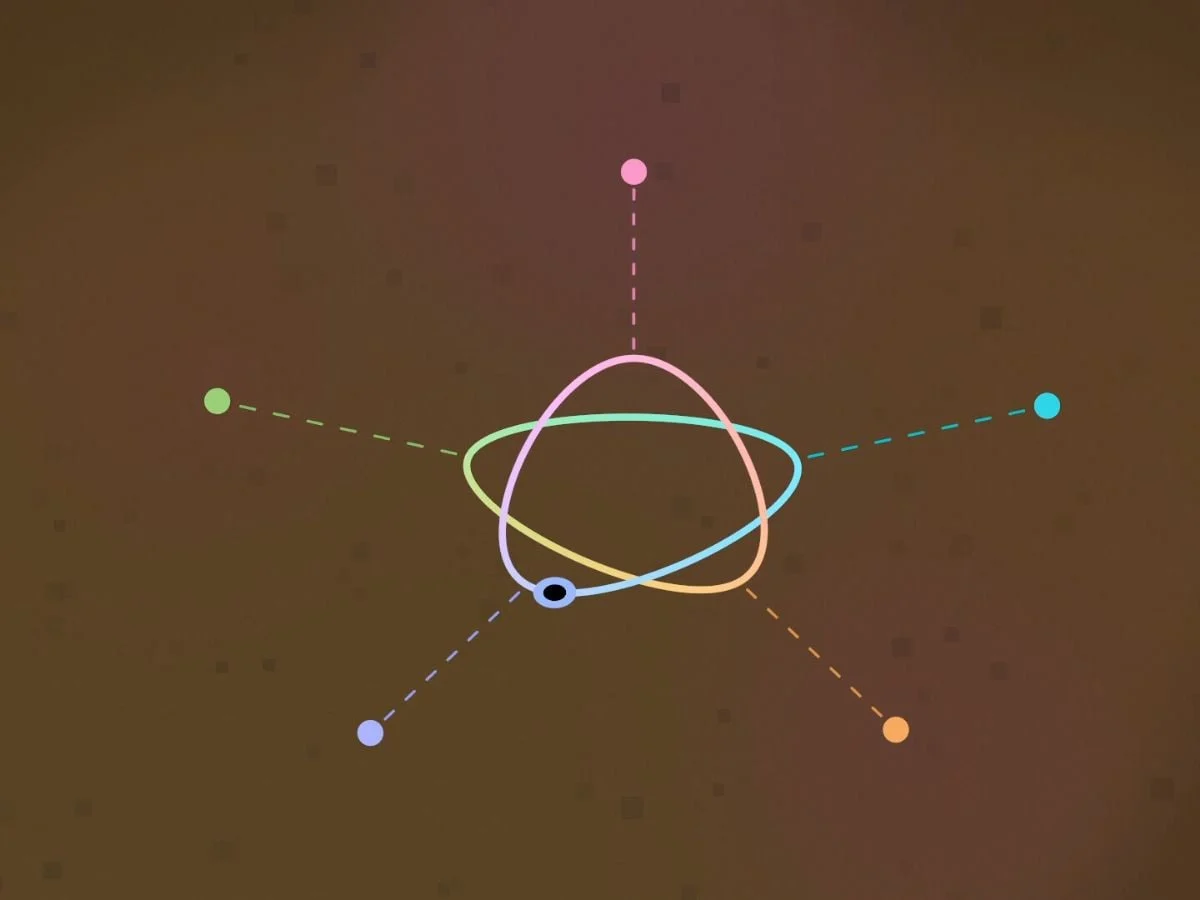
In the high-stakes world of modern game development, where design trends move with lightning speed, the line between "inspiration" and "imitation" is increasingly blurred. Recently, this tension reached a boiling point when Michael Kamm, the independent developer behind the minimalist puzzle game Ouros, publicly accused miHoYo—the industry juggernaut behind Genshin Impact and Zenless Zone Zero (ZZZ)—of systematically copying his work.
The accusation has ignited a heated debate across social media, drawing attention to the precarious position of indie creators when their unique mechanics are adopted by multi-billion-dollar corporations. As the industry grapples with the ethics of design iteration, the case of Ouros versus Zenless Zone Zero serves as a sobering case study on visibility, originality, and the power dynamics of the global gaming market.
The Core Allegation: A Clash of Mechanics
On May 26, 2026, Michael Kamm took to the social platform Bluesky to express his frustration. The crux of his argument was simple yet damning: a specific minigame integrated into miHoYo’s Zenless Zone Zero bears an uncanny resemblance to the core gameplay loops of Ouros, which was released on Steam in May 2024.
Kamm’s post included a side-by-side comparison video, highlighting a series of highly specific shared features. Both games revolve around the manipulation of curves within a serene, abstract space. The visual and mechanical overlap extends to:
- Curve Portals: Teleportation mechanics that move a player-controlled object across a track.
- Intuitive Path-finding: The manipulation of curves through nudging, bending, and stretching.
- Mathematical Aesthetics: A shared focus on geometric shapes and the fluid, organic flow of lines.
- Hint and Control Systems: Parallels in the UI/UX design that govern how players interact with the puzzles.
For Kamm, the frustration is compounded by the "David vs. Goliath" reality of the industry. Because miHoYo commands massive market presence and global visibility, players encountering the minigame in Zenless Zone Zero are naturally inclined to view it as an original creation by a major studio, potentially dismissing Kamm’s Ouros as a derivative clone.
A Chronology of Development and Public Sentiment
To understand the scope of the controversy, one must examine the timeline of these titles.
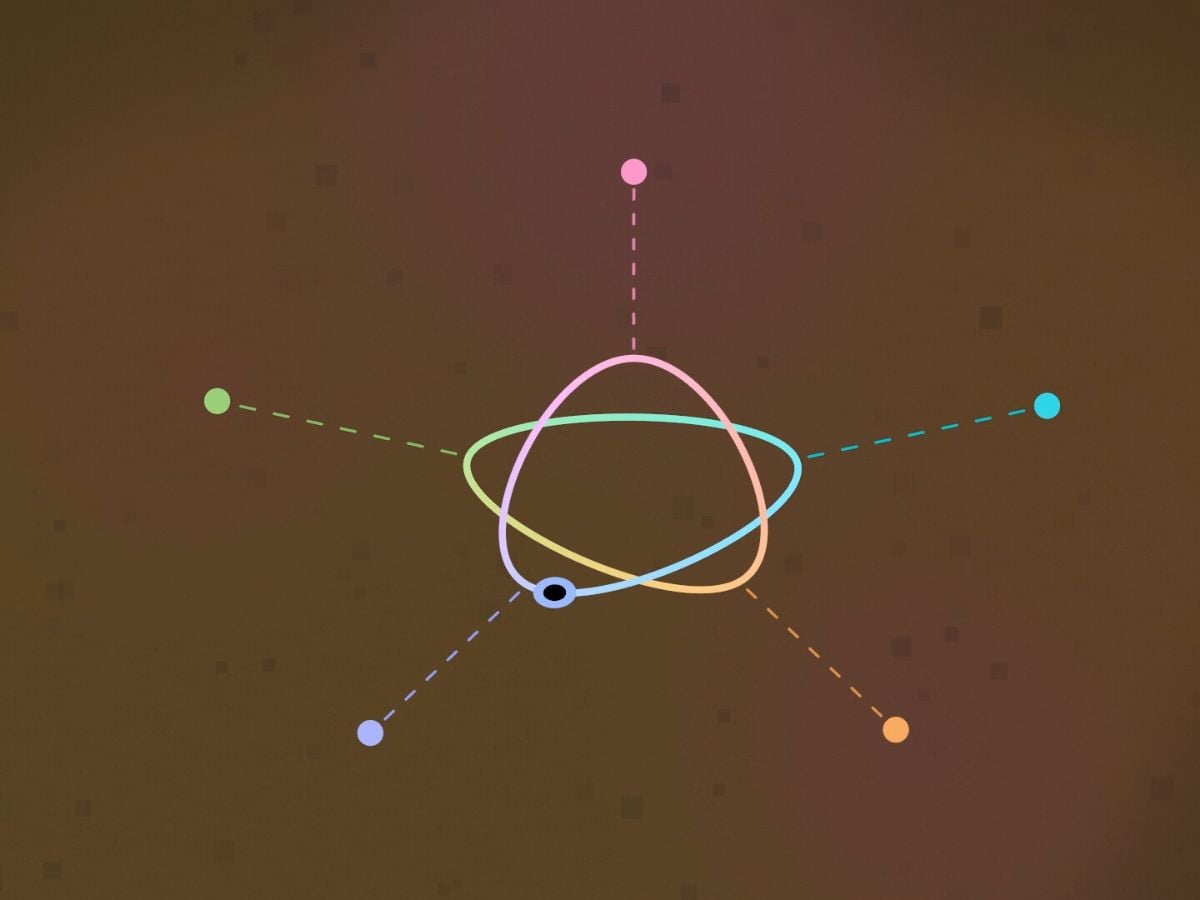
- 2020: Michael Kamm develops Splines ‘n Shapes for a Ludum Dare game jam, establishing the foundational mechanical concept for his later work.
- May 2024: Ouros is officially released on Steam, garnering praise for its "calming" and "mathematically beautiful" approach to puzzle design.
- July 2024: Zenless Zone Zero launches globally across mobile, console, and PC platforms.
- May 2026: Public discourse intensifies as users begin to notice the striking mechanical similarities between the two games. Kamm releases his video statement, calling for transparency regarding the design origins of the ZZZ minigame.
The reaction was immediate and polarized. While many in the indie community rallied behind Kamm, expressing their support through purchases of Ouros, others took a more skeptical approach. Some critics on X (formerly Twitter) pointed toward a 2023 game titled Primo, which also features curve-manipulation mechanics, suggesting that Kamm’s original design might not be the sole inspiration for the ZZZ minigame—or that the mechanics in question are too common to be "owned."
Kamm, however, was quick to address these counter-claims. He noted that Primo itself appears to draw heavily from his own 2020 game jam project, Splines ‘n Shapes, effectively arguing that his design DNA is the common ancestor in this lineage of puzzle games.
The Legal and Ethical Landscape of "Copying"
The central challenge in this dispute is the nebulous nature of intellectual property (IP) protection in video games. Under current international copyright laws, "game mechanics"—the fundamental rules of how a game is played—are notoriously difficult to protect.
Can You Own a Mechanic?
In legal terms, copyright covers the specific expression of an idea (code, artwork, dialogue, music), but it does not generally cover the "idea" itself (the rules of a puzzle or the genre of a game). This legal precedent, often referred to as the "scènes à faire" doctrine, protects developers from being sued for using standard tropes within a genre.
However, when a specific, nuanced mechanic is copied in its entirety—including the specific layout, the feel of the controls, and the aesthetic presentation—the situation shifts from standard genre tropes to potential "look and feel" infringement.
The Perception Problem
Beyond the courtroom, there is the issue of "market confusion." When a giant like miHoYo implements a feature that mirrors a niche indie title, the indie title risks being labeled a "copycat" by the general public. This not only harms the developer’s brand but can have a chilling effect on future innovation, as indie developers may feel discouraged from creating unique mechanics if they believe they will be "mined" by larger studios without credit or compensation.
Supporting Data: Community and Industry Reactions
The support for Kamm has been vocal, with many users on Steam and social media platforms asserting that they bought Ouros specifically to support an indie developer in the wake of the controversy. This consumer behavior represents a growing trend in the gaming industry: "pro-indie" advocacy, where players use their wallets to push back against perceived corporate overreach.
Conversely, industry pragmatists argue that in the fast-paced world of live-service games like Zenless Zone Zero, minigames are often developed by disparate teams who may draw inspiration from a wide variety of sources, both conscious and subconscious. Proponents of this view argue that the "copying" may be a case of parallel evolution rather than intentional theft.
However, critics of the industry point to miHoYo’s history of "inspiration" (a frequent topic of discussion regarding Genshin Impact and The Legend of Zelda: Breath of the Wild) as evidence of a pattern. Whether this is intentional strategy or an industry-wide practice, the debate highlights a lack of formal recognition systems for indie creators whose concepts are adopted into mainstream titles.
Implications for the Future of Indie Development
The Ouros vs. Zenless Zone Zero case raises significant questions about the future of the industry:
- The Need for Attribution: As the barrier to entry for game development lowers, the industry may need a standardized method for developers to credit the "spiritual inspirations" behind specific mechanics.
- Platform Responsibility: Steam and other storefronts are increasingly becoming battlegrounds for intellectual property disputes. The role of these platforms in mediating such conflicts, or at least providing a space for transparency, is likely to become more prominent.
- The Indie Survival Strategy: For developers like Kamm, the only real protection is the cultivation of a loyal, informed community. By being transparent about his development history—dating back to 2020—Kamm has successfully defended his creative legacy in the court of public opinion, even if legal remedies remain elusive.
Ultimately, the Ouros incident is a reminder that while mechanics cannot always be legally "owned," they are the lifeblood of creative output. When major studios utilize these mechanics without acknowledgement, it disrupts the ecosystem of independent creation. As the industry moves forward, the pressure will be on developers like miHoYo to adopt higher standards of transparency, ensuring that the innovators who build the foundations of new gameplay are recognized rather than erased by the sheer scale of the giants that follow them.
For now, Michael Kamm continues to advocate for his work, and the gaming community remains divided between those who see a clear case of intellectual property theft and those who view it as the inevitable result of a saturated market. Regardless of the outcome, the case of Ouros serves as a poignant reminder that in the world of digital creation, a game is more than just code—it is the signature of the person who dreamt it up.









No comments yet. Be the first to join the conversation!