

In a move that signifies the most profound transformation in its 107-year history, Bentley Motors has officially christened its inaugural fully electric vehicle: the Torcal. This luxury SUV, poised to make its global debut on September 23, is not merely a new product line—it is a strategic pivot for the British marque. Sitting alongside the illustrious Continental GT, Flying Spur, and the powerhouse Bentayga, the Torcal represents Bentley’s formal entry into the battery-electric vehicle (BEV) arena, a milestone long anticipated by automotive enthusiasts and industry analysts alike.
The Genesis of the Torcal: Meaning and Engineering
The name "Torcal" is deeply rooted in both geography and engineering nomenclature. It draws inspiration from El Torcal de Antequera, the dramatic, otherworldly limestone landscape in southern Spain, symbolizing the rugged yet refined nature of the vehicle. However, the moniker also serves as a linguistic nod to the Latin torquere—meaning "to twist"—a deliberate reference to the immense, instantaneous torque inherent in electric powertrains. For a brand that has built its reputation on "effortless performance" and refined grand touring, this etymological bridge highlights Bentley’s commitment to maintaining its heritage while embracing a silent, electrified future.
Frank-Steffen Walliser, the recently appointed Chairman and CEO of Bentley, has framed the Torcal as "the most considered car in our history." According to company insiders, the vehicle is being engineered to redefine the benchmarks for luxury craftsmanship, cabin serenity, and high-performance output.
Technical Foundations
While the veil of secrecy remains largely intact, industry consensus and reports from automotive outlets like Car and Driver suggest the Torcal will be underpinned by the Volkswagen Group’s sophisticated Premium Platform Electric (PPE) architecture. This modular platform, already heralded for its efficiency and scalability, is also destined for the next-generation Porsche Cayenne Electric and the Audi A6 e-tron.
By leveraging the PPE platform, Bentley aims to bypass the typical "teething issues" associated with new EV launches, opting instead for a proven, high-performance foundation. Expected capabilities include:
- Charging Velocity: A state-of-the-art electrical architecture designed to replenish 160km (approx. 100 miles) of range in just seven minutes.
- Total Range: A target of 300 miles (roughly 480km) per charge, catering to the needs of the ultra-luxury buyer who demands long-distance capability without the inconvenience of frequent stops.
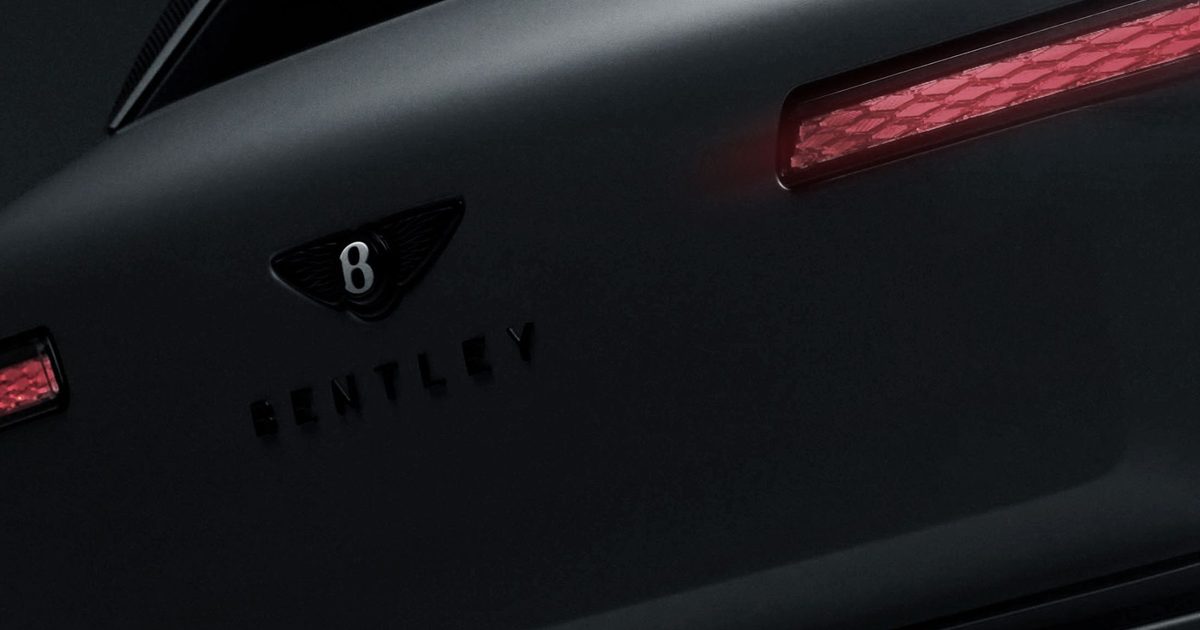
- Design Language: Spy photography and leaked design briefs hint at an enclosed, illuminated matrix grille, sophisticated crystal-inspired LED lighting arrays, and a cabin that pivots away from traditional dials in favor of a sweeping, curved, portrait-oriented digital interface.
A Chronology of Transformation: Bentley’s Electric Journey
Bentley’s journey toward the Torcal has been marked by a blend of bold ambition and pragmatic adjustment.
- 2020: The "Beyond100" Strategy: Bentley unveiled its ambitious "Beyond100" business plan, which initially targeted an all-electric lineup by 2030. At the time, this was one of the most aggressive electrification timelines in the luxury sector.
- 2023: Testing and Development: Spy shots of heavily camouflaged test mules began appearing near Arctic testing grounds, confirming the SUV form factor and the development of a bespoke electric powertrain.
- 2024: The Strategic Pivot: As global market conditions shifted, Bentley officially adjusted its timeline, moving its all-electric goal from 2030 to 2035. This move acknowledged the reality that consumer demand for high-end EVs was not growing at the exponential rate once projected.
- September 2024: The Reveal: The official naming of the Torcal marks the final countdown to the September 23 global debut, signaling that the company is ready to transition from conceptual planning to commercial reality.
The Paradox of Luxury EVs: A Challenging Market
The arrival of the Torcal occurs against a backdrop of significant turbulence within the premium EV market. Bentley is entering this space during a period of cooling enthusiasm, characterized by a "wait-and-see" approach from both manufacturers and consumers.
Market Volatility and Manufacturer Sentiment
Bentley is not alone in its cautious recalculation. The past 24 months have seen a major reassessment of electrification strategies across the board:
- Lamborghini: The iconic Italian manufacturer put its Lanzador EV project on the back burner, citing customer demand that had effectively stagnated.
- Ferrari: While committed to its first EV, the brand has been deliberate in its pacing, focusing on maintaining the "soul" of the driving experience rather than rushing to market.
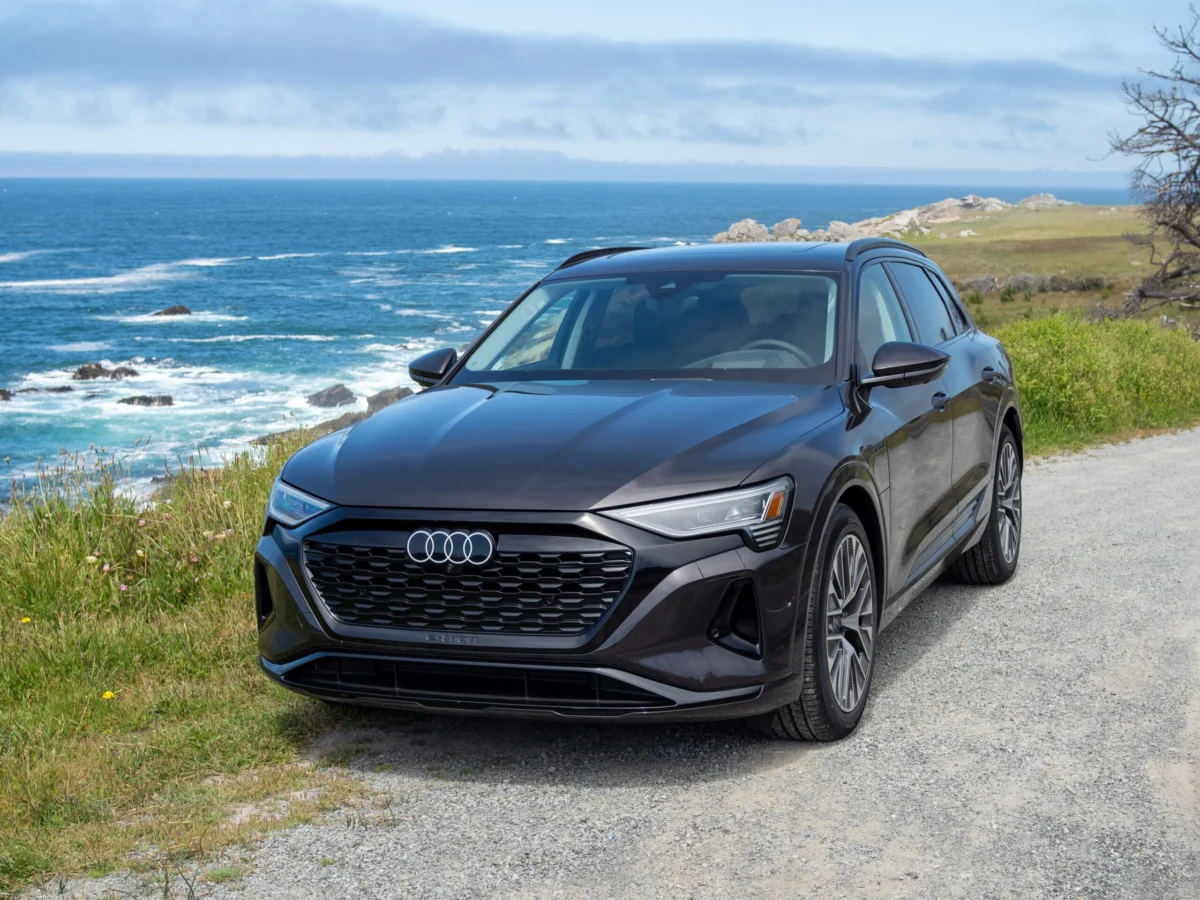
- Porsche & Audi: Both have faced severe market pressure. Audi discontinued its Q8 e-tron due to sluggish sales, while Porsche has faced multibillion-euro writedowns as it recalibrates its EV-to-hybrid production ratio.
The current trend among affluent buyers—particularly in key markets like China, the United States, and Europe—has drifted toward plug-in hybrid electric vehicles (PHEVs). These vehicles offer the "best of both worlds": the prestige and performance of a combustion engine with the environmental, guilt-free luxury of electric-only city driving.
Official Responses and Strategic Positioning
Despite the cooling market, Bentley leadership remains undeterred. The company’s strategy for the Torcal is centered on a "luxury-first" philosophy.
"We are not chasing volume; we are chasing the pinnacle of the segment," a Bentley spokesperson noted during a recent investor briefing. By positioning the Torcal not as a gadget-filled tech-car, but as a "Bentley that happens to be electric," the brand aims to insulate itself from the volatility that has hampered mass-market EV manufacturers.
The focus on the "Luxury Urban SUV" segment—defined by a footprint of less than five meters—suggests that Bentley is targeting a new demographic: the metropolitan elite. These buyers require the maneuverability of a smaller SUV but refuse to compromise on the hand-stitched leathers, bespoke veneers, and acoustic insulation that define the brand’s identity.
Implications for the Future of Bentley
The launch of the Torcal is a litmus test for the entire ultra-luxury industry. If Bentley can successfully convince its traditionalist customer base to embrace electric propulsion, it will validate the transition for competitors like Rolls-Royce and Maybach.
The Shift in Brand Identity
For over a century, the rumble of a W12 or V8 engine has been the heartbeat of the Bentley experience. The transition to the silent, instant-torque delivery of an electric motor requires a fundamental marketing shift. Bentley must now sell "serenity" and "invisible power" rather than just the visceral roar of an exhaust note. This change in brand narrative is arguably the biggest challenge the company faces.
Long-term Market Viability
The success of the Torcal will likely dictate the speed at which Bentley phases out its internal combustion engines. If the market responds with enthusiasm, the 2035 goal may become a conservative estimate. However, if sales remain lukewarm, the company may find itself relying on its plug-in hybrid portfolio for longer than anticipated.
Conclusion: A Measured Leap into the Unknown
As September 23 approaches, the automotive world is watching the Torcal with bated breath. This vehicle represents more than just a new model; it is a manifestation of how a heritage brand navigates the tension between its storied past and a mandated, electrified future.
By taking a measured approach—sharing the PPE platform, focusing on craftsmanship over pure tech-spec competition, and choosing a name that evokes both the ruggedness of nature and the precision of engineering—Bentley is attempting to chart a path that honors its history while securing its relevance. The Torcal will not simply be an EV; it will be a declaration that luxury is not defined by the source of power, but by the excellence of the journey. Whether this calculated gamble pays off will be one of the most important stories in the automotive world for the next decade.











