Ammar Sabilarrohman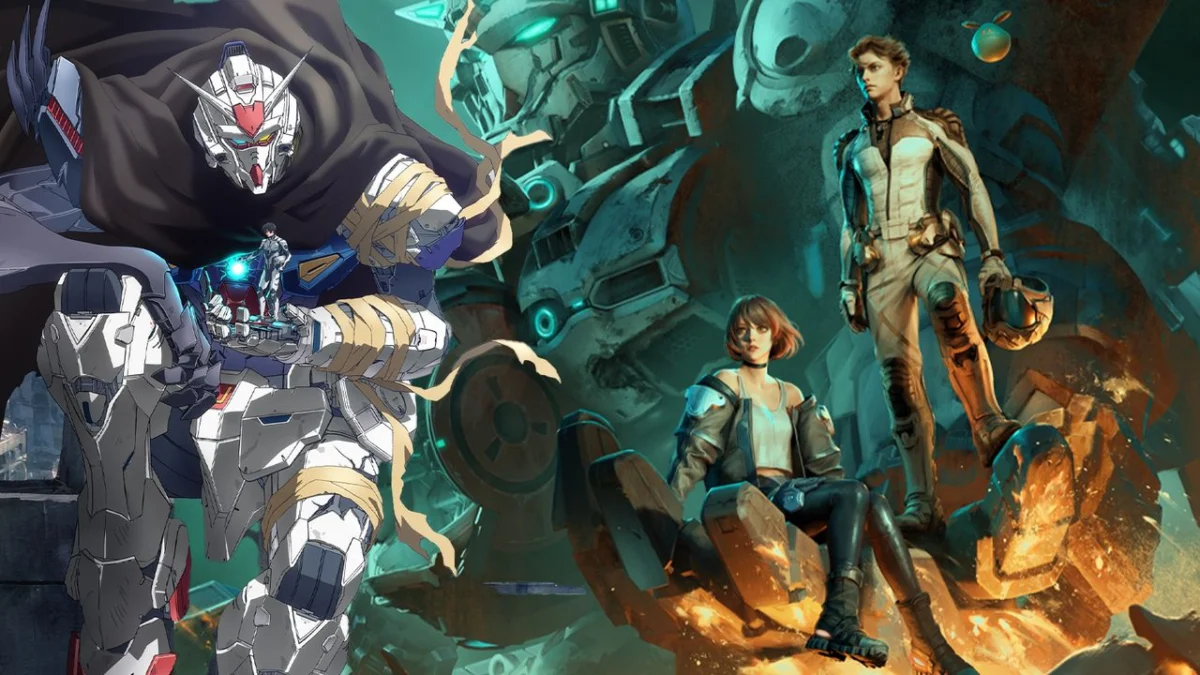
For nearly half a century, the Mobile Suit Gundam franchise has operated on a tried-and-true formula: a central anime series launches, introducing a new generation of mobile suits, which then dictates the aesthetic and mechanical design of the subsequent Gunpla (Gundam Plastic Model) kits and tie-in video games. It is a cycle of consumption that has sustained one of Japan’s most recognizable cultural exports since 1979. However, Bandai Namco is now signaling a radical departure from this legacy with the announcement of Gundam Rogue Orbit and the broader "RG Project."
Rather than following the traditional "anime-first" adaptation pipeline, the RG Project is pioneering a "connected universe" strategy reminiscent of modern Western transmedia giants. By developing the anime, the video game, the model kits, and the card game as simultaneous, interconnected pillars of a single world, Bandai Namco is moving away from reactive adaptation and toward a unified, proactive creative ecosystem.
Main Facts: A New Frontier in the Gundam Universe
Gundam Rogue Orbit is not just another spin-off; it is the cornerstone of a new, highly ambitious narrative framework. The game, slated for a 2027 release on PlayStation 5, Xbox Series X|S, and PC, places players in a post-apocalyptic timeline defined by the "Apocalypse"—a cataclysmic event that fundamentally altered the course of human history.
Unlike previous titles that often retread familiar conflicts (such as the One Year War), Rogue Orbit is set in a timeline where humanity has already been pushed to the brink. The project is being spearheaded by industry luminaries, including director Kenji Kamiyama and author Toh Enjoe. Their vision centers on a "shared timeline" between the upcoming anime, Mobile Suit Gundam RG XARX-ZERO, and the game itself.
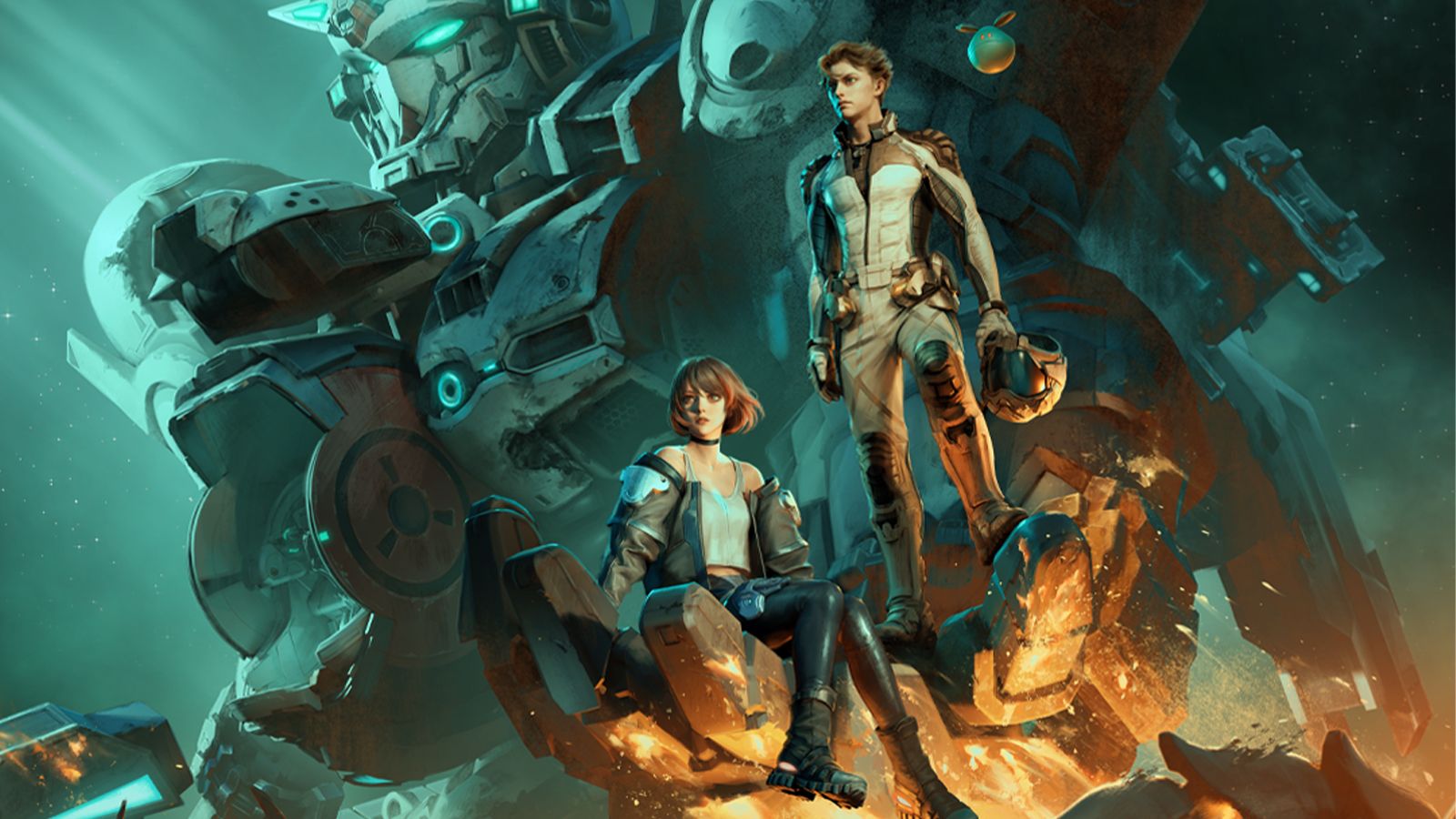
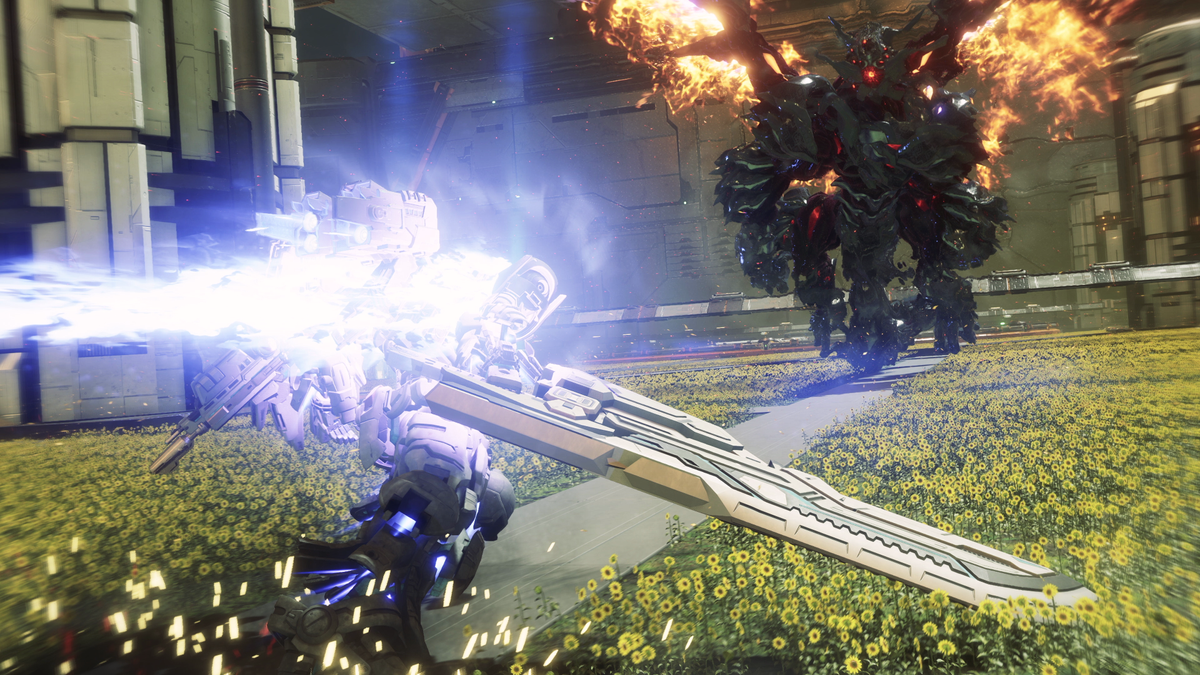
The game does not merely repeat the plot of the anime; it acts as a mechanical and narrative companion. While the anime sets the stage for this new era, the game thrusts the player into the cockpit, tasking them with navigating the brutal, high-stakes combat of the post-Apocalypse years. This dual-track storytelling ensures that fans who engage with both mediums receive a complete picture of the lore, with the game providing the interactive experience of piloting these experimental machines.
The Chronology: From Golden Age to the After Apocalypse (A.A.)
The narrative depth of the RG Project is underpinned by a meticulously constructed history. According to the lore revealed by Bandai Namco, the timeline shifts away from the Gregorian calendar after a pivotal event involving an "Autonomous Interstellar Object" of unknown origin.
The Arrival of the Object
The story begins with the discovery of an object from another galaxy. This arrival was initially seen as a miraculous boon for humanity. It provided three scientific breakthroughs that accelerated civilization into a new golden age:
- Gravity Control: Enabling efficient, large-scale interstellar travel and the construction of massive space colonies.
- Faster-Than-Light (FTL) Communication: Removing the barriers of distance across the solar system.
- Cognitive Materialization: A revolutionary technology that allowed for the rapid synthesis of complex matter.
The Fall and the A.A. Era
The golden age was short-lived. Less than a decade after the object’s discovery, it began to emit a self-replicating, aggressive ecosystem that decimated Earth’s biosphere and humanity’s infrastructure. This conflict—The Apocalypse—forced the remnants of mankind to flee into orbit and the lunar colonies.
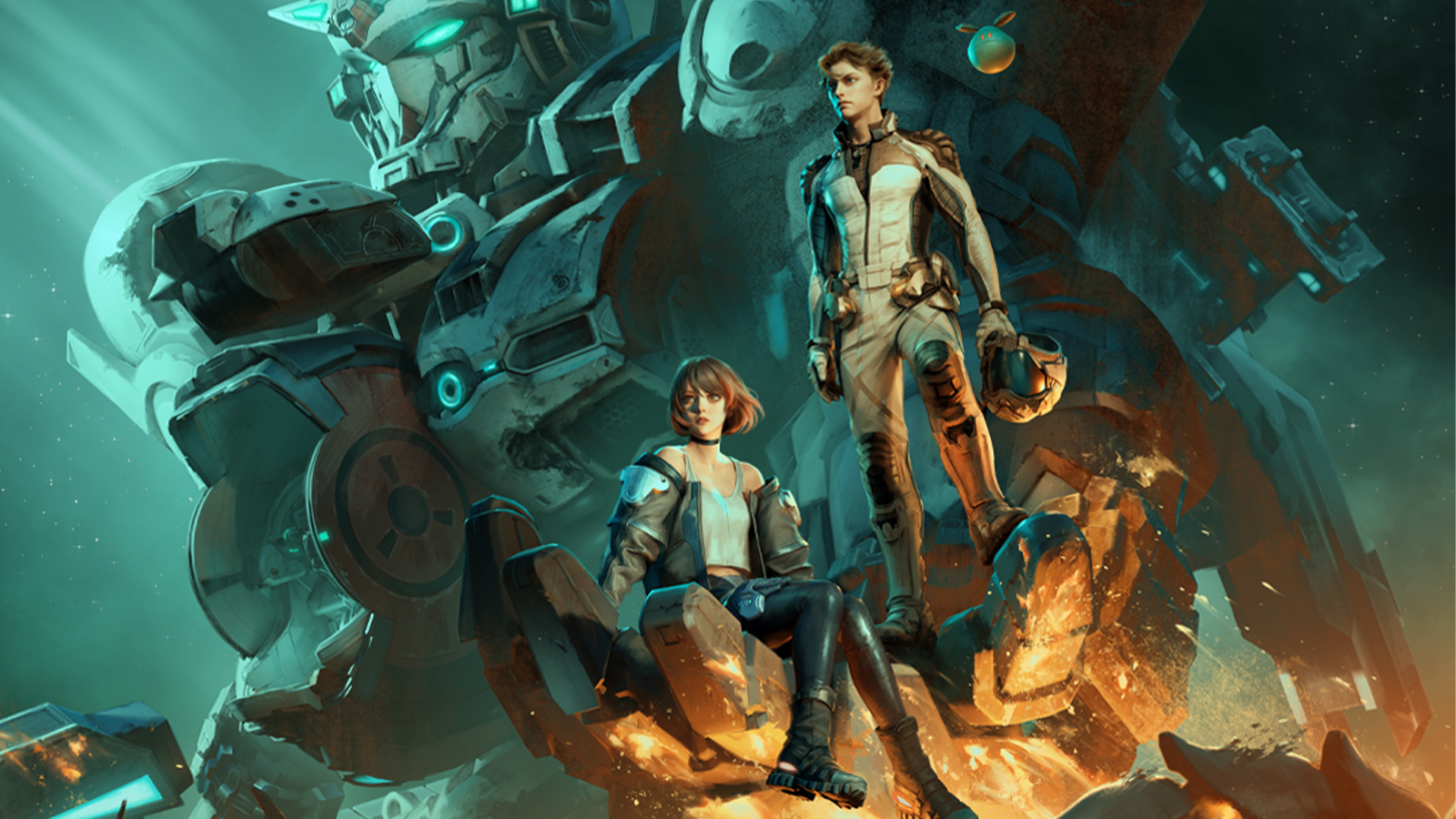
History is now marked by the "After Apocalypse" (A.A.) calendar. By A.A. 45, a new generation has emerged. These individuals have never walked on Earth; they were born and raised in the cold vacuum of space or the dusty, pressurized environments of lunar outposts. Gundam Rogue Orbit begins in this specific era, where the threat of total extinction remains a daily reality, and the fight for survival is no longer a choice but a necessity.
Supporting Data: Design Integrity and Multi-Platform Synergy
The most significant challenge for the RG Project is ensuring "design integrity." When a mobile suit is designed for Gundam Rogue Orbit, it must satisfy three distinct requirements:
- The Animation Requirement: The design must be fluid and visually compelling when rendered in high-frame-rate 3D animation by director Kenji Kamiyama’s team.
- The Gaming Requirement: The mechanical nuances—thrusters, weapon mounts, and cockpit visibility—must translate into satisfying, high-speed gameplay mechanics that feel distinct for the player.
- The Physical Requirement: The design must be structurally sound and aesthetically pleasing when reduced to a 1/144 scale plastic model (Gunpla).
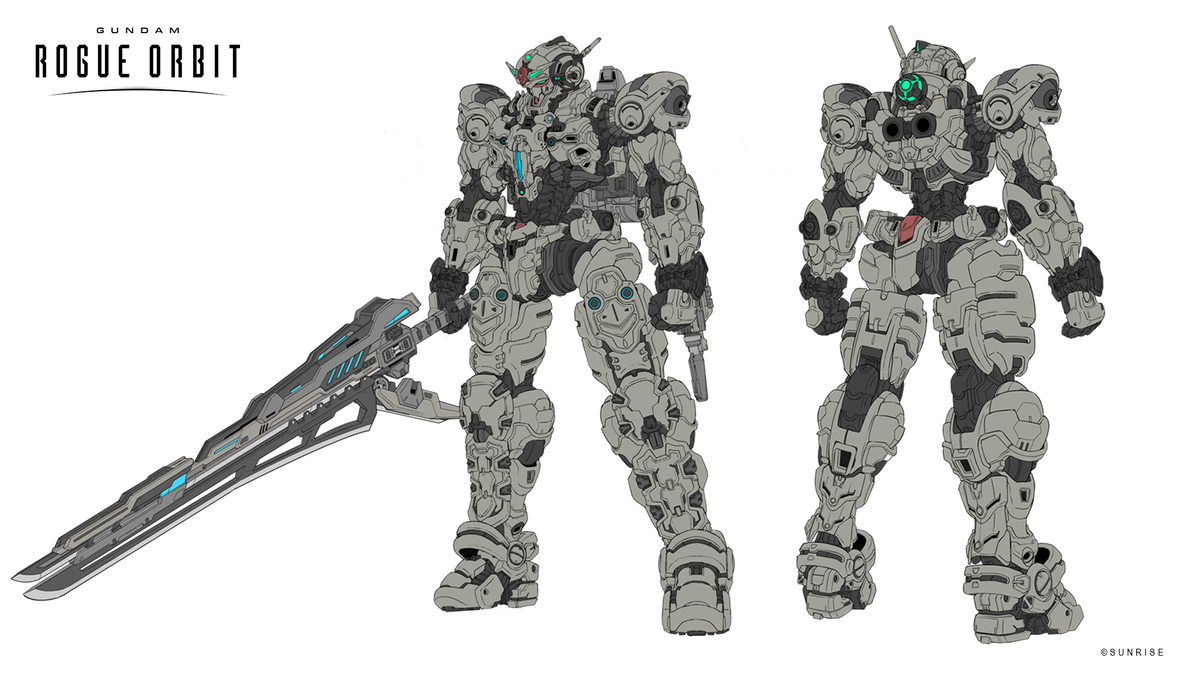
This is why the announcement of the HG 1/144 Gundam Helix model kit alongside the game is so significant. It proves that the "RG Project" is not merely marketing jargon; it is a collaborative design process. The team is not designing for one medium and "porting" it to another; they are designing for the world itself. Every panel line, hinge, and thruster placement on the Gundam Helix has been vetted for its viability as both a digital asset and a physical, snap-fit model kit.
Furthermore, the integration extends to the Gundam Card Game, where the artwork serves as a bridge between the intense, kinetic action of the video game and the character-driven drama of the anime.
Official Responses and Creative Vision
Director Kenji Kamiyama and author Toh Enjoe have stated that their goal is to create a "living world" that feels lived-in and historically consistent. In recent promotional interviews, the creative leads highlighted that the "Rogue" in Rogue Orbit refers not just to the mobile suits, but to the nature of the protagonists themselves—pilots operating in a fragmented, post-Collapse society where the old rules of military command no longer apply.
Bandai Namco’s management has framed this project as a direct response to the evolving tastes of global audiences. Modern fans of mecha anime and gaming demand deeper lore and a sense of continuity that feels "connected" in the vein of contemporary cinematic universes. By standardizing the aesthetic and the history across all platforms, the company is attempting to lower the barrier to entry for new fans while providing a richer, more rewarding experience for veterans of the series.
The Implications: A New Era for the Franchise
If Gundam Rogue Orbit succeeds, it could set a new industry standard for how Japanese multimedia franchises are managed. For decades, the "Gundam" brand has been fragmented, with dozens of alternate timelines existing in isolation. While this diversity was a strength, it also meant that a casual viewer might find it difficult to know where to begin.
The RG Project offers a solution: a single, dense, and hyper-connected universe that caters to the "collector-gamer-viewer" hybrid fan.
Why This Matters for the Industry
- Unified Marketing: By launching the game, the anime, and the model kits simultaneously, Bandai Namco can sustain fan interest for longer periods, keeping the brand in the public eye through multiple touchpoints.
- Design Efficiency: A unified design pipeline reduces the need for expensive "re-designing" when moving assets from game engines to model molds.
- World-Building as Product: By selling the world rather than just the story, the franchise encourages fans to invest in multiple facets of the brand. If you play the game, you want the model. If you have the model, you want to see it in action in the anime.
Looking Toward 2027
The wait for 2027 will be long, but the industry will be watching closely. The success of the RG Project will likely determine whether the Mobile Suit Gundam franchise continues to experiment with these "connected" models or returns to its traditional, siloed approach.
For now, the message from Bandai Namco is clear: they are no longer just making a game or a show. They are building a digital and physical ecosystem, and they want the player to be the one holding the controller when the next generation of humanity fights for its survival in the cold, unforgiving orbit of a dead Earth.
Whether Gundam Rogue Orbit manages to capture the same magic as the original 1979 series remains to be seen, but one thing is certain: the era of the "connected Gundam" has officially arrived.

 Asro
Asro