Layla Zulfa
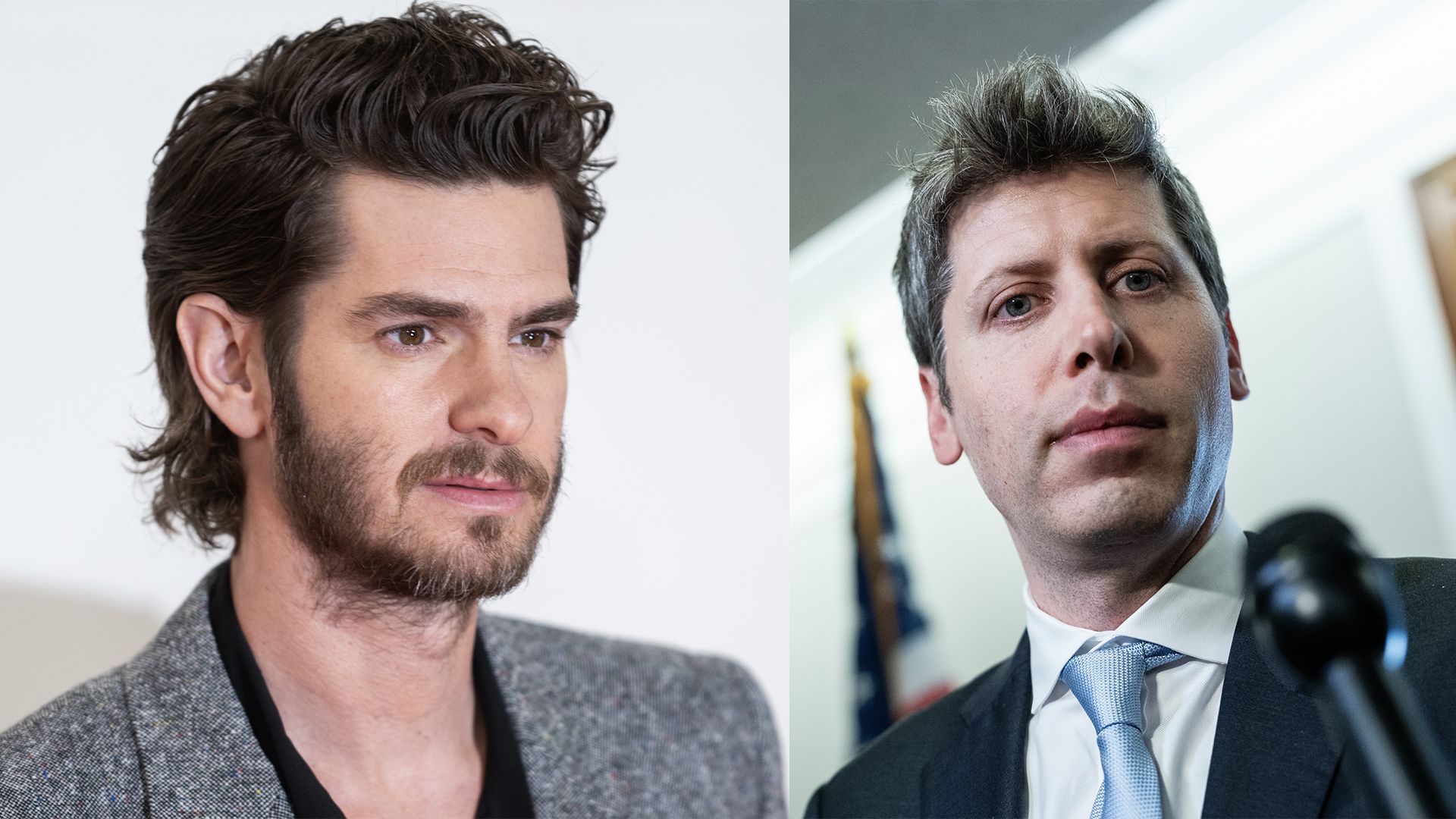
In an unexpected move that has sent shockwaves through both Silicon Valley and the entertainment industry, Amazon has officially dropped Artificial, the highly anticipated biographical drama centered on the turbulent rise and dramatic ousting of OpenAI CEO Sam Altman. Directed by acclaimed filmmaker Luca Guadagnino—known for his stylized, emotionally resonant work on Call Me By Your Name and Challengers—the film stars Andrew Garfield as the controversial tech executive.
Despite the project being effectively completed and having already garnered positive buzz from early test screenings, Amazon has opted to cut ties with the film. The decision leaves the project in a state of distribution limbo, searching for a new studio home. As the dust settles on this cancellation, a growing chorus of industry observers and digital sleuths are questioning whether this move was driven by artistic concerns or a calculated play to protect a multi-billion dollar corporate partnership.
The Chronology of a Corporate Fallout
To understand the weight of this decision, one must look at the timeline of events that preceded the project’s sudden termination.
- Late 2023: Following the highly publicized, short-lived firing and subsequent rehiring of Sam Altman at OpenAI, interest in the behind-the-scenes drama of the AI revolution reached a fever pitch. Luca Guadagnino moved quickly to secure the project, casting Andrew Garfield to anchor the narrative.
- Early 2025: Production on Artificial proceeded through principal photography. The film, which aimed to capture the intensity of the boardroom power struggle that nearly dismantled the world’s most valuable AI startup, was slated for a 2026 release.
- Mid-2025: Amazon and OpenAI announced a massive, landmark strategic partnership. As part of this deal, Amazon committed to a staggering $50 billion investment in OpenAI, integrating the company’s enterprise-grade AI models into Amazon Web Services (AWS).
- June 2026: Amazon abruptly announced it would no longer distribute Artificial. The film, despite being in a "finished" state, was released from its distribution contract.
Behind the Scenes: The "Not-So-Sympathetic" Narrative
According to industry insiders familiar with the script and early cuts of the film, Artificial does not pull its punches. Reports from Page Six and other entertainment outlets suggest that the narrative takes a critical, arguably unflattering, look at the internal dynamics of OpenAI and the leadership style of Sam Altman.
In an era where tech CEOs are often treated as modern-day titans, a film that deconstructs the morality and transparency of the AI movement represents a significant liability for any corporation deeply tethered to those same executives. Guadagnino, who has built his career on complex, character-driven storytelling, reportedly crafted a portrait that challenges the "heroic founder" archetype prevalent in Silicon Valley lore. For Amazon, which is currently positioning itself as the primary infrastructure provider for OpenAI, such a film is not merely a piece of content; it is a potential PR headache.
The Official Narrative vs. The Conspiracy Theories
Amazon’s official stance, as communicated through a spokesperson to Variety, focuses on the language of professional courtesy and strategic realignment.
"We have the utmost respect and admiration for Luca Guadagnino as an award-winning filmmaker—not to mention a longstanding relationship that we hope to continue," the spokesperson stated. "We believe that Artificial will be better served if it were released by a different studio and are working closely with the filmmaking team to find the film a new home."
However, the industry is largely unconvinced by this boilerplate rhetoric. The timing of the cancellation, occurring shortly after the solidification of the Amazon-OpenAI $50 billion partnership, has fueled widespread speculation. The prevailing theory on social media and in Hollywood circles is that Amazon is prioritizing its "Strategic Partnership" over its creative portfolio.
Critics argue that the move serves as a "corporate peace offering." By dropping a film that paints the head of a $50 billion partner in a negative light, Amazon effectively protects its relationship with Altman, ensuring that the integration of OpenAI’s technology into AWS remains frictionless and free from the distraction of a scathing cinematic critique.
The Implications: Corporate Influence on Creative Freedom
The abandonment of Artificial serves as a stark case study in the intersection of Big Tech and modern cinema. As major corporations like Amazon, Apple, and Google continue to dominate the film distribution landscape, the line between "studio executive" and "corporate strategist" has become increasingly blurred.
1. The "Currying Favour" Problem
This is not the first time Amazon has faced accusations of leveraging its entertainment arm for political or corporate capital. Observers have pointed to the quiet failure and eventual abandonment of the Melania Trump documentary—which some characterized as a $35 million gift from Amazon to the Trump administration—as evidence of a broader pattern. When a media conglomerate has the power to suppress narratives that might offend its high-value business partners, it raises fundamental questions about the future of investigative journalism and critical filmmaking.
2. The Chilling Effect on Filmmakers
For directors like Luca Guadagnino, the fallout creates a chilling effect. If a filmmaker of his stature, with a track record of critical and commercial success, cannot release a film about a public figure without being dropped by a major studio, what does that mean for independent voices? It suggests that "unauthorized" biopics or investigative films concerning the tech elite may soon find themselves without a home on major streaming platforms.
3. The Future of the "AI Genre"
The irony of Artificial being sidelined is that the film was intended to be the definitive take on the AI era. As AI becomes the central technology of the 21st century, the public’s appetite to understand the people behind the algorithms is immense. By suppressing this story, Amazon may inadvertently be creating a "Streisand Effect," where the film becomes even more desirable to rival distributors who are not beholden to OpenAI.
What Comes Next for ‘Artificial’?
Despite the setback, the film is far from dead. Guadagnino’s reputation ensures that there is significant interest from other studios and independent distributors. The very controversy that led to Amazon dropping the project has provided it with a massive, organic marketing boost.
Industry analysts suggest that a smaller, more boutique studio or a streamer less reliant on OpenAI’s technology may pick up the film. In fact, a film that carries the "too hot to handle" label is often a lucrative prospect for distributors looking to make a statement about creative freedom.
Conclusion: A Turning Point for Big Tech Cinema
The saga of Artificial is more than just a Hollywood production dispute; it is a litmus test for the independence of artistic expression in an age of total corporate integration. When a single entity controls both the cloud infrastructure that runs the AI industry and the streaming platforms that disseminate information, the potential for conflict of interest is profound.
If Artificial eventually reaches theaters under a different banner, it will be viewed through a lens of political intrigue, forever defined by the controversy of its abandonment. Whether the film ultimately succeeds or fails at the box office, the decision by Amazon will remain a landmark moment in the history of media consolidation. It serves as a stark reminder that in the modern ecosystem, the most powerful stories are often those that the largest corporations are most afraid to tell.
As we wait to see where Andrew Garfield’s portrayal of Sam Altman lands, one thing is certain: the conversation surrounding AI, power, and corporate control has officially moved from the boardroom to the silver screen—even if those currently in power would prefer the lights to stay off.

 Nana
Nana
 Siti Muinah