Pevita Pearce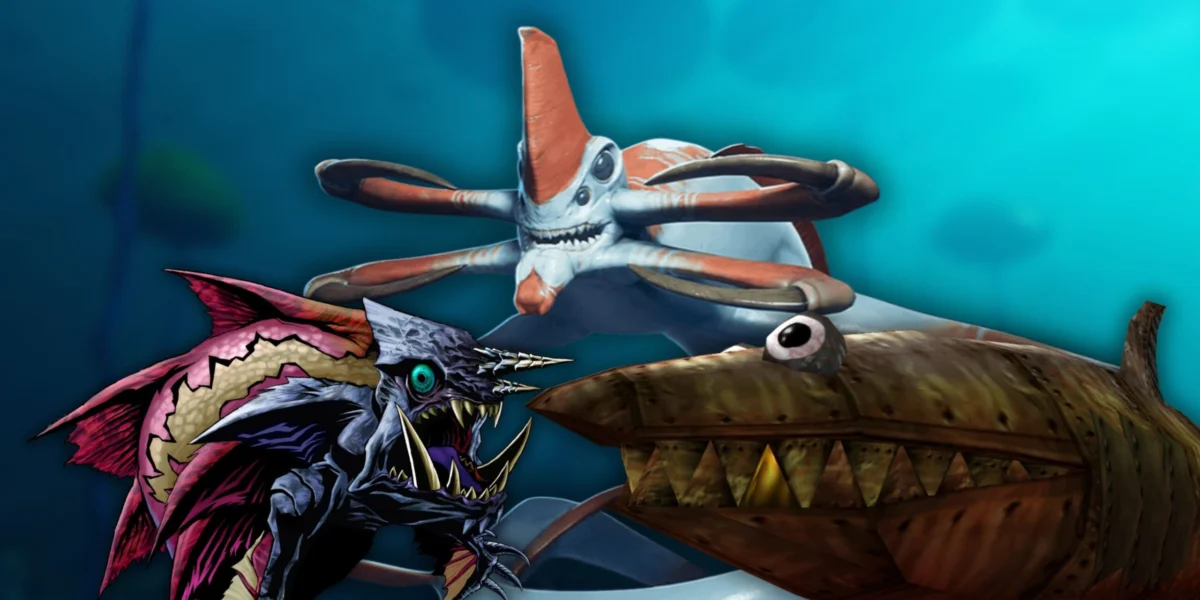
For many, the ocean represents the final frontier of exploration—a vast, beautiful, and mysterious realm. For others, however, the "Big Blue" is a source of primal, unadulterated terror. This phenomenon, known as thalassophobia, is the intense fear of deep, vast bodies of water. In the realm of interactive entertainment, developers have long tapped into this fear, transforming virtual lakes and oceans from peaceful environments into nightmare-inducing gauntlets.
Whether it is the muffled sound of a heartbeat, the limited visibility of murky depths, or the sudden emergence of a colossal predator, these aquatic encounters are designed to rattle even the most seasoned gamers. From the claustrophobic trenches of Iron Lung to the iconic encounters in Super Mario 64, this report chronicles the most terrifying creatures to ever lurk beneath the surface of our screens.
The Psychology of Submerged Horror
The effectiveness of underwater horror in video games relies on a specific set of psychological triggers. Unlike terrestrial encounters, underwater levels often restrict the player’s movement, oxygen levels, and, most importantly, visibility.
When a player enters a digital aquatic zone, they are stripped of their primary survival tool: spatial awareness. By obscuring what lies beneath, developers force players to rely on audio cues—the deep, rhythmic thumping of a leviathan or the distant, high-pitched screech of an eel—to gauge danger. This "fear of the unknown" is perhaps the most powerful tool in a game designer’s arsenal, as the imagination often conjures monsters far more intimidating than anything that could be rendered on screen.

A Chronology of Aquatic Terror
The evolution of water-based threats has mirrored the progression of graphics and AI in gaming. In the 1990s, early 3D platformers like Super Mario 64 (1996) utilized simple, repeating patterns to create threats like the Unagi eel. As the millennium turned, developers began incorporating physics-based interactions and dynamic lighting, as seen in Shadow of the Colossus (2005) and Resident Evil 4 (2005). Today, titles like Subnautica (2018) and Iron Lung (2022) represent the pinnacle of atmospheric immersion, utilizing sound design and procedural movement to create creatures that feel truly alive and unpredictable.
The Hall of Infamy: 10 Terrifying Water Creatures
10. Hydrus (Shadow of the Colossus)
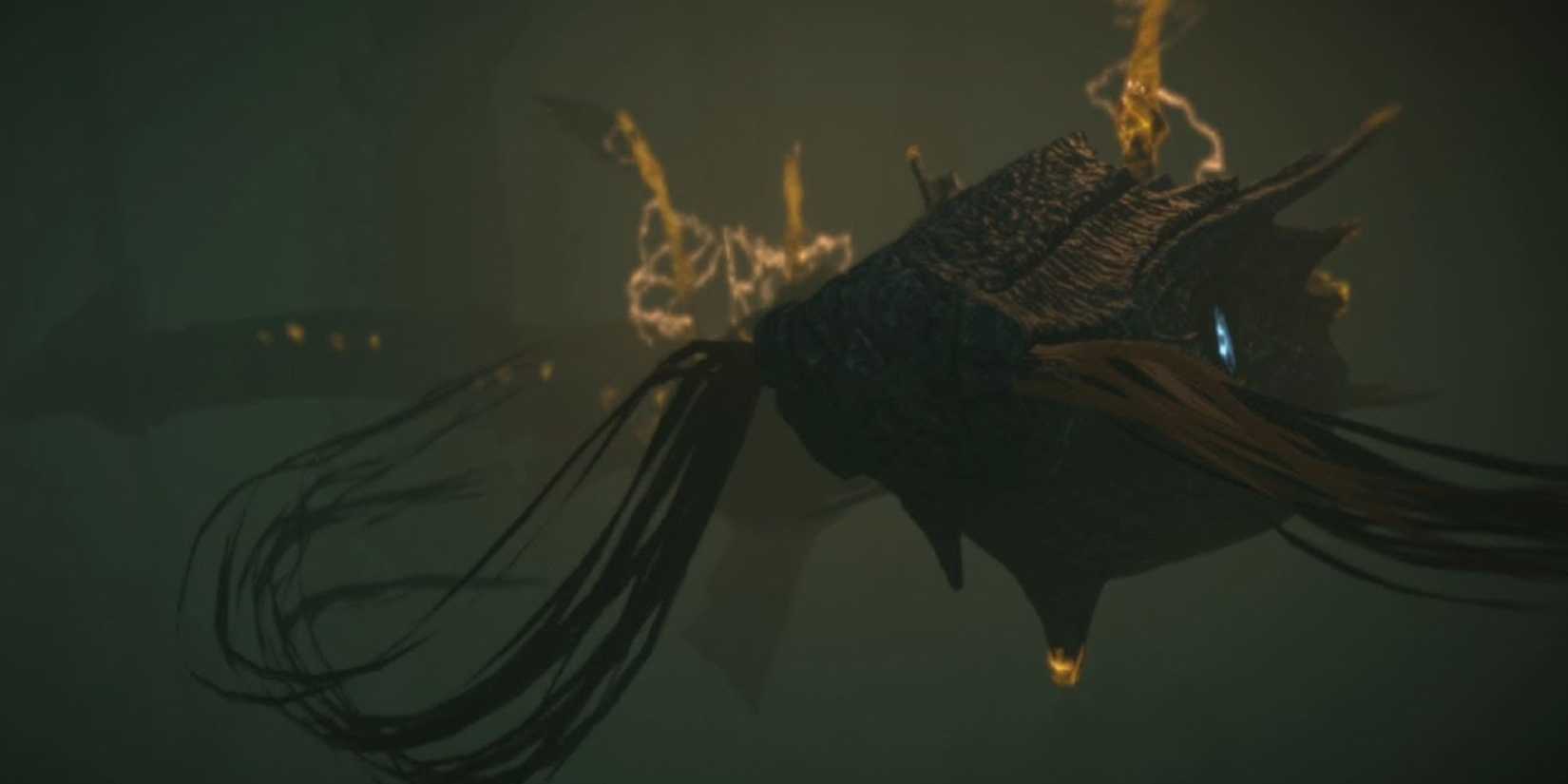
The seventh colossus, Hydrus, remains a masterclass in tension. Lurking within a secluded, ruin-filled lake, this bio-luminescent eel forces players to tread water, waiting for the creature to break the surface. The anxiety peaks when the player must grab onto its electrified fur, only to be dragged back down into the murky, sightless depths.

9. Great White Sharks (Tomb Raider II)
For many players in the late 90s, the "40 Fathoms" level in Tomb Raider II was an early introduction to true gaming dread. Stripped of equipment and left to navigate a sunken wreck, the constant, snapping presence of sharks turned a standard exploration mission into a frantic struggle for survival.
8. Gyorg (The Legend of Zelda: Majora’s Mask)
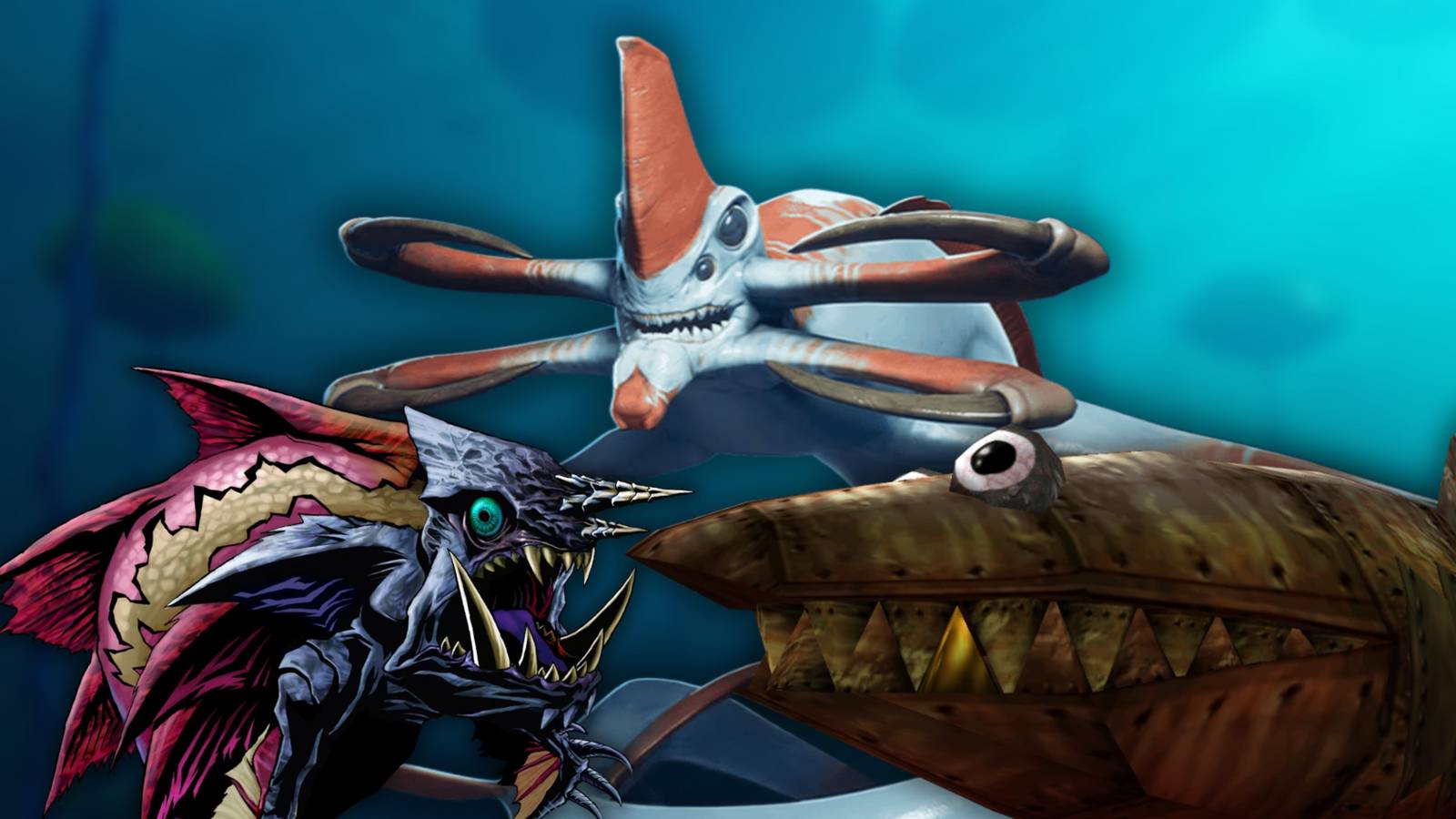
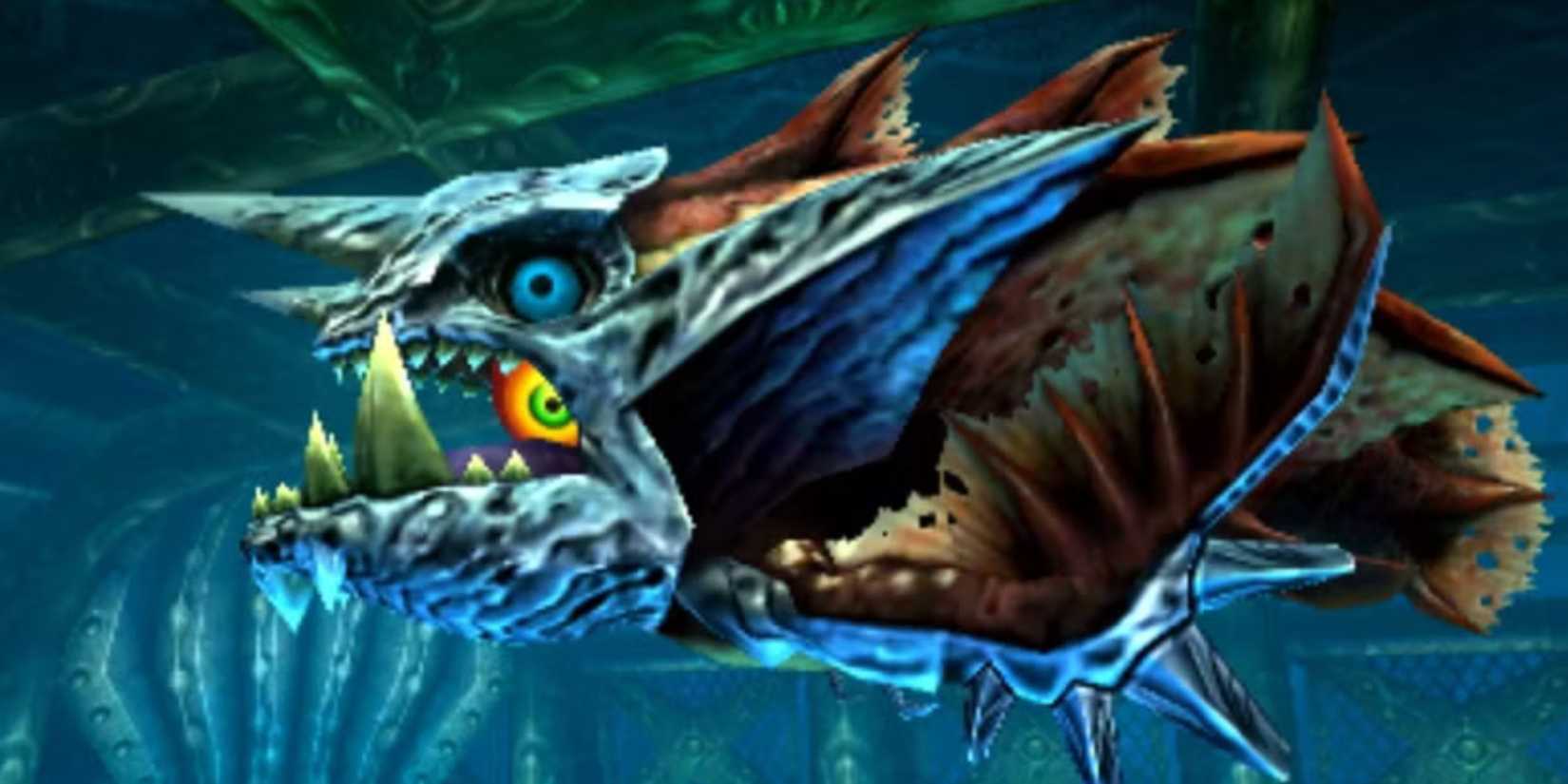
Gyorg is a unique terror because of the arena design. The player is forced onto a precarious platform, with the creature circling beneath, waiting for the smallest slip. The design—bulging, unblinking eyes and massive, serrated fangs—combined with the inability to see the creature while submerged, makes this one of the most stressful boss encounters in the Zelda franchise.
7. The Monster (Iron Lung)
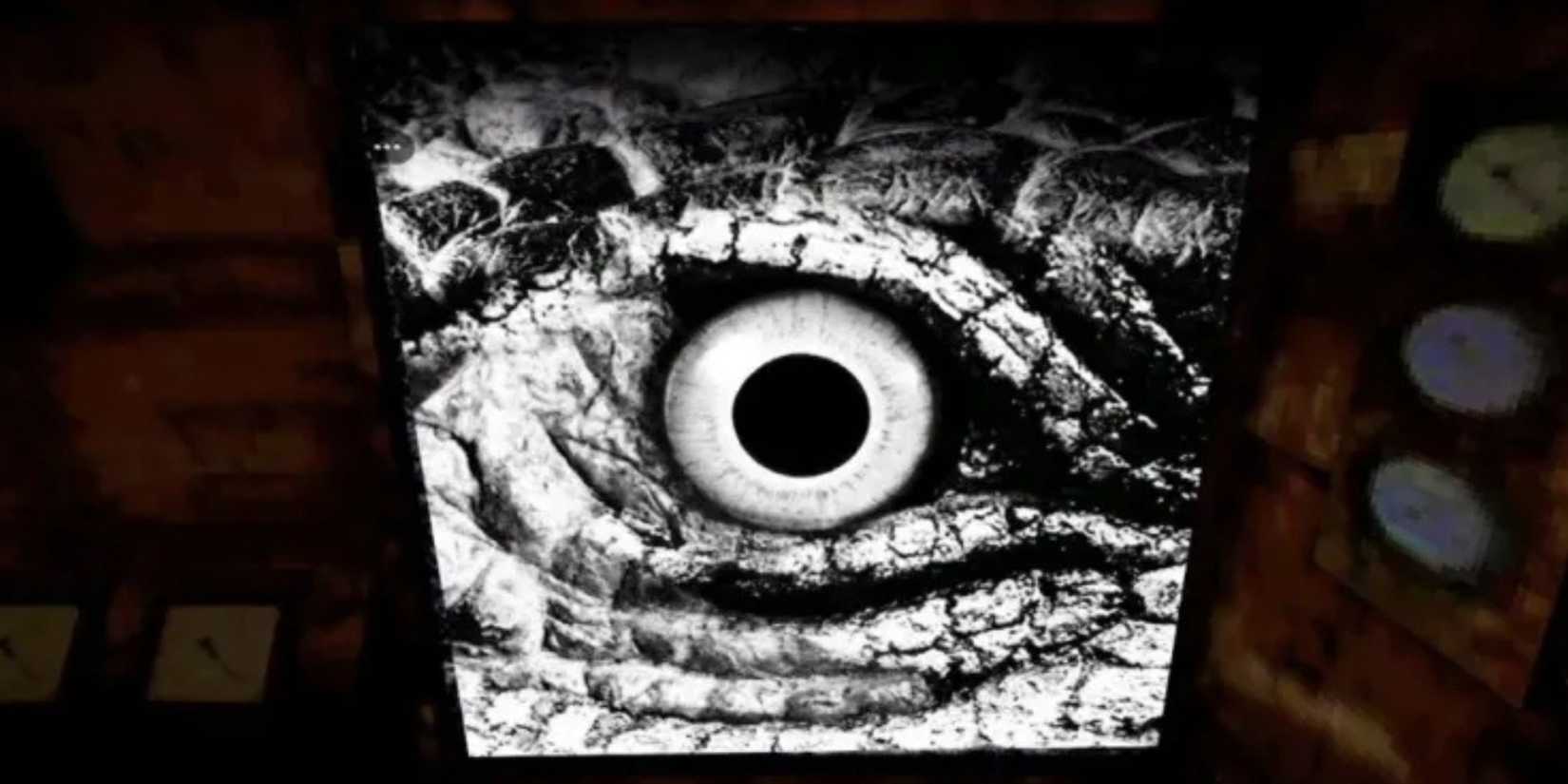
Iron Lung strips away the player’s agency entirely. You are a convict inside a lead-lined submarine on a blood-ocean planet. You have no windows. You have no weapons. You only have a grainy, black-and-white camera and a radar. The final reveal—seeing the massive, indistinct shape of the creature that has been tracking your every move—is a masterclass in cosmic, claustrophobic horror.
6. Giant Dianoga (Star Wars: Shadows of the Empire)
The sewer levels of Shadows of the Empire remain legendary for all the wrong reasons. The sudden transition from the fast-paced action of the game to a dark, sewage-filled chamber, where a massive, tentacled beast waits to drag you into the muck, remains a seminal moment of 90s gaming trauma.

5. Anglerfishes (Outer Wilds)
While technically space-faring, these creatures in the Dark Bramble zone are essentially deep-sea horrors. The mechanic of having to drift through the fog without making a sound, knowing that any sudden movement of the thrusters will draw the massive, light-luring jaws of an anglerfish toward you, is a perfect synthesis of stealth and terror.
4. Del Lago (Resident Evil 4)
The mutated salamander of the Resident Evil 4 lake is iconic for its suddenness. The boss fight on a small, fragile boat captures the vulnerability of the player perfectly. Furthermore, the game’s inclusion of an "easter egg" where shooting the water too many times results in an instant death serves as a brutal reminder that in this world, the water is not to be toyed with.
3. Clanker (Banjo-Kazooie)
Despite Clanker being a friendly character, his design—a rusted, metal whale trapped in a grimy, industrial sewer—is deeply unsettling. The juxtaposition of a cheerful platforming game with such a grotesque, decaying entity highlights the power of environmental storytelling to induce discomfort.
2. Unagi (Super Mario 64)
For millions of children, Unagi was the first time a "bright" game decided to be scary. His sudden emergence from a wall in Jolly Roger Bay, paired with his erratic, snapping movements, created a generation of players who were genuinely afraid to dive into the water in their favorite games.
1. Reaper Leviathan (Subnautica)
The Reaper Leviathan is the gold standard for aquatic horror. It does not simply exist; it hunts. Its roar, which echoes through the water, is a warning that often comes too late. Being grabbed by its mandibles while your submarine is crushed like a soda can is the definitive "thalassophobia" experience, cementing Subnautica as the most intense underwater survival experience to date.
Implications of Aquatic Horror
Why do we continue to seek out these experiences? The data suggests that gaming serves as a "safe" environment for humans to confront primal fears. By facing a Reaper Leviathan or a Colossus, players engage with their fight-or-flight response in a controlled setting. This catharsis is a fundamental element of the horror genre’s enduring popularity.

Furthermore, the technical evolution of these creatures has implications for future game design. As VR and haptic feedback technology improve, the sense of presence in these aquatic environments becomes more pronounced. Future titles will likely move away from "boss encounters" and toward "emergent threats," where creatures like the Reaper Leviathan behave with greater unpredictability, further blurring the line between a scripted game event and a genuine, panic-inducing encounter.
Conclusion: The Lure of the Deep
Despite the genuine fear these creatures inspire, the community’s fascination with them remains unshakable. The 10 creatures listed above represent more than just "bosses"—they are the guardians of the deep, the entities that make the virtual ocean a place of awe, wonder, and profound, shivering dread. As long as the abyss remains a part of gaming, we will continue to dive in, heart pounding, waiting to see what rises from the shadows below.


 Raul Delapena Setiawan
 Asro
Asro