

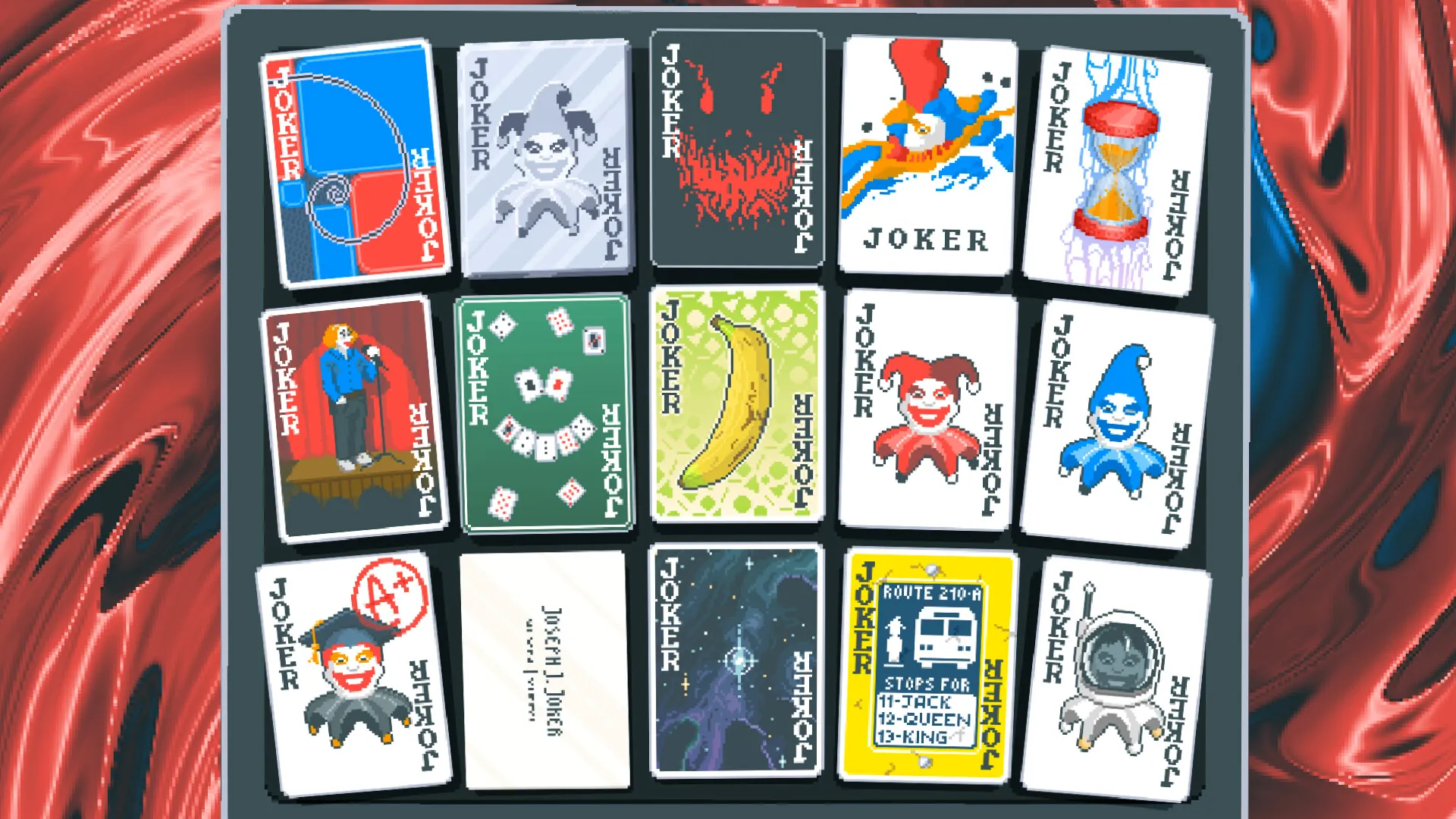
London, UK – [Date of Article Generation] – TruFin, a diversified financial technology group, has announced a conditional agreement to divest its significant 84.5% stake in Playstack, the acclaimed independent games publisher responsible for recent breakout hits like Balatro, Abiotic Factor, and The Rise of the Golden Idol. The buyer is Integrated Media Company (IMC), a powerful digital media conglomerate that counts Fandom and GameSpot among its extensive portfolio of brands. This strategic acquisition, valued at approximately £112.4 million in net cash proceeds for TruFin, signals a significant realignment for both the selling and acquiring entities, and potentially a new chapter for one of the indie gaming sector’s most promising publishers.
The news, initially reported by industry publication Game Developer, underscores the ongoing consolidation within the interactive entertainment and digital media sectors. The transaction remains subject to a crucial shareholder vote, for which TruFin’s board has strongly recommended approval, highlighting its belief in the strategic merits of the sale.
Main Facts: A Strategic Alignment for Growth
The proposed acquisition of Playstack by Integrated Media Company marks a pivotal moment for all parties involved. TruFin Plc, primarily known for its lending and payment solutions, is set to receive a substantial £112.4 million in net cash, representing a significant return on its investment in the gaming sector. This divestiture allows TruFin to sharpen its focus on its core fintech operations, optimizing capital allocation and value creation for its shareholders.
Playstack, under the leadership of founder and CEO Harvey Elliott, has carved out a formidable reputation in the competitive independent games publishing space. Its strategy of identifying and nurturing innovative indie titles has paid dividends, evidenced by an impressive track record and the recent global success of Balatro, a deck-building roguelike that has captivated critics and players alike. Other notable successes include the cooperative survival horror game Abiotic Factor and the critically acclaimed detective puzzle game The Rise of the Golden Idol. The publisher’s financial performance has been robust, with reported gross revenue of £55.3 million in its most recent fiscal year, a remarkable 24% year-on-year increase, and contributing a substantial 83.9% of TruFin’s total revenue.
Integrated Media Company (IMC), backed by the private equity powerhouse TPG, is a strategic player in the digital content and media landscape. Its existing portfolio includes major brands like Fandom, a leading fan-powered entertainment wiki platform, and GameSpot, a venerable online destination for video game news, reviews, and guides. The addition of Playstack to IMC’s stable represents a clear move to deepen its engagement with the gaming community, not just as a content provider but also as a direct participant in game development and publishing. This acquisition is poised to create significant synergies, leveraging IMC’s vast audience reach and media infrastructure to amplify Playstack’s future releases and expand its global footprint.
Chronology of the Deal: From Investment to Divestment
TruFin’s journey with Playstack began seven years ago when the financial services group recognized the nascent potential of the independent games market. Investing in Playstack allowed TruFin to diversify its portfolio and tap into a rapidly growing sector. Over the years, Playstack flourished under TruFin’s ownership, benefiting from strategic support and financial backing that enabled it to scale its operations and build a strong catalogue of successful titles.
The discussions leading to the current conditional agreement likely gained momentum following Playstack’s exceptional performance in recent years, particularly driven by the unprecedented success of Balatro. Such a high-performing asset naturally attracts significant interest from strategic buyers looking to expand their presence in the lucrative gaming market.
The formal announcement of the conditional sale agreement was made by TruFin on May 21, outlining the terms of the transaction and its recommendation for shareholder approval. This was swiftly followed by a public statement from Playstack CEO Harvey Elliott on May 22, addressing the company’s community and stakeholders about the impending change in ownership. The timeline suggests a carefully orchestrated process, designed to ensure a smooth transition and maintain operational continuity for Playstack. The shareholder vote remains a critical hurdle, but given TruFin’s strong endorsement and the attractive financial terms, it is widely anticipated to pass.
Supporting Data: Playstack’s Impressive Track Record and IMC’s Strategic Vision
Playstack’s appeal to IMC is rooted in its demonstrated ability to consistently deliver commercially and critically successful games. Earlier this year, TruFin proudly highlighted Playstack’s remarkable "hit ratio" of over 85%, indicating that the vast majority of its published titles have generated a positive return on investment. This metric is exceptionally high in an industry known for its volatility and the high failure rate of new game releases. Such a success rate speaks volumes about Playstack’s rigorous selection process, its astute market understanding, and its effective support for indie developers.
The financial figures further underscore Playstack’s value proposition. The £55.3 million in gross revenue recorded in its most recent fiscal year, coupled with a 24% year-on-year growth, illustrates a robust and expanding business. The fact that Playstack constituted nearly 84% of TruFin’s total revenue highlights its central importance to the group’s financial performance prior to this divestment and signifies the scale of the asset IMC is acquiring.
Key titles like Balatro exemplify Playstack’s publishing acumen. Released in February of the current year, Balatro quickly became a global phenomenon, praised for its innovative blend of poker and roguelike mechanics. Its widespread critical acclaim and strong sales figures significantly boosted Playstack’s profile and undoubtedly played a role in attracting high-profile buyers like IMC. Similarly, the early access success of Abiotic Factor, a co-op survival game, and the unique narrative design of The Rise of the Golden Idol showcase the breadth and quality of Playstack’s portfolio. Harvey Elliott himself, in an interview with GamesIndustry.biz last year, acknowledged the confidence that successes like Balatro instilled in the company, reinforcing its strategic direction.
For IMC, the acquisition of Playstack is more than just adding a profitable entity; it’s a strategic move to deepen its footprint in the interactive entertainment ecosystem. IMC’s overarching mission, as stated on its website, is to "acquire fundamentally attractive companies and partner with existing management teams to drive sustainable value creation." Playstack perfectly fits this mold, bringing proven operational expertise, a strong brand in indie publishing, and a pipeline of future titles.
IMC’s existing gaming assets, particularly GameSpot and Fandom, offer potent synergy opportunities. GameSpot’s extensive reach in game news and reviews can provide unparalleled promotional support for Playstack’s releases, while Fandom’s vast community of dedicated fans could serve as a powerful marketing channel and feedback loop for new games. Beyond gaming, IMC’s diverse portfolio, which also includes entertainment and e-commerce brands, suggests a broader vision of integrating content, community, and commerce across various digital verticals. TPG’s backing provides the financial muscle and strategic guidance to execute this ambitious vision.
Official Responses: Reassurance and Strategic Clarity
The official statements from the leadership of both Playstack and TruFin provide crucial insights into the rationale and anticipated impact of the acquisition.
Harvey Elliott, founder and CEO of Playstack, addressed the news with a message of continuity and excitement for the future in a post on Playstack’s website dated May 22. "I’m excited to share that Playstack is entering its next chapter with a new investment partner," Elliott stated. He was quick to reassure the company’s team, partners, and player community that the core identity and operational focus would remain unchanged. "In practical terms, this is a change in ownership rather than a change in who we are. Our team, our strategy, and our commitment to publishing premium indie games remain exactly the same." This emphasis on stability is critical for a creative business like game publishing, where team morale and developer relationships are paramount. Elliott also expressed gratitude to TruFin for its seven years of "invaluable partnership," acknowledging their role in reaching this "exciting next step." His forward-looking comments, promising to share more about the future "soon," suggest a proactive approach to integrating with IMC while maintaining Playstack’s distinct culture.
James van den Bergh, CEO of TruFin, articulated the strategic benefits of the divestment from his company’s perspective in a statement dated May 21. "We believe the disposal of Playstack represents a milestone for TruFin and a clear demonstration of our disciplined approach to capital allocation and value creation," he remarked. This statement positions the sale not as a departure from a successful venture, but as a calculated move to optimize TruFin’s overall corporate strategy. As a financial technology group, TruFin’s primary focus is on fintech innovation and market leadership. Divesting a highly successful but non-core asset like Playstack allows TruFin to redeploy significant capital into its core businesses, potentially accelerating growth in its lending and payments divisions. Van den Bergh also extended well wishes to Playstack and IMC, recognizing IMC as a "superb platform for the next stage in Playstack’s journey," indicating a positive outlook on the future prospects of the publisher under its new ownership.
Implications: A New Era for Playstack and Industry Trends
The acquisition carries significant implications for Playstack, TruFin, IMC, and the broader independent gaming landscape.
For Playstack: The most immediate implication is access to significantly greater resources and a wider audience. IMC’s extensive media network, particularly Fandom and GameSpot, offers unparalleled opportunities for marketing, community engagement, and cross-promotion. This could dramatically increase the visibility of Playstack’s existing and future titles, potentially accelerating sales and expanding its global reach. While CEO Harvey Elliott emphasized continuity, the strategic guidance and potential operational synergies from a large media conglomerate could also enable Playstack to explore new genres, invest in larger-scale indie projects, or even delve into new business models. The challenge will be to integrate with IMC’s larger structure while preserving the agility, creative freedom, and indie ethos that have been central to Playstack’s success. The company’s focus on "premium indie games" is likely to remain, but the definition of "premium" could evolve with enhanced backing.
For TruFin: The divestment marks a clear strategic pivot. The substantial £112.4 million in net cash proceeds provides TruFin with considerable financial firepower. This capital can be reinvested in its core fintech operations, used for debt reduction, or returned to shareholders, all of which align with a "disciplined approach to capital allocation." This move clarifies TruFin’s identity as a pure-play financial technology group, potentially making it more attractive to investors specifically interested in the fintech sector. While losing a significant revenue contributor, the sale allows TruFin to focus its management attention and resources on areas where it believes it can generate sustainable long-term value within its primary domain.
For Integrated Media Company (IMC): This acquisition significantly bolsters IMC’s position in the lucrative and rapidly expanding video game market. By owning a successful publisher like Playstack, IMC moves beyond just reporting on games or hosting fan communities; it becomes an active participant in game creation and distribution. This allows for direct control over a valuable intellectual property pipeline and the ability to generate revenue directly from game sales, complementing its existing advertising and subscription-based models. The integration of Playstack’s publishing expertise with IMC’s media platforms could create a powerful ecosystem, offering a unique value proposition to both developers and gamers. It also signifies TPG’s continued belief in the growth potential of digital media and interactive entertainment.
For the Indie Gaming Sector: This deal is indicative of a broader trend of consolidation in the gaming industry, where successful independent studios and publishers are increasingly becoming targets for larger media and tech companies. While some fear such consolidation could stifle independent creativity, others argue it provides indie developers with better funding, marketing, and distribution opportunities. Playstack’s success under TruFin and its subsequent acquisition by IMC could serve as a blueprint for other indie publishers, demonstrating that a focus on quality, a strong hit rate, and effective business management can lead to significant value creation and attractive exit opportunities. It also highlights the growing mainstream recognition and financial viability of the independent games market. The challenge for the broader indie community will be to ensure that these acquisitions lead to genuine growth and support for diverse voices, rather than merely absorbing them into larger, potentially less flexible, corporate structures.
In conclusion, the conditional sale of Playstack to Integrated Media Company is a multi-faceted transaction with far-reaching implications. It represents a strategic win for TruFin, a significant expansion for IMC, and a potential new era of growth and opportunity for Playstack and its talented team. As the gaming and digital media landscapes continue to evolve at a rapid pace, such strategic alignments are becoming increasingly common, reshaping the contours of the entertainment industry as we know it. The shareholder vote will be the final step in cementing this landmark deal, paving the way for Playstack to leverage its new parent company’s formidable resources and continue its impressive trajectory in the world of premium indie games.











No comments yet. Be the first to join the conversation!